Sure, I can help you continue the article. Here is the section you provided:
PP pipe and fitting system
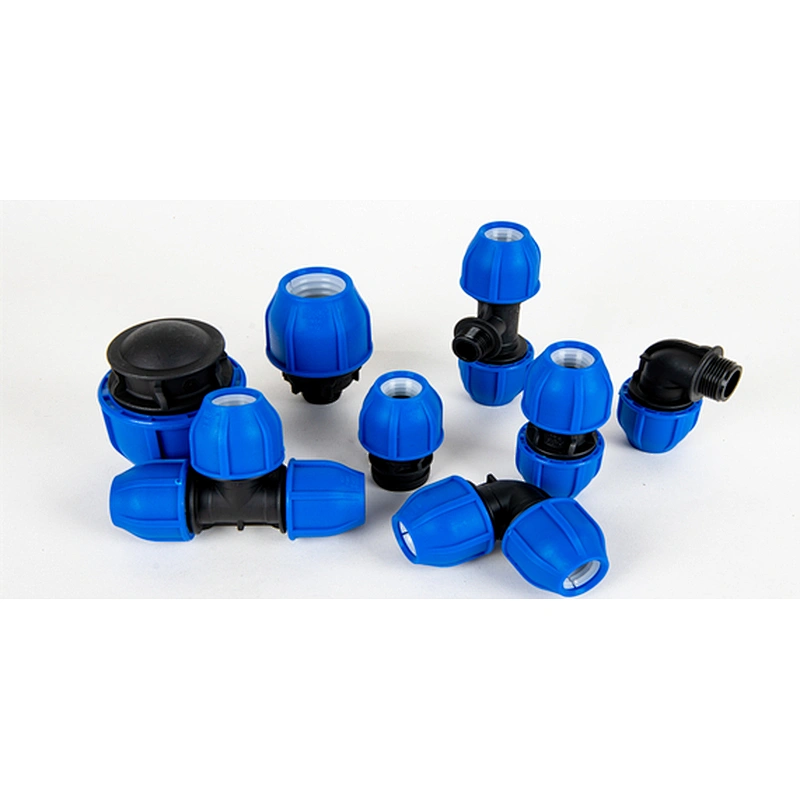
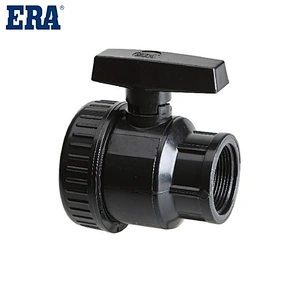
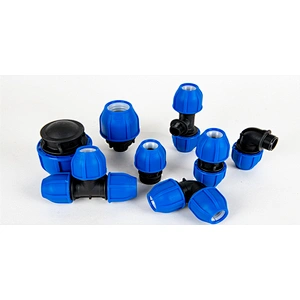
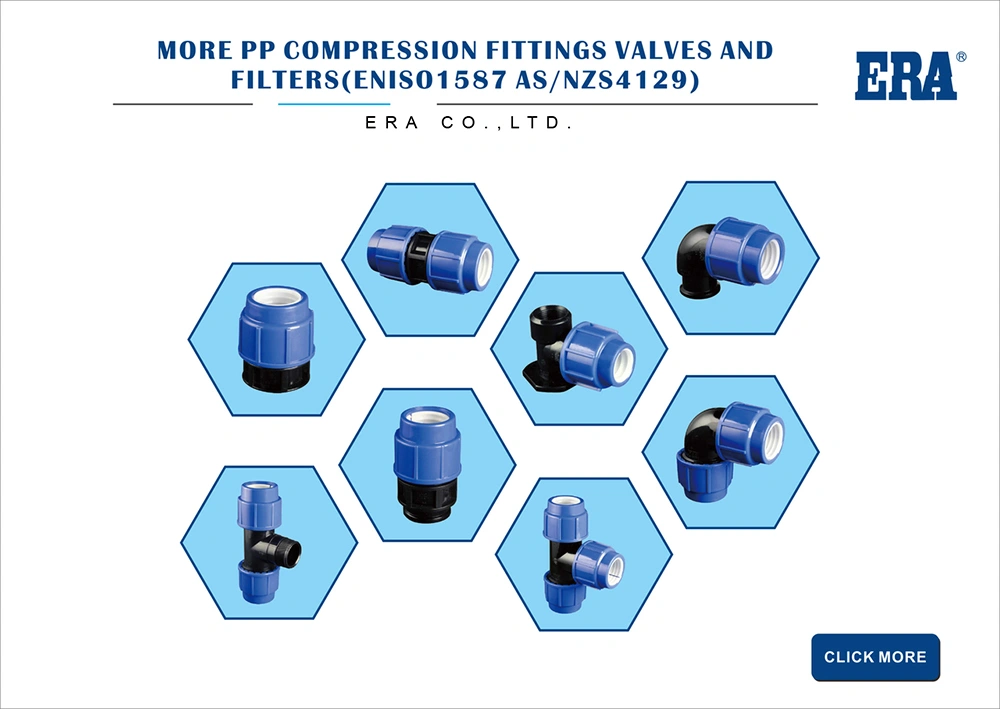
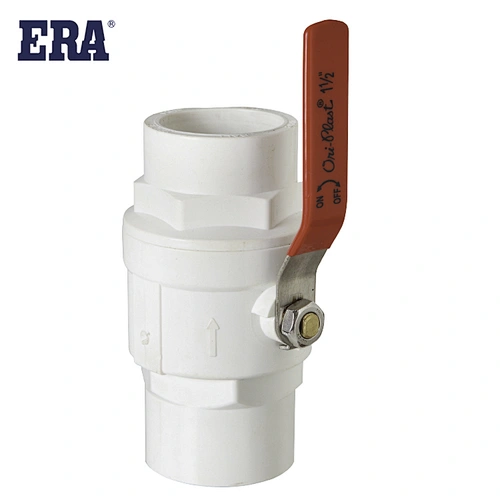
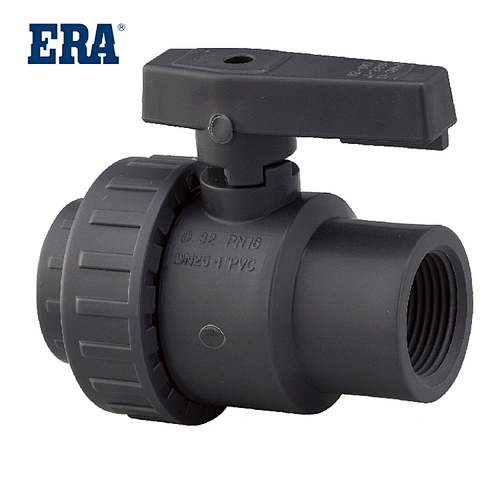
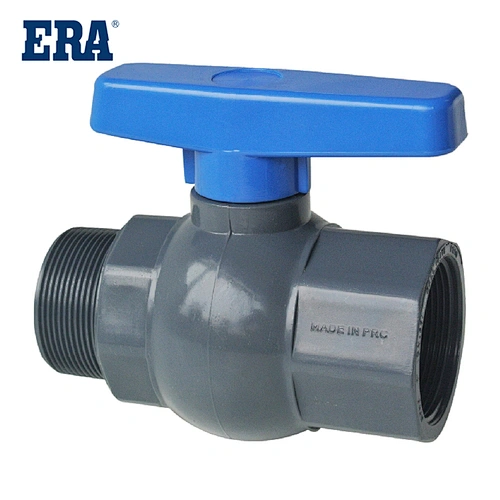
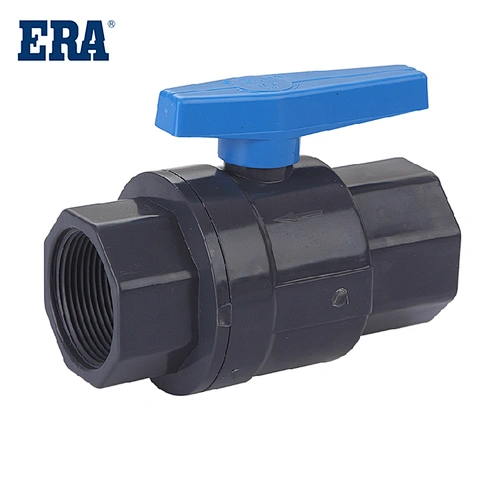
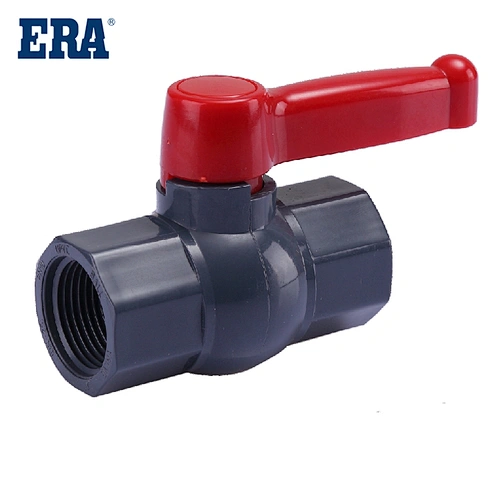
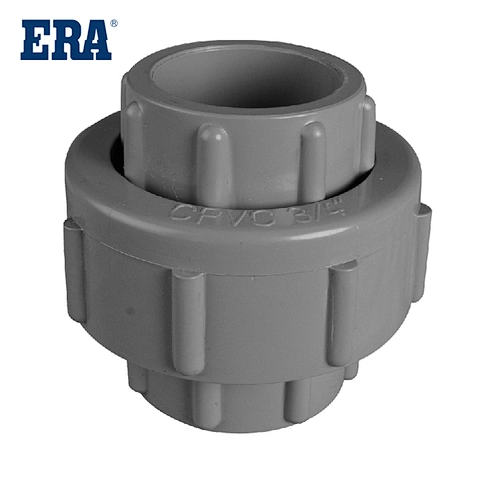
Scope: PP Compression fittings are used in plumbing and irrigation systems to join two tubes together. PP thread fittings allow for a quick, simple insertion of the tube, considerably reducing installation time: simply loosen the nut (without removing it), and insert the pipe.
Referenced Standards: EN ISO15874 AS/NZS 4129
Working Pressure: At 20ºC PN16 (Threaded fittings: PN10)
Continuing from here:
Applications and Benefits
Polypropylene (PP) compression and thread fittings are integral components in various systems due to their versatile applications and numerous benefits. These fittings are predominantly used in plumbing, irrigation, and agricultural systems where reliable and quick connections are crucial. The ease of installation and removal makes PP fittings an ideal choice for projects requiring frequent maintenance or adjustments.
In residential plumbing, PP compression fittings are widely used for their corrosion resistance and durability. Unlike metal fittings, PP fittings do not rust, ensuring longevity and reducing maintenance costs over time. Their lightweight nature also simplifies handling and installation, which is particularly beneficial in tight or hard-to-reach spaces.
Moreover, in the realm of commercial plumbing, the use of PP fittings has expanded significantly. The flexibility and robustness of PP make it an ideal choice for complex piping systems in large-scale buildings such as hotels, hospitals, and office complexes. These fittings can withstand a range of temperatures and pressures, making them suitable for both hot and cold water applications. Additionally, their ability to resist chemical and biological corrosion ensures that they maintain their integrity even in challenging environments, such as in areas with high levels of minerals or pollutants in the water.
In the agricultural sector, PP fittings are indispensable for irrigation systems. Farmers rely on these fittings to maintain efficient water delivery across vast fields. The durability and ease of use of PP fittings mean that irrigation systems can be quickly installed and modified as needed, ensuring that crops receive adequate water supply during critical growth periods. The non-reactive nature of PP also ensures that it does not contaminate water or react with fertilizers and pesticides, maintaining the purity of water distributed through these systems.
Additionally, PP compression and thread fittings are crucial in the management of greenhouse environments. In these controlled settings, maintaining the integrity of water and nutrient delivery systems is vital for plant health and productivity. PP fittings, with their leak-proof seals and resistance to chemical degradation, ensure that water and nutrient solutions are delivered efficiently and without contamination, supporting optimal growing conditions.
Beyond traditional agriculture, PP fittings play a pivotal role in modern hydroponic and aquaponic systems. In these systems, where plants are grown in water-based solutions rather than soil, maintaining clean and uncontaminated water flow is critical. PP fittings, with their high resistance to chemical and microbial attack, are ideal for these applications. They help ensure that nutrient-rich water is effectively circulated through the system, promoting healthy plant growth and maximizing yields.
In the industrial sector, PP fittings are used in various fluid handling applications, including in the transport of chemicals, solvents, and other hazardous materials. The chemical inertness of PP makes it suitable for systems where metal fittings might corrode or react with transported substances. Industries such as food and beverage processing, pharmaceuticals, and chemical manufacturing rely on PP fittings for their high purity standards and reliability.
In the food and beverage industry, maintaining sanitary conditions is paramount. PP fittings are used extensively in piping systems that transport liquids and semi-liquids such as milk, juice, and sauces. Their smooth, non-porous surfaces prevent the accumulation of bacteria and make cleaning easier, ensuring that the quality and safety of food products are maintained. Furthermore, the resistance of PP to a wide range of temperatures means that it can be used in processes involving both hot and cold substances without the risk of degradation or contamination.
The environmental benefits of using PP fittings also contribute to their popularity. Polypropylene is a recyclable material, and using it in fittings supports the movement towards sustainable construction and manufacturing practices. PP fittings can be recycled into new products, reducing waste and the demand for raw materials. This aligns with global efforts to minimize environmental impact and promote circular economy principles.
In the context of emerging technologies and renewable energy systems, PP fittings are finding new applications. For example, in solar thermal systems, where water is heated using solar panels and circulated through a building, PP fittings provide a reliable and efficient way to connect components and ensure leak-proof performance under varying temperatures. Similarly, in geothermal systems, where the temperature and pressure conditions can be challenging, PP fittings offer a durable solution that can withstand these extreme environments.
As we look to the future, the role of PP fittings in innovative systems will likely continue to expand. Advances in material science may lead to the development of even more resilient and adaptable forms of polypropylene, further enhancing the capabilities and applications of these fittings. Whether in traditional plumbing systems or cutting-edge technologies, the versatility and benefits of PP fittings make them an essential component in modern infrastructure.
In summary, the widespread use of polypropylene compression and thread fittings across various sectors underscores their importance and utility. From residential and commercial plumbing to agriculture, industrial applications, and beyond, the advantages of PP fittings – including their durability, resistance to corrosion, ease of installation, and environmental benefits – make them a preferred choice for reliable and efficient fluid handling solutions. As technology and industry continue to evolve, the adaptability and performance of PP fittings ensure that they will remain a vital part of our systems and infrastructure.
Installation Guidelines
Proper installation of PP compression and thread fittings is crucial to ensure a leak-free and efficient system. Here are some general guidelines to follow:
1. Cutting the Pipe: Ensure the pipe is cut squarely. An uneven cut can compromise the integrity of the joint.
2. Deburring: Remove any burrs or sharp edges from the cut end of the pipe to prevent damage to the fitting.
3. Insertion Depth: Mark the insertion depth on the pipe to ensure it is fully inserted into the fitting.
4. Tightening the Nut: Hand-tighten the nut initially, then use a suitable wrench to fully tighten it. Do not over-tighten, as this can damage the fitting and compromise the connection.
For threaded fittings, apply PTFE tape or thread sealant to the male threads before assembly to ensure a watertight seal. Hand-tighten the fitting initially, then use a wrench to complete the installation. Be cautious not to over-tighten to avoid stripping the threads or damaging the fitting.
Maintenance and Troubleshooting
PP fittings require minimal maintenance, but regular inspections are recommended to ensure system integrity. Check for any signs of wear, leaks, or damage, especially in high-pressure systems. If a leak is detected, first ensure that the fitting is properly tightened. If the leak persists, disassemble the fitting, inspect for any damage, and replace components as necessary.
For threaded fittings, ensure the PTFE tape or thread sealant is properly applied and intact. Reapply if necessary during reassembly. In case of persistent leaks, inspect the threads for damage and replace the fitting if required.
Environmental Impact and Sustainability
Polypropylene is a recyclable material, making PP fittings an environmentally friendly choice. At the end of their service life, these fittings can be collected and recycled to produce new PP products, reducing waste and conserving resources. Additionally, the manufacturing process of PP fittings consumes less energy compared to metal fittings, contributing to lower carbon emissions.
The use of PP fittings in irrigation systems promotes efficient water use, as these systems can be designed to deliver water directly to the plant roots, minimizing water loss through evaporation and runoff. This not only conserves water but also enhances crop yield and quality.
Innovations and Future Trends
The development of PP fittings continues to evolve with advancements in materials and manufacturing processes. Innovations such as improved UV resistance and enhanced pressure ratings are making PP fittings suitable for even more demanding applications. Additionally, the integration of smart technology in irrigation systems is opening new possibilities for remote monitoring and control, optimizing water usage, and improving system efficiency.
In the future, we can expect to see more sustainable practices in the production and use of PP fittings, including the incorporation of recycled materials and further reductions in manufacturing emissions. As environmental regulations become stricter and the demand for sustainable solutions grows, PP fittings are poised to play a crucial role in meeting these challenges.
Conclusion
Polypropylene compression and thread fittings offer a reliable, efficient, and environmentally friendly solution for plumbing and irrigation systems. Their ease of installation, durability, and versatility make them a preferred choice for a wide range of applications. As technology and materials continue to advance, PP fittings will remain at the forefront of innovation, driving sustainability and efficiency in fluid management systems.


 English