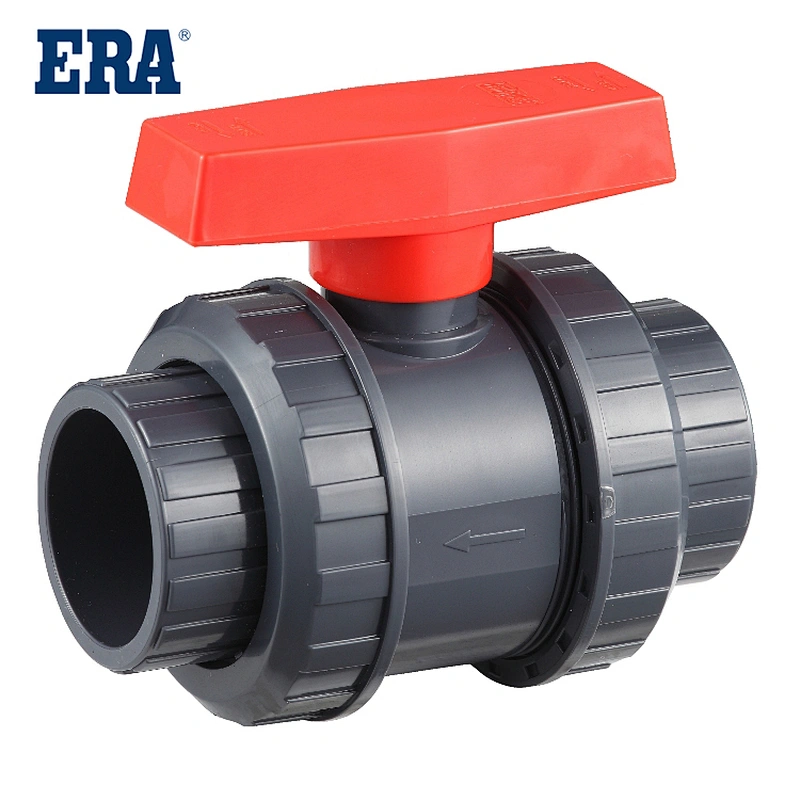
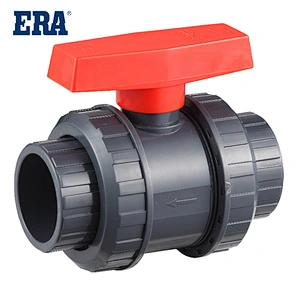
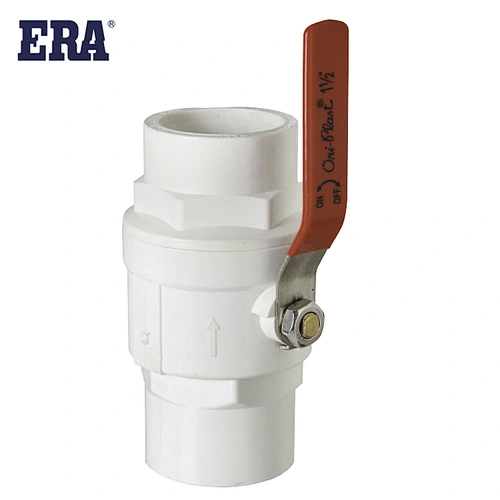
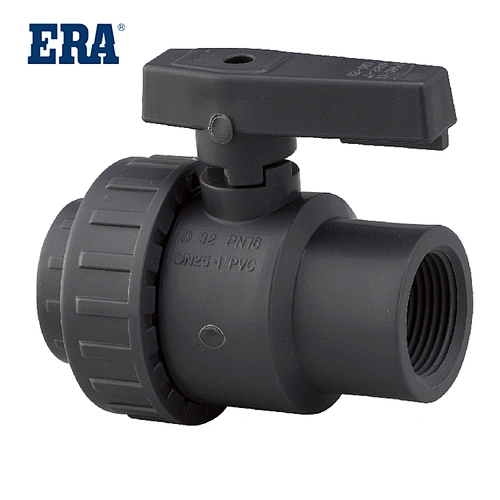
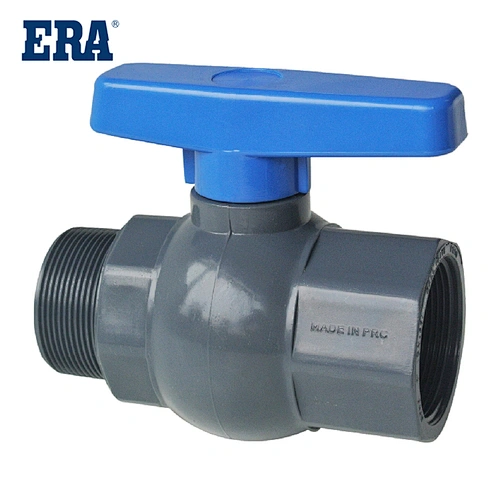
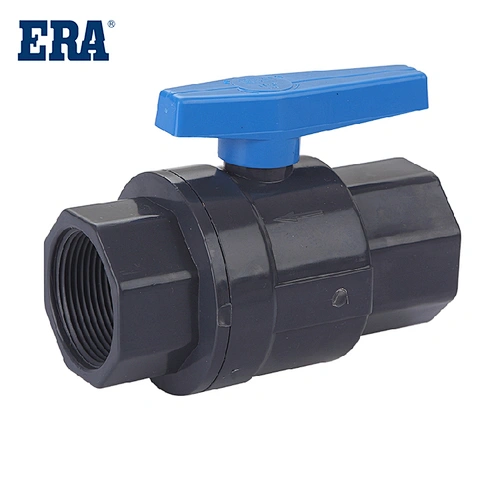
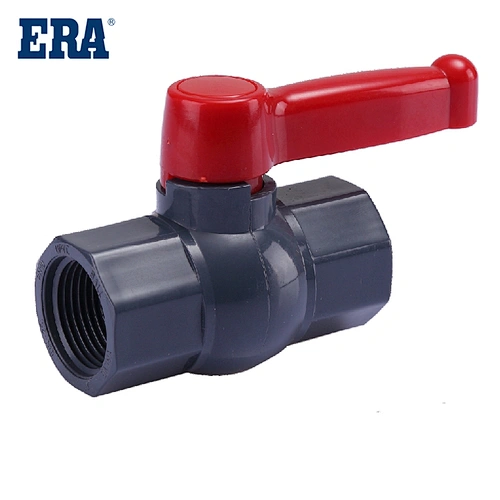
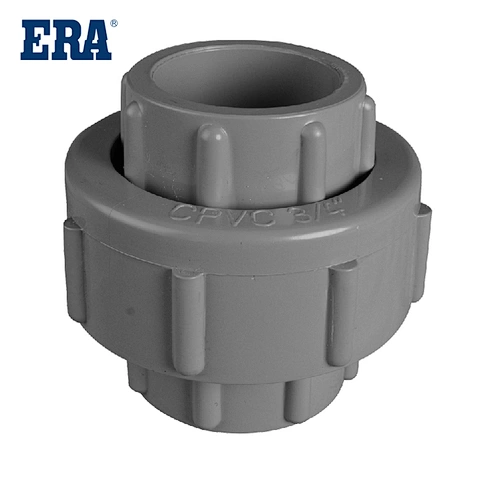
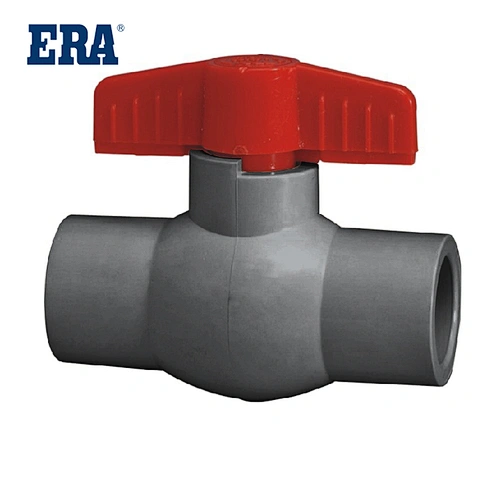
ERA PVC VALVE, PVC True Union Ball Valve Ⅲ, UTB03, PN10 (F1970), NSF-pw & UPC Scope: True Union Ball Valve have a carrier that can be removed from the piping system when needed. Our true union ball valves are made from durable dark gray PVC VALVE and have an easy-to-grip red handle that turns with...
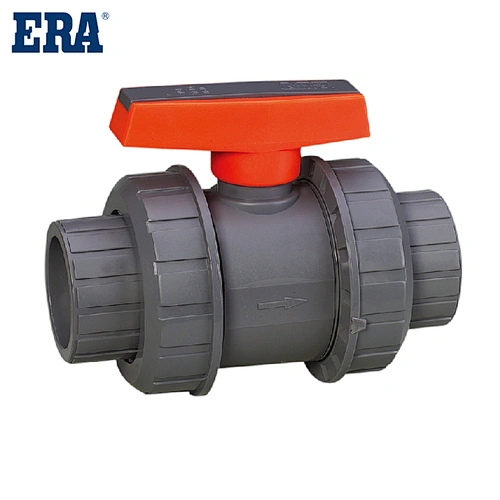
Our True Union Ball Valve are made from durable dark gray PVC VALVE and have an easy-to-grip red handle that turns with minimal effort
Scope:
True Union Ball Valve have a carrier that can be removed from the piping system when needed.
Our True Union Ball Valve are made from durable dark gray PVC VALVE and have an easy-to-grip red handle that turns with minimal effort.
PVC valves shall conform to ISO 9393-1:2004. PVC VALVE shall be manufactured as a system and be the product of one manufacturer.
System:
For use with distribution of pressurized liquids, which are chemically compatible with piping materials
Our True Union Ball Valve are not only durably and made from a heavy duty material - but also a very affordable and economic option to your project or service need.
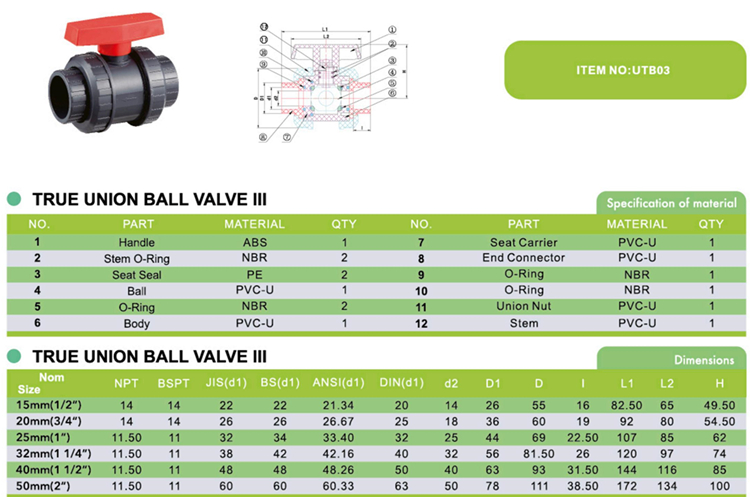
| Model Number | UTB03 | Material | PVC |
| Description | PVC TRUE UNION BALL VALVE III | Size | 1/2''-2'' |
| Standard | F1970 | Color | LIGHT GREY |
| Brand | ERA | Temperature | Max 82.2°C / 180°F |
| Connection | Socket OR THREAD | Certificate | NSF/UPC |
Main Products:
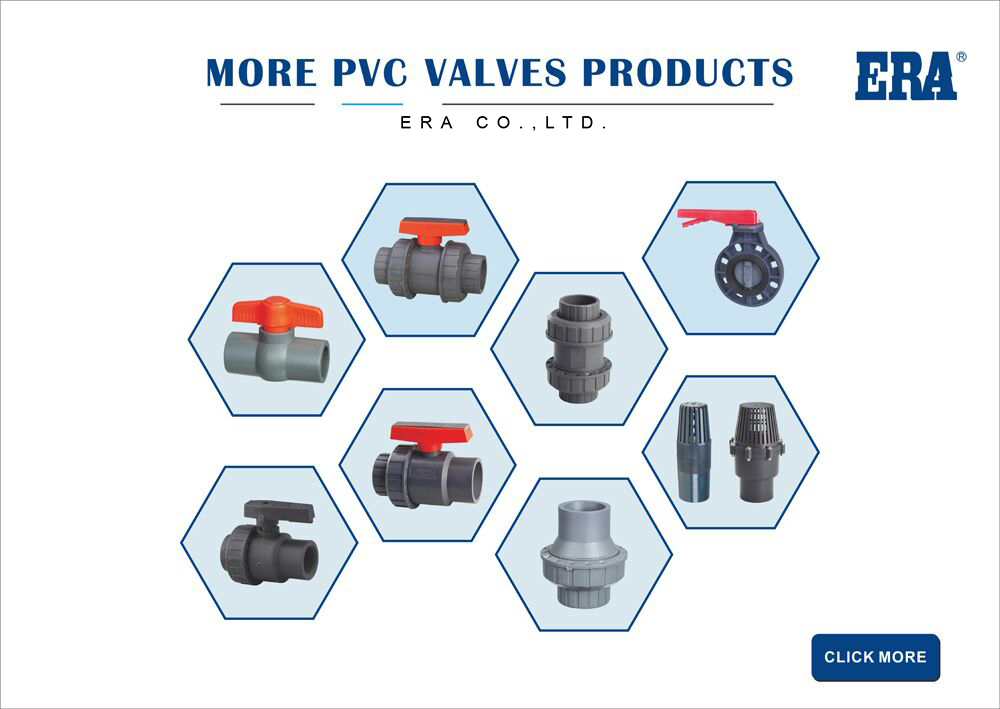
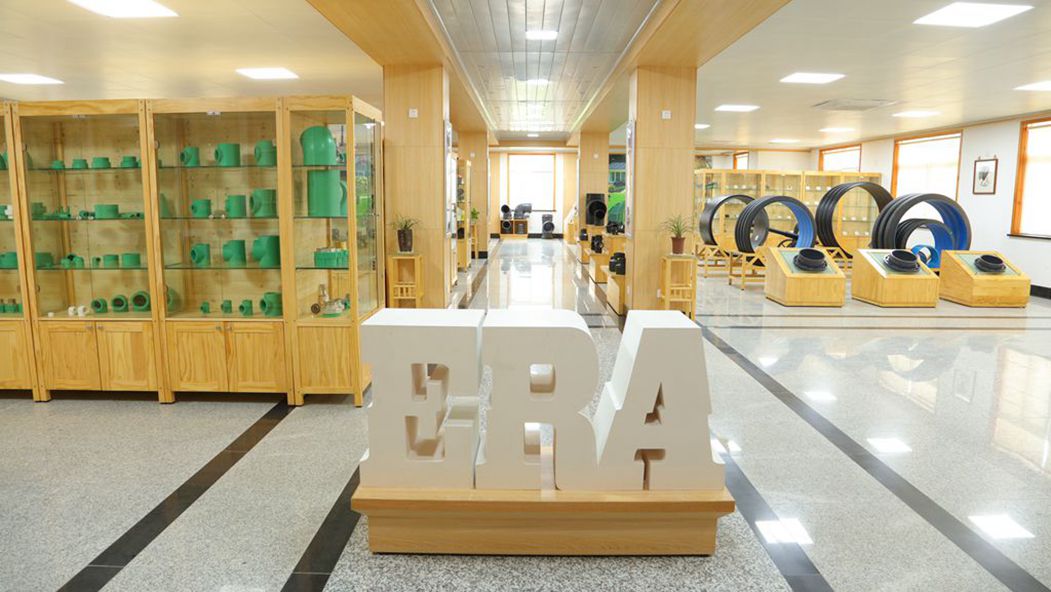
Overview of PVC ball valves:PVC ball valve is a type of valve that utilizes a rotating ball to open or close fluid passages, named for its ball component (ball valve). This design makes PVC ball valves extremely efficient in controlling fluid flow, able to quickly shut off or restore fluid transmission, making them an indispensable part of many industrial piping systems. Using polyvinyl chloride (PVC) as the material for the ball valve not only due to its chemical stability and corrosion resistance but also because of its unique comprehensive performance, allowing PVC ball valves to stand out among many choices.
PVC Ball Valve vs. Metal Ball Valve: A Shift in Era
Compared to metal and other plastic valves, PVC ball valves have significant advantages in chemical resistance, cost-effectiveness, and low maintenance requirements. Especially in dealing with high-stress conditions, PVC ball valves demonstrate remarkable lifespan and performance. PVC ball valves exhibit surprising advantages:
• Chemical Resistance: PVC ball valves can resist corrosion from most acids, alkalis, and salts, ensuring system safety and stability.
• Durability and Reliability: They can maintain performance unchanged for a long time in various environmental conditions.
• Cost-effectiveness: Compared to traditional metal ball valves, PVC ball valves are more economical, reducing unnecessary expenses for businesses.
• Low Maintenance Requirements: PVC ball valves are easy to clean and maintain, greatly reducing downtime and maintenance costs.
• Environmental Impact and Sustainability: PVC material can be recycled, reducing environmental burden and representing a sustainable future direction.
The Production Technological Advantages of PVC Ball Valves
Through continuous technological progress and innovation, the manufacturing process of PVC ball valves has reached new heights:
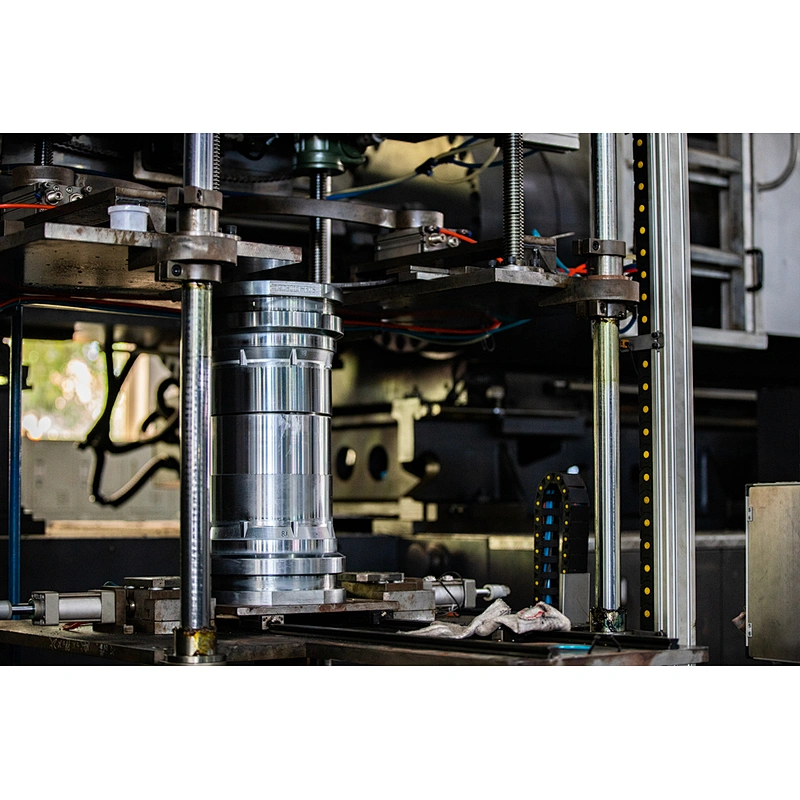
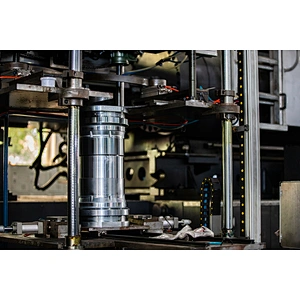
• Manufacturing Technology: Advanced production equipment is utilized to ensure the precision and performance of the ball valves.
• Technological Advancement: Continuous updates in technology make PVC ball valves more reliable, meeting the ever-growing market demands.
• Quality Control and Assurance: Strict quality inspections ensure that every PVC ball valve meets high standards.
Whether it's in water treatment, chemical industry, agricultural irrigation, or other fields, PVC ball valves have secured their position. Numerous case studies have proven the effectiveness of PVC ball valves, benefiting countless industries that have adopted them.
Outstanding Service: Customer Support and Customized Solutions for PVC Ball Valves
Introduction
In today's fiercely competitive market, providing excellent customer service has become a key factor for companies to stand out. Especially for specialized products like PVC ball valves, besides the quality of the products themselves, how companies enhance their service levels through customer support and technical assistance, customized solutions, and project support is crucial for determining their success. This article will explore how companies achieve excellence in these aspects to earn the trust and loyalty of customers.
Customer Support and Technical Assistance
Establishing a Multi-channel Customer Support System
To provide excellent service, companies need to establish a multi-channel customer support system, including phone, email, online chat, and social media, ensuring that customers can easily reach the company through various means. Additionally, a 24/7 customer service hotline is crucial for handling urgent issues.
Professional Technical Assistance
For technically advanced products like PVC ball valves, companies should provide professional technical assistance services. This includes having a technical support team with deep product knowledge that can provide installation guidance, troubleshooting, and maintenance advice. Regular training ensures that the technical support team's expertise remains at the forefront of the industry.
Customized Solutions and Project Support
Understanding Customer Needs
The first step in providing customized solutions is to understand the specific needs of customers. This may involve face-to-face meetings with customers or using tools such as surveys to collect feedback and suggestions from customers. Only by truly understanding the customer's needs can the company provide customized services that meet their expectations.
Cross-departmental Collaboration
Customized solutions often require cross-departmental collaboration. Departments such as design, production, sales, and technical support need to work closely together to provide the best solutions for customers. This cross-departmental collaboration model requires the company to have good internal communication mechanisms and efficient project management capabilities.
Project Support
For large projects or customized solutions with special requirements, companies should provide comprehensive project support services. This includes professional support at every stage of the project, including planning, execution, monitoring, and closure. By assigning dedicated project managers and teams, the company ensures smooth project execution to meet customer expectations and needs.
Conclusion
Providing excellent service is the key to company success. For specialized products like PVC ball valves, companies can significantly improve their service levels, win customer trust and loyalty by establishing a multi-channel customer support system, providing professional technical assistance, understanding customer needs, offering customized solutions, and providing comprehensive project support. In the future, as the market continues to change and customer needs become increasingly diverse, companies need to continuously innovate service models, improve service efficiency and quality to maintain and strengthen their competitive advantage in the market.
PVC Ball Valve Enterprise Personnel Professionalization: Training, Professional Knowledge, and Continuing Education
Abstract
As an essential component of fluid control and management systems, the PVC ball valve industry plays a crucial role globally. With the advancement of technology and changes in market demand, the professionalization of enterprise personnel has become one of the key factors for company success. This article aims to explore the training and professional knowledge required for PVC ball valve enterprise personnel and how to maintain industry leadership through continuing education. Additionally, it will analyze the qualifications and certifications that professionals in this field should possess to enhance individual capabilities and corporate competitiveness.
Introduction
PVC ball valves are indispensable components in industrial piping systems used to control fluid flow. With the increasing level of industrial automation and intelligence, the performance and quality requirements for PVC ball valves are also rising. This necessitates that personnel engaged in the manufacturing and sales of PVC ball valves not only possess basic professional knowledge but also continuously update their knowledge to grasp the latest technologies.
Training and Professional Knowledge Required for Manufacturing and Sales
2.1 Basic Knowledge
• Material Science: Understanding the properties of PVC materials, including their chemical stability, corrosion resistance, and physical characteristics.
• Mechanical Engineering: Mastering the design principles, machining processes, and assembly techniques of ball valves.
• Fluid Mechanics: Understanding the flow characteristics of fluids in pipeline systems and their impact on ball valve performance.
2.2 Advanced Knowledge
• Automation Technology: Familiarity with the automatic control systems of ball valves, including the application of sensors and actuators.
• Quality Control: Mastery of international standards such as ISO to ensure product quality meets industry requirements.
• Marketing: Understanding market trends and devising effective sales strategies.
Commitment to Continuous Education and Maintaining Industry Leadership
3.1 Paths of Continuing Education
• Participation in Professional Training Courses: Regularly attend training courses organized by industry associations or professional institutions.
• Participation in Industry Conferences and Exhibitions: By attending industry conferences and exhibitions, stay updated on the latest industry trends and technological advancements.
• Online Learning: Utilize online courses and seminars to flexibly acquire new knowledge.
3.2 Innovation and Research & Development
• Technological Innovation: Encourage enterprise personnel to participate in product and process innovation to enhance the company's core competitiveness.
• Investment in Research & Development: Enterprises should increase investment in research and development to develop more efficient and environmentally friendly PVC ball valve products.
Qualifications and Certifications for Professionals in the Field
4.1 Qualification Certificates
• Engineering Certification: Such as Registered Professional Engineer (P.E.) in Mechanical Engineering or Materials Engineering.
• Quality Management System Certification: Such as ISO 9001:2015 Quality Management System Internal Auditor or Quality Manager certification.
• Industry-specific Certification: Such as Fluid Control
Custom Options: Providing Tailored Solutions for Various Industries
In today's competitive era, understanding the unique needs of customers and providing tailor-made solutions isn't just a service—it's an art. We deeply understand that every industry and every client has their own specific requirements and expectations. It's for this reason that we've introduced a series of custom options aimed at providing precise, personalized services for different industry applications.
Whether you're in the finance industry seeking the ultimate secure data processing solution, the retail sector in need of personalized customer experience strategies, or the healthcare industry searching for technology support that complies with strict regulations, our custom services can ensure that your specific needs are met. Our team will work closely with you, delving into your business challenges and goals, in order to design and implement the solution that best suits you.
Our custom services include, but are not limited to:
Industry-specific Solution Design: Tailoring service solutions to suit the characteristics of your industry.
Functional Customization: Providing customized feature development based on your specific business needs, ensuring that the service seamlessly aligns with your business processes.
Interface and User Experience Customization: Designing interfaces that reflect your brand image and are user-friendly, enhancing customer usability.
Technology Integration and Collaboration: Seamlessly integrating our services with your existing systems or third-party services to improve efficiency and data interoperability.
Choosing our custom services means choosing a partner who truly understands your needs. We don't just offer products; we provide comprehensive solutions to help you stand out in an increasingly competitive market.
Contact us now to embark on your customization journey. Let's work together to create solutions that meet your unique needs and propel your business to new heights.
The importance of after-sales service for customer satisfaction and loyalty
When a company provides excellent after-sales service, it is not only solving a product problem, but also building a bridge of trust, leading to the improvement of customer satisfaction and loyalty. In today's fiercely competitive business world, high-quality after-sales service has become a key factor in distinguishing brands and an indispensable success factor for enterprises.
Imagine how a company provides fast, efficient, and worry free solutions when you encounter problems with a purchased product. What impression would this experience leave on you? Undoubtedly, this positive experience will make customers feel valued and respected, thereby enhancing their trust in the brand. This sense of trust is an intangible asset that can encourage customers to repeat purchases in the future and may translate into word-of-mouth promotion, attracting more new customers.
In addition, excellent after-sales service can effectively reduce customer churn rates. When encountering problems, if customers know that there is a reliable support team behind them, they are more willing to continue using your product or service rather than turning to competitors. After sales service has become an important link in retaining customers and maintaining customer relationships.
Research has shown that improving customer satisfaction directly affects a company's profit growth. The improvement of customer loyalty to the brand means a long-term stable source of income. Therefore, investing in optimizing after-sales service processes is not only to solve immediate customer problems, but also a long-term and beneficial strategic investment for the enterprise.
Facing the ever-changing market demand, only those enterprises that truly understand and practice the principle of"customer first"can stand out in the fierce market competition. Excellent after-sales service is one of the important ways to embody this principle. Providing customers with services beyond expectations not only enhances customer satisfaction, but also establishes customer loyalty, bringing greater market share and higher brand value to the enterprise.
In the future, we will see more companies investing in improving their after-sales service experience, because those companies that truly care about their customers will always be long-term winners in the market. Moreover, continuously optimizing after-sales service will also become an important means for brands to differentiate themselves from others. Always remember that an excellent after-sales service experience can be worth a thousand dollars.
Industry advantages of PVC ball valves
Corrosion resistance: Explain the resistance of PVC material to chemicals.
Lightweight: The weight advantage of PVC ball valves over metal ball valves.
Economy: Cost benefit analysis, including manufacturing and maintenance costs.
Easy to install and operate: Discuss the user-friendly characteristics of PVC ball valves.
In modern industrial production, the efficiency and safety of pipeline systems are crucial for the operation of enterprises. PVC ball valves play an important role in this process:
Efficiency: The fast switching feature greatly improves the response speed of the system and the flexibility of fluid control.
Corrosion resistance: PVC material has natural resistance to most chemicals, allowing it to work in harsh environments for a long time without damage.
Safety: Compared to other materials, PVC ball valves can better ensure sealing and safety during fluid transmission.
In addition to PVC plastic materials, plastic ball valves are also made of PPR, PVDF, PPH, CPVC, etc. PVC ball valve has excellent corrosion resistance. The sealing ring is F4. Excellent corrosion resistance and extended service life. Flexible rotation and easy to use. As an integral ball valve, PVC ball valve has fewer leakage points and high strength. The connected ball valve is easy to assemble and disassemble. Installation and use of ball valves: When connecting the flanges at both ends to the pipeline, tighten the bolts evenly to prevent flange deformation and leakage. Turn the handle clockwise to turn it off, and vice versa to turn it on. It can only be used to cut off or pass the flow, and it is not suitable to have flow adjustment. Liquids containing hard particles can easily scratch the surface of the ball.
Ball valve is a common type of valve, with a spherical opening and closing seal that is driven by the valve stem and rotates around the axis of the ball valve. It is mainly used in pipelines to cut off, distribute, and change the flow direction of the medium. Ball valves have the following characteristics:
Ball valves have a simple structure, good sealing performance, small opening and closing torque, and have the lowest flow resistance.
The sealing surface of the ball valve is isolated from the medium, so the medium passing through the valve at high speed will not cause erosion of the sealing surface.
The sealing ring of the valve seat of a ball valve is usually made of plastic. Therefore, when selecting the structure and performance of a ball valve, the fire resistance and fire prevention of the ball valve should be considered, especially in the petroleum, chemical, metallurgical and other departments. When using ball valves in equipment and pipeline systems with flammable and explosive media, fire resistance and fire prevention should be paid more attention to.
Ball valves are most widely used in industries such as petroleum refining, long-distance pipelines, chemicals, papermaking, pharmaceuticals, water conservancy, electricity, municipal engineering, and steel, and play a crucial role in the national economy.
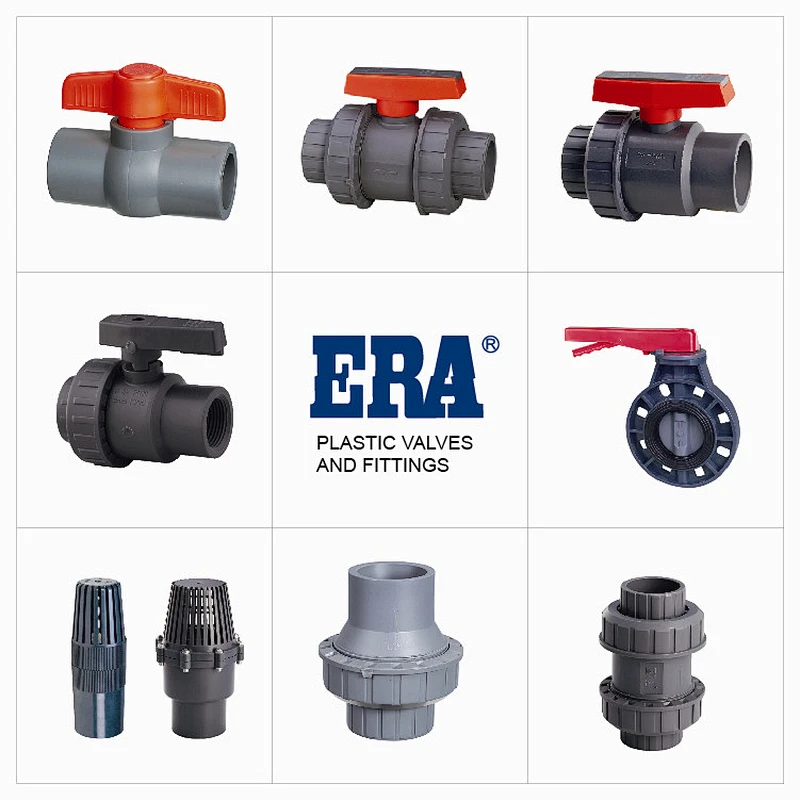
There are many types of ball valves, including bypass valves, air valves, pressure relief valves, and drain valves according to their functions; According to transmission classification, there are pneumatic ball valves, electric ball valves, hydraulic ball valves, pneumatic hydraulic ball valves, electro-hydraulic ball valves, turbine drive ball valves, etc.
Main performance of ball valves
Ball valves have low fluid resistance; Quick and convenient switch; Small external dimensions; Lightweight; Seal well; Long service life; High safety and reliability; Convenient maintenance; And it is popular due to its features such as self pressure relief and ball sweeping. Especially in recent years, with breakthroughs in new structures, new materials, and processing techniques, its scope of use has become increasingly widespread. It can be used for various media, pressure and temperature conditions, and the diameter range is constantly expanding.
The usage scenarios of ball valves
1.Due to the fact that ball valves typically use rubber, nylon, and polytetrafluoroethylene as seat sealing ring materials, their usage temperature is limited by the seat sealing ring material. The cut-off function of a ball valve is achieved by pressing the metal ball against the plastic valve seat under the action of the medium (floating ball valve). Under a certain contact pressure, the valve seat sealing ring undergoes elastic-plastic deformation in local areas. This deformation can compensate for the manufacturing accuracy and surface roughness of the ball, ensuring the sealing performance of the ball valve.
2. Due to the fact that the valve seat sealing ring of a ball valve is usually made of plastic, when selecting the structure and performance of a ball valve, the fire resistance and fire prevention of the ball valve should be considered, especially in departments such as petroleum, chemical, and metallurgy. When using ball valves in equipment and pipeline systems with flammable and explosive media, fire resistance and fire prevention should be given more attention.
In many industries, PVC ball valves have become an indispensable tool for ensuring production safety and improving efficiency due to their unique performance and advantages. Its application is not limited to the control of pipeline systems, but also an important part of modern industrial process optimization. Whether it is precise control of water flow, safe transfer of chemical substances, or ensuring the hygiene of food production lines, PVC ball valves have demonstrated their irreplaceable value and significance.
Investing in high-quality PVC ball valves means investing in the future of the enterprise. Choosing the right PVC ball valve product adds a safety guarantee to your production line and lays a solid foundation for improving the efficiency of your enterprise. Let's explore the power of PVC ball valves together and open a new smooth door for your career. PVC ball valves are not only the best choice at present, but also the direction of future development. Its versatility, economy, and environmental friendliness make it a must-have. Choosing PVC ball valves means choosing a more efficient, economical, and green future. Welcome to explore the diverse variety and types of PVC ball valves in the market, and embark on your journey of innovation.
This should be a comprehensive collection of standards for plastic pipes currently organized, including 29 polyethylene PE pipes, 31 polyvinyl chloride PVC pipes, 5 polypropylene PP pipes, 4 polybutylene PB pipes, and 2 ABS pipes AGR pipe (1) and flange type (15) have all been classified, which will definitely be helpful for understanding pipeline classification and learning pipeline knowledge.
1、 PE pipes:
● GB/T 13663 Polyethylene (PE) piping systems for water supply ● GB/T 32439 Steel wire mesh reinforced polyethylene composite pipes for water supply ● CJ/T 189-2007 Steel wire mesh skeleton PE pipes and fittings ● GB/T 15558 Buried polyethylene (PE) piping systems for gas use ● CJ/T 125-2014 Steel skeleton polyethylene plastic composite pipes and fittings for gas use ● GB/T 19472.1 Polyethylene double wall corrugated pipe materials ● GB/T 19472.2 Buried polyethylene (PE) wrapped structural wall pipes ● GB/T 24456-2009 High density polyethylene silicore pipes ● GB/T 18992.2-2003 Cross linked polyethylene PE-X piping systems for hot and cold water use ● GB/T 28799.1-2020 Heat resistant polyethylene (PE-RT) for hot and cold water use Pipeline system ● CJ/T250-2018 high-density polyethylene pipes and fittings for building drainage ● CJ/T 358-2019 polyethylene pipes for non excavation engineering ● CJ/T 329-2010 buried double flat wall steel plastic composite winding drainage pipes ● MT 558.1-2005 polyethylene pipes for underground coal mines
2、 PVC pipes:
● GB/T 5836 Hard Polyvinyl Chloride (PVC-U) Pipes for Building Drainage ● GB/T 33608 Hard Polyvinyl Chloride (PVC-U) Structural Wall Pipes for Building Drainage ● GB/T 18477 Hard Polyvinyl Chloride (PVC-U) Structural Wall Pipe Systems for Underground Drainage ● GB/T 20221 Hard Polyvinyl Chloride (PVC-U) Pipes for Non pressure Underground Sewage and Drainage ● GB/T 10002 Hard Polyvinyl Chloride (PVC-U) Pipes for Water Supply ● GB/T 4219 Industrial Hard Polyvinyl Chloride (PVC-U) Pipe Systems ● GB/T 13664 Hard Polyvinyl Chloride (PVC-U) Pipes for Low pressure Irrigation ● GB/T 16800 Core layer Foamed Hard Polyvinyl Chloride (PVC-U) Pipes for Drainage ● GB/T 18993 Chlorinated Hot and Cold Water Polyvinyl chloride (PVC-C) piping system ● GB/T 18998 Chlorinated polyvinyl chloride (PVC-C) for industrial use Pipeline system ● GB/T 24452 PVC-C pipes and fittings for sewage/wastewater in buildings ● GB/T 39380 chlorinated polyvinyl chloride (PVC-C) pipeline system for sprinkler fire extinguishing ● GB/T 32018 impact resistant modified polyvinyl chloride (PVC-M) pipeline system for water supply ● CJ/T 272 impact resistant modified polyvinyl chloride (PVC-M) pipes and fittings for water supply ● GB/T 41422 oriented rigid polyvinyl chloride (PVC-O) pipes and fittings for pressure water transmission ● CJ/T445 impact resistant and pressure resistant biaxially oriented polyvinyl chloride (PVC-O) pipes and fittings for water supply ● MT 558.2-2005 polyvinyl chloride pipes and fittings for underground coal mines
3、 PP category
● GB/T 1874 Polypropylene piping systems for hot and cold water ● GB/T 35451.1-2017 Polypropylene double wall corrugated pipes for buried drainage and sewage ● GB/T 35451.2-2017 Polypropylene wrapped structural wall pipes for buried drainage and sewage
4、 PB pipe
GB/T 19473 Polybutene (PB) piping systems for hot and cold water (including four parts: general principles, pipe materials, fittings, and system applicability)
5、 ABS pipe
Acrylonitrile Butadiene Styrene (ABS) Pressure Pipeline System
6、 AGR pipe
CJ/T218-2010 Acrylic copolymer polyvinyl chloride pipes and fittings for water supply
7、 Power cable conduit
GB/T 20041 Cable management conduit system includes six parts: general requirements, rigid conduit requirements, flexible conduit requirements, buried conduit requirements, etc.
DL/T 802 power cable conduit includes 10 parts from DL/T 802.1 to DL/T802.10, including fiberglass, solid wall, corrugated, fiber cement, plastic steel, non excavation, and so on.


 English