What are the differences between flanges and blind flanges? Have you figured it out yet?
1、 Definition difference
● Flanges:
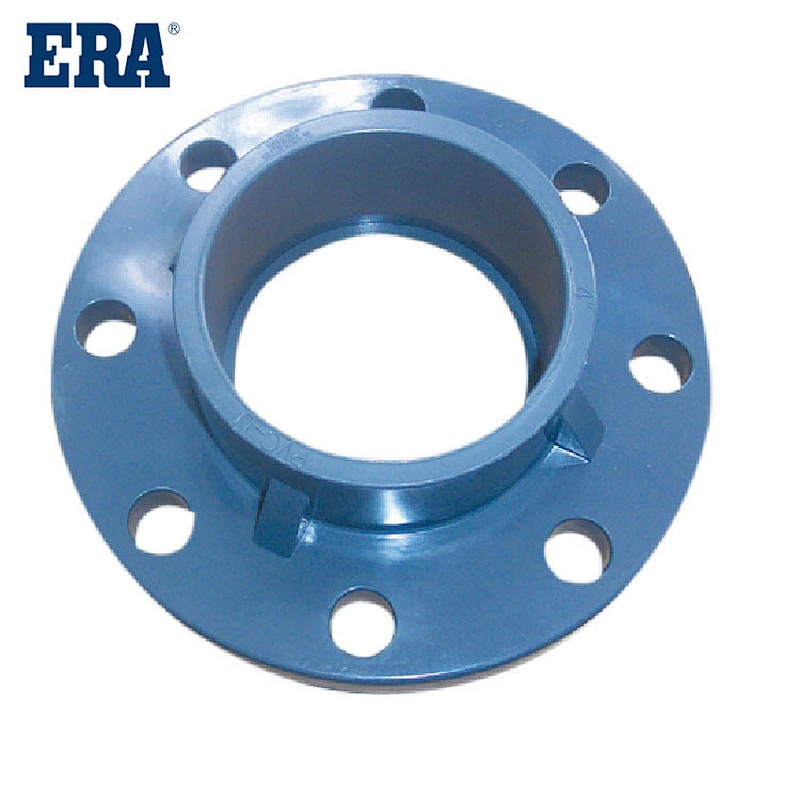
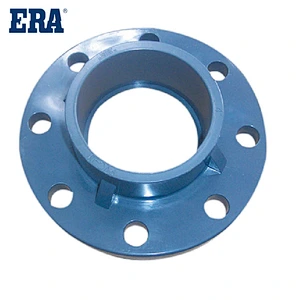
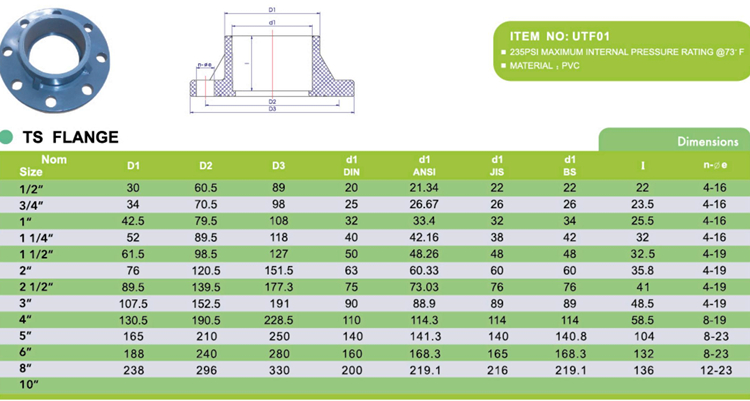
It is a disc-shaped component used for connecting pipelines, equipment, or valves, which is sealed and fixed by bolts and gaskets. Common types include flat welding flanges, butt welding flanges, socket welding flanges, threaded flanges, loose fitting flanges, etc.
Blind plate:
Blind flange is a special type of flange without through holes, also known as flange cover/blind flange/blind flange or head flange, mainly used to seal pipeline ends or equipment interfaces. Its function is similar to that of the head and pipe cap, but the blind flange adopts flange connection, which is detachable and suitable for situations that require subsequent maintenance or expansion; The head and pipe cap are generally welded and non removable, usually used for permanent sealing.
2、 Difference in usage
● Flanges:
A flange is a type of pipeline connecting component mainly used to connect pipelines, valves, or equipment, allowing the medium to pass through the hollow center, ensuring the flow of the pipeline system, and providing disassembly through bolt fixation. It is widely used in system operation, expansion, or maintenance scenarios.
Blind plate:
Blind flange is a solid sealing component used to seal the end of a pipeline or isolate a pipeline section, preventing the flow of medium. It can be permanently sealed by welding or temporarily disassembled in the form of a blind flange. It is commonly used in situations such as pipeline shutdown, maintenance, or pressure testing.
3、 Structural differences
● Flanges:
A flange is a disc-shaped component with a central through-hole that matches the inner diameter of the pipeline. Multiple bolt holes are distributed at the edges for connecting pipelines or equipment with bolts. The surface often has sealing grooves to match gaskets, and its design emphasizes medium circulation and disassembly.
Blind plate:
The blind plate is a solid circular plate in structure, without a central through-hole. Ordinary blind flange edges are smooth and suitable for welding, while blind flange forms have bolt holes paired with flanges, usually thicker to withstand pressure, and their design focuses on sealing pipelines and blocking media.
4、 Differences in sealing performance
● Flanges:
The sealing performance of a flange depends on the gasket and bolt fastening between two flanges, aimed at preventing medium leakage from the connection to maintain pipeline flow. Its effect is affected by the gasket material, bolt fastening force, and sealing surface machining accuracy, and is suitable for dynamic connections but requires regular inspection and maintenance.
Blind plate:
Due to its closed structure, the sealing effect is usually better than that of ordinary flanges, and it is suitable for isolation of high pressure, high temperature or special media. The sealing performance of blind plates can be divided into two situations. For ordinary blind plates, highly reliable permanent sealing is achieved through welding, with almost no risk of leakage; For blind flanges, removable sealing is achieved through gaskets and bolts, and the sealing performance depends on subsequent maintenance.
6、 Difference in applicable pressure range
● Flanges:
The applicable pressure range of flanges usually follows standard grades (such as Class 150-2500, approximately 20-425 bar), suitable for low-pressure to high-pressure pipeline connection requirements, but their pressure resistance is limited by gaskets, bolts, and temperature, requiring high-grade design to ensure sealing and strength under high pressure.
Blind plate:
The applicable pressure range of blind flanges varies depending on the type. Welded blind flanges can range from a few bars to several hundred bars, and their pressure resistance depends on their thickness. They are suitable for medium and even ultra-high pressure sealing, while blind flanges are the same as ordinary flanges (20-425 bar), limited by bolts and gaskets. Temporary blind flanges are limited to low pressure (<10 bar).
7、 Difference between installation and maintenance
● Flanges:
The installation of flanges requires welding to the pipeline and connecting two flanges with bolts. Alignment and uniform fastening are required to ensure sealing. Regular inspection of gaskets, bolts, and flange surfaces is necessary for maintenance, as their detachable design is easy to operate and suitable for dynamic pipeline systems.
Blind plate:
Blind flange installation can be classified into welding permanent fixation, blind flange bolt connection, or temporary clamping according to the type. Welding is complex but maintenance free, and blind flanges require regular inspection of gaskets and bolts. Temporary blind flanges are simple but require minimal maintenance and are suitable for static closure requirements.
Finally, the two have one thing in common, which is the material. The materials for flanges and blind plates are basically the same. Common materials include carbon steel (Q235, 16Mn), stainless steel (304, 316L), alloy steel (Cr Mo series), plastics (PVC, PE, PP), etc. The specific choice depends on the characteristics of the medium and the usage environment.
Type inspection and commissioned inspection: dual track system for quality control of plastic water supply pipelines
In the plastic water supply pipeline industry, ensuring product quality meets national standards and user requirements is crucial. Type testing and Commissioned testing are the two most common quality verification methods in the production, sales, and use processes. Although they all involve sending products to professional institutions for testing, there are significant differences in purpose, nature, effectiveness, and execution methods, forming a"dual track system"in the industry's quality control system. A deep understanding of the difference between the two is crucial for pipeline production enterprises, purchasers, engineering supervisors, and even regulatory authorities.
1、 Type inspection:"comprehensive physical examination"and"birth permit"for product compliance
definition:
Type inspection refers to a comprehensive and systematic inspection and evaluation of representative samples of products based on all technical requirements of product standards (such as national mandatory standards GB/T 13663"Polyethylene (PE) Pipes for Water Supply", GB/T 10002.1"PVC-U Pipes for Water Supply", etc.). The core goal is to verify whether the design, formula, process, and final performance of the product can continuously and stably meet all the requirements of the product standards. The type inspection report is a legally binding document issued by an authoritative testing institution recognized by the state, which is a key proof that the product has compliance since birth.
Characteristic description:
Comprehensiveness and systematicity: These are the core characteristics of type testing. It is not aimed at any one or a few performance indicators, but covers all key performance indicators specified in the product standards, forming a complete"health examination package". This usually includes:
Physical properties: size (outer diameter, wall thickness, roundness), density, color, appearance, etc.
Mechanical properties: longitudinal shrinkage rate, tensile yield strength/elongation at break, hydraulic testing (short-term/long-term static hydraulic strength), resistance to slow crack growth (SCG), resistance to rapid crack propagation (RCP) (especially important for PE pipes), impact performance (such as hammer impact), ring stiffness/ring flexibility (for structural wall pipes).
Chemical/hygiene performance: raw material hygiene performance (in accordance with GB/T 17219 or relevant water related product hygiene specifications), oxidation induction time (OIT) (measuring resistance to thermal oxidative aging), carbon black content and dispersion (for black pipes), volatile matter content, etc.
Function/application performance: system applicability (such as joint performance of hot melt/electric melt connection), weather resistance (such as artificial climate aging test), etc. For example, for the type inspection of a PE100 grade water supply pipe, all applicable items in the GB/T 13663-2018 standard must be strictly tested, and none of them are indispensable.
Authority and Legal Effect: Type testing must be conducted by inspection agencies authorized/recognized by the national quality and technical supervision department, or by third-party laboratories accredited by authoritative organizations such as CNAS (China National Accreditation Service for Conformity Assessment). The test results and inspection reports issued by it have high credibility and legal effect, and are the mandatory basis for obtaining the following licenses or certifications:
The hygiene permit for drinking water hygiene and safety products ("water related permit")
Industrial product production license (such as specific pipeline products included in production license management)
Various product certifications (such as China Environmental Labeling, Water Conservation Certification, etc.)
Qualification for bidding for major engineering projects (such as municipal water supply pipelines)
Basis for responding to government quality supervision and spot checks
One time"and"nodal": Type inspection is not a daily behavior. It usually takes place at the following key nodes:
The new product development is completed and is ready for formal production.
When there are significant changes in product structure, formula, and key production processes that may affect the overall performance of the product.
The product standards on which it is based have undergone significant revisions or updates.
Periodic confirmation shall be conducted in accordance with regulatory or certification requirements (such as the PE pipe type inspection report, which is usually valid for 3 years and needs to be reconfirmed or partially confirmed after expiration or standard updates). Within the validity period, as long as the process and materials are stable, there is generally no need to repeat the process.
Mandatory: For products related to public safety, human health, and the environment, such as drinking water pipelines, type inspection is a mandatory"threshold"required by national regulations (such as the Product Quality Law and the Measures for the Supervision and Administration of Drinking Water Hygiene). Without passing the type inspection and holding a valid report, the product shall not be produced or sold. This is a mandatory requirement for market access.
2、 Commissioned Inspection: Customized"Special Inspection"and"Verification Certificate"as needed
definition:
Commissioned inspection refers to the activity of enterprises (manufacturers, sellers) or users (engineers, purchasers, supervisors) actively commissioning testing institutions with corresponding inspection capabilities and qualifications to conduct specified inspections on specific samples for specific purposes. Its core is to meet the specific and immediate needs of the client, rather than making the ultimate judgment on the overall compliance of the product.
Characteristic description:
Targeted and flexible: This is the most significant characteristic of commissioned testing. The testing items are completely freely selected and specified by the client according to their own needs, and the scope is extremely flexible:
It can be a single item test: for example, if the purchaser suspects that there is a problem with the raw materials of a certain batch of PE pipes, they only entrust the testing of"oxidation induction time (OIT)"to determine its ability to resist thermal oxidative aging; Alternatively, the engineering supervisor may conduct spot checks on the construction site and only require"appearance dimensions"and"short-term static hydraulic test (20 ℃, 1h, ring stress)".
It can be a combination of multiple items: for example, the exporter entrusts testing of the"tensile performance","hammer impact", and"hygiene performance"of the pipe material at the request of the customer.
It can also be a comprehensive test simulating type inspection (but even if the items are the same, their purpose and effectiveness are different from type inspection). The time and frequency of delegation are completely determined by the commissioning party and are not subject to fixed period restrictions.
Timeliness and Convenience: Due to the limited number of optional projects, the inspection cycle is relatively short, and results can generally be obtained within a few days to a week (excluding complex or time-consuming projects such as long-term static hydraulic tests). This is very advantageous for quickly responding to the market, resolving immediate questions, and handling disputes.
Limited results: The commissioned inspection report is only responsible for the batch/individual sample submitted for inspection. The test results can only reflect the performance of the pipe (or pipes) submitted for inspection in the items tested this time. It cannot represent the overall quality level of the product model, nor can it infer the condition of other untested items, nor does it have the effect of proving that the product meets all national standards. Its scope of application is strictly limited to the specific purposes of the client.
Voluntary: Commissioned testing is initiated entirely based on the principal's voluntary intention or contractual agreement. Laws and regulations generally do not impose mandatory requirements on commissioned inspections (unless specified in a specific contract to use commissioned inspections as the basis for acceptance). It is a commonly used tool in scenarios such as enterprise quality control, trade inspection, engineering acceptance, and quality dispute proof.
3、 Type inspection and commissioned inspection: panoramic perspective of core differences
In order to have a clearer understanding of the key differences between the two in the application of plastic water supply pipelines, the following in-depth comparison is made from multiple dimensions:
| Comparing dimensions | Type Testing | Commissioned Testing |
| 1. Core purpose | Verify the comprehensive compliance of product design/process and obtain a market access"pass". It is the cornerstone of research and development standardization, certification and licensing, and regulatory compliance. Pay attention to whether the product can meet the standards. | Meet the immediate needs of specific scenarios. Used for procurement verification, process monitoring, factory inspection, trade inspection, dispute arbitration, internal quality control, etc. How about following the sample"this time/these items". |
| 2. Execution subject | Mandatory requirement: It must be carried out by the national quality and technical supervision department or an authoritative third-party testing institution with specific qualifications (such as CMA, CNAS corresponding field accreditation) that is strictly authorized/recognized by it. | Relatively flexible: It can be carried out by third-party testing agencies with relevant testing capabilities and qualifications (usually requiring CMA). The selection range is wide, including national centers, international organizations (SGS, T Ü V), local laboratories, industry testing stations, etc. |
| 3. Scope of detection | Comprehensive coverage: All applicable tests must be strictly carried out in accordance with product standards (such as GB/T 13663, GB/T 10002.1), which is a"comprehensive physical examination". For example, PVC-U pipes must be tested for density, Vicat softening temperature, longitudinal shrinkage rate, dichloromethane immersion, drop hammer impact, hydraulic testing, hygiene performance, and all other standard requirements. | Highly flexible: completely specified by the client. It can be measured as a single item (such as measuring only the melt mass flow rate MFR of PE pipes), a combination of multiple items, or imitating the entire item (but with different properties). For example, only the"ring stiffness"of HDPE double wall corrugated pipes can be commissioned for testing. |
| 4. Mandatory | Partially mandatory: For products related to safety and health, such as drinking water pipes, it is a mandatory requirement by laws and regulations, and production and sales cannot be carried out without approval. It is a prerequisite for administrative licensing. | Completely voluntary: No mandatory legal requirements. Whether to proceed, when to proceed, and what items to inspect are all determined by the client based on their own needs or contractual agreements. |
| 5. Applicable objects/timing | For product models/designs: applied to key nodes such as new product finalization, major process changes, standard updates, and certification/license renewals. The focus is on the inherent properties of 'design finalized products'. | For specific samples submitted for inspection: applicable to sampling, factory inspection, incoming acceptance, on-site sampling, quality dispute proof, customer specific requirements and other scenarios during the production process. The focus is on the specific performance of this batch/piece of pipe material. |
| 6. Validity of Results | Widely authoritative: The report has legal effect and can be used for product certification, administrative licensing, market promotion (to prove compliance with national standards), responding to official spot checks, and bidding for major projects. The effectiveness covers this model of product (within the validity period and under the same process conditions). | Limited specificity: The report is only responsible for the submitted samples and the tested items. The effectiveness is limited to internal use by the commissioning party, acceptance as agreed in the contract, or as evidence for specific disputes. Cannot be used for product certification or licensing, and cannot claim that the product as a whole complies with national standards. |
| 7. Detection frequency | Low frequency, nodal: usually every few years (such as 3 years for PE water supply pipes), or during major changes in design/process/standards. Long cycle. | High frequency, on-demand: There is no fixed frequency, and it can be carried out at any time according to actual needs. Can be conducted frequently (such as testing the melting point of each batch of raw materials upon arrival at the factory, and sampling the size and appearance of each shift). Short cycle. |
| 8. Cost and time consumption | High cost, long cycle: Due to the large number of projects, high requirements (such as long-term static hydraulic testing taking thousands of hours), and strong institutional authority, the cost is usually high. The entire process often takes 1-3 months or even longer. | Flexible cost and short cycle: The cost depends on the number and complexity of the selected projects (with low individual costs). Regular project reports are issued quickly, usually within a few days to a week (excluding time-consuming projects). |
Summary and Key Points:
It can be vividly understood as:
Type inspection is the"birth certificate"and"comprehensive physical examination report"of a product: it proves that the pipeline of this"model"has the"genes"and"constitution"to meet all national safety, performance, and hygiene requirements from the beginning of its design and manufacturing capabilities. It is a mandatory passport to enter the market, and the cornerstone of the research and development phase and compliance certification.
Commissioned inspection is a"special inspection form"or"immediate inspection report"for a product: it is used to check the immediate performance of a specific"individual"or"batch"at a specific time point and in a specific aspect (which may be a key item or just one item). It is a flexible tool for production control, transaction acceptance, and problem investigation, with high efficiency and strong targeting.
In the full lifecycle management of plastic water supply pipelines:
Enterprises need to rely on type testing to obtain market access qualifications, prove the overall compliance of products, and support brand reputation.
In daily operations such as raw material storage, process control, finished product sampling, customer inspection, engineering acceptance, and quality traceability, commissioned inspection provides an efficient, flexible, and low-cost means of quality monitoring and verification.


 English