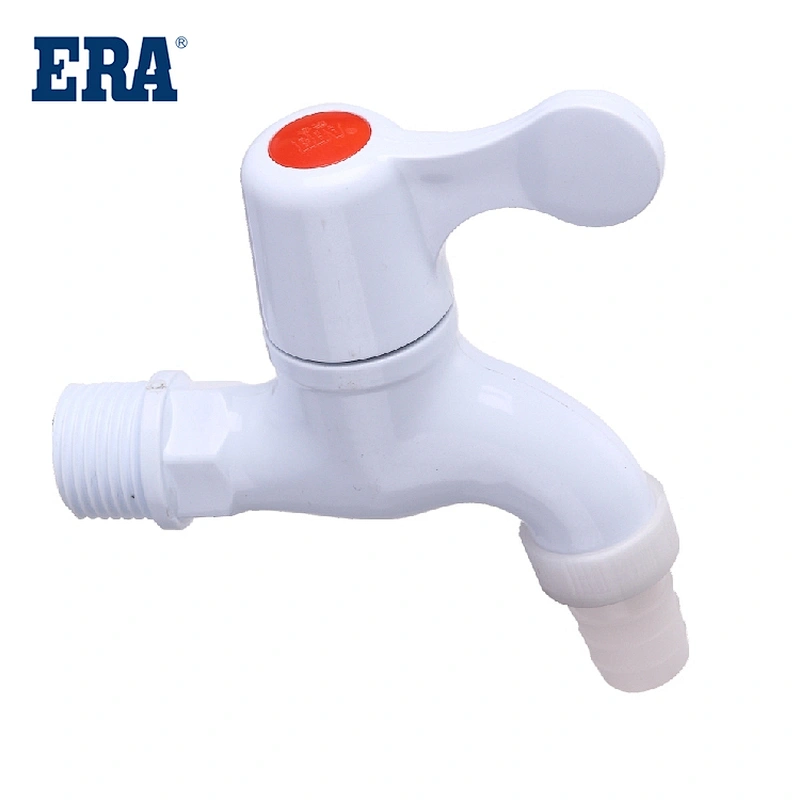
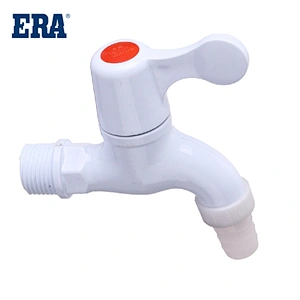
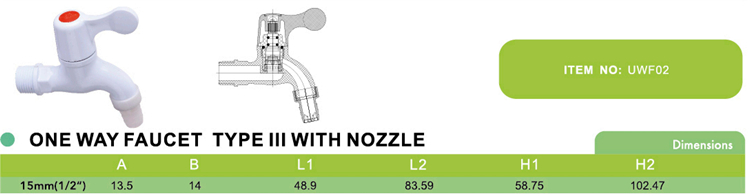
ERA Valves, One Way Faucet Type III With Nozzle , UWF02, PN10 (F1970), NSF-pw & UPC,Plastic taps Faucet,plastic faucet,PVC Tap One Way Faucet
Specification:
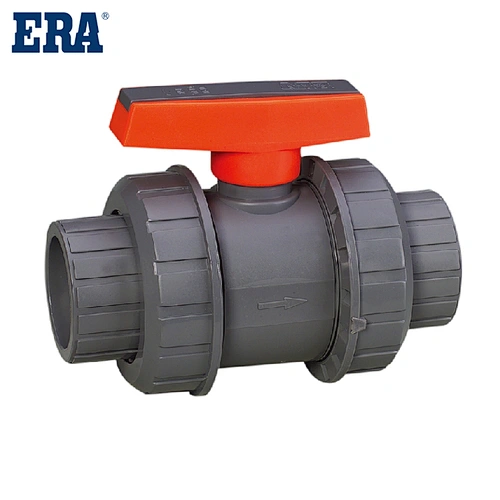
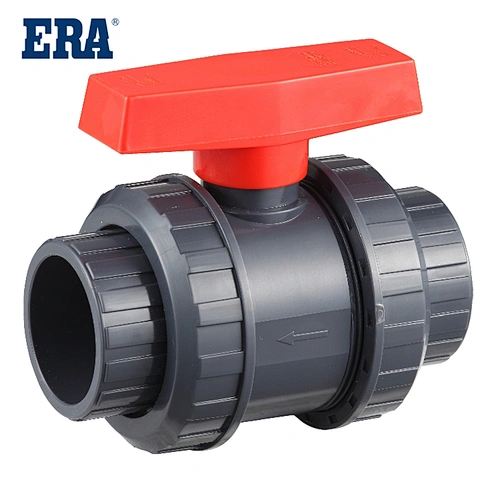
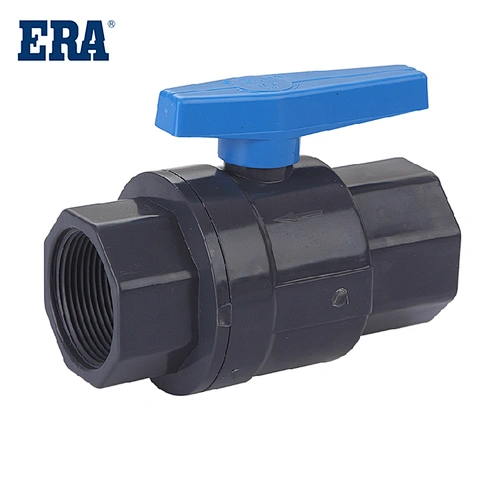
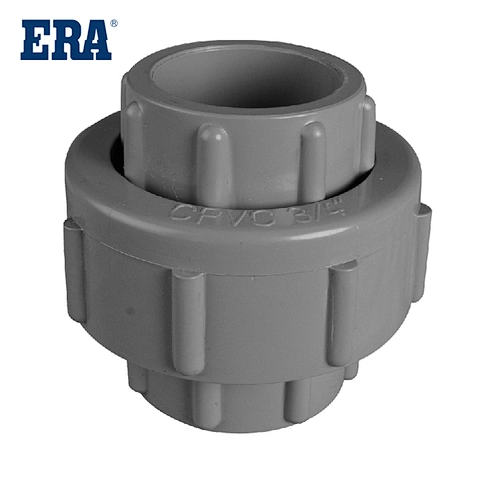
This allows you to repair or replace the carrier without completely disassembling the system, saving time and money.
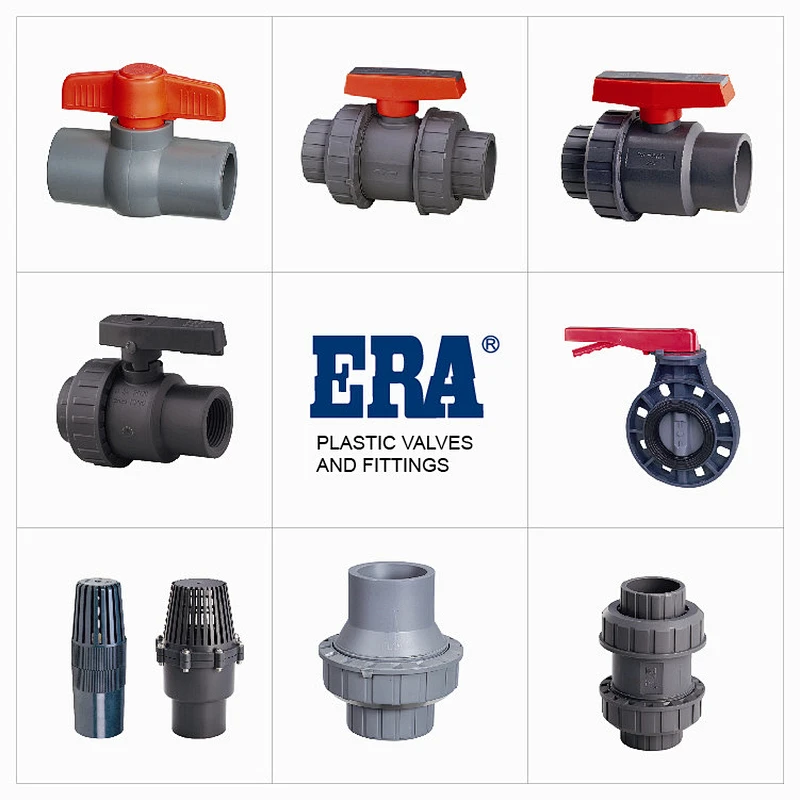
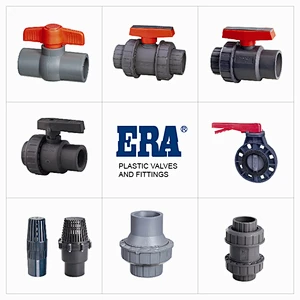
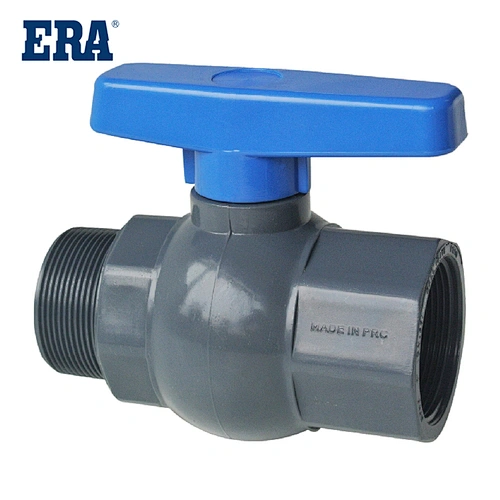
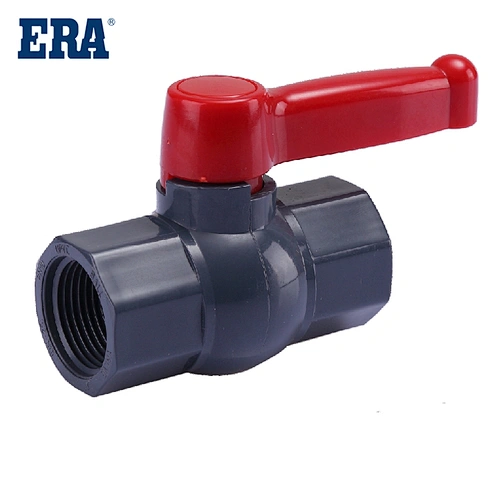
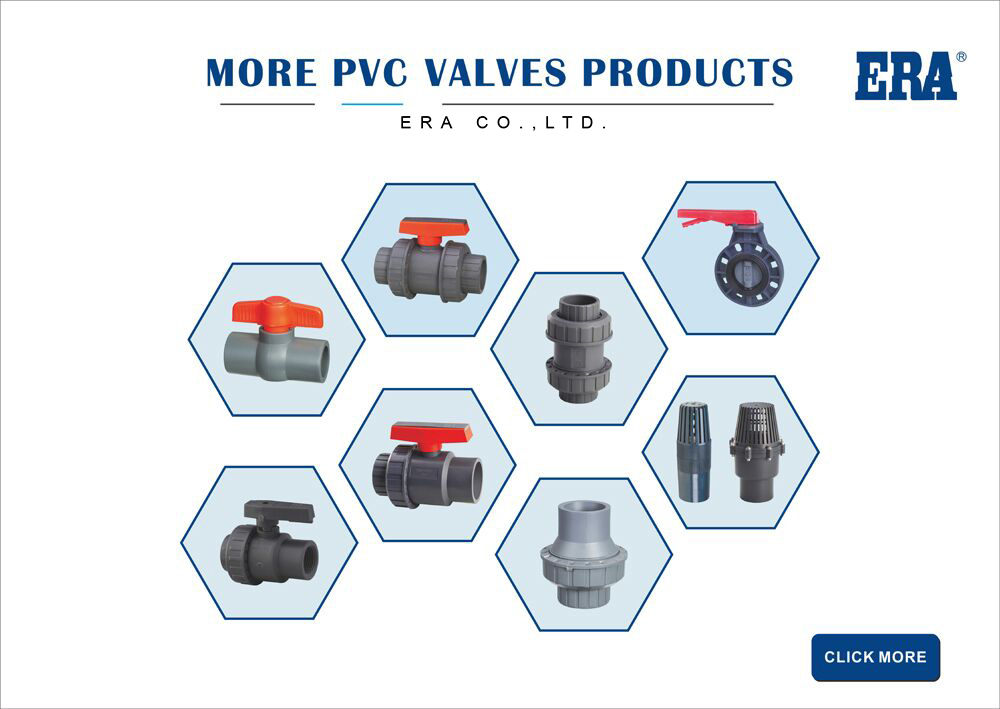
Our true union ball valves are made from durable dark gray PVC and have an easy-to-grip red handle that turns with minimal effort..
| Model Number | UWF02 | Material | PVC |
| Description | ONE WAY FAUCET TYPE III WITH NOZZLE | Standard | F1970 |
| Temperature | Max 82.2℃ /180℉ | Working Pressure | PN10 ,10Bar, 1.0Mpa |
| Size | 15MM | Certificate | NSF/UPC |
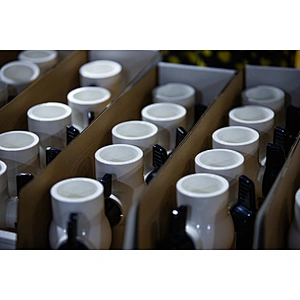
| Connection | Socket or Thread | Color | Light Grey |
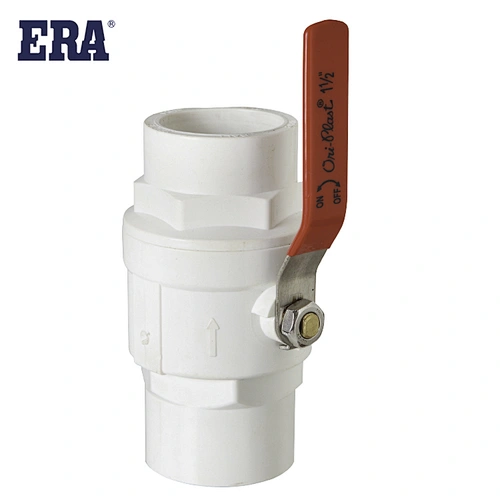
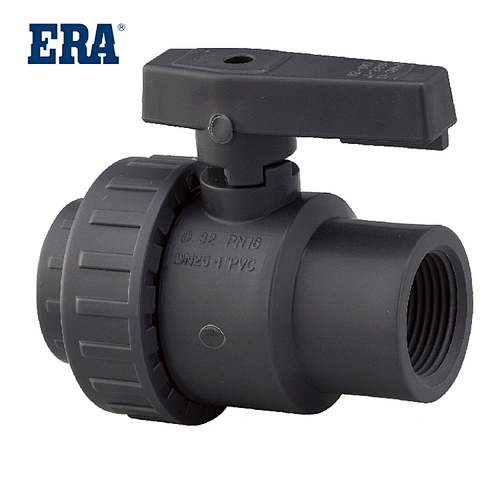
These valves are ideal for the following applications: water parks, fountains, aquariums, light-duty chemical and waste water.
Flanges are fittings that connect to pipes to allow the attachment of accessories and other items, stop the flow or increase the strength of the pipe.
Flangess are compatible with PVC piping system.
Applications include: general service, commercial plumbing, irrigation, swimming pools & water parks and aquariums.Main Products:
The history of faucets
The faucet first appeared in Istanbul in the 16th century, four to five hundred years earlier than Beijing. The original faucet was cast in bronze, but later cheaper brass was used. Some faucets are just simple and practical, while others are very decorative. The various shapes of faucets, such as snake and dragon shapes, ram head shapes, geometric shapes, or floral shapes, all reflect the architectural decoration style of that era. The faucets in the palace and other important buildings are mostly made of silver, silver alloy, or bronze plated with gold, and are finely carved. In the 18th and 19th centuries, faucets made for palaces and mansions placed greater emphasis on decoration, to the extent that they were used to attract guests and dominate, rendering their practical function inferior to that of decoration. It is not an exaggeration to say that they are handicrafts.
In today's palaces, on the streets, on the walls of water springs or outside mosques, various ancient style faucets can still be seen. However, only by visiting the Faucet Museum can one truly appreciate how the decorative value of a faucet surpasses its practicality. There are many faucets in a faucet museum, and their exquisite workmanship is unexpected. However, in order to facilitate maintenance, these faucets were originally designed to be easy to disassemble, which caused the faucet to scatter. Many existing faucets are now difficult to determine what kind of building they originally belonged to. We can only guess whether it belongs to the wealthy families of the court or the ordinary people's families on the streets
In the 21st century, the consumer market has undergone tremendous changes, and material abundance has given rise to a global trend of landscape lifestyle. Many consumers have begun to have their own unique understanding and rights to the taste of life. They hold high the banner of exquisite living, materialism, cultural taste, personality, and self, creating their own perfect living space. In the past, many families purchased faucets, Simply believe that As home decoration styles become increasingly apparent, bathroom spaces are also showcasing individuality. In order to create personalized bathroom spaces, from faucets, washbasins, shower equipment to bathroom accessories, unique designs showcase individuality and extraordinary taste everywhere. Classic art design breaks through conventional ways of thinking, treating faucets as a piece of art to combine and use, bringing a touch of charm to bathroom spaces Cultural atmosphere. Under this new concept of consumption, art faucets provide users with both taste and aesthetic value. Art faucets add a sense of humanized design, segment customer groups, and pay attention to the actual needs of different age groups. For example, the shape of a"dragon"gives people a sense of auspiciousness, making it popular among middle-aged and elderly people. Children have also become the target customers of bathrooms, They have completely different needs and demands from adults. Based on the special needs of children, they meet their emotional needs and design cartoon style concepts such as little white rabbits and mice, which are deeply loved by children. Characters and plants are also loved by female friends. Thus obtaining broad prospects for the consumer market.
Description of the advantages of plastic ball valves:
The main features of plastic ball valves are compact structure, reliable sealing, simple structure, and easy maintenance. The sealing surface and spherical surface are always in a closed state and are not easily eroded by the medium. They are easy to operate and maintain. They are suitable for general applications such as water, solvents, acids, and natural gas. Working medium, it is also suitable for media with harsh working conditions, such as oxygen, hydrogen peroxide, ethylene, etc., and is widely used in various industries.
The faucet in daily life:
The faucet is an indispensable part of our daily life, providing great convenience for us. Its applications can be found everywhere from homes to public places, not only providing us with clean drinking water but also bringing comfort and convenience to our daily lives. This article will explore the applications and importance of faucets in our lives.
Firstly, the application of faucets in homes is the most extensive. Kitchens, bathrooms, balconies, and other places in homes all need to install faucets. The kitchen faucet provides us with the water source needed for cooking, making it easy for us to wash vegetables, dishes, and boil water. Bathroom faucets provide us with functions such as washing hands, face, and taking a bath, making our lives more hygienic and healthy. In addition, the faucet on the balcony can be used for watering flowers and washing cars, adding a lot of fun to our lives.
Secondly, the application of faucets in public places is also very important. For example, schools, hospitals, office buildings, and other places need to install faucets. In schools, faucets provide students with the convenience of drinking water and washing hands, which is conducive to ensuring students' physical health. In hospitals, faucets provide medical staff and patients with a clean water source, helping to prevent the spread of diseases. In office buildings, faucets provide employees with the convenience of drinking water and washing hands, which is conducive to improving work efficiency and employee health levels.
In addition, faucets also have extensive applications in agriculture and industry. In the field of agriculture, faucets can provide irrigation water for farmland, improving crop yield and quality. In the industrial field, faucets can provide cooling water for production lines, ensuring the normal operation of production equipment. These applications fully reflect the importance of faucets in modern society.
However, with the increasing scarcity of water resources, water conservation has become a global issue. Therefore, how to save water and make rational use of water resources has become a problem we need to pay attention to. In this regard, water-saving faucets came into being. Water-saving faucets can effectively reduce water waste and improve the utilization rate of water resources through advanced technology and design. For example, sensor faucets can automatically turn on water when users need it and automatically turn off when not in use, avoiding waste caused by forgetting to turn off the water. In addition, flow restrictors can also be installed on faucets to reduce the flow rate of water and achieve the purpose of saving water.
The steps for installing a faucet are as follows:
1. Turn off the water source: Before starting the installation, make sure to close the main water valve in your home to prevent water from continuously flowing out during the installation process.
2. Prepare tools and materials: You will need the following tools and materials: faucet, wrench, rubber gasket, screwdriver, sealant, Teflon tape, etc.
3. Remove the old faucet: First, use a wrench to unscrew the connection of the old faucet's water supply pipe. Then, unscrew the old faucet from the sink. If the faucet is difficult to remove, you can gently scrape off any rust or wax on its surface with a blade to get a better grip.
4. Clean the sink: Before installing the new faucet, make sure the sink surface is clean and free of oil stains. If necessary, you can use a mild detergent and a soft cloth to wipe it down.
5. Install the faucet: Place the new faucet on the sink, aligning it with the mounting hole on the sink. Then, place the rubber gasket in the installation groove at the bottom of the faucet. Next, secure the faucet to the sink using your hands or a screwdriver. Make sure the faucet is firmly installed in place.
6. Connect the water supply pipe: Insert the water supply pipe into the bottom of the new faucet and tighten it with a wrench. Apply some sealant at the connection point to prevent leaks.
7. Check for leaks: Open the main water valve and let water flow through the new faucet. Observe for any leaks. If there is a leak, immediately shut off the water source, recheck the connection for tightness, or replace the rubber gasket.
8. Install handle and other accessories: If your new faucet comes with a handle or other accessories, follow the manufacturer's instructions for installation.
9. Clean up the work area: Finally, clean up the work area and put away your tools and materials. Your new faucet is now installed and ready for use.
If your faucet is broken, you can try the following methods forIf your faucet is broken, you can try the following methods for repair or to find help:
1. Turn off the water source: First, make sure to close the main water valve in your home to prevent water from continuously flowing out.
2. Check the problem: Observe the issue with the faucet and determine if it can be fixed by yourself. For example, if the nozzle or spout is clogged, you can try gently clearing the obstruction with a needle or other slender object. If the handle is loose or damaged, you can try tightening or replacing it.
3. Disassemble and clean: If the problem cannot be resolved by yourself, you may need to disassemble the faucet. First, use a wrench to unscrew the water supply pipe connection. Then, unscrew the faucet from the sink. If the faucet is difficult to remove, you can gently scrape off any rust or wax on its surface with a blade to get a better grip. After disassembly, rinse the inside of the faucet with water to remove impurities and sediment.
4. Seek help: If you are unsure how to fix the faucet or are concerned about potentially further damaging the device, you can seek professional help. Contact a local plumber, repair service, or home renovation company, inform them of your issue and location to get a quote and schedule a repair time.
5. Purchase a new faucet: If your faucet is severely damaged and cannot be repaired, you may need to purchase a new faucet to replace it. When purchasing a new faucet, make sure to choose one that is suitable for your sink size and type. You can buy a new faucet at a local home goods store, building materials market, or online shopping platform.
6. Install the new faucet: If you have purchased a new faucet and have some DIY skills, you can follow the installation steps mentioned earlier (step 5) to install it. If you are unsure of how to proceed, it is recommended to hire a professional to ensure proper installation and avoid issues such as leaks.
The faucet is an essential device in both households and commercial spaces, providing us with convenient access to water. Here are some reasons for purchasing a faucet:
1. Practicality: Faucets make it easy for us to obtain clean water for daily activities such as drinking, cooking, and washing. Without a faucet, we would need to get water from other sources (such as buckets or pipes), which would be very inconvenient.
2. Hygiene: Faucets ensure that the water we use is clean because they are directly connected to the water supply system. In addition, many modern faucets come equipped with filters that further purify the water.
3. Water conservation: Modern faucets often have water-saving features that reduce water wastage. This is beneficial for both households and the environment.
4. Aesthetics: The design and appearance of faucets can enhance the overall aesthetics of homes and commercial spaces. There are many styles and colors of faucets to choose from, catering to different aesthetic preferences.
5. Easy installation and maintenance: Most faucets can be easily installed on walls or countertops, and they are relatively simple to maintain. This can save time and money.
6. Safety: Faucet designs ensure that no leaks or other safety issues occur during use. In addition, some faucets are equipped with anti-scald features to prevent scalding accidents.
7. Durability: High-quality faucets typically have a longer lifespan, meaning you won't need to replace them frequently. This can save money on purchasing new faucets.
In summary, purchasing a faucet can bring many conveniences to our lives and improve our quality of life. When purchasing, be sure to choose a faucet that suits your needs and budget.
Our faucets are popular in various regions.
As a global market enterprise, our products have received widespread attention and praise worldwide. In particular, our faucet products have won the favor of consumers in different regions with their excellent quality, stylish design, and practical functions.
In the European market, our faucets are favored by consumers for their exquisite craftsmanship and environmental protection concept. In the Asian market, our faucets attract many consumers with their high cost-effectiveness and diverse styles. In the American market, our faucets win the trust and support of consumers with their innovative technology and humanized design.
These successful cases fully demonstrate that our products have high competitiveness and market potential. To further expand the global market, we will continue to increase investment in research and development, continuously optimize product design and production processes, and meet the needs of consumers in different regions. At the same time, we will also strengthen communication and cooperation with partners around the world to jointly promote the development of the global faucet market.
PVC faucet handles are popular for several reasons:
1. Corrosion resistance: PVC material has good acid and alkali corrosion resistance, which can resist the erosion of common chemicals in daily life, making the service life of the faucet handle longer.
2. Low price: Compared with faucet handles made of other materials, PVC faucet handles are more affordable, reducing the purchase cost for consumers.
3. Easy installation: PVC faucet handles are lightweight, and do not require complex tools or skills to install during use. Consumers can install them themselves, saving installation costs.
4. Wide variety of styles: PVC faucet handles come in a variety of colors, shapes, and styles, meeting the aesthetic needs and decorating styles of different consumers.
5. Simple maintenance: The surface of PVC faucet handles is smooth and not easy to accumulate dirt, making cleaning very convenient. At the same time, PVC material is not easy to age, and there is basically no need for maintenance during use.
6. Environmental performance: PVC material is a recyclable material with little impact on the environment. In the production process, the energy consumption of PVC faucet handles is also relatively low, in line with the modern home's concept of green environmental protection.
The types and functions of faucets
1. Cold water faucet. Installed on the tap water pipeline for draining water.
According to the different materials of the valve body, cold water faucets can be divided into copper faucets, malleable faucets, and gray cast faucets. Some faucets, although made of the above three materials, have problems with their content and production process, and are prone to bursting and damage during installation.
The structure of cold water faucets is mostly screw lifting, that is, by rotating the handle, the screw is lifted and the water is discharged or closed. It mainly relies on the rubber pad at the top of the screw to play a sealing role. Its advantage is that it is relatively cheap, but has a short service life. Once it leaks, simply replace the following rubber pads.
2. Basin faucet. It is installed on the washbasin and used to store cold water, hot water, or mixed cold and hot water. Its structure includes: screw lifting type, metal ball valve type, ceramic valve core type, etc. The valve body is made of brass, with chrome plating, gold plating, and various colors of metal baking paint on the surface. It has a variety of shapes, and the handle is available in single handle and double handle styles. Some basin faucets are equipped with a drainage lever, which can directly open the drainage port of the basin to discharge sewage.
3. Bathtub faucet. It is installed above the edge of the bathtub, with a mixture of hot and cold water open.
The type that can connect two pipes, hot and cold, is called a double connection; In addition to connecting two pipes for hot and cold water, there is also a triple type valve with a shower nozzle device connected to the valve body. The structures for opening and closing water flow include spiral lifting type, metal ball valve type, ceramic valve core type, etc.
At present, there are more ceramic valve core single handle bathtub faucets on the market. It adopts a single handle to adjust the water temperature, making it convenient to use; The ceramic valve core makes the faucet more durable and leak proof. The valve body of the bathtub faucet is mostly made of brass, with chrome plating, gold plating, and various metal baking paints on the surface.
4. Shower faucet. It is installed above the shower room and is used to open up mixed cold and hot water.
The valve body is also mostly made of brass, with chrome plating, gold plating, etc. on the surface. The methods of opening and closing water flow include screw lifting, ceramic valve core, etc. There are many types and styles of faucets, so when purchasing, it is important to consider matching them with sanitary ware. Different brands of sanitary ware have different requirements for the size of faucets.
There are two types of basin faucets: upper basin and lower basin; There are two types of kitchen faucets: single hole straight installation and wall mounted installation, while shower faucets can be divided into hose showerheads and wall mounted showerheads; Special functions include thermostatic faucets, faucets with water filtration devices, and faucets with pull-out hoses, all of which have different installation requirements. For example, if the faucet of a basin has a single hole, it can be installed with a single handle faucet; There are three holes, with the most commonly seen ones spaced 4 inches apart, and some spaced 8 inches apart. Single or double handle faucets can be installed, so it is best to buy sanitary ware first and then match the faucet.
FAQ:
1.What is your MOQ?
Our MOQ is usually 5 CTNS.
2.What is your delievery time?
The time of delievery is around 30-45days.
3.What is the shipping port?
We ship the goods via Ningbo or Shanghai port.
4.What is your payment terms?
We accept 30% T/T in advance,70% in the period of shipment or 100% L/C.
5.How should I contact you?
You can contact us with Trade Manager or send us an email by click Contact Supplier bottom.
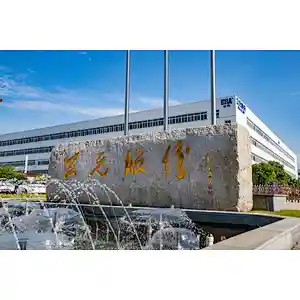
6.What is the location of your company?
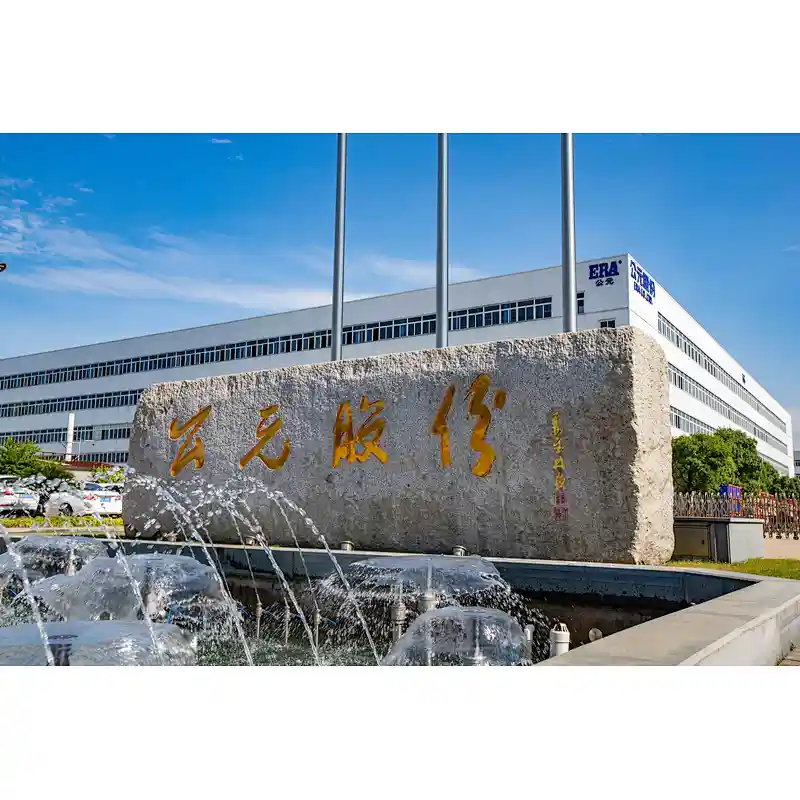
Our company is located in the Taizhou Zhejiang Province,China.
If you would like to have a visit, you are much welcome.
7.How about the samples?
We could send you the samples ,most samples are free to send to most places in China.If sent to other countries,transport fee shoule be paid by you.
8.Why choose us?
1 Genuine produces with excellent quality and competitive price.
2 Cooperating with the customers all over the world and knowing the markets very well.
3 ERA is a listed company. Everything can be rest assured working with us.
4 After- Services will be highly-satisfied. Any problems and feedbacks will be answered in a short of time.
Our Services:
1. Any inquiries will be replied within 24 hours
2. Professional manufacturer.
3. OEM is available.
4. High quality, standard designs, reasonable&competitive price, fast lead time.
5. Faster delivery: Sample will be prepared in 2-3days.
6. Shipping: We have strong cooperation with DHL, TNT, UPS, MSK, China Shipping, etc.
7. You can also choose your own shipping forwarder.


 English