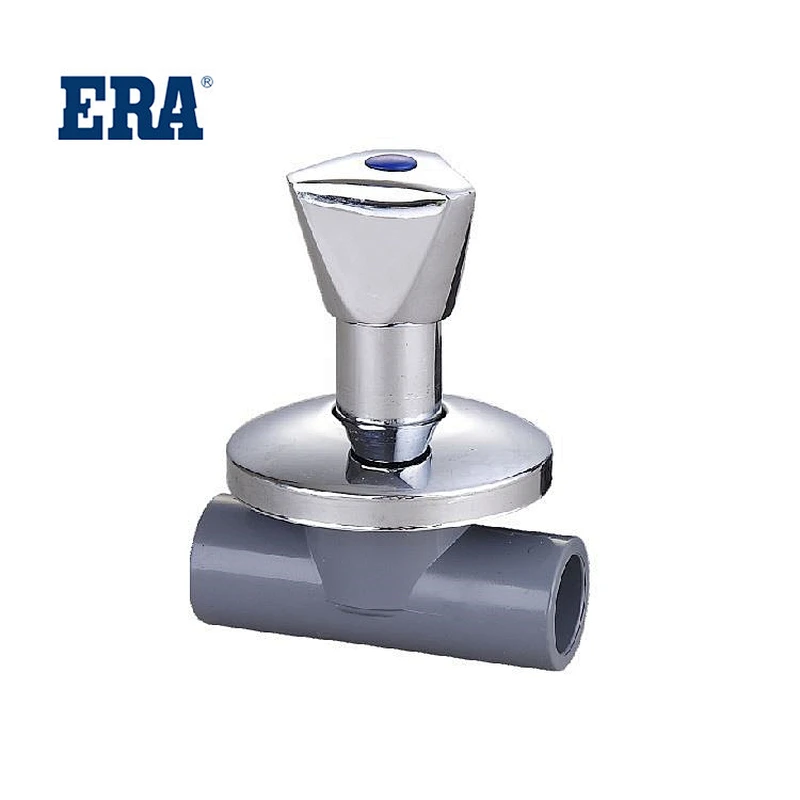
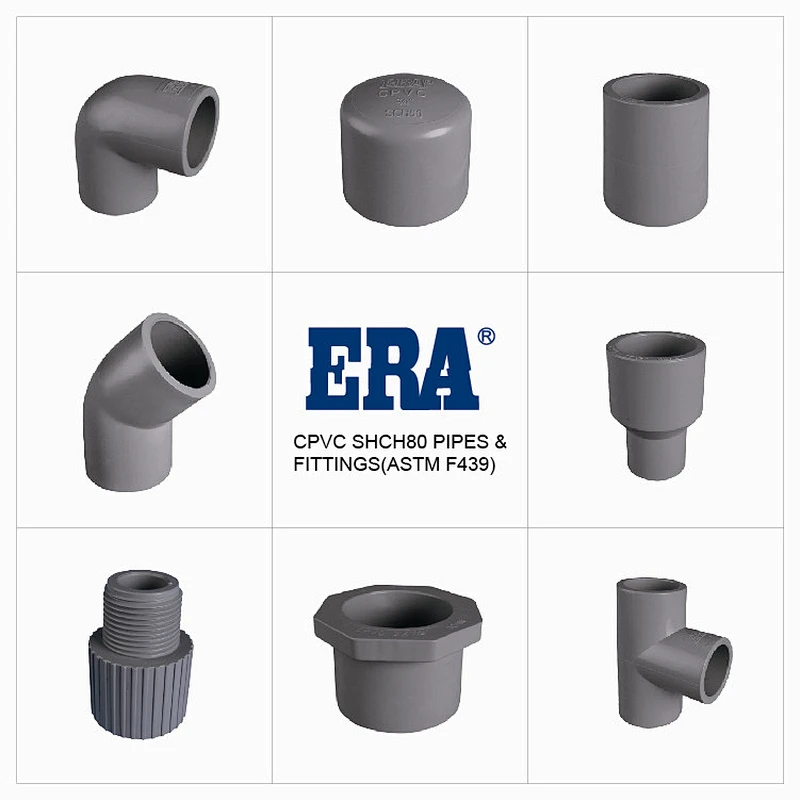
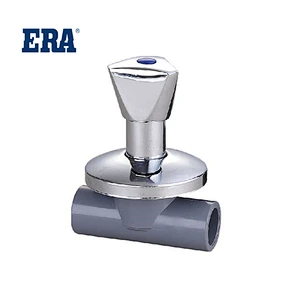
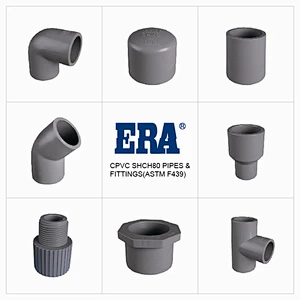
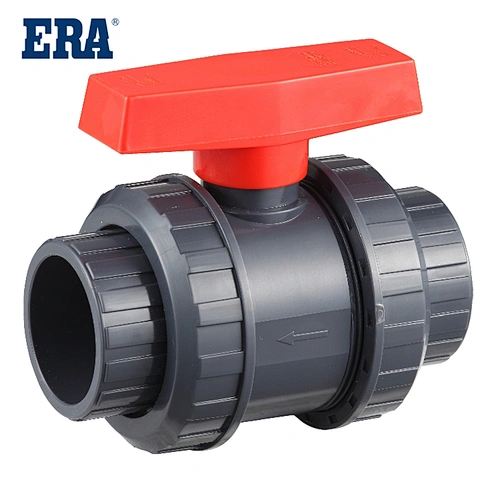
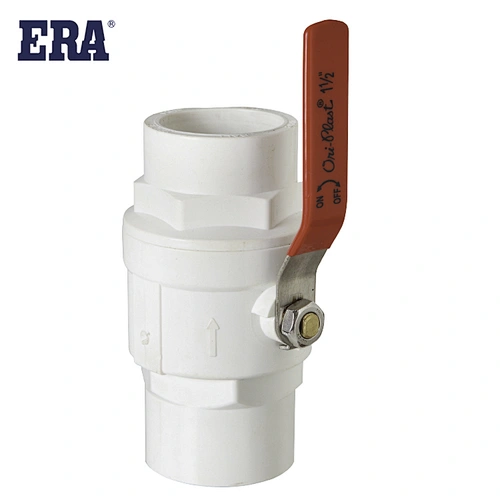
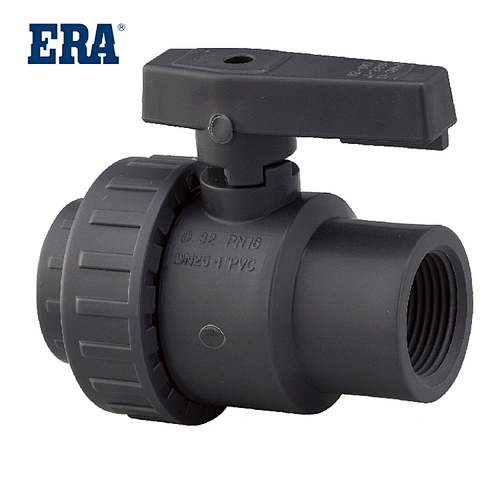
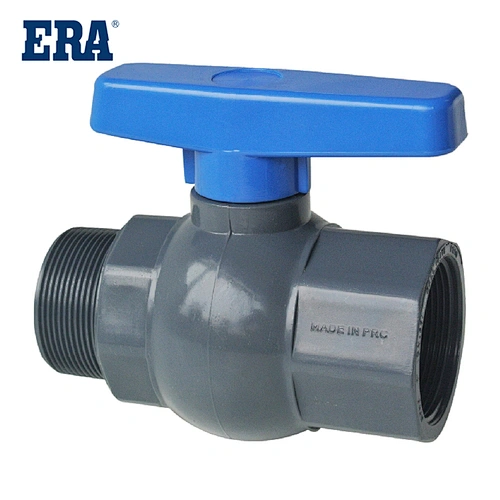
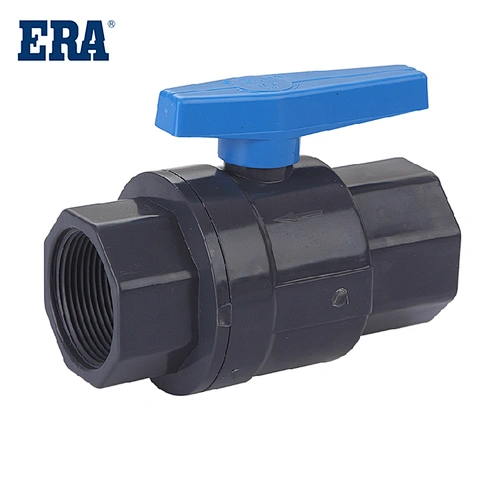
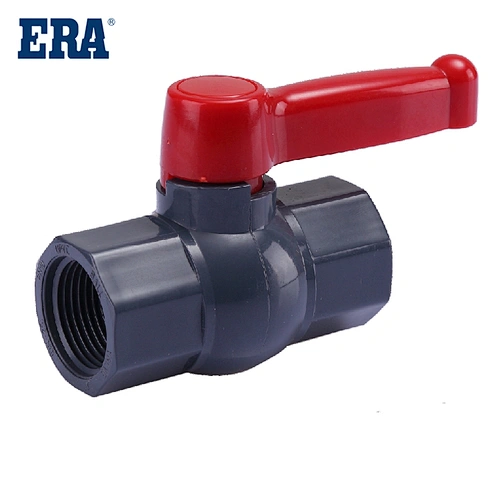
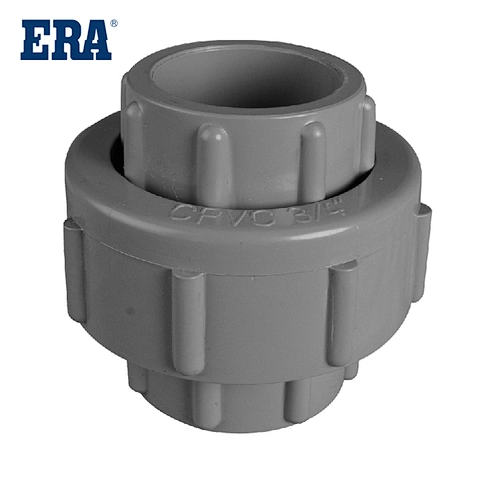
CPVC water supply pipe and fittings are a type of chlorinated polyvinyl chloride plastic pipe.
This material is mainly used to produce pipes for transporting hot water and corrosive media. CPVC can maintain sufficient strength in an environment of no more than 100℃, and can also be used for a long time under high internal pressure. The weight of CPVC is only one-sixth of brass and one-fifth of steel, so the pipes made of CPVC are lightweight and have good heat insulation performance, without the need for additional insulation treatment.
In addition, CPVC can also be used as hot sewage pipes in factories, electroplating solution pipes, hot chemical reagent conveying pipes, and wet chlorine gas conveying pipes in chlor-alkali plants. CPVC resin can also be used to manufacture pipe fittings for water supply pipes, filter materials, dehydrators, etc. It can even be used to produce electrical and electronic components such as wire trays, protective layers for conductors, electric switches, protective covers for fuses, and insulation materials for cables.
Since 2018, the application scope of CPVC has been expanded and it has begun to be applied to fire sprinkler systems. Due to its higher pressure and fire resistance performance than ordinary CPVC, it is clearly defined as PVC-C by regulations. In order to ensure safety and quality, the fire pipes made of this material need to pass the type approval of relevant state departments. It is worth mentioning that the PVC-C fire pipe produced by Shanghai Yuanzhou Pipe Industry is the first enterprise to pass the national fire type approval inspection.
In general, due to its unique physical and chemical properties, CPVC water supply pipe and fittings are widely used in many fields and provide a lightweight and efficient pipe solution.
The steps for installing CPVC water supply pipes are as follows:
1. Prepare tools and materials: You will need a cutter, a wrench, some sealant, and enough CPVC pipes and fittings.
2. Measure and cut the pipes: First, you need to determine the length of the pipes. Use the cutter to cut the CPVC pipe to the appropriate length. Remember to start cutting from the outside of the pipe to avoid damaging the inside of the pipe.
3. Clean the pipes and fittings: Before connecting the pipes and fittings, you need to make sure that their contact surfaces are clean. You can use sandpaper or wire brushes to clean these surfaces.
4. Apply sealant: Before connecting the pipes and fittings, you need to apply a layer of sealant on their contact surfaces. This will help prevent water leakage.
5. Connect the pipes and fittings: Insert one pipe into another pipe or fitting, then tighten it with a wrench. You should be able to feel a steady resistance, which indicates that the pipe has been securely connected.
6. Check the connection: Finally, you need to check if your connection is secure. You can do this by gently pulling on the pipe. If you find any looseness, you may need to reconnect the pipe or fitting.
7. Test the system: Once all the pipes have been connected, you can begin testing your system. You should check for any water leakage and ensure that all connections are secure.
8. Install valves and fittings: As needed, install valves and fittings on the pipes. These devices can facilitate future maintenance and inspections.
9. Conduct pressure testing: After connecting all pipes, conduct pressure testing to ensure that the system has no leaks. Turn on the water source and gradually increase the water pressure, observing whether there are any water droplets or pressure drops at each connection point.
10. Backfill: If the pipes are installed underground, after completing the test, cover the pipes with soil, being careful not to compact the pipes.
11. Clean up the site: Finally, clean up the work site to ensure that no tools or materials are left behind.
In the process of installing CPVC water supply pipes, there are some important precautions that need to be followed:
1. Avoid damage: Pay attention to prevent the pipes from being damaged during transportation and installation. During transportation, pipes should not be mixed with metal pipes, and they should also be avoided from falling or being dragged at will, especially in cold areas.
2. Material acceptance: The quality of construction materials directly affects the construction quality and potential hidden dangers caused by material quality problems in later use. Therefore, before installation, the water pipes should be carefully inspected to ensure that their inner and outer walls are smooth and flat, without bubbles, cracks, crevices, depressions, peeling, severe cold spots, and obvious traces.
3. Master information: Before construction, the name, specification, length, quantity, and location of pipes and accessories should be correctly mastered according to the drawings.
4. Follow regulations: When cutting and welding pipes, relevant regulations must be followed. For example, a special pipe cutter must be used for cutting pipes; when cutting pipes, the cut surface should form a right angle with the pipe axis.
5. Conduct pressure testing and cleaning: After completing the pipe installation, pressure testing and flushing should be carried out to ensure that the system is leak-free, and the site should be cleaned up to ensure that no tools or materials are left behind.
6. Avoid heat sources: CPVC pipes can deform at high temperatures, so avoid contact with heat sources during installation.
7. Use special tools: When connecting pipes and accessories, special wrenches or sockets should be used to prevent damage to pipes and accessories.
8. Pay attention to safety: Safety regulations must be followed during installation, such as wearing protective glasses, gloves, and other protective equipment to prevent accidents.
9. Check sealing: After connection is completed, check the sealing of all joints and valves to ensure that there is no leakage.
10. Keep clean: During installation, keep the work area clean to prevent dust and other impurities from entering the pipe system.
11. Regular maintenance: Although CPVC pipes have the advantages of corrosion resistance and wear resistance, regular maintenance and inspection are still needed to ensure their normal operation.
12. Avoid direct sunlight: Prolonged exposure to sunlight can cause damage to CPVC pipes, so try to avoid exposing pipes to sunlight during installation.
13. Do not use inappropriate solvents: When cleaning CPVC pipes, use clean water or special detergents instead of strong acids, strong alkalis, and other harmful solvents.
14. Pay attention to slope: When installing CPVC water supply pipes, pay attention to maintaining proper slope to ensure smooth water flow.
15. Prevent secondary pollution: During installation, avoid bringing pollutants into the pipe system, such as soil and garbage.
16. Comply with construction specifications: When installing CPVC water supply pipes, strict compliance with relevant construction specifications and standards should be followed to ensure construction quality.
17. Avoid excessive bending: Although CPVC pipes have certain flexibility, excessive bending may damage their structure and cause leakage. Therefore, try to avoid excessive bending of pipes during installation.
18. Use the correct connection method: There are various connection methods for CPVC pipes, including hot melt connection and solvent glue connection. The appropriate connection method should be selected according to the pipe specifications and construction conditions.
19. Pay attention to insulation of pipes: If CPVC water supply pipes need to cross low-temperature areas, insulation measures should be considered to prevent water in the pipes from freezing.
20. Install valves and filters: Install valves and filters at appropriate locations to facilitate future maintenance and repair and improve system safety.
When choosing better PVC pipes, the following factors should be considered:
1. Material quality: Choose high-quality PVC material to ensure that the pipes have good durability and corrosion resistance. You can check the product specifications or consult with sales personnel to learn more about the material details.
2. Thickness and diameter: Select the appropriate thickness and diameter of the pipes based on the required flow rate and pressure. Thicker pipes generally have better pressure performance, while thicker pipes are suitable for larger flow rates.
3. Connection method: PVC pipes usually come in various connection methods such as threaded connections, glue connections, welding, etc. Choose a connection method that suits your needs and ensures a secure and reliable connection.
4. Corrosion resistance: PVC pipes have good corrosion resistance, but different PVC materials may have varying levels of corrosion resistance. Choose PVC pipes with good corrosion resistance to ensure long-term stability.
5. Installation and maintenance: Choose PVC pipes that are easy to install and maintain to reduce installation and maintenance costs. You can refer to product specifications or consult with sales personnel to understand the installation and maintenance requirements of the pipes.
6. Price and brand: Compare prices and reputations of different brands and suppliers to choose PVC pipes with better value for money. You can refer to other users' reviews and recommendations to select reliable brands and suppliers.
CPVC resin is a new type of engineering plastics, which isCPVC resin is a new type of engineering plastics, which is made by chlorination modification of polyethylene (EPVC). It is mainly used for manufacturing pipes. CPVC pipes are used to transport hot water and corrosive media, and can maintain sufficient strength at temperatures below 100℃. They can also be used for a long time under high internal pressure. The weight of CPVC is only 1/6 of brass and 1/5 of steel, and it has extremely low thermal conductivity. Therefore, pipes made of CPVC are lightweight and have good heat insulation properties, so they do not need to be insulated. CPVC pipes can be used as hot sewage pipes in factories, electroplating solution pipes, hot chemical reagent conveying pipes, wet chlorine gas conveying pipes in chlor-alkali plants. In recent years, the development and application of CPVC have developed rapidly. In 1985, the world's CPVC resin production was only 30 thousand tons, in the early 1990s it was 50 thousand tons, and by 2000 its production capacity had reached 100 thousand tons, all of which were produced by aqueous suspension method. China's total CPVC production capacity exceeded 30 thousand tons per year in 2010. Compared with foreign CPVC industry, there are still large gaps in domestic enterprises, mainly reflected in the following aspects: (1) The scale of CPVC production facilities is small and the production cost is high, and the quality performance of products is not as good as that of foreign countries; (2) The research on CPVC formulation is not enough, and there are too few product grades, which restricts its application scope; (3) The promotion and application of CPVC is not enough. At present, CPVC is mainly used in the production of paints and coatings in China. In October 1999, the first CPVC pipe manufacturer was established. Many application fields still need further research and development, which is quite different from the promotion and application of foreign CPVC; (4) The amount of CPVC produced by solution method is too much, while the amount of CPVC produced by suspension method and gas-solid phase method is too little. As a new polymer material, CPVC has wide use temperature, light weight, good flame retardancy and corrosion resistance. Especially in recent years, it has been widely used in soda ash production facilities, with broad market prospects. Moreover, as a downstream product of ammonia-soda ash factory, CPVC can play a positive role in ammonia balance. The production of CPVC can make full use of the existing PVC production facilities, so CPVC is a product suitable for vigorous development of chlor-alkali enterprises. After years of development, the production and consumption of hard CPVC products in western developed countries have entered a mature stage with booming production and demand. The reasons why foreign CPVC products can enter and occupy the Chinese market are many, but the main reason is its unique performance, complete product matching, mature application technology, and better solution to the processing problems of CPVC. In foreign countries, CPVC is produced by PVC manufacturers, which has advantages in raw material matching development. Compared with developed countries, China's CPVC production and consumption have just entered the threshold of growth period. In recent years, there have been encouraging progress in the development of domestic CPVC. A lot of cooperation has been done in improving the preparation process, researching new stabilizers and processing formulas. Research on the impact performance, processing performance and thermal stability of CPVC has also made some progress. Domestic CPVC manufacturers should pay attention to strengthening communication and cooperation with PVC manufacturers, and strictly screen raw materials such as PVC resin. CPVC manufacturers should also cooperate closely with downstream hard product processing enterprises to strengthen follow-up development, increase research efforts on application, improve technical level of hard product processing, enrich formula varieties of hard products, improve product added value, create a broader application market. China's CPVC will usher in a prosperous period of research and development, production and application, and enter a fast lane of rapid development.
PVC-C pipeline installation
1. General regulations
1) On site construction technicians for pipelines should receive training before taking up their positions, and should master and understand the structure and structure of buildings, be familiar with the site situation, and cooperate with other types of work
Construction and technical requirements. On site operators should understand the general properties of CPVC materials, master construction techniques and safety measures.
Before the construction of pipeline installation engineering, the following conditions should be met:
a. Construction manpower, machinery, and other auxiliary materials can ensure normal construction;
b. Temporary facilities such as water, electricity, and material storage facilities on the construction site can meet the construction requirements;
3) Pipes and fittings should be handled with care and arranged neatly during transportation, loading and unloading, and handling. Do not be subjected to severe impact or sharp object collision, and do not throw, drop, roll, or drag. Attention should be paid to low-temperature brittleness during transportation and storage at low temperatures.
4) When the temperature difference between the site where pipes are stacked or stored and the construction site is significant, the pipes should be stacked for a certain period of time until the material temperature approaches the site conditions before installation.
5) When installing pipelines, the trademark, specifications, pressure rating, production date, and other markings on the surface of the pipeline should be placed in a position facing observation.
When the pipeline installation is completed or construction is interrupted, the open area of the pipeline should be promptly sealed.
7) Compatible fittings, adhesives, and related fittings should be used.
8) During pipeline installation, it is necessary to prevent paint, sealant, lubricating oil, flame retardant materials, etc. containing petroleum or solvents.
9) The adhesive should be specialized for chlorinated polyvinyl chloride (CPC) pipes, and have the product qualification certificate, shelf life, and user manual from the manufacturer.
(2) Pipeline connection
1) The connection between CPVC pipes and CPC fittings should use socket type adhesive connection. The connection between CPVC pipes and flange type pipes, valves, and fittings should use cP flanges to connect with flanges of other materials; The connection between PVC pipes and threaded pipes, valves, and fittings should use injection molded fittings with internal thread joints for threaded connections.
2) Adhesive connections should be operated at an ambient temperature of 4~38 ℃. Joint bonding should not be carried out in rain or water, and should be kept away from sources of fire to avoid direct sunlight.
3) The construction steps of adhesive connection should meet the following requirements:
a. The port should be cut flat and perpendicular to the axis of the pipe, using a fixed pipe box, hand saw, or pipe cutter.
b. Crushed particles and chamfers inside and outside the tube (10-15 degrees).
c. Dust, oil stains, and moisture inside and outside the pipe (moisture, dust, and oil stains can affect adhesive strength).
d. Measure the depth of the fitting socket using a measuring tool, and mark the measurement size at the pipe socket.
FAQ:
1.What is your MOQ?
Our MOQ is usually 5 CTNS.
2.What is your delievery time?
The time of delievery is around 30-45days.
3.What is the shipping port?
We ship the goods via Ningbo or Shanghai port.
4.What is your payment terms?
We accept 30% T/T in advance,70% in the period of shipment or 100% L/C.
5.How should I contact you?
You can contact us with Trade Manager or send us an email by click Contact Supplier bottom.
6.What is the location of your company?
Our company is located in the Taizhou Zhejiang Province,China.
If you would like to have a visit, you are much welcome.
7.How about the samples?
We could send you the samples ,most samples are free to send to most places in China.If sent to other countries,transport fee shoule be paid by you.
8.Why choose us?
1 Genuine produces with excellent quality and competitive price.
2 Cooperating with the customers all over the world and knowing the markets very well.
3 ERA is a listed company. Everything can be rest assured working with us.
4 After- Services will be highly-satisfied. Any problems and feedbacks will be answered in a short of time.
Our Services:
1. Any inquiries will be replied within 24 hours
2. Professional manufacturer.
3. OEM is available.
4. High quality, standard designs, reasonable&competitive price, fast lead time.
5. Faster delivery: Sample will be prepared in 2-3days.
6. Shipping: We have strong cooperation with DHL, TNT, UPS, MSK, China Shipping, etc.
7. You can also choose your own shipping forwarder.


 English