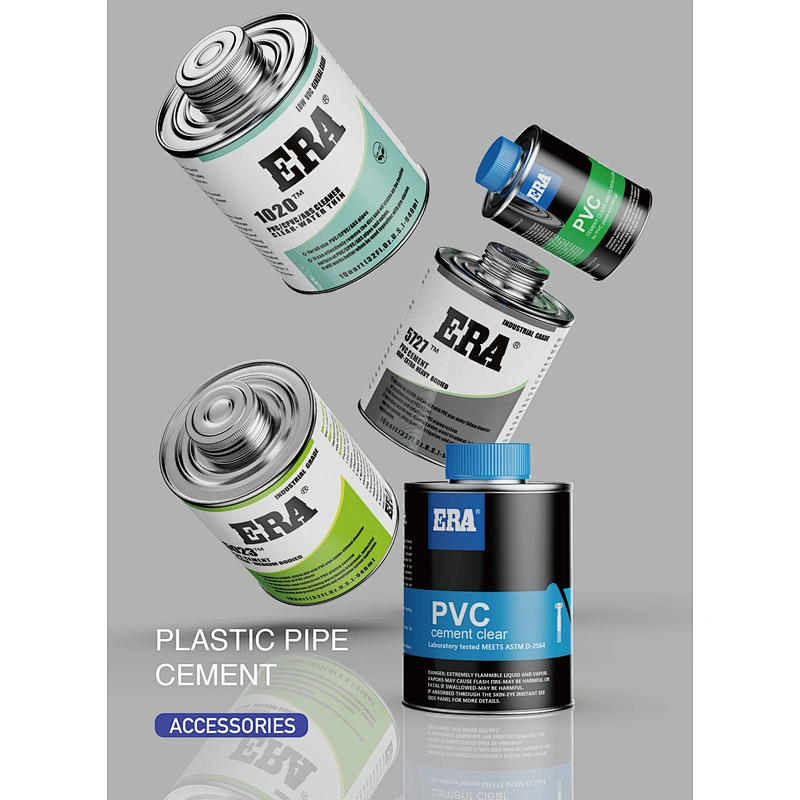
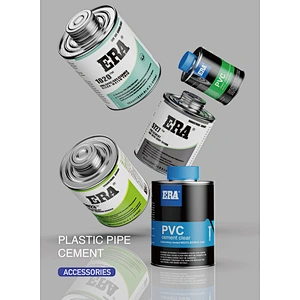
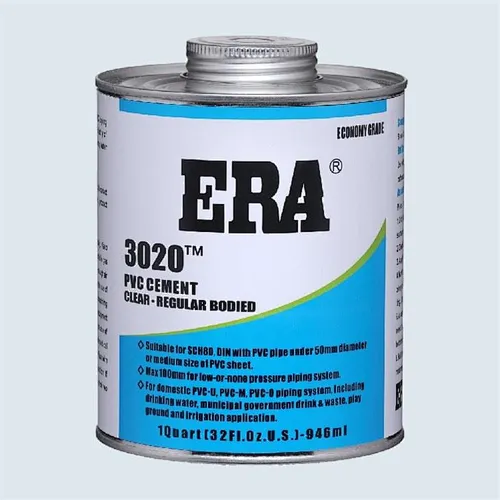
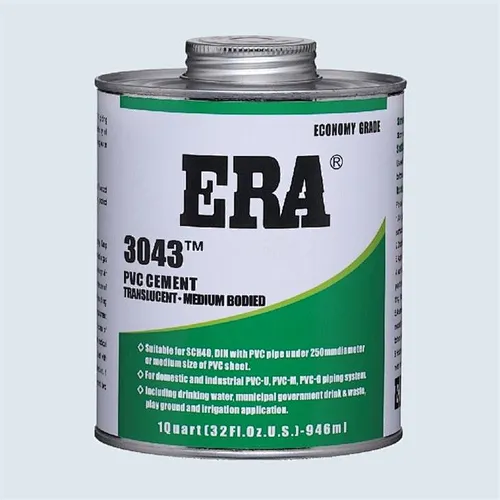
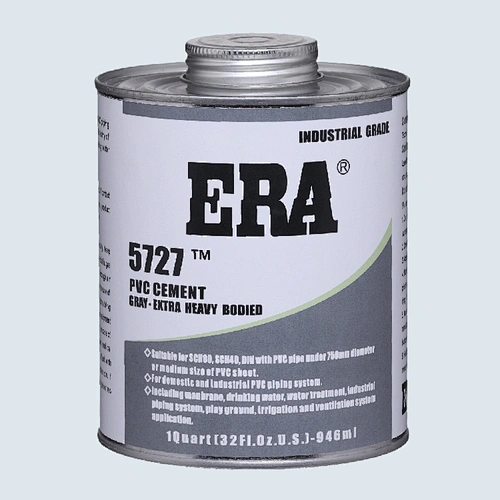
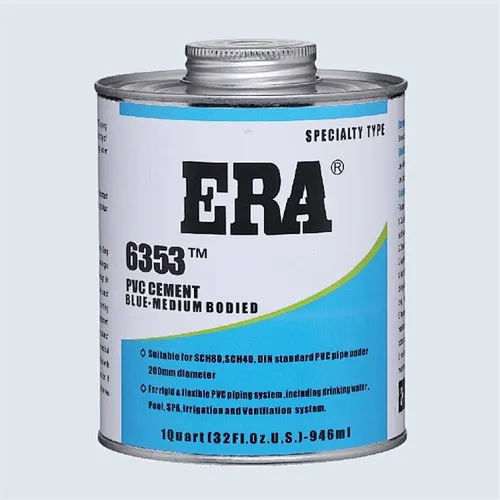
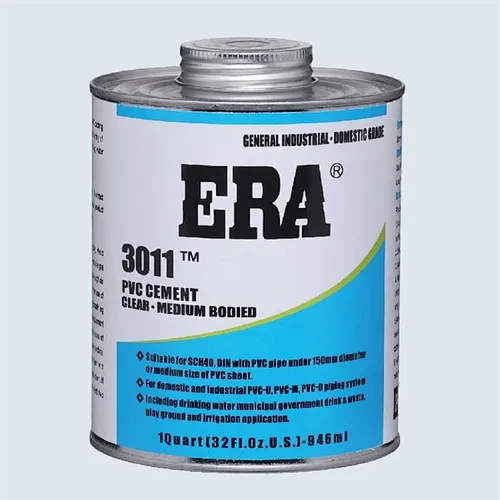
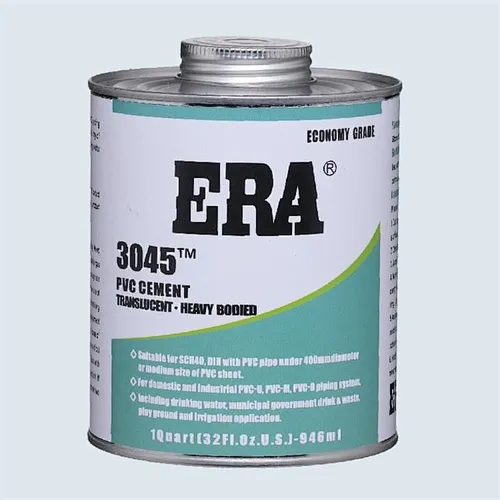
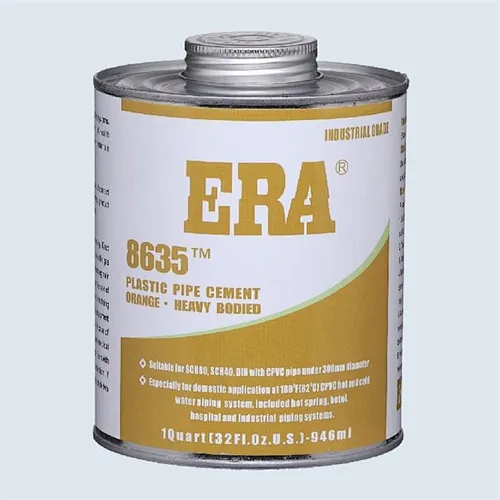
PLASTIC PIPE CEMENT ACCESSORIES GLUE
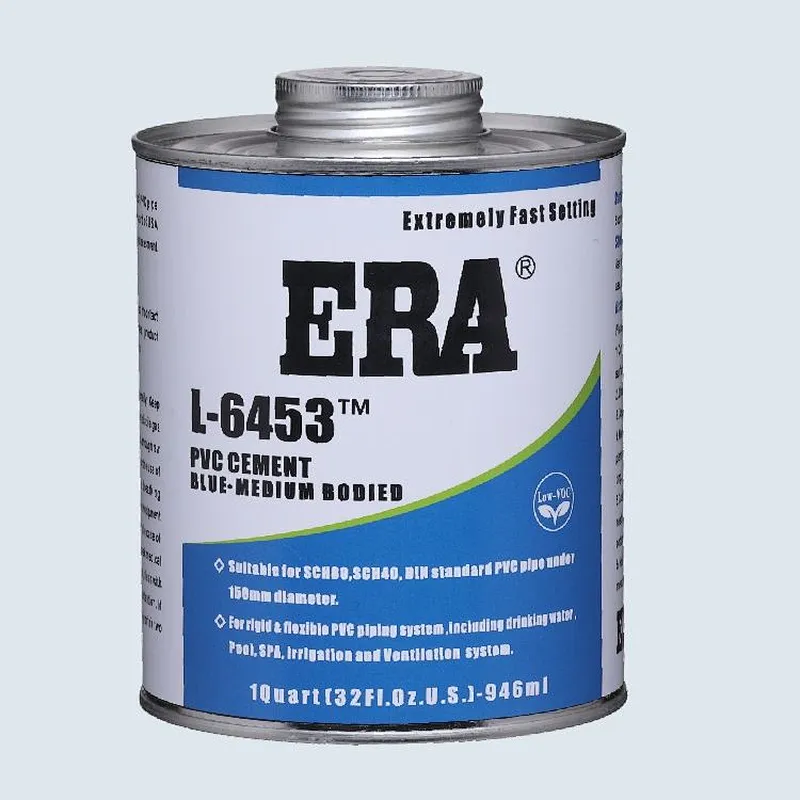
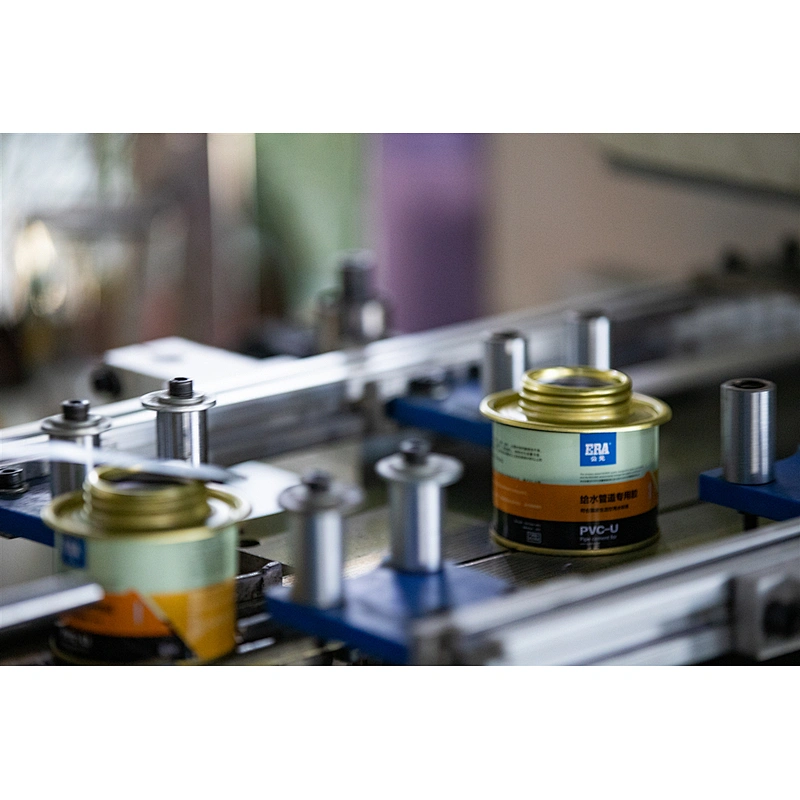
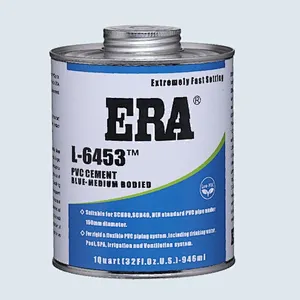
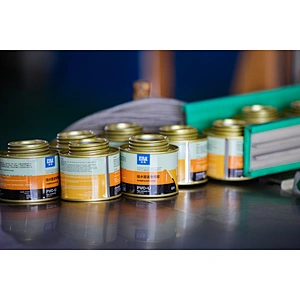
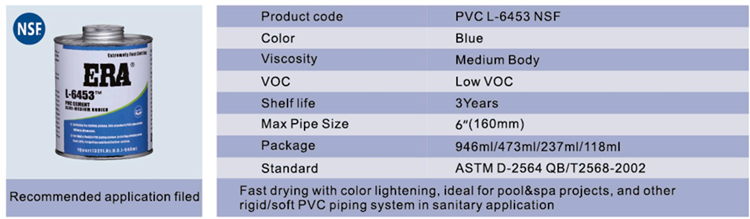
PVC Special Grade Glue PVC L-6453 NSF
System:
Pipe system
Specification:
Plastic cement is a kind of glue for pipe and fitting connections.
Referenced Standards:
NSE Standard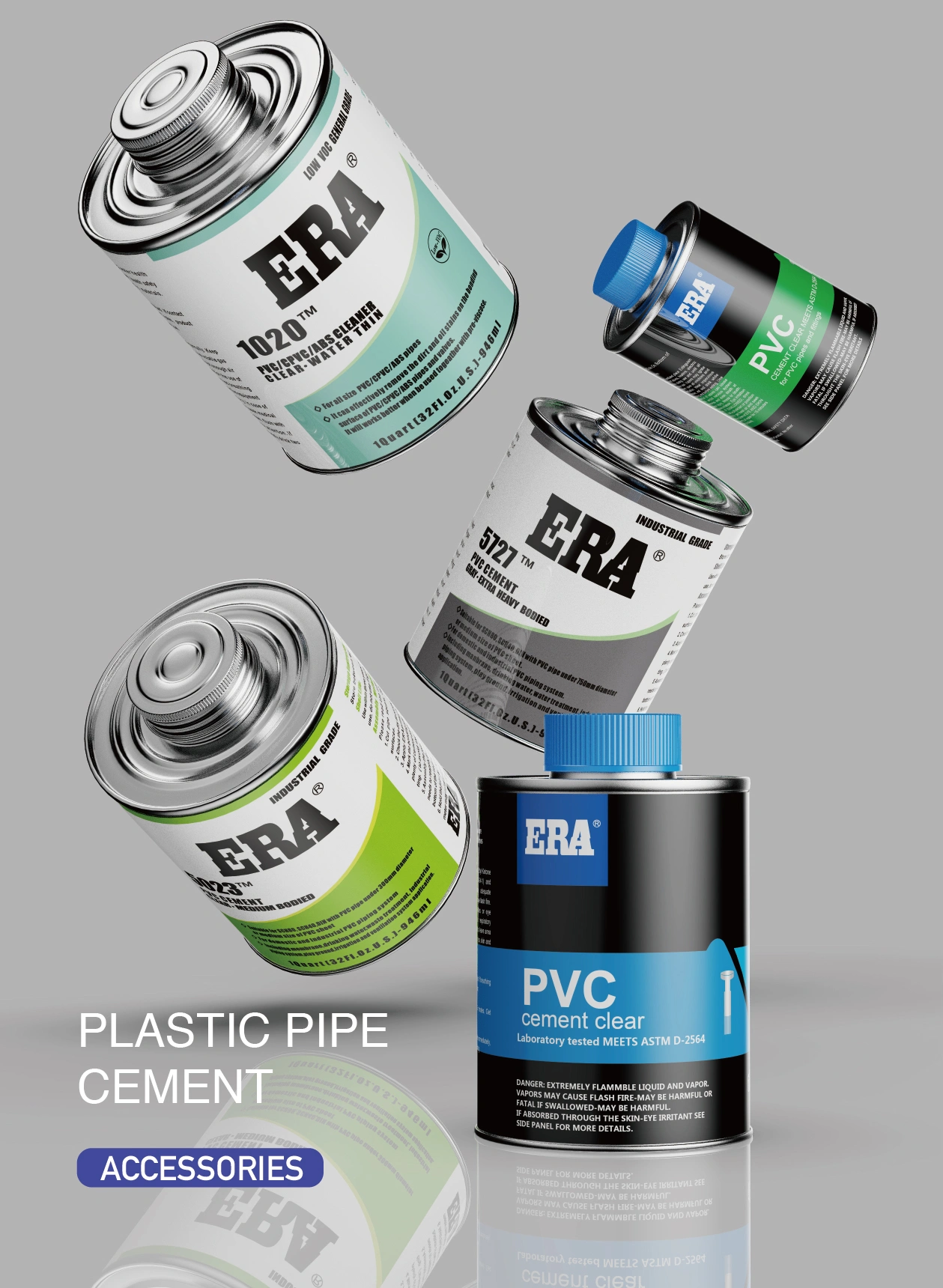
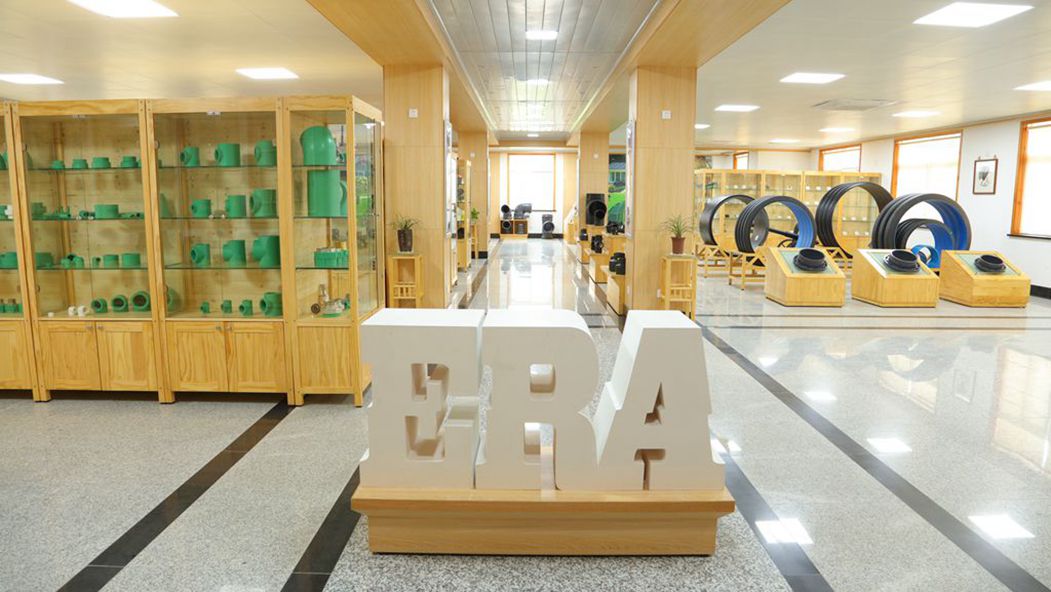
The adhesives used for plastic pipe fittings mainly include PVC adhesive, PPR adhesive, and PE adhesive. Here is a detailed introduction to these three types of adhesives:
PVC adhesive
PVC glue is a specialized adhesive used to bond PVC pipes and fittings, characterized by simple operation, high bonding strength, good sealing performance, cold and heat resistance, and strong resistance to media. PVC adhesive is suitable for bonding PVC pipes and fittings in construction, electrical conduit, agricultural irrigation, industrial sewage and other engineering projects.
PPR adhesive
PPR glue is a glue used to bond PPR pipes and fittings. PPR pipe is a non-toxic, hygienic, high temperature resistant, and recyclable pipe type, mainly used in indoor hot and cold water supply systems of buildings, and also widely used in heating systems. PPR glue needs to be used in conjunction with PPR pipes and fittings to ensure bonding effectiveness.
PE adhesive
PE glue is a glue used to bond PE pipes and fittings. PE pipes have the characteristics of corrosion resistance, non toxicity, and good flexibility, and are widely used in the field of water supply pipe manufacturing. PE glue is suitable for bonding PE pipes, especially when connecting pipes of different materials.
Precautions for use
Before using glue, it is necessary to ensure that the surface of the pipes and fittings is clean, dry, free of oil stains and dust.
Choose the appropriate type of adhesive based on the material of the pipes and fittings.
During the bonding process, follow the instructions for using the adhesive to ensure that the adhesive is evenly applied to the bonding surface.
After bonding, it is necessary to wait for a certain amount of time for the glue to solidify, and avoid applying external force to the bonding area during this period.
Operate in a well ventilated environment and avoid inhaling harmful gases.
Use personal protective equipment such as gloves, goggles, etc. to prevent glue from coming into contact with the skin and eyes
Choosing the appropriate adhesive is crucial for ensuring the bonding quality and long-term performance of plastic pipe fittings. The following are the factors to consider when choosing a suitable adhesive:
1. Material of pipes
Different plastic pipe materials require the use of different adhesives. For example:
PVC pipe: Use PVC special adhesive.
PPR pipe: Use PPR specific adhesive.
PE pipe: Use PE specific adhesive.
Ensure that the selected adhesive matches the material of the pipe to ensure the best bonding effect.
2. Application scenarios
Consider the application scenarios of pipes, such as indoor or outdoor, exposure to chemicals or high temperature environments, etc. Different application scenarios may require adhesives with different characteristics, such as chemical resistance, temperature resistance, etc.
3. Adhesive strength
Select adhesive with sufficient bonding strength according to the requirements of pipe use. High strength adhesive is suitable for pipeline systems that require significant pressure or heavy loads.
4. Curing time
Choose the appropriate curing time based on construction conditions and requirements. Fast curing glue is suitable for projects that require quick installation, while slow curing glue is suitable for situations that require more time to adjust the position.
5. Weather resistance
If the pipe will be exposed to outdoor environments, choose adhesives with good weather resistance to resist the effects of ultraviolet radiation, temperature changes, and humidity.
6. Environmental friendliness
Considering the environmental performance of glue, choose low toxicity or non-toxic glue to reduce the impact on the environment and human health.
7. Brand and Quality
Choose well-known brand adhesives to ensure product quality and after-sales service. Read product reviews and user feedback to understand the actual effectiveness of adhesive use.
8. Economy
Considering the price and usage cost of glue, choose products with high cost-effectiveness. Meanwhile, considering the long-term maintenance and replacement costs.
Usage suggestions
Before using glue, carefully read the product manual and follow the correct usage methods and safety guidelines. Conduct small-scale testing to ensure compatibility and bonding effectiveness between the adhesive and the pipe material.
The adhesive used for connecting plastic fittings and pipes is usually referred to as"solvent adhesive"or simply"plastic adhesive". Its main function is to fuse two pieces of plastic material together through chemical dissolution. Different types of plastics require the use of specific solvent adhesives to ensure optimal bonding performance. Here are several common types of plastic pipes and their corresponding adhesive types:
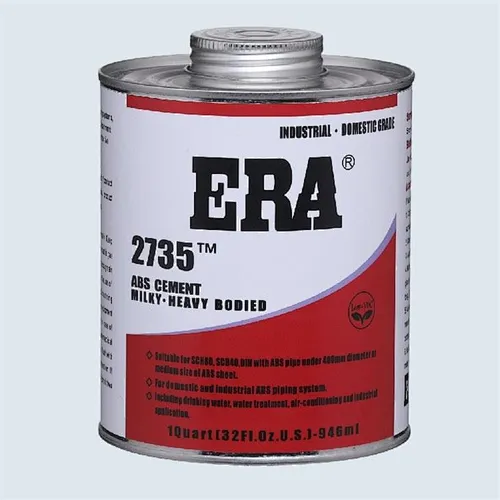
1. Adhesive for PVC (polyvinyl chloride) pipes
PVC glue: designed specifically for PVC, it can quickly dissolve the surface of PVC and form a strong connection. This type of glue is usually a transparent or light yellow liquid with the characteristic of rapid drying.
Features: Suitable for indoor and outdoor applications, providing good weather resistance and chemical resistance.
2. ABS (acrylonitrile butadiene styrene copolymer) pipe adhesive
ABS adhesive: specifically developed for ABS plastic, it can effectively dissolve the surface of ABS and promote intermolecular bonding.
Features: Faster curing than PVC glue, suitable for quick installation; At the same time, it has good adaptability to low-temperature environments.
3. Adhesive for CPVC (chlorinated polyvinyl chloride) pipes
CPVC adhesive: specially designed for CPVC, it can maintain stability at high temperatures and is suitable for hot water systems and the chemical industry.
Features: The heat resistance is better than ordinary PVC glue, and it can withstand higher working temperatures.
4. Adhesive for PE (polyethylene) and PP (polypropylene) pipelines
For non-polar plastics such as PE and PP, traditional solvent adhesives are not suitable because these materials are difficult to dissolve with conventional solvents. Therefore, for the connection of these two materials, it is usually recommended to use mechanical connection methods (such as socket, flange, threaded connection), or to use hot melt welding technology.
Precautions for use:
Clean the surface: Before applying glue, it is necessary to thoroughly clean the connection parts of the fittings and pipes, remove oil stains, dust and other impurities, to ensure that the bonding surface is clean and flat.
Moderate application: Apply adhesive in an appropriate amount according to the manufacturer's instructions. Too much or too little can affect the bonding effect.
Correct fit: Ensure that the fittings and pipes are fully inserted into place and hold for a few seconds to allow the glue to fully spread and make contact with the surface.
Good ventilation: Most plastic adhesives contain volatile organic compounds (VOCs), so they should be operated in a well ventilated environment and safety precautions should be followed.
Waiting time: Depending on the temperature and humidity of the environment, give enough time for the glue to solidify. Do not rush to apply pressure or move the pipeline to avoid damaging the bonding effect.
Safety Tip:
When using any type of plastic adhesive, one should read the product manual to understand its ingredients, hazard information, and correct usage methods.
Avoid direct skin contact with glue. If it accidentally splashes into the eyes, rinse immediately with plenty of water and seek medical help.
Ensure that the construction area is kept away from sources of fire, as certain adhesives may be flammable.
Choosing the appropriate adhesive is crucial for ensuring a reliable connection between plastic fittings and pipes. Here are a few key steps and considerations to help you make the right choice:
1. Determine the type of pipeline material
Identify material: First, it is necessary to clarify what material the pipeline you want to connect is. Common plastic pipes include PVC, ABS, CPVC, PE, PP, etc. Different types of plastics require specific adhesives to achieve optimal results.
Check compatibility: Ensure that the selected adhesive is compatible with the pipeline material. For example, PVC glue cannot be used for ABS or CPVC pipes, and vice versa.
2. Evaluate the application environment
Temperature Range: Understand the temperature range in which the pipeline will operate. If it is in a high-temperature environment (such as a hot water system), a glue with better heat resistance, such as CPVC special glue, should be selected.
Chemical exposure: If the pipeline comes into contact with chemicals or corrosive substances, it is important to choose adhesives with high chemical resistance.
Ultraviolet (UV) exposure: For outdoor pipelines, adhesive that can resist UV degradation should be selected, or additional protective measures should be taken.
3. Consider installation conditions
Drying speed: Choose glue that dries quickly or slowly according to the specific situation of the construction site. For example, in environments with poor ventilation or high humidity, it may be necessary to choose a slower drying adhesive to ensure sufficient bonding.
Construction convenience: Some adhesives are designed to be easy to apply and operate, which is particularly useful in places where space is limited or difficult to reach.
4. Review product specifications and certifications
Read labels and instructions: Carefully review the product's Technical Data Sheet (TDS) and Safety Data Sheet (SDS) to understand its performance characteristics, scope of application, and any special requirements.
Confirmation of certification: Select products that have been certified according to relevant industry standards, such as ISO standards or other country and region specific building codes, to ensure product quality and safety.
5. Cost benefit analysis
Initial cost vs. long-term benefits: Although some high-quality adhesives may be expensive, they typically offer longer service life and lower maintenance costs, making them a more economical option in the long run.
Usage estimation: Calculate the required amount of glue and consider the possibility of waste, in order to plan the budget reasonably.
6. Consult professionals
Supplier suggestion: Consult with glue manufacturers or distributors, they can recommend the most suitable products based on your specific needs.
Engineer or contractor opinion: If you are not a professional, it is best to seek advice and support from experienced engineers or contractors.
7. Test samples
If conditions permit, a small number of samples can be obtained for small-scale testing to observe their performance in practical applications, and then decide whether to proceed with large-scale procurement.
Through the above steps, you can confidently choose the glue that is most suitable for your project. Remember, choosing and using glue correctly can not only improve installation efficiency, but also significantly extend the service life of the system. If there is any uncertainty, do not hesitate to seek help from experts.
Evaluating the chemical resistance of glue is an important step in ensuring its long-term effectiveness in specific environments. Here are some methods and considerations that can help you accurately evaluate the chemical resistance of glue:
1. Refer to the technical data provided by the manufacturer
Technical Data Sheet (TDS): Most adhesive manufacturers provide detailed technical data sheets that contain information about product performance, including chemical resistance. These data are usually based on laboratory test results.
Safety Data Sheet (SDS): In addition to performance information, SDS also lists precautions related to health, safety, and environment, and sometimes mentions chemical compatibility.
2. Refer to the chemical compatibility chart
Many manufacturers or suppliers provide chemical compatibility charts or guidelines that list the degree of impact of different chemicals on adhesives. These charts typically categorize reactions into several types, such as' no impact ',' minor impact ',' moderate impact ',' severe impact ', etc.
If the manufacturer does not provide such charts, you can search for compatibility information of similar products online as a reference.
3. Conduct laboratory testing
Immersion test: This is one of the most direct methods, which involves placing the adhesive sample in the target chemical for a period of time and then observing for softening, dissolution, discoloration, or other physical changes.
Accelerated aging test: Simulate the long-term exposure effects under actual usage conditions, such as accelerating chemical reaction processes by increasing temperature to predict long-term stability.
Mechanical performance testing: measuring the changes in adhesive strength and other mechanical properties after chemical treatment to evaluate whether it can still maintain good bonding effect.
4. On site testing
Small scale application testing: Before large-scale application, a small portion of pipelines can be selected for pilot installation and exposed to the expected working environment for a period of time to observe the performance of the adhesive.
Regular inspection: For systems that have already been installed, regular inspections can be arranged, especially in areas that are prone to contact with harmful chemicals, to promptly detect and solve problems.
5. Consult expert opinions
Contact manufacturer or supplier: If you are unsure how to interpret certain data or need more detailed advice, you can directly contact the manufacturer or supplier's technical support team.
Consult a professional engineer: If it involves complex chemical environments, it is best to consult an experienced chemical engineer or materials scientist, who can provide more professional advice based on their expertise.
6. Consider alternative solutions
If preliminary assessment indicates that a certain adhesive does not have sufficient chemical resistance, consider finding other more suitable products. Sometimes, choosing a material with better chemical resistance or using different connection methods (such as welding or threaded connections) may be a better solution.
7. Follow industry standards
Some industries may have specific standards or guidelines regarding chemical resistance to ensure that the selected adhesive meets these requirements. For example, in the food processing industry, adhesives must comply with food safety regulations; In the chemical industry, special attention needs to be paid to corrosion and toxicity issues.
Glue has the following advantages:
Easy to operate: The adhesive bonding method is simple and easy to use, without the need for special tools or equipment. Simply apply the adhesive to the connection between the pipes and fittings.
High bonding strength: Specialized adhesive can provide sufficient bonding force to ensure a strong connection between pipes and fittings, meeting the pressure and tension requirements in daily use.
Good sealing performance: Glue can fill the small gaps between pipes and fittings, providing a good sealing effect and preventing moisture and gas leakage.
Chemical resistance: Many plastic pipe adhesives have good chemical resistance and can resist the erosion of various chemicals, making them suitable for various environmental conditions.
Fast curing speed: Adhesives on the market usually have a fast curing speed, which can complete bonding in a short period of time and improve construction efficiency.
Cost effectiveness: Compared to hot melt welding or other connection methods, using adhesive bonding is usually more cost-effective and economical.
Wide applicability: Adhesive is suitable for various plastic pipes, such as PVC, PPR, PE, etc., and is widely used in construction, agriculture, industry and other fields.
Easy maintenance: Once the pipes and fittings are bonded, subsequent maintenance and repair are relatively simple, without the need for complex tools or techniques.
Environmental friendliness: Modern adhesive products tend to use more environmentally friendly formulas, reducing the emission of harmful substances and having less impact on human health and the environment.
Reversibility: Although adhesive bonding is usually permanent, in some cases, if it is necessary to disassemble or replace fittings, the bonding can be released through specific methods.
Some of the main advantages of enterprises:
1. Cost effectiveness
Lower raw material costs: Compared to metal pipes, plastic pipes typically have lower raw material costs, making them price competitive in the market.
Low installation cost: Plastic pipes are lightweight and easy to transport, with relatively simple and fast installation, reducing labor and time costs.
2. Corrosion resistance
Chemical resistance: Most plastic materials have good chemical stability and are not easily corroded by chemicals such as acids and alkalis, making them suitable for use in industries such as chemical engineering and wastewater treatment.
Rust prevention properties: Unlike metal pipes that are prone to rusting, plastic pipes do not require additional anti-corrosion treatment, reducing maintenance costs.
3. Long lifespan
Strong durability: High quality plastic pipes can be used for decades under normal conditions, reducing replacement frequency and related costs.
Anti aging performance: by adding stabilizer and other measures, the weathering resistance of plastic pipes under ultraviolet radiation can be improved and their service life can be extended.
4. Environmentally friendly
Recyclable: Many types of plastic pipes are recyclable, in line with the concept of circular economy, reducing resource waste and environmental pollution.
Energy saving production process: Compared to metal pipes, the production and processing of plastic pipes often consume less energy, reducing carbon emissions.
5. Design flexibility
Customized service: Plastic pipes are easy to form and can be customized into different shapes, sizes, and colors according to customer needs to meet diverse market demands.
Large innovation space: With the development of new materials and technologies, the plastic pipe industry continues to innovate and launch more high-performance products, such as reinforced composite material pipes.
6. Convenient construction
Lightweight: Plastic pipes are lightweight, making them easy to transport and handle, reducing logistics costs.
Easy connection: solvent bonding, hot melt welding and other methods are used to make the connection between pipelines faster and more reliable.
7. High fluid transmission efficiency
Smooth inner wall: Plastic pipes have smooth inner walls with low frictional resistance, which can effectively reduce head loss and improve fluid transmission efficiency.
Smooth water flow: It is not easy to accumulate scale or other sediments, maintaining long-term stable transportation capacity.
8. Good safety performance
Non toxicity: Some plastic pipes (such as PVC-U, PE) have been certified for hygiene and can be used in drinking water delivery systems to ensure public health.
Fireproof and flame retardant: Some plastic materials can enhance their fire resistance by adding flame retardants, making them suitable for specific safety requirements.
9. Adapt to complex environments
Low temperature and high temperature resistance: Selecting suitable plastic materials according to different application scenarios can ensure stable operation over a wide temperature range.
Excellent seismic performance: Plastic pipes have a certain degree of flexibility and are not easily broken during earthquakes or ground subsidence, enhancing the safety of the system.
10. Policy support
Government encouragement: Some countries and regions have introduced a series of policy measures that are conducive to the development of the plastic pipeline industry, such as tax incentives, subsidies, etc., in order to promote energy conservation, emission reduction, and environmental protection.
The main social responsibilities that plastic pipe fittings and pipe enterprises should undertake are:
1. Environmental protection
Reduce carbon footprint: Reduce greenhouse gas emissions during the production process by optimizing production processes, improving energy efficiency, and using renewable energy.
Waste management: Implement an effective waste recycling system, increase the proportion of recycled materials used, and reduce dependence on primary resources.
Pollution control: Install advanced pollution control equipment to ensure that pollutants such as wastewater and exhaust gas are discharged in compliance with standards, and protect the quality of the surrounding environment.
2. Product Safety and Health
Strict quality control: Adhere to relevant international and domestic standards to ensure reliable product quality, especially for drinking water delivery systems, which must be non-toxic and harmless.
Transparent information disclosure: providing consumers with detailed product information, including ingredients, performance indicators, and correct usage methods, to help them make informed choices.
3. Promote circular economy
Developing recyclable materials: Developing new environmentally friendly materials, such as biodegradable plastics or composite materials that are easy to recycle and reuse, to reduce the use of disposable plastic products.
Support the construction of recycling infrastructure: actively participate in and support the development of recycling networks, find suitable ways to dispose of waste plastics, and form a closed-loop industrial chain.
4. Employee care and development
Provide good working conditions: ensure that employees enjoy a safe working environment and reasonable compensation, and respect their legitimate rights and interests.
Vocational training and promotion opportunities: Provide employees with a continuous learning and development platform, encourage innovative thinking and technological progress.
5. Community participation
Public welfare activities: Regularly organize or sponsor various public welfare activities, such as education funding, environmental protection promotion, etc., to give back to the local community.
Employment contribution: Create more job opportunities, especially for remote or economically underdeveloped areas, and promote local economic development.
6. Industry standards and leadership
Compliance with laws and regulations: Strictly abide by national laws and regulations on quality and environmental protection, and establish a good corporate citizenship image.
Leading industry development: As a member of the industry, actively sharing best practice cases, advocating responsible business behavior, and jointly promoting the healthy development of the industry.
7. Customer Relationship Management
High quality customer service: Establish a comprehensive pre-sales and after-sales service mechanism, respond promptly to customer needs, and solve practical problems.
Integrity management: Maintain an honest and trustworthy attitude, do not exaggerate product functions, maintain market order, and win the trust of consumers.
8. Supply chain responsibility
Select qualified suppliers: Prioritize the use of raw material suppliers that meet environmental and social responsibility standards to ensure the sustainability of the entire supply chain.
Collaborative cooperation: Work closely with upstream and downstream partners to jointly address issues such as climate change and resource scarcity, and build a green supply chain.
9. Technological innovation
R&D investment: Increase research efforts in new materials and processes, and explore more efficient and environmentally friendly technological solutions.
Intellectual property protection: Emphasize the protection of technological innovation achievements, apply for patents and other intellectual property rights, while also respecting the intellectual property rights of others and avoiding infringement.
10. Global perspective
International layout: actively respond to national strategies such as the"the Belt and Road"initiative, expand overseas markets, and spread the brand value of China's manufacturing industry.
Cross border cooperation: Participate in international exchanges and cooperation projects, learn from advanced foreign experiences, and promote China's successful models.
FAQ:
1.What is your MOQ?
Our MOQ is usually 5 CTNS.
2.What is your delievery time?
The time of delievery is around 30-45days.
3.What is the shipping port?
We ship the goods via Ningbo or Shanghai port.
4.What is your payment terms?
We accept 30% T/T in advance,70% in the period of shipment or 100% L/C.
5.How should I contact you?
You can contact us with Trade Manager or send us an email by click Contact Supplier bottom.
6.What is the location of your company?
Our company is located in the Taizhou Zhejiang Province,China.
If you would like to have a visit, you are much welcome.
7.How about the samples?
We could send you the samples ,most samples are free to send to most places in China.If sent to other countries,transport fee shoule be paid by you.
8.Why choose us?
1 Genuine produces with excellent quality and competitive price.
2 Cooperating with the customers all over the world and knowing the markets very well.
3 ERA is a listed company. Everything can be rest assured working with us.
4 After- Services will be highly-satisfied. Any problems and feedbacks will be answered in a short of time.
Our Services:
1. Any inquiries will be replied within 24 hours
2. Professional manufacturer.
3. OEM is available.
4. High quality, standard designs, reasonable&competitive price, fast lead time.
5. Faster delivery: Sample will be prepared in 2-3days.
6. Shipping: We have strong cooperation with DHL, TNT, UPS, MSK, China Shipping, etc.
7. You can also choose your own shipping forwarder.


 English