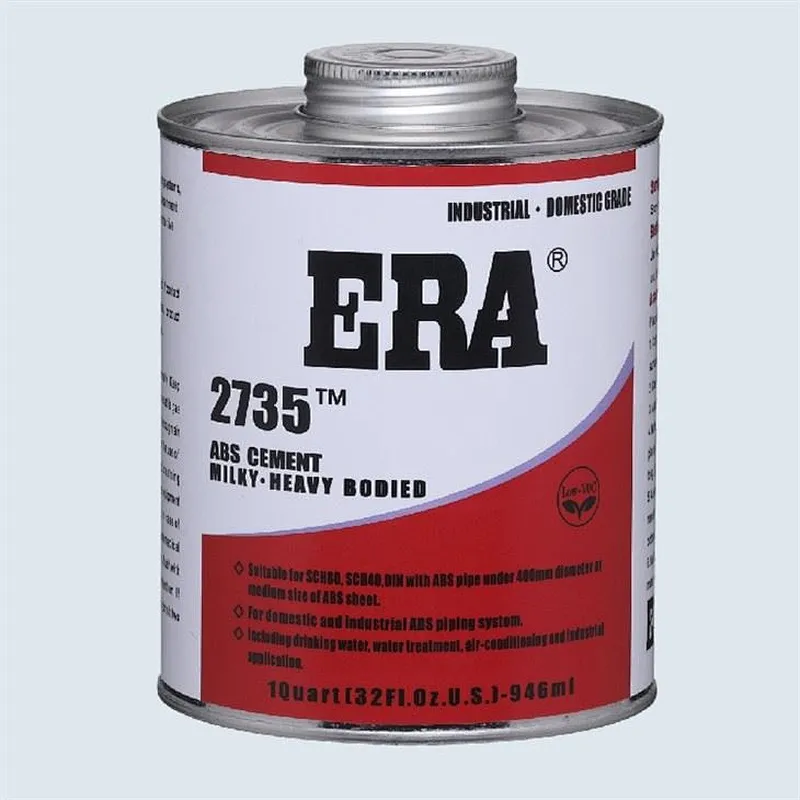
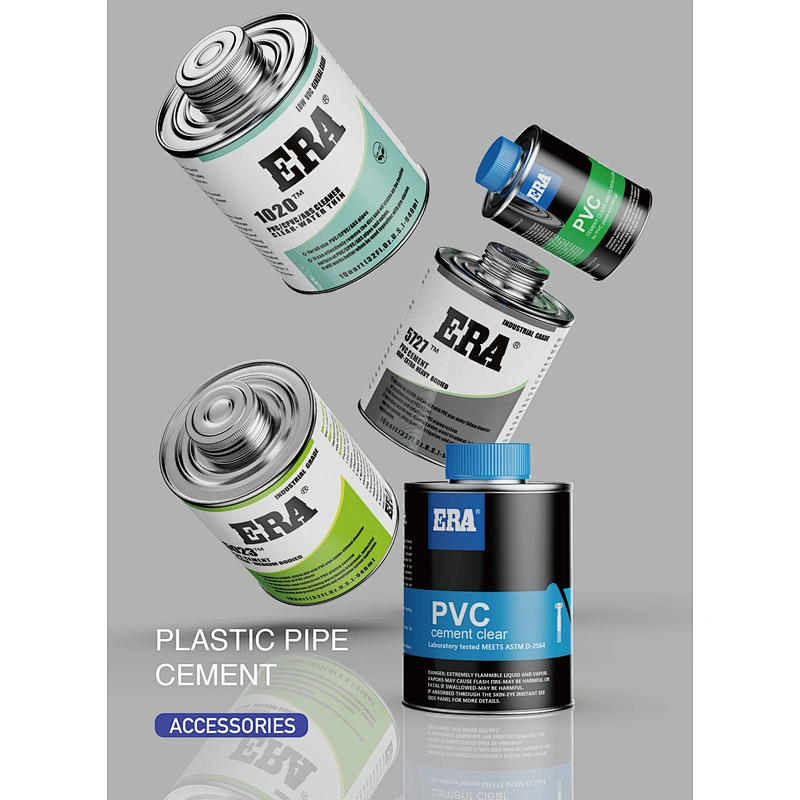
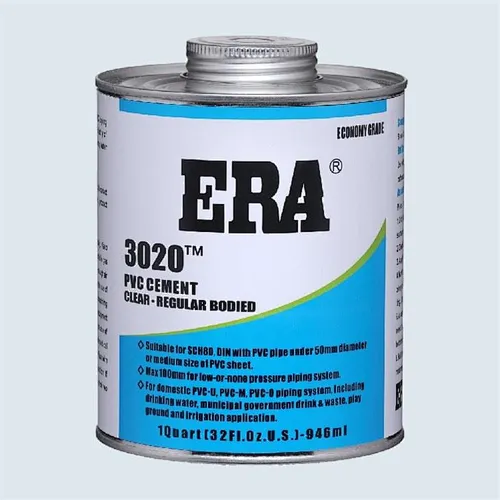
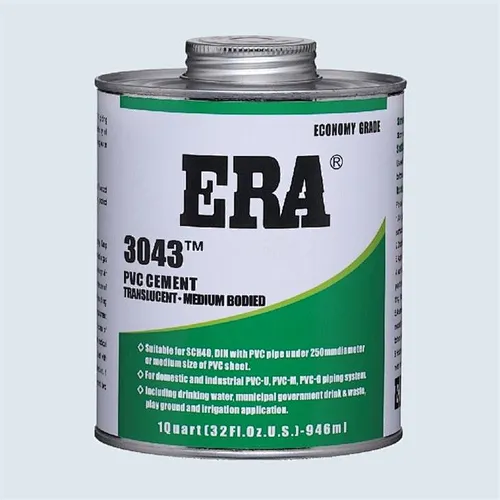
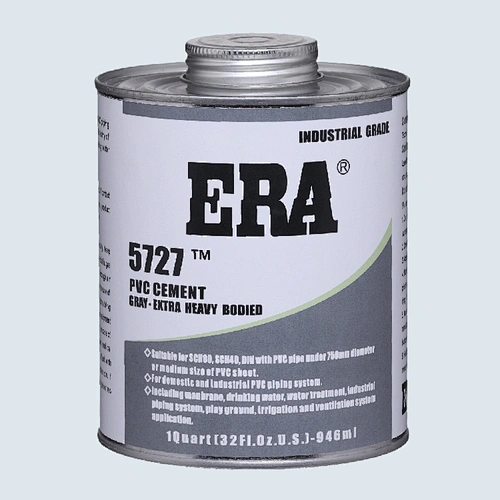
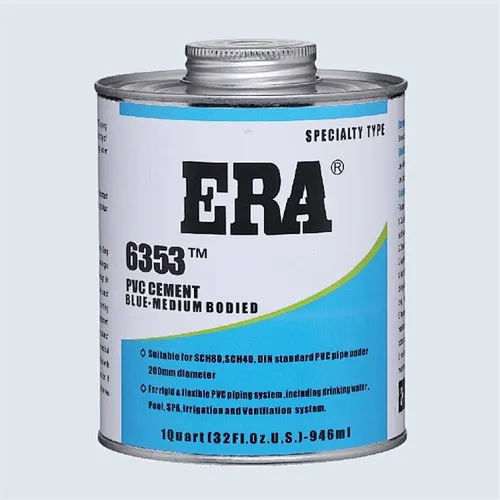
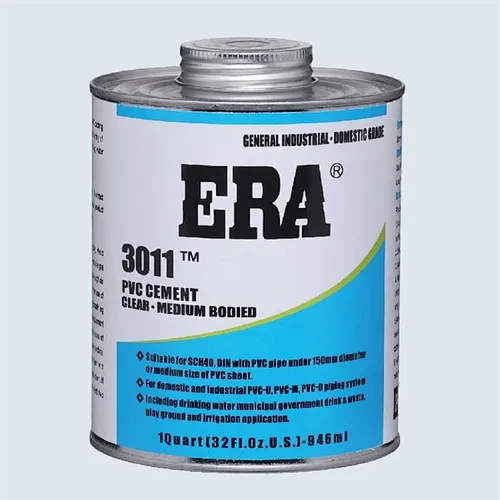
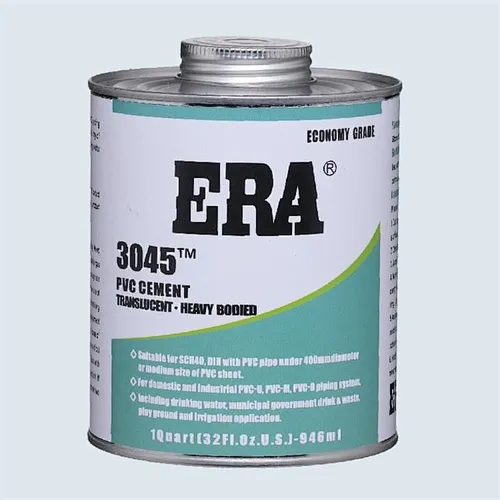
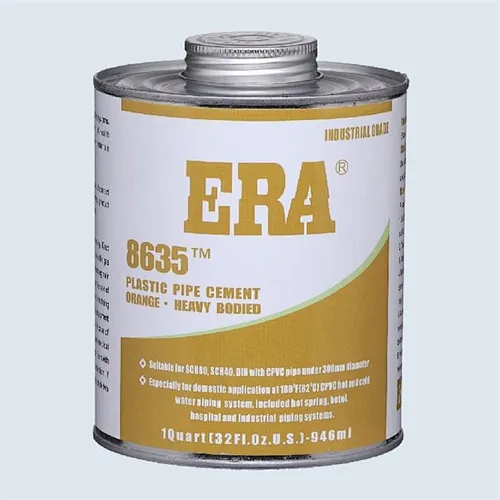
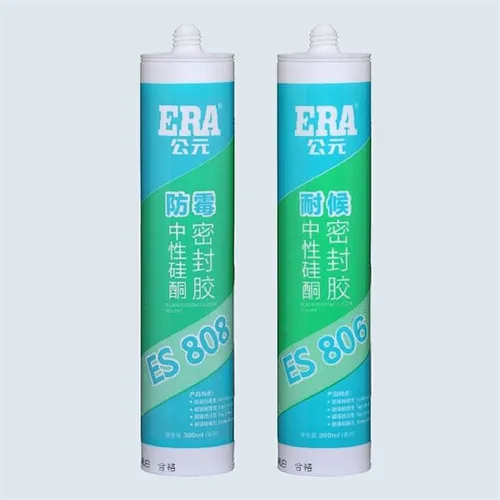
Glue can be used for direct connection of plastic pipes, the principleGlue can be used for direct connection of plastic pipes, the principle lies in its excellent adhesion ability. Especially PVC glue, which is designed for bonding PVC materials. When applied to the surface of the pipe to be connected, it can quickly and tightly bond the two pipes together.
Bonding method is a common way to connect plastic pipes, mainly used for connecting hard PVC pipes and ABS pipes. During the bonding process, a short pipe slightly larger than the pipe needs to be used to sleeve the two pipes together, then apply PVC glue inside, and bond them together. The advantage of this method is simple operation, low cost, and high sealing performance.
Of course, different methods may be used for connecting plastic pipes. For example, pipes with a diameter of 100 mm or more generally use rubber ring joints; while pipes with a diameter less than 100 mm usually use bonded joints. As long as the operation is proper, glue can provide strong and sealed connections for plastic pipes.
If PVC glue accidentally gets on your skin, don't panic. Here are some suggestions:
1. Wash with soap and water immediately: If you find that the glue has gotten on your skin, stop what you're doing and wash it off with soap and plenty of water. Try to rinse off all the glue to avoid leaving any residue on your skin.
2. Wipe with alcohol or vinegar: If the glue is still stuck to your skin, you can try wiping it off with alcohol or vinegar. However, please note that these two substances may irritate the skin, so use them gently and avoid getting them in your eyes or on other sensitive areas.
3. Seek medical attention: If the glue gets into your eyes or causes severe allergic reactions (such as difficulty breathing, facial swelling, etc.), seek medical attention immediately.
4. Prevention is key: When using PVC glue, it's best to wear gloves to avoid direct contact with your skin. At the same time, ensure good ventilation in the work area to reduce the volatilization of the glue and its irritation to the respiratory tract.
5. Avoid sun exposure: If the glue gets on your skin, try to avoid exposing that area to sunlight. Some types of PVC glue may be sensitive to sunlight, which could cause skin allergies or sunburns.
6. Use skincare products: After washing your skin, you can use some skincare products to help soothe your skin, such as aloe vera gel or vitamin E oil. These products can help repair damaged skin and reduce redness and pain.
7. Pay attention to personal hygiene: After using PVC glue, wash your hands promptly to avoid leaving any residue on your hands, which could then come into contact with your eyes or other parts of your body. Also, regularly clean your work area to prevent glue contamination of the environment.
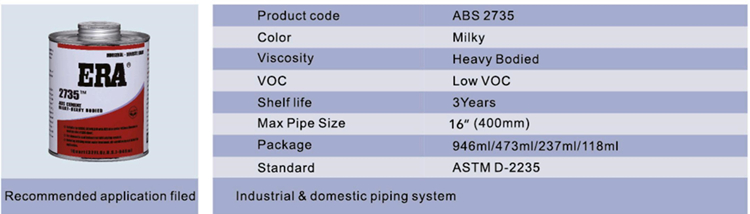
The storage of PVC glue is relatively simple. Firstly, you need to store it in a room temperature environment. To prevent the glue from evaporating or solidifying, make sure the lid is tightly closed. In addition, because PVC glue is flammable, it must be kept away from fire sources. It's worth noting that PVC glue has a certain shelf life, usually one year. During this period, the performance of the glue can be guaranteed. However, if the glue is not used up within its shelf life or if the storage conditions are poor, it may affect its bonding effect. Therefore, we recommend that you use it up within the shelf life to ensure effective bonding. If you need to store it for a period of time, you can choose PVC glue that is still within its shelf life and has good sealing.
The shelf life of PVC glue is generally 10-12 months. To maintain its best performance, it needs to be stored in a room temperature environment and the lid should be tightly closed to prevent the glue from evaporating or solidifying. As PVC glue is flammable, it must be kept away from fire sources. If there is still PVC glue left in the bottle, it is necessary to tighten the lid in time so that the PVC glue will not volatilize and its later use will not be affected. After opening, it should be used as soon as possible. If there are some slight discoloration during the shelf life, it will not affect the use. If it hasn't been opened for a year and is well preserved, it can still be used. However, if it exceeds its shelf life or the storage conditions are poor, it may affect its bonding effect. Therefore, we recommend that you use it up within the shelf life to ensure effective bonding. If you need to store it for a period of time, you can choose PVC glue that is still within its shelf life and has good sealing.
PVC adhesive is considered a hazardous material primarily due to its flammability.
Its main components are perchloroethylene resin (epoxy resin), acetone, and butanone, all of which have certain risks of combustion and explosion. Especially acetone and butanone, they not only have a pungent smell but are also slightly toxic. Although the impact of these substances on the human body is relatively small after the glue dries, special attention must still be paid to safety during handling and use. Therefore, when using PVC adhesive, it is essential to avoid sources of ignition and work in a well-ventilated environment to prevent accidents.
In addition, PVC adhesive has a certain degree of corrosiveness. If it accidentally comes into contact with the skin or eyes, it may cause irritation and pain. Therefore, try to avoid direct skin contact when using it, and wear protective goggles and gloves if necessary.
At the same time, PVC adhesive has strong volatility. Prolonged inhalation of its vapors may affect the respiratory system. Therefore, when using PVC adhesive, it is best to keep the room well-ventilated and avoid prolonged exposure to its smell.
Finally, because PVC adhesive contains combustible materials, special care is needed during storage and transportation. It should be stored in a cool, dry, well-ventilated place, away from fire sources and high-temperature environments. At the same time, avoid exposing PVC adhesive to sunlight to prevent changes in its composition.
If you don't have PVC-specific glue, you can try the following methods:
1. Use general-purpose glue: You can use ordinary transparent glue or white glue as a substitute. Apply the glue evenly on the connection area of the PVC pipes and quickly join the two pipes together. Wait for some time for the glue to dry, ensuring a secure connection.
2. Use quick-drying glue: If you need a faster connection, you can use quick-drying glue. Apply the glue on the connection area of the PVC pipes and quickly join the two pipes together. Wait for a few minutes for the glue to dry, ensuring a strong bond.
3. Use a heat gun: If you require an even stronger connection, you can use a heat gun. Set the heat gun to an appropriate temperature and apply heat to the connection area of the PVC pipes, softening them. Then quickly join the two pipes together and wait for cooling to obtain a secure connection.
The main functions of plasticizers in adhesives are as follows:
1. Adjust the viscosity and flowability of the adhesive: Plasticizers can reduce the viscosity of the adhesive and improve its flowability, making it easy to apply and operate.
2. Improving the flexibility and ductility of adhesives: Plasticizers can increase the flexibility and ductility of adhesives Enable its county to have better elasticity and plasticity, thereby enhancing adhesive performance.
3. Improve the adhesion and bonding strength of the adhesive: Plasticizers can increase the contact area between the adhesive and the bonded material, improve the adhesion and bonding strength, and make the bonding strength higher.
4. Adjusting the hardness and temperature resistance of adhesives: Plasticizers can adjust the hardness and temperature resistance of adhesives to adapt to different application environments and working conditions.
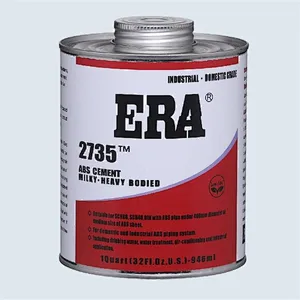
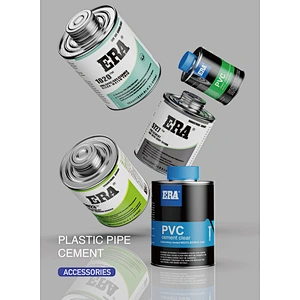
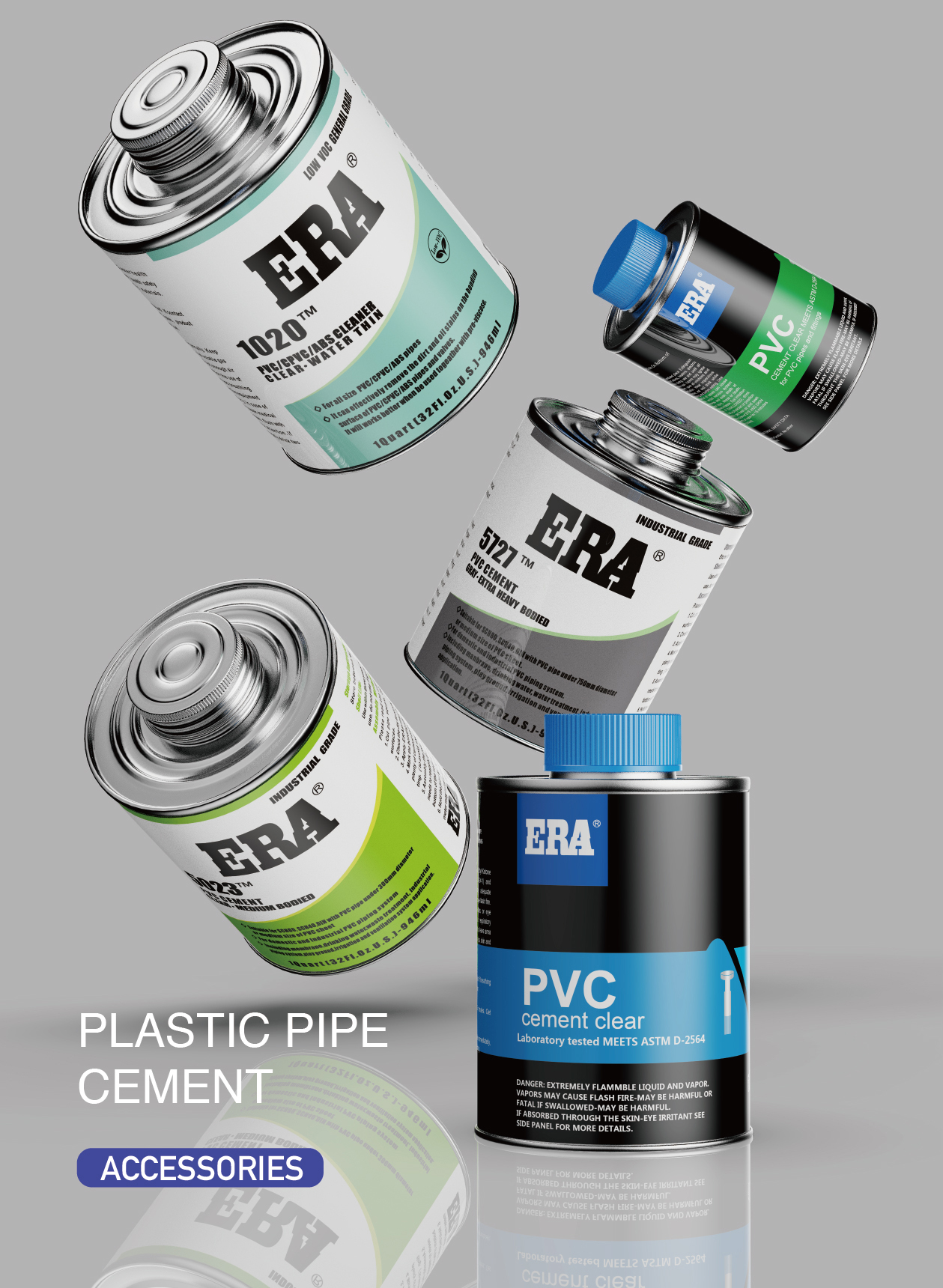
There are various types of adhesives for pipe fittings, withThere are various types of adhesives for pipe fittings, with PVC adhesive being a common choice. PVC adhesive is mainly used for bonding PVC pipes and fittings, with high viscosity and medium drying characteristics, suitable for all sizes of PVC pipes and fittings with a diameter of 24'' (630mm) or less. In addition, the gray PVC adhesive 711 meets ASTM D-2564 standards and can fill the gap between the pipeline and the fitting, providing longer construction time. If the household water supply pipe is rigid PVC pipe, then you can directly use oily PVC adhesive such as JL-6284, and the bonding strength after completion is basically integrated. For metal pipes that have leaks, you can use metal repair agents for repair. It should be noted that different types of pipes may require different special adhesives, such as PE pipes requiring PE special adhesives. When choosing adhesives, try to choose products with good quality and high reputation, and pay attention to the fact that different types of pipes may require different special adhesives.
In addition to PVC adhesive, other common types of adhesives on the market include instant glue, epoxy resin bonding class, anaerobic glue, UV glue (ultraviolet light curing), hot melt adhesive, pressure sensitive adhesive, latex adhesive, etc. These adhesives have their specific purposes and bonding objects. For example, anti-corrosion sealant used for water supply and hot water supply can seal the gap between metal pipe joints to prevent fluid leakage, and is commonly used in spray pipelines, hot and cold water pipelines, air pipelines, hydraulic pipelines, stainless steel pipelines and other scenarios. In addition, Henkel Loctite's pipe sealant is widely praised. This type of adhesive is suitable for metal pipes and various scenarios such as gas, liquid and corrosive liquid. When choosing adhesives, try to choose products with good quality and high reputation, and pay attention to the fact that different types of pipes may require different special adhesives.
When choosing a good glue, you need to consider the following aspects:
1. Adhesive object: Different materials require different types of glue, so you need to choose the right glue according to the material of the adhesive object. For example, PVC pipes require PVC-specific glue, while metal pipes require metal repair agents or metal-specific glue.
2. Adhesive method: There are various methods of gluing, such as pressure bonding, soaking bonding, brush bonding, etc. You need to choose the appropriate glue according to the specific bonding method.
3. Drying time: The drying time of different types of glue varies, some may take a long time to dry, while others can dry quickly. You need to choose a glue with a suitable drying time based on your actual needs.
4.Brand reputation: Choosing a well-known brand of glue can improve product quality and after-sales service protection. You can learn about the reputation of the brand through user reviews and product certifications.
5. Price: Price is also a factor to consider when choosing glue. You need to choose a product with high cost performance based on your budget.
6. Use environment: Different glues are suitable for different environments, such as high temperature, low temperature, humidity, etc. You need to choose a suitable glue based on the actual use environment.
7. Strength requirements: Different bonding tasks have different strength requirements. You need to choose a glue with sufficient strength based on your actual needs.
8. Durability: A good glue should have good durability and be able to maintain bonding effect for a long time. You can learn about the durability of the glue by checking the product manual or consulting professionals.
9. Safety: Safety issues need to be considered when using glue, such as avoiding contact with skin and eyes, etc. You need to choose a glue that meets safety standards.
10. Storage conditions: A good glue should be able to be stored for a long time under proper storage conditions without affecting the use effect due to improper storage. You need to understand the storage conditions of the glue and store it accordingly.
11. Color: Some glues are transparent and colorless, while others are colored. You need to choose whether you need a colored glue based on your actual needs.
12. Toxicity: Some glues may contain toxic ingredients, so you need to pay attention to safety when using them. It is necessary to choose non-toxic or low-toxicity glue.
13. Curing time: Some glues take a long time to fully cure, while others can cure in a short period of time. You need to choose a glue with a suitable curing time based on your actual needs.
14. Chemical resistance: A good glue should have good chemical resistance and be able to withstand the erosion of various chemicals. You need to choose a glue with good chemical resistance.
15. Removability: Some bonding work needs to be disassembled later, so you need to choose a glue with good removability.
FAQ:
1.What is your MOQ?
Our MOQ is usually 5 CTNS.
2.What is your delievery time?
The time of delievery is around 30-45days.
3.What is the shipping port?
We ship the goods via Ningbo or Shanghai port.
4.What is your payment terms?
We accept 30% T/T in advance,70% in the period of shipment or 100% L/C.
5.How should I contact you?
You can contact us with Trade Manager or send us an email by click Contact Supplier bottom.
6.What is the location of your company?
Our company is located in the Taizhou Zhejiang Province,China.
If you would like to have a visit, you are much welcome.
7.How about the samples?
We could send you the samples ,most samples are free to send to most places in China.If sent to other countries,transport fee shoule be paid by you.
8.Why choose us?
1 Genuine produces with excellent quality and competitive price.
2 Cooperating with the customers all over the world and knowing the markets very well.
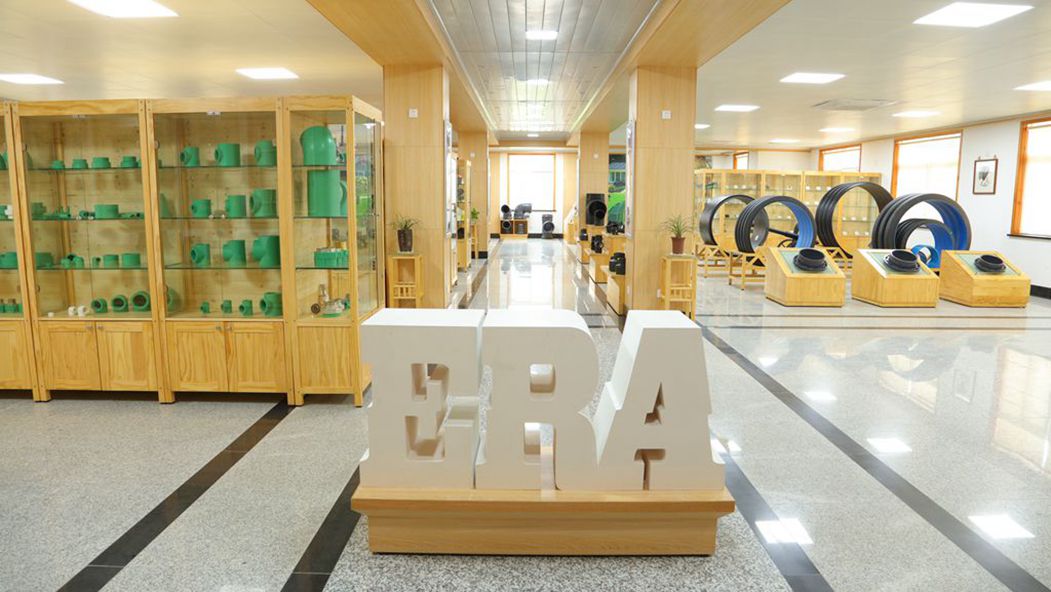
3 ERA is a listed company. Everything can be rest assured working with us.
4 After- Services will be highly-satisfied. Any problems and feedbacks will be answered in a short of time.
Our Services:
1. Any inquiries will be replied within 24 hours
2. Professional manufacturer.
3. OEM is available.
4. High quality, standard designs, reasonable&competitive price, fast lead time.
5. Faster delivery: Sample will be prepared in 2-3days.
6. Shipping: We have strong cooperation with DHL, TNT, UPS, MSK, China Shipping, etc.
7. You can also choose your own shipping forwarder.


 English