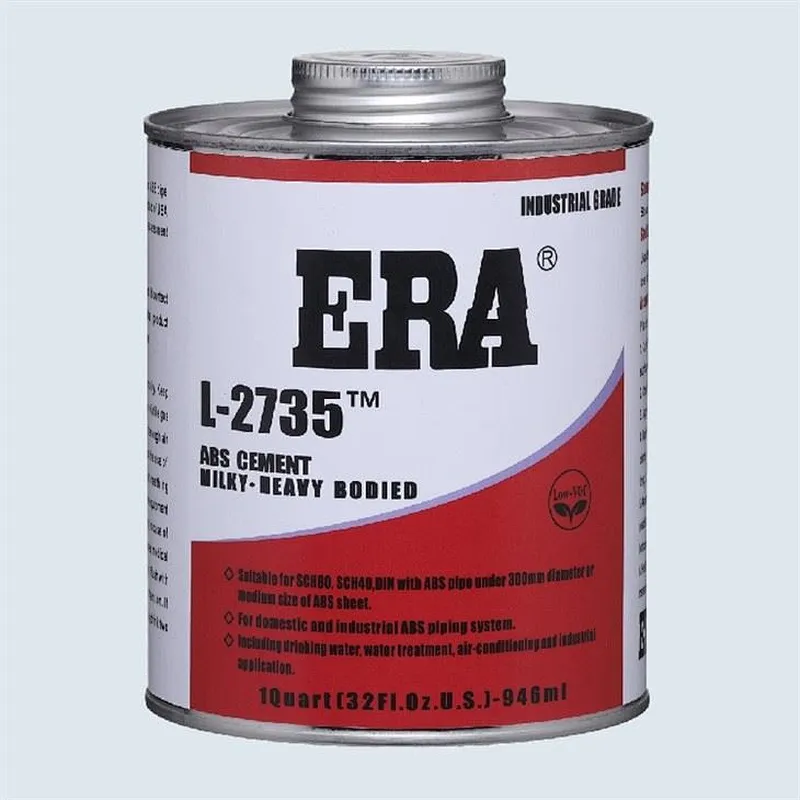
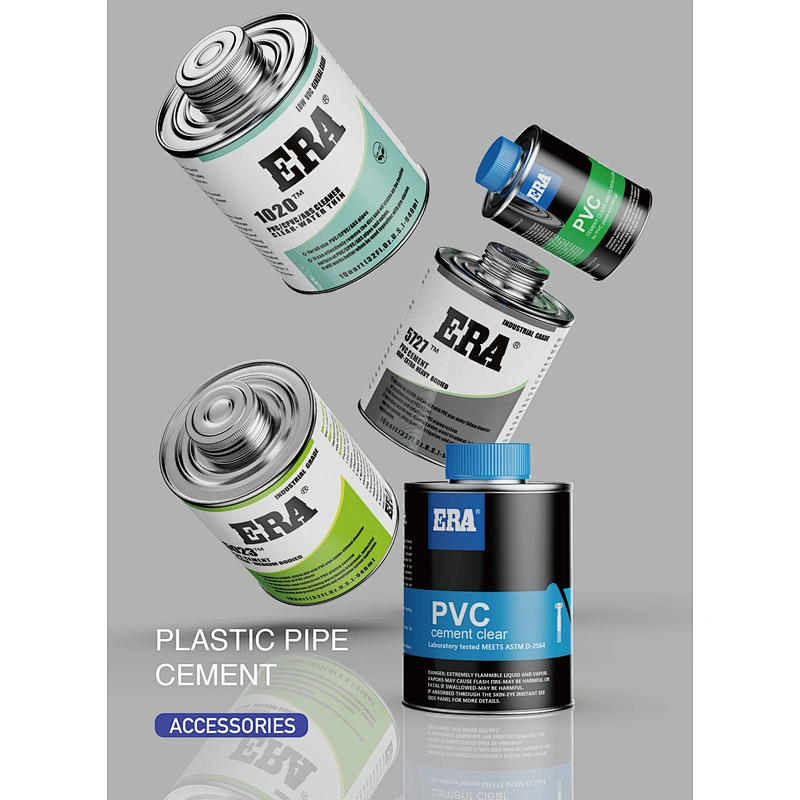
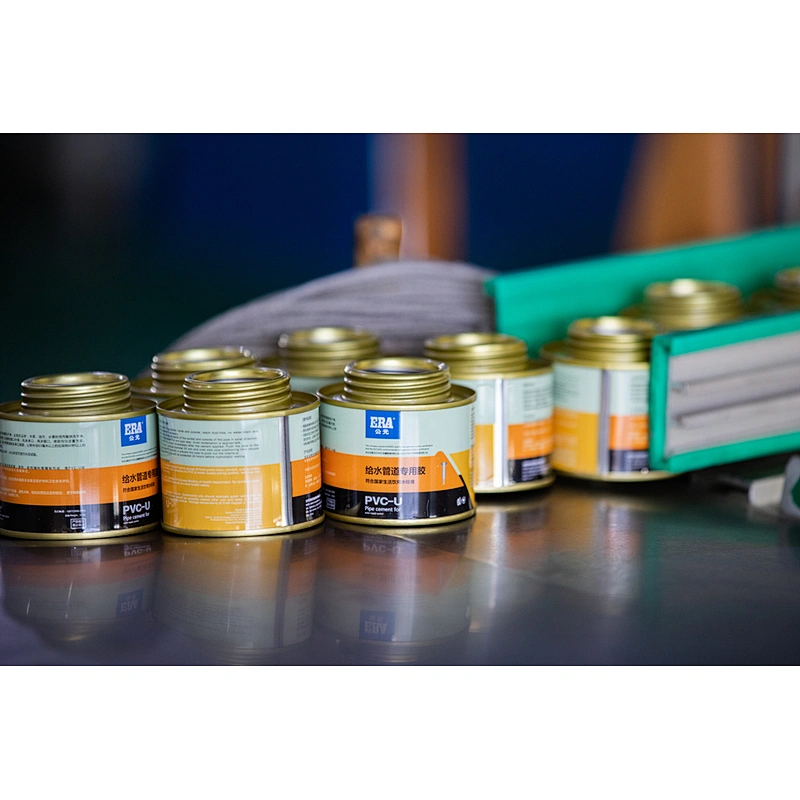
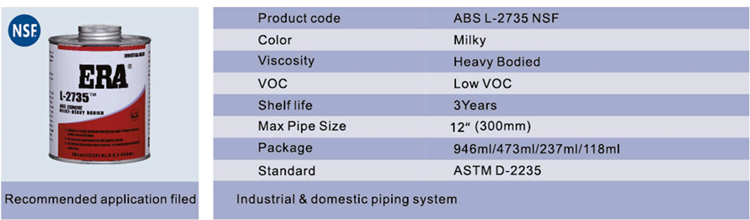
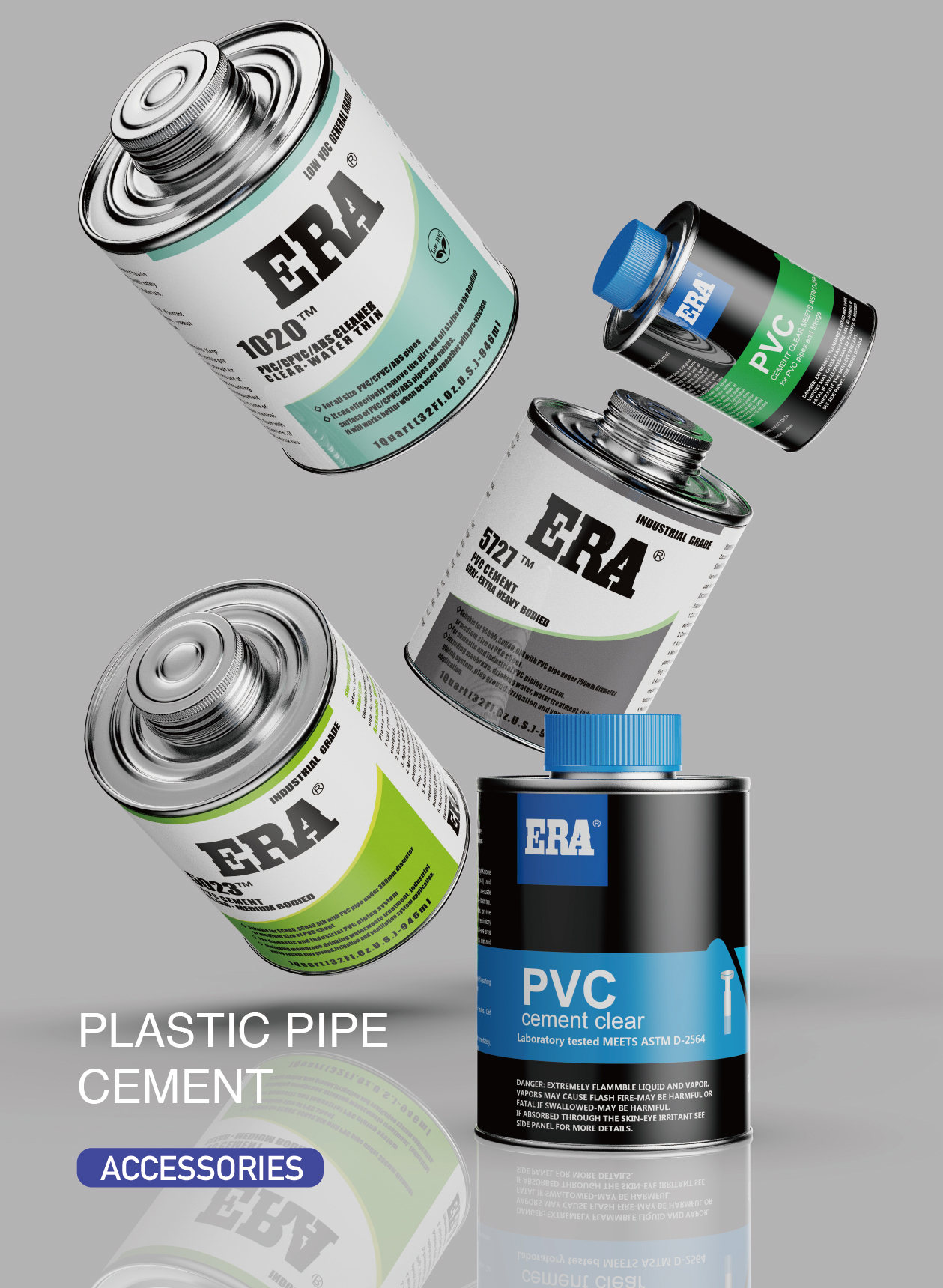
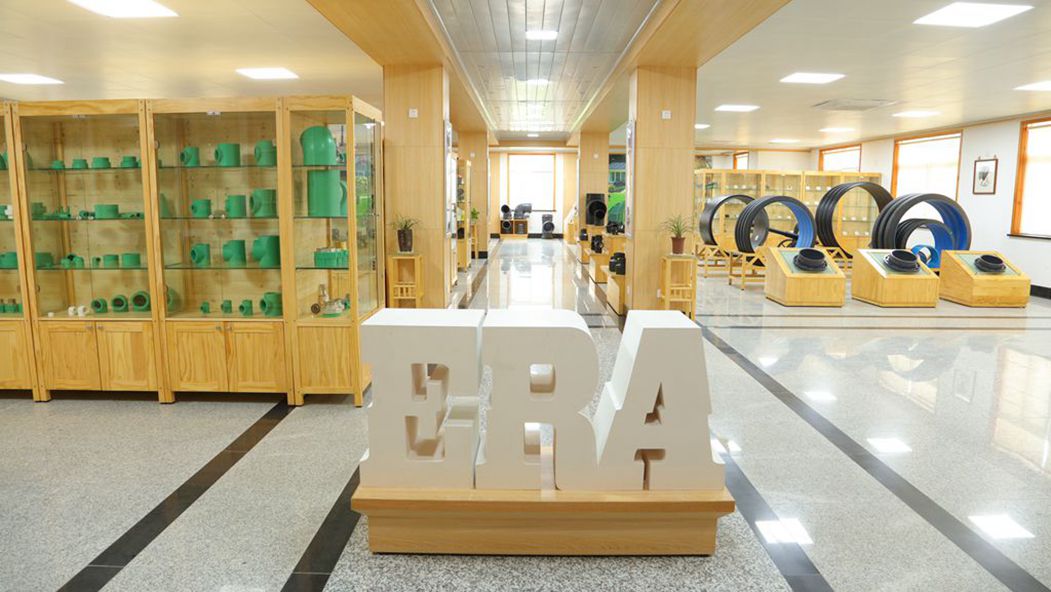
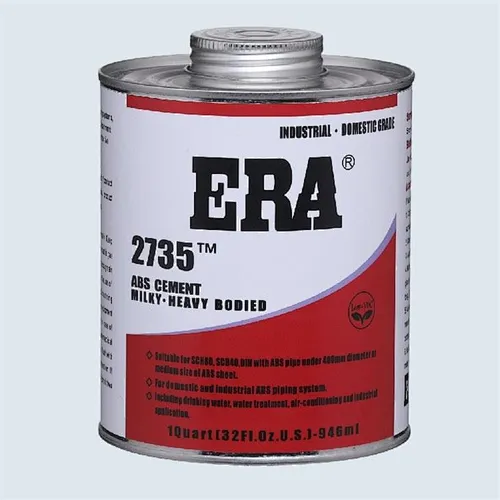
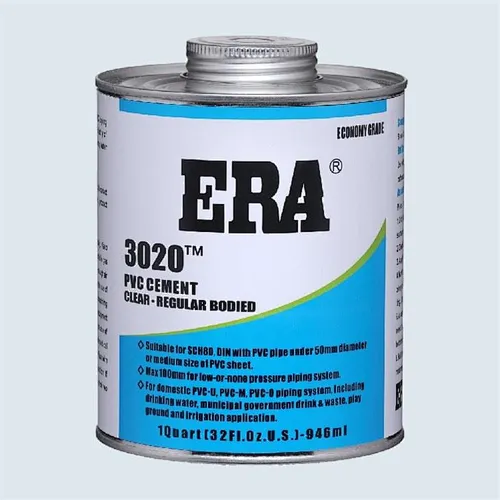
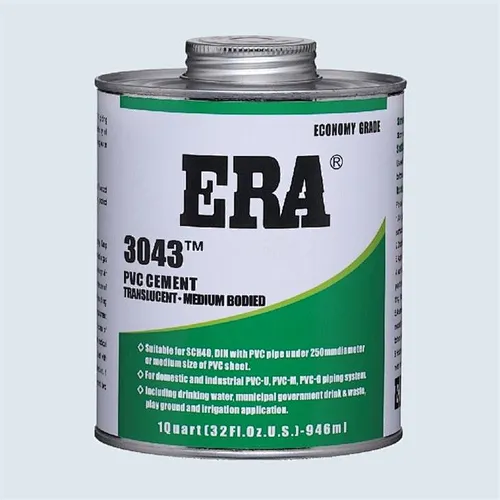
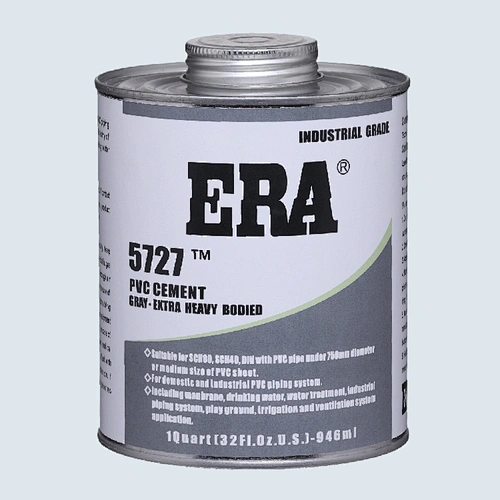
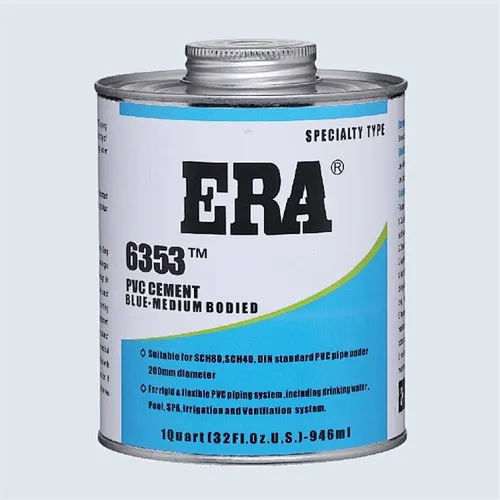
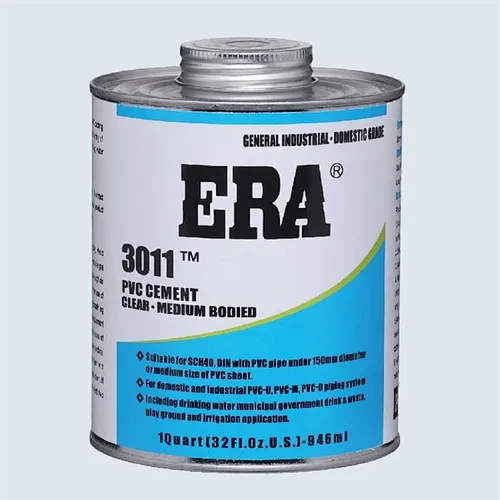
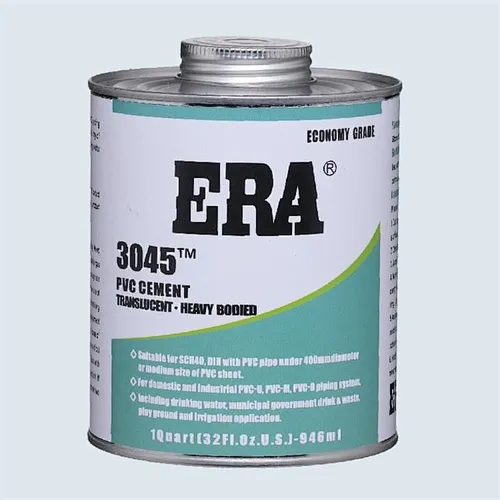
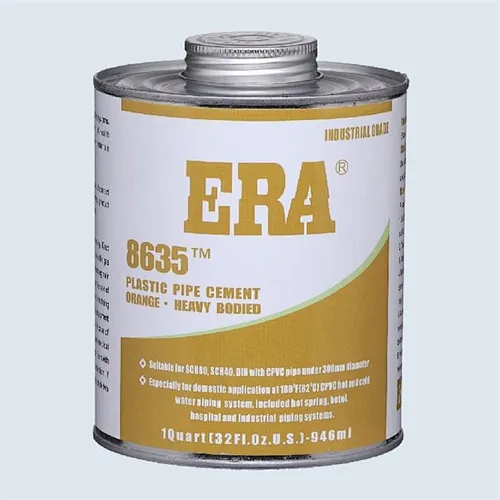
The Role of Plastic Cement in Pipe Systems
Plastic cement is crucial in ensuring the integrity and longevity of pipe systems. Here are some key aspects:
1. Chemical Bonding: Unlike mechanical fittings, plastic cement creates a chemical bond, which is much stronger and less prone to leaks. This bonding process involves the softening of the pipe and fitting surfaces, which then meld together as the solvent evaporates, forming a single, continuous piece of plastic.
2. Ease of Use: Applying plastic cement is straightforward, making it accessible for both professional plumbers and DIY enthusiasts. The process typically involves cleaning the surfaces, applying the cement, and then joining the pieces. The cement sets quickly, allowing for a fast and efficient installation process.
3.Versatility: Plastic cement can be used with various types of plastic pipes, including PVC, CPVC, and ABS. Each type of plastic may require a specific formulation of cement to ensure optimal bonding and performan
In different applications – from residential plumbing to industrial systems. This versatility makes plastic cement a valuable tool in a wide range of settings, ensuring that regardless of the plastic pipe used, there is an appropriate cement available for bonding.
4.Cost-Effectiveness: Compared to alternative joining methods, such as welding or the use of mechanical fittings, plastic cement is an economically advantageous choice. The cost of the cement itself is relatively low, and when considering the ease of application and the lack of need for specialized equipment, the overall cost of installation or repair using plastic cement becomes even more appealing.
5.Durability: When correctly applied, joints made with plastic cement are highly durable. They are resistant to a wide range of chemicals, reducing the risk of corrosion over time. Additionally, these joints can handle fluctuations in temperature and pressure, attributes that are particularly important in areas prone to extreme weather conditions or in industrial applications where process conditions can vary significantly.
6.Safety: Despite its strong bonding capabilities, plastic cement is designed with user safety in mind. Manufacturers have made significant strides in reducing the volatile organic compounds (VOCs) found in these products, resulting in cements that are less hazardous to use in enclosed spaces. Furthermore, advancements in formulations mean that users are less likely to experience skin or respiratory irritation, though it's still imperative to follow recommended safety precautions during use.
Continuing the Discussion on the Importance of Proper Application
The benefits of plastic cement in pipe systems are undeniable, but these advantages can only be fully realized through proper application. The key to maximizing the effectiveness of plastic cement lies in preparation and precision. For instance, ensuring that the pipe and fitting surfaces are thoroughly clean and free of any debris is crucial. Even a small amount of dirt or grease can compromise the chemical bond, leading to potential failure points.
Moreover, the application of the correct amount of cement is paramount. Too little cement may result in an incomplete bond, while too much can cause overflow, weakening the joint as excess cement can prevent the pieces from fitting together snugly. The techniques for applying cement vary slightly between different types of pipes and cements, highlighting the importance of understanding the specific requirements of the project at hand.
After joining the pieces, it's essential to hold them in place for the recommended period to allow the bond to set correctly. This period can vary based on the type of cement, the size of the pipes, and the ambient temperature and humidity levels. Failure to do so can result in a weak joint that may fail under pressure.
The Environmental Impact and Future Directions
While plastic cement plays a pivotal role in the construction and maintenance of durable pipe systems, it's also important to consider its environmental impact. The production and application of plastic cement contribute to the emission of VOCs, which are harmful to both indoor and outdoor air quality. As environmental awareness increases, there is a push toward developing greener alternatives that maintain the qualities of traditional plastic cement without the associated environmental drawbacks.
Research into bio-based solvents and the use of recycled plastics in the manufacturing of plastic cement are just two areas being explored. Additionally, the industry is seeing a move toward products that cure faster and with lower VOC content, aiming to reduce the overall environmental footprint of pipe installation and repair projects.
In conclusion, plastic cement is an indispensable component of modern plumbing and pipe systems, offering a combination of strength, durability, ease of use, and cost-effectiveness that is hard to beat. However, the correct application is crucial to harness these benefits fully, and ongoing developments in the field promise to address the environmental impacts associated with its use. As the industry evolves, so too will the techniques and materials, ensuring that plastic cement remains a key player in the construction and maintenance of efficient and reliable pipe systems.
Application Guidelines
To achieve the best results with plastic cement, it is important to follow proper application techniques. Here is a step-by-step guide:
1. Preparation:
o Clean the Surfaces: Ensure that the pipe and fitting surfaces are clean and free from dirt, grease, and debris. Use a cleaning solution recommended by the manufacturer.
o Dry the Surfaces: Make sure the surfaces are dry before applying the cement. Moisture can interfere with the bonding process.
2. Application:
o Apply Primer: For certain types of plastic, a primer may be required to prepare the surfaces. Apply the primer evenly and allow it to dry.
o Apply Cement: Use the applicator provided with the cement can to apply an even coat of cement to both the pipe and the fitting. Be generous with the application to ensure complete coverage.
3. Joining:
o Insert the Pipe into the Fitting: Immediately after applying the cement, insert the pipe into the fitting. Twist the pipe slightly to ensure even distribution of the cement.
o Hold in Place: Hold the joint together for a few seconds to allow the cement to begin setting. Avoid disturbing the joint during this initial curing period.
4. Curing:
o Allow Time to Cure: Refer to the manufacturer's instructions for the recommended curing time. It is crucial to allow the bond to fully set before subjecting the pipe to pressure.
o Wait for the Recommended Time: Refer to the cement manufacturer's instructions for the curing time. Different types and sizes of joints will have different curing times, which can range from several minutes to 24 hours before the joint is ready for use.
o No Pressure Testing: Do not attempt to pressure test the joint until the full recommended curing time has passed.
o Protect the Joint: Ensure the joint is protected from dust, dirt, and any disturbances while it is curing.
5. Insertion:
o Quickly Insert the Pipe: After the cement has been applied, immediately insert the pipe into the fitting while the cement is still wet. The cement will begin to set rapidly, so it’s crucial to align and insert the pipe as quickly as possible.
o Twist Slightly: Insert the pipe with a slight twisting motion to help distribute the cement evenly. The twist should be a quarter to a half turn.
o Hold Firmly: Once the pipe is fully inserted, hold both the pipe and fitting firmly together for 30 seconds to ensure the cement sets before the pipe can move. Avoid any movement during this time as it can compromise the seal.
6. Safety Precautions:
o Use in a Well-Ventilated Area: Plastic cement fumes can be harmful. Always work outdoors or in a well-ventilated area.
o Wear Protective Gear: Always wear gloves and safety glasses to protect your skin and eyes from contact with the primer and cement.
o Read the Label: Prior to using the cement, carefully read and follow all instructions and warnings provided by the manufacturer.
o Dispose of Properly: After using the cement, make sure to seal the can tightly. Dispose of any waste material in accordance with local regulations.
After adhering to these application guidelines, your plastic cement job should hold efficiently and last for the intended lifespan of the plastic materials used. Ensuring proper technique and safety measures are in place not only produces better results but also prevents future complications that may arise from an improperly executed bond.
Remember that with plastic cement, timing is critical. From the moment the surfaces are cleaned to the final steps of curing, attention and precision are critical for creating strong, lasting bonds. It's also important not to rush through the steps. While the process requires prompt action at certain stages, such as during insertion, overall it requires patience, especially during the curing stage.
In addition to these steps, it’s worthwhile to do a practice run before attempting the final application, particularly if you’re new to working with plastic cement. A trial run with similar materials can give you a feel for the timing and technique without the risk of ruining your actual workpiece.
For larger projects or those that require structural integrity, consider consulting a professional if you're unsure of the process. Making sure a joint is properly sealed with plastic cement can be critical for things like plumbing, so getting it right the first time is important.
Finally, remember that technology and products evolve over time. It's beneficial to keep an eye on the latest products and techniques that may improve the application process or provide a stronger bond. Manufacturers often update their instructions and recommendations based on new formulations or feedback, so before starting any new project, checking for the latest guidelines could save both time and effort.
To sum up, effective use of plastic cement hinges on thorough preparation, careful application, patience during the curing process, and adherence to safety precautions. Through this meticulous approach, you can expect professional-quality results that last.
Safety Considerations
When working with plastic cement, it is important to take appropriate safety precautions:
• Ventilation: Use plastic cement in a well-ventilated area to avoid inhaling fumes. If working indoors, ensure proper ventilation by opening windows or using exhaust fans.
• Protective Gear: Wear protective gloves and eyewear to prevent skin and eye contact with the cement.
• Storage: Store plastic cement in a cool, dry place away from heat sources and open flames. Ensure that the container is tightly sealed when not in use to prevent evaporation and maintain the cement's effectiveness.
Fire Safety: Plastic cement is highly flammable, and care must be taken to avoid ignition sources. Do not smoke or use open flames near the cement. Additionally, keep a fire extinguisher rated for chemical fires nearby in case of an emergency.
First Aid: Familiarize yourself with first aid procedures in case of accidental exposure. If skin contact occurs, wash immediately with soap and water. If eye contact occurs, rinse with plenty of water for at least 15 minutes and seek medical attention. If inhaled and symptoms such as dizziness or respiratory distress appear, move to fresh air immediately and seek medical help if necessary.
Disposal: Dispose of any used containers or excess material properly, according to local regulations. Do not pour plastic cement down drains or into the environment, as it can be harmful to ecosystems.
Usage Tips:
- Application: When applying plastic cement, use tools that allow for precise control, such as brushes or applicator bottles. This helps ensure that the cement is applied only where needed and minimizes waste.
- Curing Time: Allow adequate time for the plastic cement to cure before handling the bonded objects. Patience is key; moving or using the items too soon can weaken the bond.
- Cleaning: If any spills occur during use, clean them up immediately with the appropriate solvent recommended by the manufacturer. Always follow the solvent's safety instructions and use sparingly to avoid damaging surrounding surfaces.
Environmental Considerations:Chhoosing environmentally-friendly options whenever possible can significantly reduce the harmful impact of plastic cement. There are products available that have lower volatile organic compounds (VOCs), which are less harmful to both humans and the environment.
Product Alternatives: If possible, consider using alternative adhesives that may pose fewer health and safety risks. Water-based adhesives or natural glues can be feasible substitutes for certain projects.
Storage and Shelf Life:
Proper storage extends the shelf life of plastic cement. Ensure the container is sealed tightly after each use to prevent evaporation and the formation of a hardened layer. Store the cement in a designated area that is free from dust and contaminants, which can compromise the quality of the adhesive. Check the product’s expiration date and replace it as needed to ensure optimal performance.
Handling Large Projects:
For large-scale applications, divide the project into smaller sections to manage the application process more effectively. Working in smaller areas helps maintain control over the cement and minimizes the risk of exposure to fumes in a concentrated area.
Training and Education:
For workplaces that frequently use plastic cement, provide training sessions for employees to ensure everyone understands the proper use, safety measures, and first aid procedures. Keeping safety data sheets (SDS) for the specific type of plastic cement being used can offer valuable information during training and in everyday use. Employees should feel empowered to speak up about safety concerns or suggestions regarding the use of plastic cement.
Mixing and Compatibility:
If the plastic cement requires mixing with other substances, always follow the manufacturer’s instructions precisely. Incorrect mixing ratios can compromise the adhesive’s effectiveness and may result in hazardous reactions. Additionally, check the compatibility of plastic cement with the materials it will bond. Not all plastic cements work with all types of plastic, so choosing the right product is critical to ensure a strong bond and avoid damage to the materials.
Emergency Preparation:
Being prepared for emergencies is crucial. Maintain a clear and accessible first aid kit, and ensure that all relevant emergency contact information is readily available. This preparation can make a significant difference in quickly addressing any accidents and mitigating potential harm.
Responsible Usage:
Be mindful of using the correct amount of plastic cement for each task. Over-application can lead to wastage and unnecessary exposure to the chemicals. By adhering to recommended quantities, the safety and efficiency of the work can be maintained.
Conclusion:
Plastic cement is a versatile and powerful adhesive, ideal for a wide range of projects. However, its chemical properties necessitate strict safety considerations to protect users from potential harm. By adhering to safety guidelines, using protective gear, providing proper ventilation, and staying informed about first aid measures, users can significantly reduce the risks associated with plastic cement. Additionally, considering environmentally-friendly alternatives and remaining vigilant about proper storage and usage further enhance safety. The goal is to balance the benefits of plastic cement with responsible practices to ensure a safe and effective application every time.
FAQ:
1.What is your MOQ?
Our MOQ is usually 5 CTNS.
2.What is your delievery time?
The time of delievery is around 30-45days.
3.What is the shipping port?
We ship the goods via Ningbo or Shanghai port.
4.What is your payment terms?
We accept 30% T/T in advance,70% in the period of shipment or 100% L/C.
5.How should I contact you?
You can contact us with Trade Manager or send us an email by click Contact Supplier bottom.
6.What is the location of your company?
Our company is located in the Taizhou Zhejiang Province,China.
If you would like to have a visit, you are much welcome.
7.How about the samples?
We could send you the samples ,most samples are free to send to most places in China.If sent to other countries,transport fee shoule be paid by you.
8.Why choose us?
1 Genuine produces with excellent quality and competitive price.
2 Cooperating with the customers all over the world and knowing the markets very well.
3 ERA is a listed company. Everything can be rest assured working with us.
4 After- Services will be highly-satisfied. Any problems and feedbacks will be answered in a short of time.
Our Services:
1. Any inquiries will be replied within 24 hours
2. Professional manufacturer.
3. OEM is available.
4. High quality, standard designs, reasonable&competitive price, fast lead time.
5. Faster delivery: Sample will be prepared in 2-3days.
6. Shipping: We have strong cooperation with DHL, TNT, UPS, MSK, China Shipping, etc.
7. You can also choose your own shipping forwarder.


 English