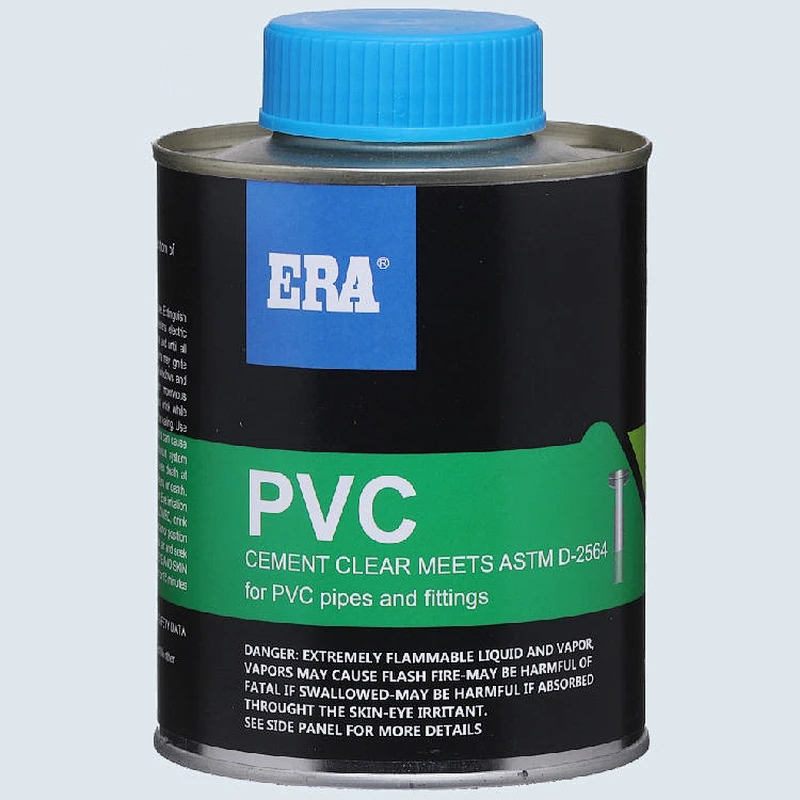
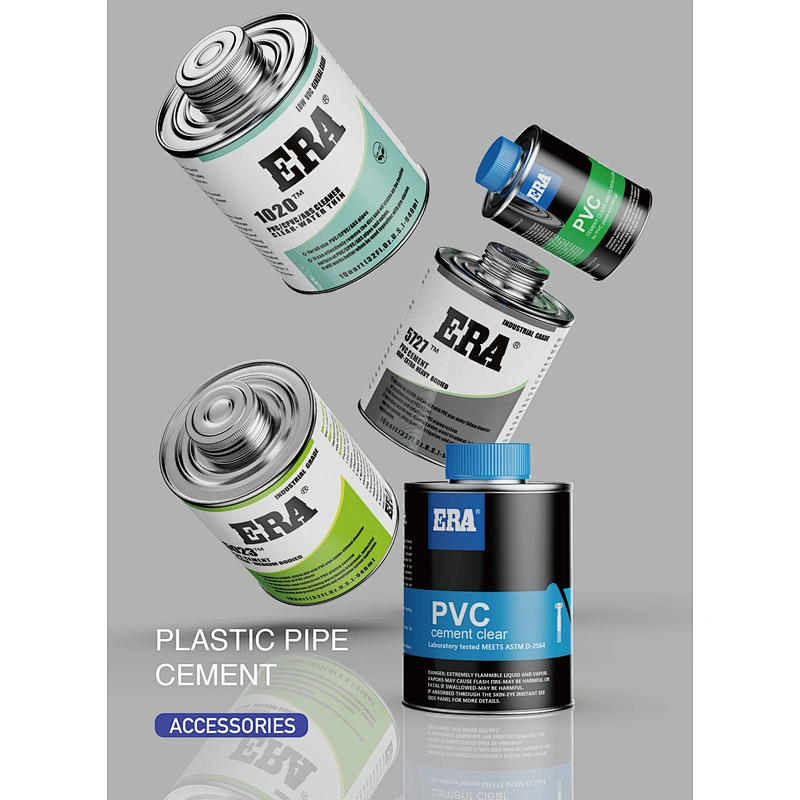
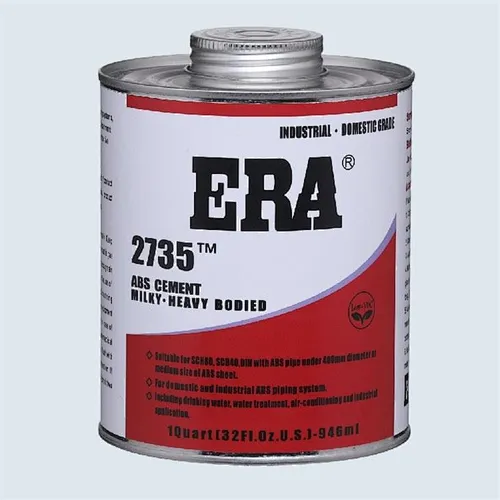
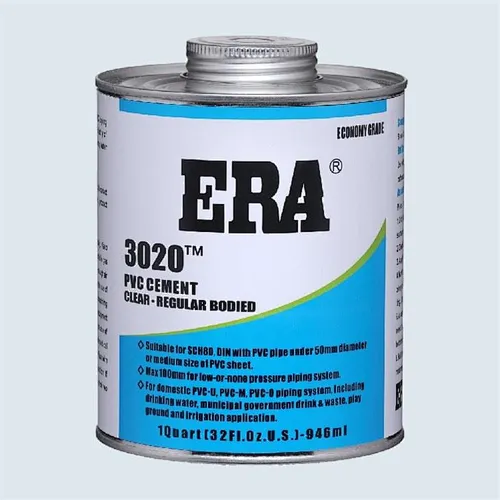
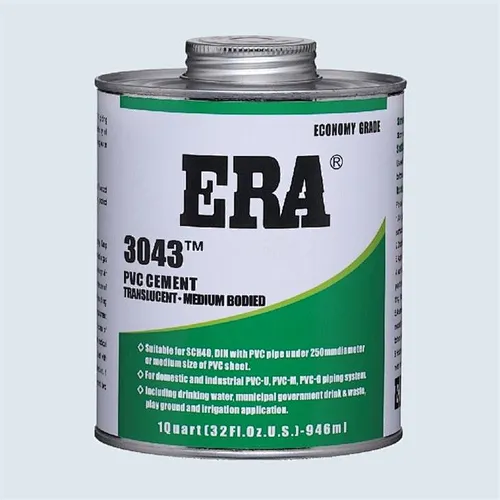
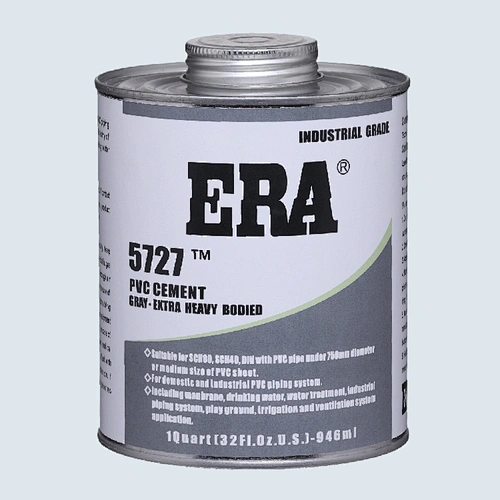
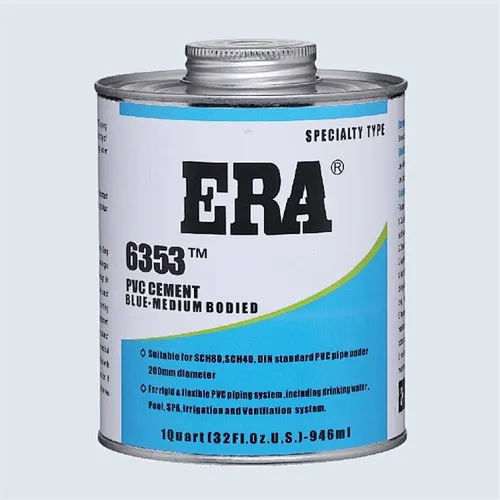
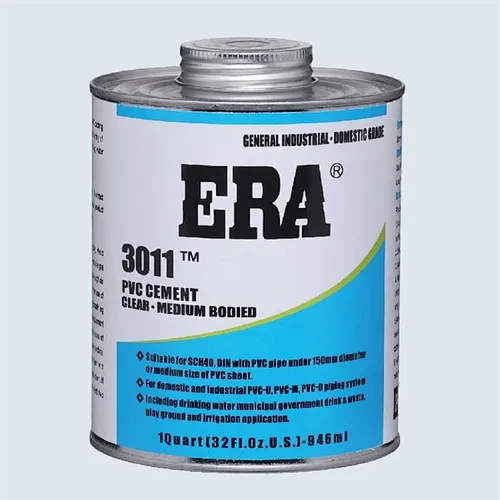
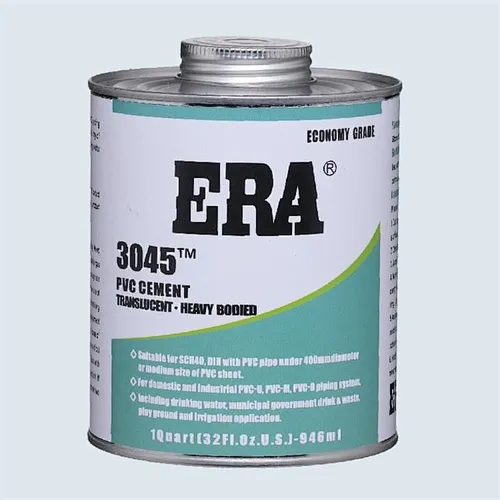
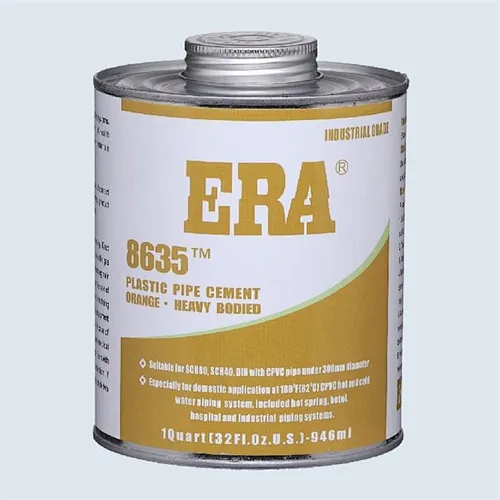
★ It can be cured at room temperature, easy to operate, high bonding strength, fast positioning, high elasticity, soft film, non-toxic curing substance and many other advantages;
★ Excellent water resistance, heat resistance, acid resistance, alkali resistance, corrosion resistance, oil resistance and no whitening and other excellent characteristics.
★ Widely used, can be used for PVC, PE, PP, ABS, PS, PMMA, nylon, sponge, film, metal, non-metal and other materials of mutual adhesion and cross bonding.
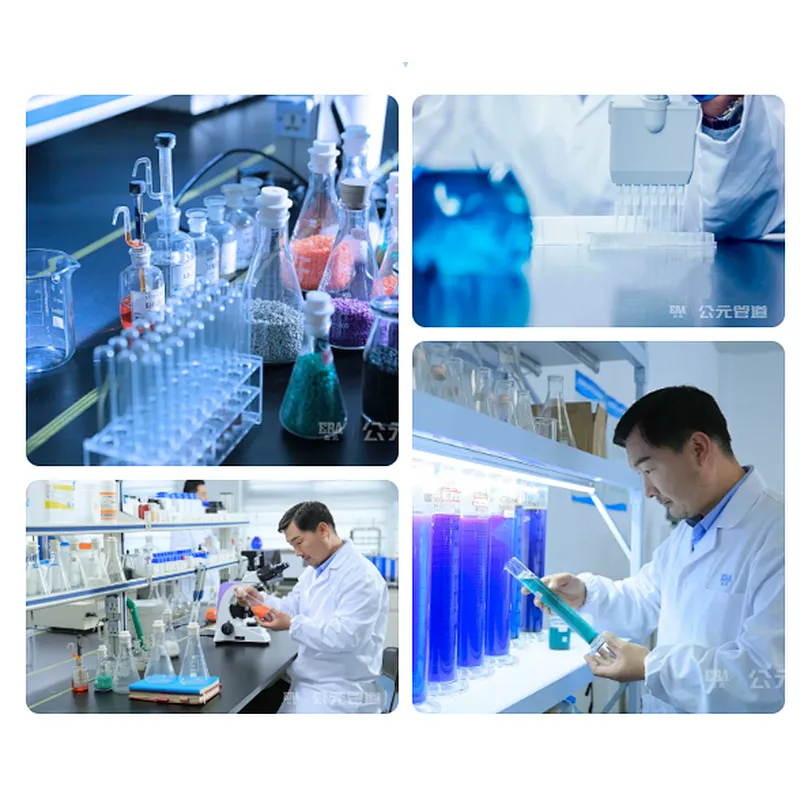
The chemical composition of PVC glue includes polyvinyl chloride resin, plasticizers, and solvents. These solvents are mainly carbon tetrachloride and toluene, which can quickly dissolve the surface of plastics and promote physical bonding. The reasonable ratio and interaction of these components determine the performance and use of PVC adhesive.
Firstly, polyvinyl chloride resin is the main component of PVC adhesive, providing the foundation structure and mechanical strength. Polyvinyl chloride (PVC) is a polymer material with excellent chemical corrosion resistance and electrical insulation properties. This makes PVC glue very popular in pipeline connections, building materials, and other applications that require strength and durability.
The addition of plasticizers is to improve the plasticity of polyvinyl chloride, making it more flexible during use. Plasticizers are usually high boiling organic compounds that lower the glass transition temperature of polyvinyl chloride through physical interactions with its molecules, making the material easier to handle. Common plasticizers include phthalate ester compounds such as dioctyl phthalate (DOP) and diisooctyl phthalate (DINP). These plasticizers can not only improve the flexibility of materials, but also increase their impact resistance and aging resistance.
The role of solvents in PVC adhesive is crucial. Carbon tetrachloride and toluene are two commonly used solvents that can quickly dissolve the surface layer of PVC, causing it to soften and expand. When two pieces of PVC material come into contact and are pressurized under the action of a solvent, the PVC molecules on the surface penetrate each other, forming a strong physical bond. After the solvent evaporates, the molecular structure of the bonding site is rearranged, restoring its original strength and rigidity, thereby achieving a long-lasting bonding effect.
In addition, other additives may be added to the formula of PVC adhesive to improve its performance. For example, stabilizers can prevent material degradation during processing; Fillers can increase the hardness and wear resistance of materials; Pigments can give materials the desired color. The reasonable use of these additives enables PVC glue to meet various application needs.
In practical applications, PVC glue is widely used for connecting and repairing PVC pipeline systems. Its construction method is simple and convenient, just apply an appropriate amount of PVC glue at the pipeline connection, align the pipeline joint and press it for a moment to form a firm connection. This connection method is not only efficient, but also ensures the sealing and durability of the pipeline system.
In addition to its application in pipeline systems, PVC glue is also used for manufacturing and repairing various PVC products. For example, PVC sheets, PVC films, and PVC flooring can all be spliced and repaired with PVC glue. These products are widely used in fields such as construction, furniture, packaging, etc., greatly facilitating people's lives and production.
However, despite the excellent performance of PVC adhesive in many fields, its use is also accompanied by some safety and environmental issues. Firstly, solvents such as carbon tetrachloride and toluene are toxic chemicals that pose certain risks to human health. Especially carbon tetrachloride, it has carcinogenicity and reproductive toxicity. Therefore, when using PVC adhesive, it is necessary to ensure good ventilation conditions and avoid inhaling solvent vapors. In addition, operators should wear appropriate protective equipment such as gloves and masks to reduce the risk of direct contact with solvents.
In terms of environmental protection, the solvents contained in PVC glue will release volatile organic compounds (VOCs) during the volatilization process, which are one of the main components of air pollution and have a certain negative impact on the environment. In order to reduce VOC emissions, countries have formulated relevant regulations and standards, limited the use of solvents, and encouraged the development and use of low VOC or VOC free alternatives. In recent years, environmentally friendly PVC adhesives have gradually received attention, and their composition and manufacturing processes have been continuously optimized to meet higher environmental requirements.
In short, PVC adhesive, as an important bonding material, has become an indispensable part of modern industry and construction due to its excellent performance and wide range of applications. In the future, with the advancement of technology and the strengthening of environmental awareness, the formula and usage of PVC glue will continue to improve, providing people with safer, more efficient, and environmentally friendly solutions.
The chemical composition of PVC glue includes polyvinyl chloride resin, plasticizers, and solvents. These solvents are mainly carbon tetrachloride and toluene, which can quickly dissolve the surface of plastics and promote physical bonding. When applying PVC glue, construction personnel must wear appropriate protective equipment such as gloves and masks to prevent contact and inhalation of harmful chemicals.
In a typical installation process, the first step is to clean and dry the joints of pipes and fittings to remove any dust, grease, or other contaminants. Next, use a brush to evenly apply a layer of PVC adhesive on both joint surfaces. Within a few minutes after application, construction personnel need to quickly connect and secure the pipes and fittings in the appropriate position to ensure that the adhesive forms a tight seal before curing.
The curing time of PVC glue is usually very short, about a few minutes to cure and form, but it may take several hours to a day to fully harden and reach maximum strength. This curing process is achieved through solvent evaporation and chemical crosslinking of PVC resin, so it is very important to maintain ventilation in the bonding area.
Although PVC glue provides a powerful solution, its chemical composition also raises environmental concerns. Carbon tetrachloride and toluene are known environmental and health hazards, and long-term exposure can lead to serious respiratory and other health problems. Therefore, many manufacturers and research institutions are looking for more environmentally friendly alternatives that can provide the same bonding performance without harmful side effects.
In the development of environmentally friendly alternatives, a widely researched new adhesive is PVC glue based on bio based materials. These materials, such as natural resins and vegetable oils, are used to replace traditional chemical solvents and reduce the emission of harmful substances. In addition, these bio based adhesives also have the advantage of biodegradability, which allows them to decompose quickly in the natural environment after use, reducing their long-term impact on the environment.
The development of these environmentally friendly PVC adhesives is not only environmentally friendly, but also in line with increasingly strict global environmental regulations and market demand. Although the cost of these new adhesives is usually higher than traditional products, their long-term environmental benefits and gradually increasing market acceptance make them an increasingly popular choice.
For industrial applications, the choice of PVC adhesive depends not only on its bonding performance, but also on its environmental impact and sustainability. With the advancement of technology and increasing environmental awareness, we expect more innovative solutions to emerge in the coming years, which will further optimize the installation process of plastic pipes while reducing the burden on the environment.
Ultimately, the bonding and installation of plastic pipes is a complex engineering task that involves multiple fields such as materials science, chemical engineering, and environmental science. Through continuous research and innovation, we are able to provide safer, more environmentally friendly, and more efficient bonding technologies to meet increasingly complex industrial demands and environmental challenges. With the promotion and application of new technologies, the future of plastic pipeline installation will be brighter, bringing greater social and environmental benefits.
In addition to its strength and durability, modern plastic glue have also become more environmentally friendly. Manufacturers have been working tirelessly to reduce the volatile organic compounds (VOCs) in their formulas, thus lessening the environmental impact of their use. Newer adhesives are being developed that offer low-VOC options while still retaining the strong bonding properties needed for plastic pipe installation.
Despite these glue, the application of plastic cement remains a task that must be approached with precision and care. It begins with the preparation of the pipe surfaces, which should be clean and free from any dirt, grease, or moisture. A primer is often applied before the cement to prepare the plastic and ensure a better bond. The cement itself needs to be applied evenly and quickly, as it begins to set rapidly upon exposure to air. After application, the pieces must be joined and held firmly in place for several seconds to allow the bond to take hold. Curing times can vary, but it is generally recommended that the system should not be tested or put into use until the cement has completely hardened, which could take several hours or more.
The future of plastic pipe systems lies in not only improving the glue but also in the innovation of the pipes themselves. Researchers are constantly looking for ways to enhance the materials to be more durable, flexible, and resistant to varying temperatures and pressures. Cross-linked polyethylene (PEX), for instance, has seen a rise in popularity for its durability and flexibility. When coupled with advanced plastic glue, these pipe systems are more reliable than ever, with applications across residential, commercial, and industrial settings.
Despite these technological glue, it's important to remember that the installation is only as good as the craftsman. Training and knowledge of the latest standards and techniques are paramount for anyone looking to work in the field of plastic piping. Moreover, the correct selection of the cement itself is a critical factor. There are different types of plastic cement, formulated for specific materials and applications, such as PVC, CPVC, or ABS. Using the wrong type of cement can result in weak joints and system failures.
It is also essential to consider the impact of external factors on the plastic pipe systems. UV exposure, chemical interactions, and thermal expansion are all elements that can affect the integrity of the pipes over time. For example, PVC pipes should not be used where they are exposed to UV light unless they are specifically formulated for that purpose or are protected. Furthermore, thermal expansion can cause pipes to lengthen or shorten with temperature changes, potentially stressing the joints and bonds. Modern plastic cement formulations take these factors into account, allowing for a certain degree of flexibility and expansion without sacrificing the integrity of the joint.
As regulations concerning building materials and environmental standards become more stringent, the industry will continue to evolve, and plastic cement composition will need to address these concerns. The push towards sustainable practices may lead to the invention of bio-based adhesives or recycling programs for plastic piping and cement containers.
In conclusion, while plastic cement continues to play a central role in the performance of plastic pipe systems, it is the combination of glue in the cement, pipe materials, application techniques, and environmental considerations that will ensure the longevity and reliability of such systems in the future. The bond between the pipes may be invisible once set, but it is a testament to the wealth of science, technology, and skill that goes into even the most routine of installations. Looking ahead, the industry will no doubt persevere in its quest to provide robust and sustainable piping systems to meet the demands of a growing and evolving world.
Conclusion
Plastic cement plays a vital role in the installation and maintenance of plastic pipe systems. Its ability to create strong, durable, and leak-proof bonds makes it an indispensable tool for professionals and DIY enthusiasts alike. By following proper application techniques and safety precautions, users can ensure the longevity and reliability of their pipe systems. As technology advances, the formulations of plastic cement continue to improve, offering even better performance and ease of use in a wide range of applications.
One of the most significant glue in plastic cement technology is the development of eco-friendly formulations. Traditional plastic glue often contain volatile organic compounds (VOCs) that can be harmful to both human health and the environment. In response to growing environmental concerns, manufacturers have begun to produce plastic glue with reduced VOC content, or even entirely VOC-free alternatives. These new formulations not only minimize health risks but also reduce the environmental impact, making them an excellent choice for environmentally conscious consumers.
Another exciting development is the introduction of faster-setting plastic glue. These products significantly reduce the waiting time required for the cement to cure, allowing for quicker installation and repair of plastic pipe systems. This is particularly beneficial in emergency situations where time is of the essence, as well as in large-scale projects where efficiency is crucial. Faster-setting glue are formulated to achieve high strength in a shorter period without compromising the integrity of the bond, ensuring reliable performance.
In addition to improvements in curing time, modern plastic glue are designed to offer superior resistance to various environmental factors. For instance, new formulations provide enhanced resistance to UV radiation, preventing the breakdown of the cement when exposed to sunlight. This is especially important for outdoor applications where pipes are subject to direct sunlight. Similarly, glue in chemical resistance have made plastic glue more suitable for use in harsh industrial environments where they may be exposed to corrosive substances.
The versatility of plastic cement has also been expanded through the development of multi-purpose formulations. These products are designed to bond a variety of plastic materials, including PVC, CPVC, ABS, and others. This eliminates the need for multiple types of cement, simplifying the installation process and reducing costs for users. Multi-purpose plastic glue are particularly useful in complex systems where different types of plastic pipes are used together, ensuring consistent and reliable bonds across all connections.
Alongside these technological glue, there has been a focus on improving the user-friendliness of plastic cement products. Manufacturers have introduced new packaging designs that make application easier and more precise. For example, squeeze bottles with fine applicator tips allow for controlled dispensing of the cement, reducing waste and mess. Some products also come with built-in brushes or applicators, further simplifying the process and ensuring even distribution of the cement.
Safety remains a top priority in the development of plastic cement products. New formulations are designed to be safer to handle, with reduced odor and lower toxicity levels. Additionally, manufacturers provide clear instructions and safety guidelines on their packaging, helping users to apply the cement correctly and safely. Protective gear, such as gloves and masks, is still recommended to minimize exposure to any potentially harmful substances.
The glue in plastic cement technology are complemented by ongoing research and development efforts. Scientists and engineers are continually exploring new materials and formulations to enhance the performance and safety of plastic glue. Innovations such as nanotechnology and bio-based materials hold promise for the future, potentially leading to even stronger, more durable, and environmentally friendly plastic glue.
As plastic cement continues to evolve, its applications extend beyond traditional pipe systems. For instance, plastic cement is increasingly used in the construction of modular buildings and prefabricated structures, where its ability to create strong, lightweight bonds is highly valued. In the automotive industry, plastic cement is used for bonding plastic components, contributing to the production of lighter and more fuel-efficient vehicles. The electronics industry also benefits from the precision and reliability of plastic cement in the assembly of various devices and components.
In conclusion, plastic cement remains a critical component in the installation and maintenance of plastic pipe systems, thanks to its ability to form strong, durable, and leak-proof bonds. The continuous glue in plastic cement technology, including eco-friendly formulations, faster curing times, enhanced resistance to environmental factors, and improved user-friendliness, ensure that it meets the evolving needs of professionals and DIY enthusiasts alike. As research and development efforts continue, we can expect even more innovative solutions that will further enhance the performance and safety of plastic cement in a wide range of applications. Whether in plumbing, construction, automotive, or electronics, plastic cement will continue to play a vital role in creating reliable and sustainable connections.
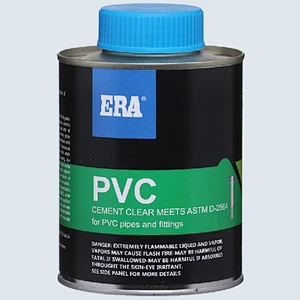
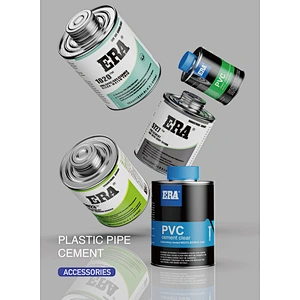
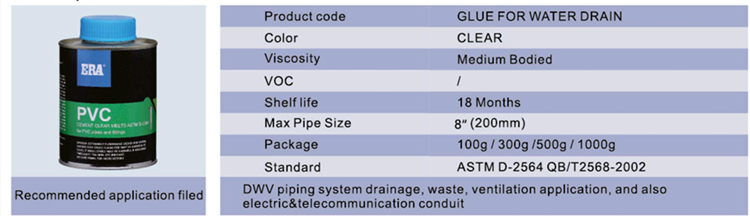
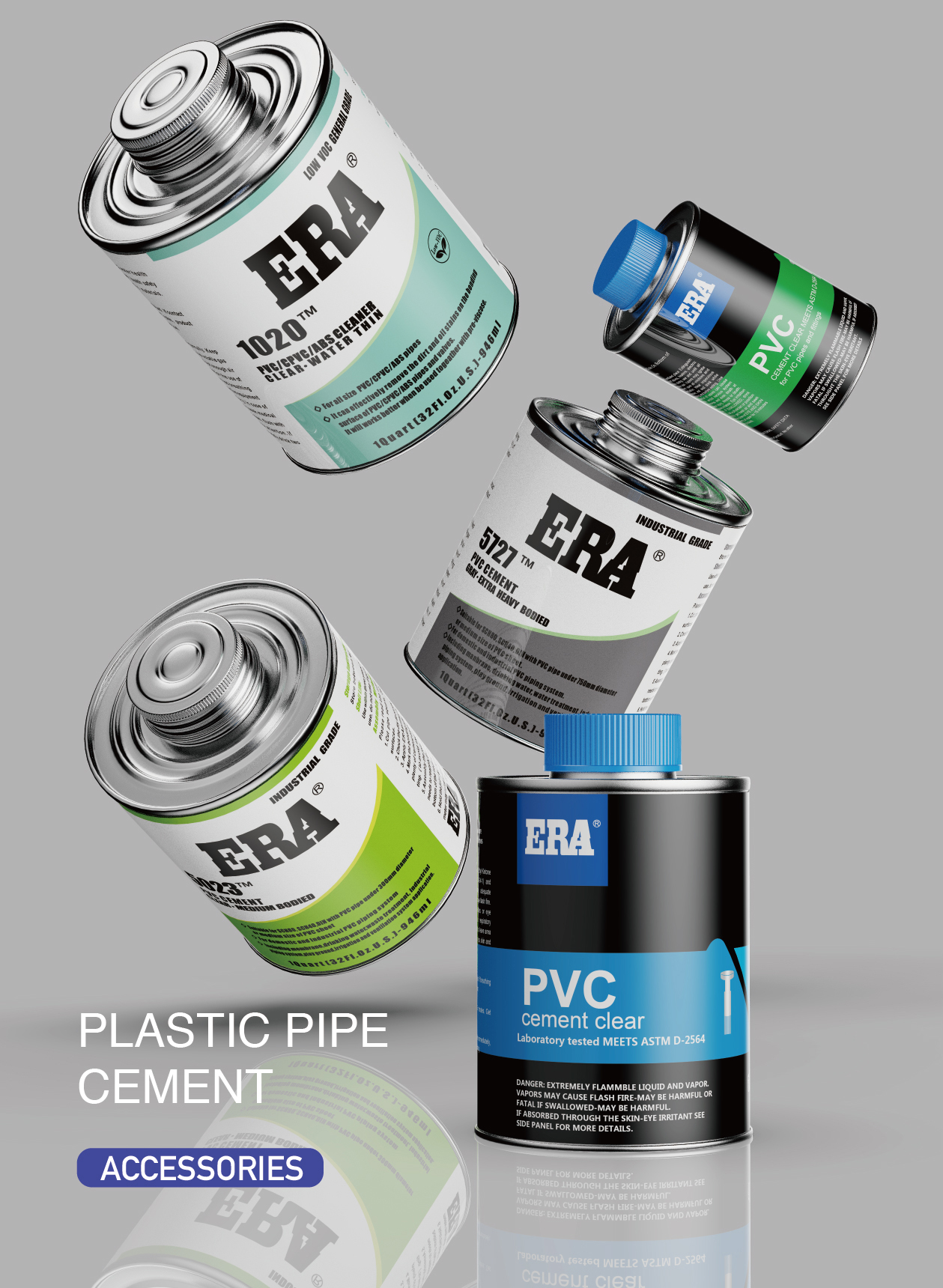
PVC glue products are single-component new transparent solution glue, designed to remove difficult transparent or white PVC plastic products and research and development of special transparent PVC plastic glue products, can be used in plastic and plastic, plastic and metal, plastic and non-metal mutual adhesion or cross bonding problems.
The innovative properties of PVC glue products make them highly versatile and efficient for a wide range of applications. One of the primary advantages of this type of glue is its excellent bonding strength, which ensures that the adhered surfaces remain firmly attached under various conditions. This makes PVC glue ideal for use in industries where durability and reliability are paramount.
In the construction industry, for example, PVC glue is often used for bonding PVC pipes and fittings. The strong adhesive properties of the glue ensure that the joints are leak-proof and can withstand high pressure, making it a preferred choice for plumbing and water supply systems. Additionally, the transparent nature of the glue provides an aesthetically pleasing finish, which is particularly important in visible installations.
Furthermore, PVC glue is widely used in the manufacturing of household items. From plastic furniture to kitchen utensils, the glue provides a strong and durable bond that can withstand daily wear and tear. Its ability to bond with both plastic and metal surfaces makes it an excellent choice for repairing broken items, extending their lifespan and reducing waste.
In the automotive industry, PVC glue is employed for various purposes, including the assembly of interior components and the repair of plastic parts. The glue's resistance to heat and chemicals ensures that the bonded surfaces remain intact even in the harsh conditions of a vehicle's interior. This makes PVC glue an essential material for ensuring the safety and longevity of automotive components.
The versatility of PVC glue extends to the electronics industry as well. It is used for bonding plastic casings, securing components in place, and even in the manufacturing of circuit boards. The glue's excellent electrical insulation properties make it a reliable choice for ensuring the safety and functionality of electronic devices.
One of the notable features of PVC glue is its ease of application. The glue can be applied using a brush, roller, or spray, depending on the requirements of the project. This flexibility in application methods makes it suitable for both small-scale DIY projects and large-scale industrial applications. Additionally, the glue has a relatively quick drying time, allowing for efficient and timely completion of tasks.
Environmental considerations are also taken into account in the formulation of PVC glue. Many products are designed to be low in volatile organic compounds (VOCs), reducing their impact on air quality and making them safer for use in enclosed spaces. This is particularly important in industries such as construction and manufacturing, where workers may be exposed to the adhesive for extended periods.
The development of PVC glue has also led to advancements in the repair and maintenance of PVC products. Specialized formulations are available for specific applications, such as underwater repairs or high-temperature environments. These specialized glues provide solutions for unique challenges, ensuring that PVC products can be effectively repaired and maintained in any situation.
In recent years, there has been a growing interest in eco-friendly and sustainable adhesive solutions. Researchers and manufacturers are continually working on developing PVC glue products that are not only effective but also environmentally responsible. This includes the use of renewable resources in the production of the glue and the development of biodegradable formulations. These efforts are aimed at reducing the environmental impact of adhesive products and promoting sustainability in various industries.
Overall, the continued innovation in PVC glue products demonstrates their importance and versatility across multiple sectors. As technology advances and new materials are developed, PVC glue will likely continue to evolve, providing even more effective and sustainable solutions for bonding needs. Whether in construction, manufacturing, automotive, or electronics, PVC glue remains a critical component in ensuring the durability and reliability of products and systems.
Looking ahead, the future of PVC glue products appears promising. With ongoing research and development, we can expect to see new formulations that offer even greater performance and environmental benefits. These advancements will not only improve the quality and longevity of PVC products but also contribute to a more sustainable and eco-friendly industry. As the demand for high-performance adhesives continues to grow, PVC glue will undoubtedly play a key role in meeting the needs of various applications while promoting a greener and more sustainable future.
FAQ:
1.What is your MOQ?
Our MOQ is usually 5 CTNS.
2.What is your delievery time?
The time of delievery is around 30-45days.
3.What is the shipping port?
We ship the goods via Ningbo or Shanghai port.
4.What is your payment terms?
We accept 30% T/T in advance,70% in the period of shipment or 100% L/C.
5.How should I contact you?
You can contact us with Trade Manager or send us an email by click Contact Supplier bottom.
6.What is the location of your company?
Our company is located in the Taizhou Zhejiang Province,China.
If you would like to have a visit, you are much welcome.
7.How about the samples?
We could send you the samples ,most samples are free to send to most places in China.If sent to other countries,transport fee shoule be paid by you.
8.Why choose us?
1 Genuine produces with excellent quality and competitive price.
2 Cooperating with the customers all over the world and knowing the markets very well.
3 ERA is a listed company. Everything can be rest assured working with us.
4 After- Services will be highly-satisfied. Any problems and feedbacks will be answered in a short of time.
Our Services:
1. Any inquiries will be replied within 24 hours
2. Professional manufacturer.
3. OEM is available.
4. High quality, standard designs, reasonable&competitive price, fast lead time.
5. Faster delivery: Sample will be prepared in 2-3days.
6. Shipping: We have strong cooperation with DHL, TNT, UPS, MSK, China Shipping, etc.
7. You can also choose your own shipping forwarder.


 English