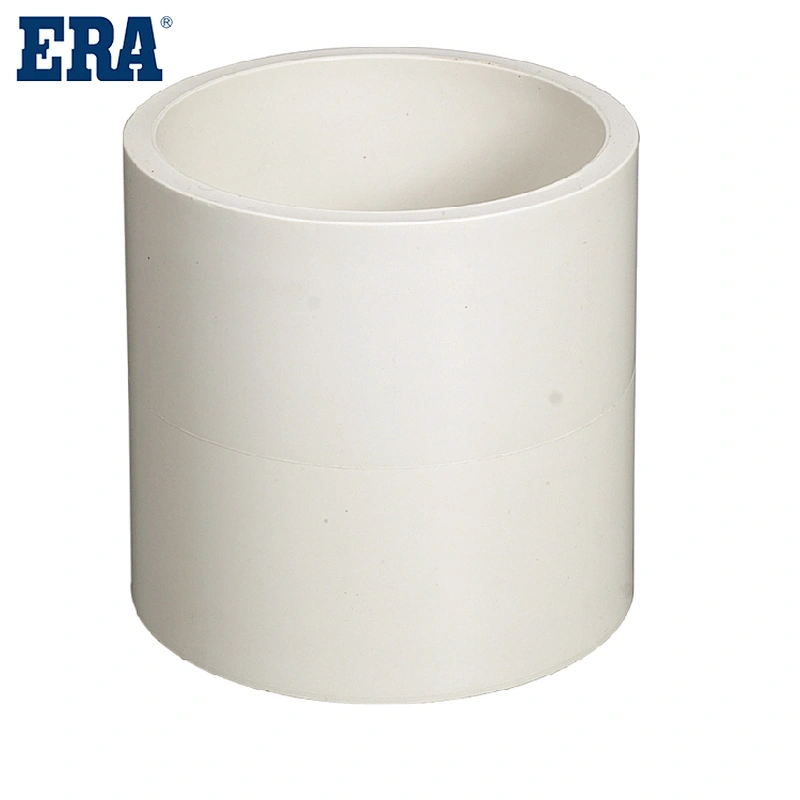
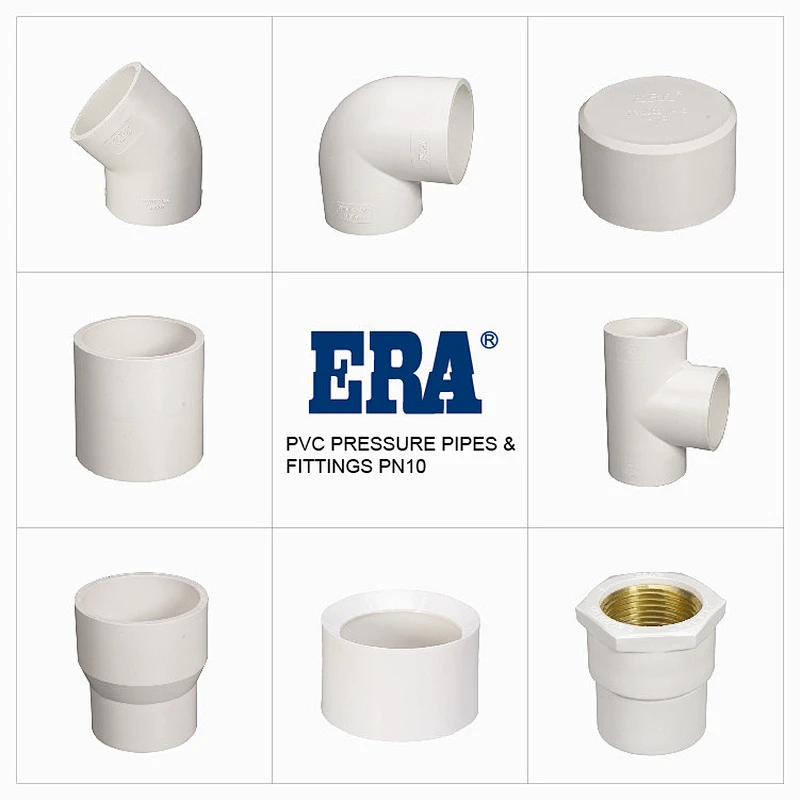
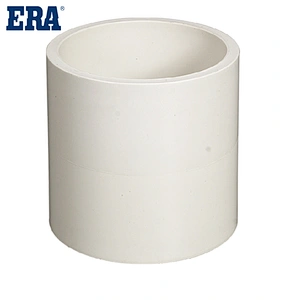
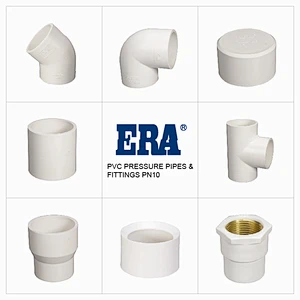
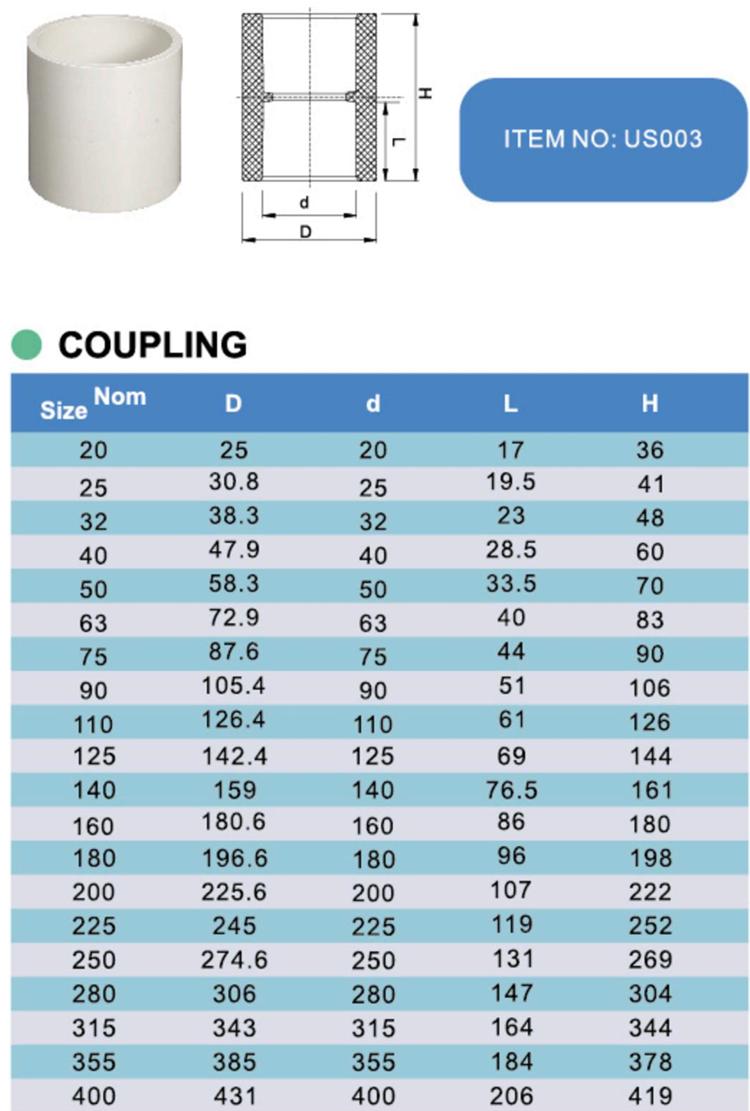
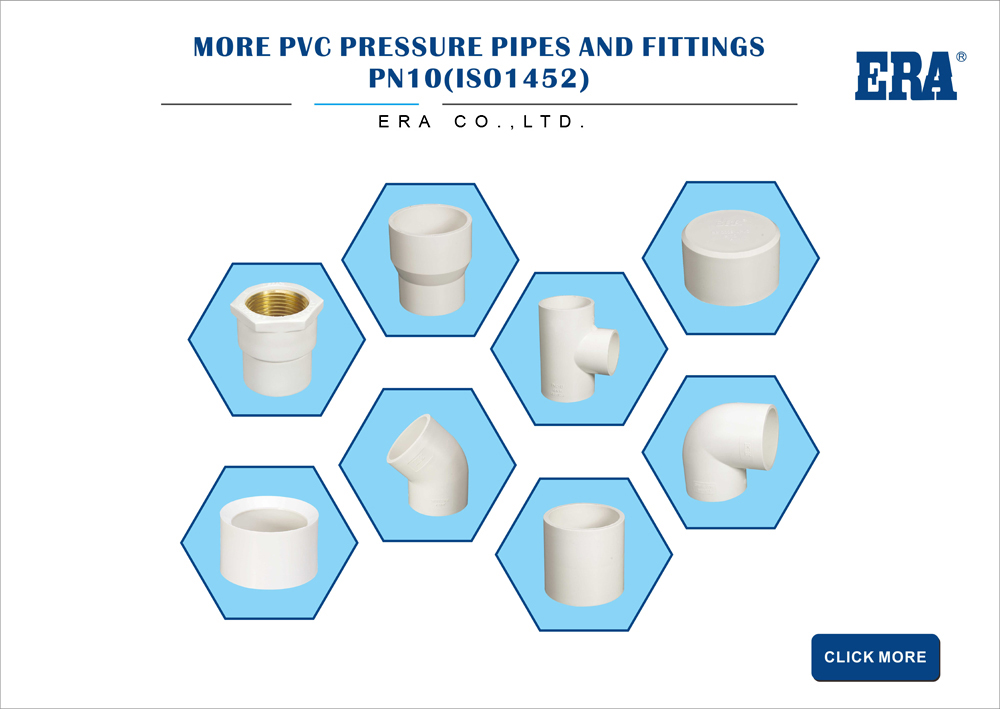
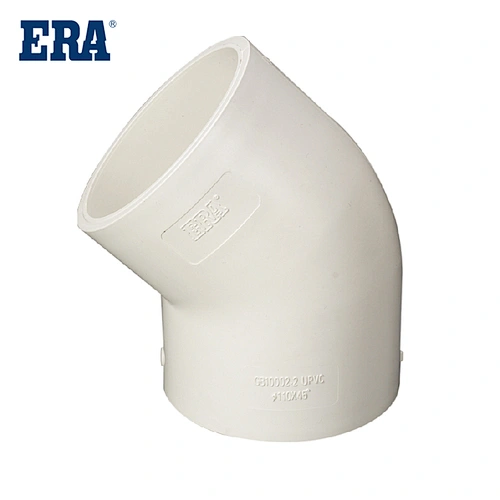
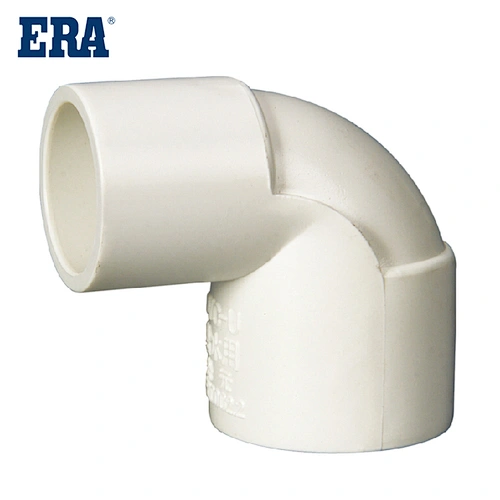
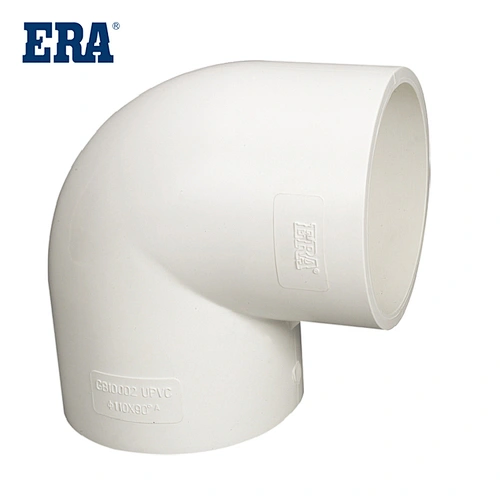
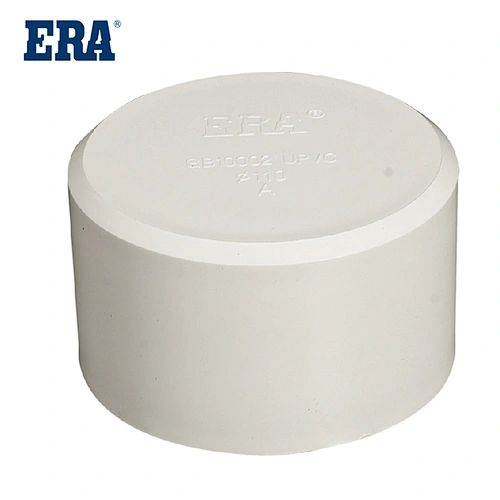
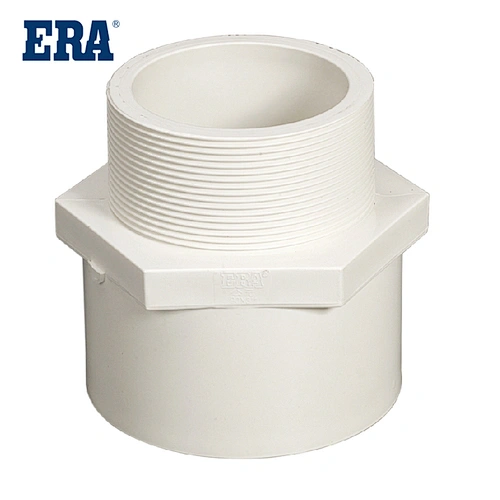
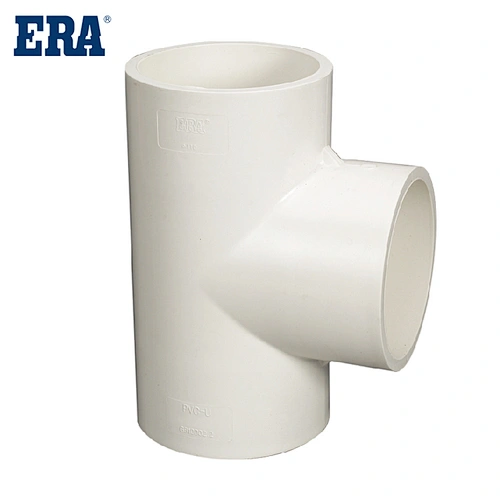
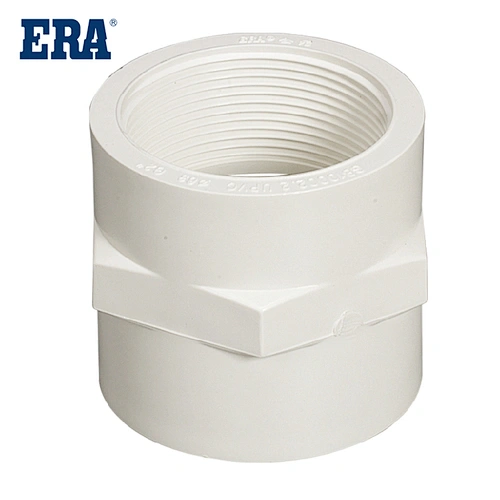
ERA Piping Systems ,PVC Fitting ,pvc coupling pipe fitting, US003, PN10(ISO1452),Socket, CE
System:
Thedimensions of our fittings comply with ISO1452 standards, while many of our products meet other standards as well, including British, ASTM and Thai.
Scope:
PVC-U fittings are manufactured in accordance with EN1452-3 and ISO161/1
Specification:
Sizes From D20 up to D400 Fittings threaded, solvent socket and adaptors
Fields of application:
Piping networks for piping system in water treatment plant.
| Model Number | US003 | Material | PVC |
| Description | COUPLING | Standard | ISO1452 |
| Temperature | Max 60°/140°F | Working Pressure | PN10 ,10Bar,1.0Mpa |
| Size | 20-200M | Certificate | DVGW |
| Connection | Socket | Color | Grey Wihte Black |
Features:
1. Light weight, easy to transport and load:
PVC pipe material is very light, convenient for transportation, loading and unloading, and construction, and can save labor.
2. Excellent chemical resistance:
PVC pipe has excellent acid resistance, alkali resistance, and corrosion resistance, and is very suitable for use in the chemical industry.
3. Small fluid resistance:
The wall surface of PVC pipe is smooth and has low resistance to fluid. Its roughness coefficient is only 0.009, which is lower than other pipes. Under the same flow rate, the pipe diameter can be reduced.
4. High mechanical strength:
The water pressure resistance, external pressure resistance and impact resistance of PVC pipes are very good, and they are suitable for piping projects under various conditions.
Main Products:
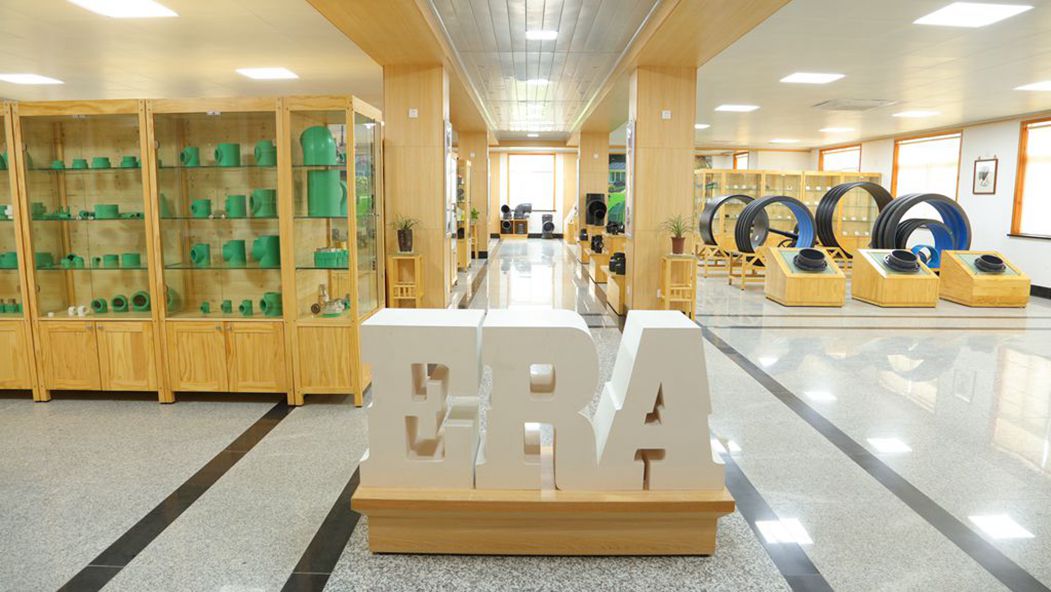
PVC coupling is a type of pipe connector commonly used to connect two pipes together. This type of connector consists of two semicircles
Composed of PVC pipes, they can be connected together through rotation and locking mechanisms.
The advantages of PVC couplers include:
1. Corrosion resistance: PVC material has good corrosion resistance to most chemicals, so it can be used for the transportation of various chemical liquids and gases.
2. Easy to install: The design of PVC couplers makes installation very simple and does not require special tools or techniques.
3. Low cost: Compared with other metal connectors, the manufacturing cost of PVC couplers is lower, so the price is relatively low.
4. Flexibility: PVC couplers can adapt to different pipe diameters and bending radii, making them suitable for various pipeline systems.
Development Trend:
PVC pipes have been well received by the engineering community for their light weight, corrosion resistance, high compressive strength, safety and convenience. In recent years, driven by the rapid development of the domestic economy, my country's PVC pipes have developed rapidly.
But overall, although the share of PVC pipes is decreasing, it still occupies the dominant position in the plastic pipe market. And the attractive prospects of the plastic pipe industry are still a bright spot driving the development of the PVC pipe industry.
In cold or hot regions, the following methods can be used to protect PVC pipes:
1. Prevent freezing and cracking: In cold areas, measures should be taken to prevent pipe freezing and cracking. Insulation sleeves or insulation cotton can be used to keep the pipes warm, reducing the risk of freezing. At the same time, ensure that the water in the pipes flows continuously to avoid ice formation inside the pipes.
2. Prevent thermal expansion and contraction: Due to large temperature changes in hot areas, pipes are prone to thermal expansion and contraction. To avoid this, enough expansion space should be left during installation to allow the pipes to expand and contract freely. In addition, high-temperature resistant PVC pipes can be used to improve their heat resistance.
3. Regular inspection: Whether in cold or hot regions, regular inspection of PVC pipes is necessary. If leakage, damage, or other problems are found, they should be repaired or replaced in a timely manner.
4. Avoid direct sunlight: In hot areas, direct sunlight can increase the surface temperature of pipes, increasing the risk of aging and cracking. Therefore, it is best to avoid exposing pipes to sunlight and use sunshades or other methods for shading.
5. Anti-corrosion treatment: To extend the service life of PVC pipes, anti-corrosion treatment can be carried out before installation. Special anti-corrosive coatings or corrosion inhibitors can be used to protect the pipes from corrosion.
PVC couplings play a crucial role in PVC pipe systems by connecting two PVC pipes together. They provide reliable and efficient connections, making them widely used in various industries such as water supply, water treatment, petroleum, natural gas, chemical industry, environmental protection, and pharmaceuticals. These couplings are commonly used for extending or terminating pipeline operations and can be used to connect pipes with diameters ranging from 1/4 to 12 inches.
In addition to connecting pipes of the same or different sizes, pipe connectors allow for the formation of long pipelines. Their main functions include extending or terminating pipeline operations, changing pipe sizes, and repairing damaged or leaking pipes. It is worth noting that PVC fittings can also be used to pull wires, preventing them from hanging or exposing on walls or floors.
PVC, or polyvinyl chloride, is a widely used plastic material in our daily lives. Its toughness, durability, and relatively low production cost make it widely used in various fields. Here are some common applications of PVC in our daily lives:
1. Construction industry: In the construction industry, PVC materials are widely used, such as PVC doors and windows, PVC pipes, and PVC wires and cables. These products have good durability, corrosion resistance, and insulation, greatly improving construction efficiency and convenience.
2. Packaging industry: Most of the water bottles we use are made of PVC plastic. In addition, PVC is also used to make various faux leather for luggage bags, sports products such as basketballs, footballs, and rugby balls. It can also be used to make uniforms and belts for specialized protective equipment.
3. Electronics industry: PVC materials are often used for wiring tubes, cable insulation, etc.
4. Card manufacturing: PVC is also used to make various cards, such as calendar cards, commemorative cards, membership cards, discount cards, VIP cards, scorecards, magnetic stripe cards, etc.
ISO 1452 is a standard for plastic pipe systems, whichISO 1452 is a standard for plastic pipe systems, which are mainly used for water supply and underground and above-ground pressure drainage and sewage. This standard consists of three parts: general provisions, pipes, and fittings. Specifically, ISO 1452-2 specifies the pipe system made of unplasticized polyvinyl chloride(PVC-U) material. This part of the standard was defined in its first release by the International Organization for Standardization in 2009. In addition, for numbers less than a certain value, the standard specifies rounding to the specified value; for numbers greater than this value, it rounds to the nearest integer. This international standard specification can be found as an electronic download on some authoritative platforms. It also comes with conformity assessment guidelines, such as installation guidelines
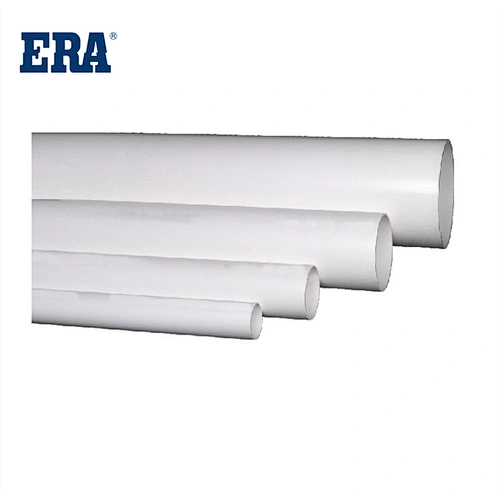
PVC pipe, also known as polyvinyl chloride (PVC) pipe, is one of thePVC pipe, also known as polyvinyl chloride (PVC) pipe, is one of the earliest plastic pipes to be developed and applied. It is made by mixing polyvinyl chloride resin with stabilizers, lubricants, and other additives, and then extruding it under heat and pressure to form a rigid pipe. There are two types of PVC: rigid PVC or RPVC, and unplasticized PVC or uPVC. The rigid version is used for pipes, wire insulation, clothing, etc. Although it is not flexible, it is strong and durable, and its price is the cheapest among all kinds of plastic pipes.
PVC pipes have good tensile and compressive strengths, but their flexibility is not as good as that of other plastic pipes. They have excellent corrosion resistance. In particular, they are brittle at low temperatures, so they should be avoided in low-temperature environments when used. In addition, PVC pipes are widely used in water supply and drainage, irrigation, gas supply and exhaust pipes, wire conduits, rainwater pipes, industrial anticorrosive pipes and many other fields.
It is worth noting that PVC was once the world's largest general-purpose plastic in terms of production and application. However, due to environmental concerns and safety considerations, the use of PVC has been restricted in some areas.
PVCor polyvinyl chloride, is indeed ubiquitous in our daily lives. Rigid PVC or RPVC is mainly used for building pipes, doors, and windows. Many of the pipes and wire conduits we use are made of this material. At the same time, PVC is widely used in the manufacture of plastic bottles, packaging, bank cards or membership cards, etc. By adding a plasticizer, PVC can become softer and more elastic, thus being applied to flooring, signs, gramophone records, inflatable products, etc.
Soft PVC is mainly used in the manufacture of artificial leather, plastic shoes, cable materials, foam materials and other soft products. Due to its good heat insulation and electrical insulation properties, soft PVC is also often used as the insulation layer and sheathing of wires and cables. In addition, economical, durable and waterproof PVC is often used to make raincoats, boots and shower curtains and other household items.
In the electronics industry, PVC materials can be used to make wires, phones, cars, appliances, etc. And in offices, shopping malls, schools, hospitals and various sports venues, PVC materials are also widely used.
However, it should be noted that although PVC is widely used in our lives, according to the International Agency for Research on Cancer (IARC) of the World Health Organization's list of carcinogens, polyvinyl chloride is listed in the category 3 carcinogens list. Therefore, while using PVC products, we should also ensure their safety.
To ensure that PVC installations do not leak, the following steps can be followed:
1. Before starting the installation, first determine the installation area and check and remove any potential obstacles. At the same time, measure the required length of the PVC pipe according to actual needs and mark it out.
2. Check the quality of pipes, fittings, and rubber rings, and wipe the working surfaces of the socket and plug clean. Put the rubber ring with the big head facing in and the small head facing out into the socket groove to prevent twisting.
3. Draw a line for the insertion length so that the correct length of the pipe can be installed correctly. Apply lubricant evenly to the rubber ring in the socket groove and the outside of the plug end with a brush, which can help the plug to be inserted more easily.
4. Connect the glued-on pipes to the connecting parts firmly. Make other connections as needed, such as direct connections or glue connections.
5. According to the requirements of the glue, wait for a period of time for the glue to cure. During the curing process, avoid applying too much pressure to the pipes.
6. After installation is complete, conduct a water pressure test to ensure that the pipe connections are secure. Seal one end of the pipe and apply pressure to it to observe if there is any leakage.
7. Finally, strictly follow relevant construction specifications for construction, such as "Code for Construction and Acceptance of Water Supply and Drainage Pipeline Engineering" (GB50268-2008) for construction.
These are the basic steps for PVC pipe installation. As long as these steps are followed strictly, the possibility of PVC pipe leakage can be greatly reduced.
The popularity of the pipes from Zhejiang Guangyuan Pipelines can be attributed to several reasons:
1. **Raw Materials and Performance**: The pipes from Zhejiang Guangyuan Pipelines are made from imported raw materials, which gives them superior performance. They have the characteristics of heat resistance, frost resistance, and high flexibility. Due to their high flexibility, these pipes are less likely to burst during use. Additionally, the valves connected to these pipes are designed with a leak-proof function.
2. **Brand Awareness and Market Position**: Guangyuan Pipe Industry still holds an absolute dominant position in the field of PVC products, with a market share as high as over 60% in the past and currently around 40%. As the largest core subsidiary of Guangyuan Group, Guangyuan Shares mainly produces four types of products including building water supply and drainage pipelines, municipal pipelines, industrial system pipelines, and agricultural irrigation pipelines. The materials involved include six major series such as PVC-U, PP-R, PE, PE-RT, CPVC, and PB.
3. **Wide Application and Project Experience**: Thanks to their excellent product performance and brand awareness, the pipe products from Guangyuan Shares have been widely used in many key domestic and foreign projects, such as the Hong Kong-Zhuhai-Macao Bridge, Beijing Daxing International Airport, and Xiongan New Area. These are all national key engineering projects and international aid construction projects.
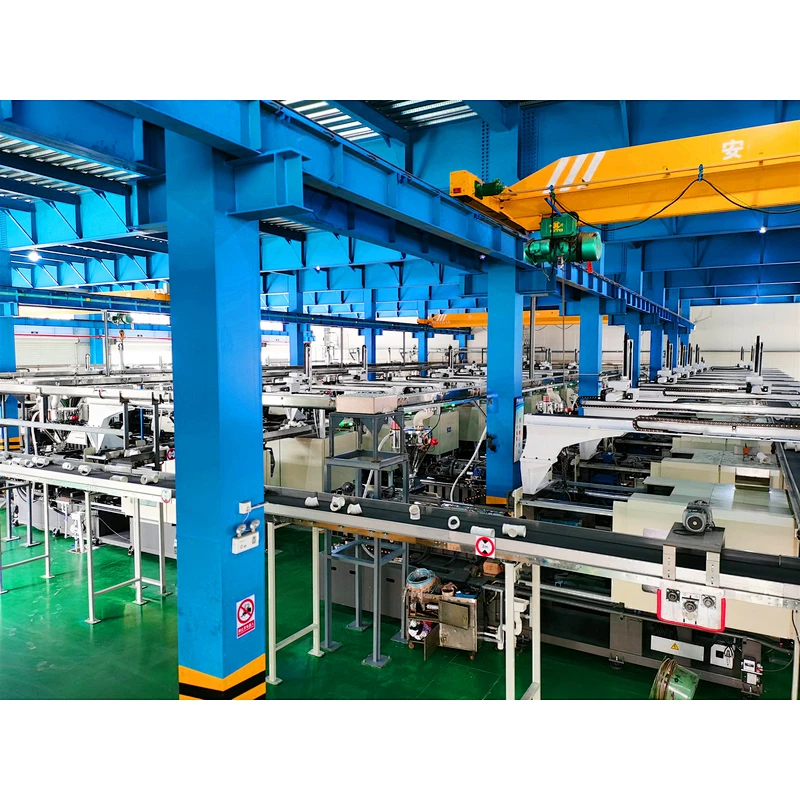
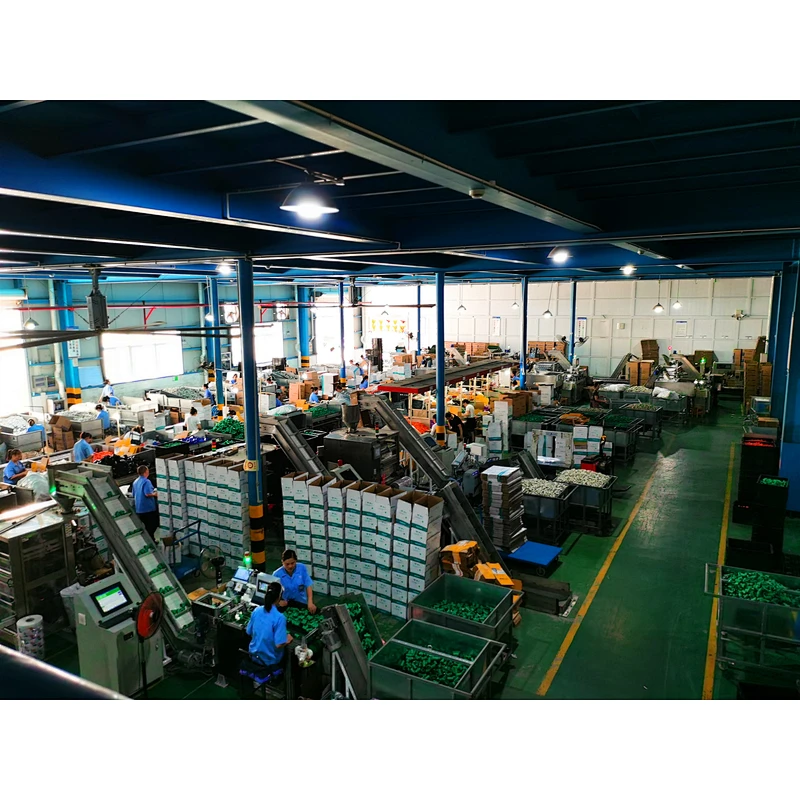
4. **Intelligent Manufacturing and Innovation**: As a demonstrative enterprise for machine replacement in Zhejiang Province, Guangyuan Shares has made numerous attempts and explorations in intelligent manufacturing. After several years of upgrading, it has achieved the concepts of "unmanned factory" and "lights out production".
In conclusion, the popularity of the pipes from Zhejiang Guangyuan Pipelines is not only due to their high-quality raw materials and excellent performance but also because of their leading market position, extensive application experience, and innovative efforts in intelligent manufacturing.
The construction process of PVC products
1、Introduction to Material Properties:
PVC waterproofing membrane is mainly made of PVC resin as the main raw material, with the addition of a certain amount of filler and an appropriate amount of modifiers, plasticizers, antioxidants, and UV absorbers
Auxiliary materials, processed through certain processes, have the following characteristics:
1. Good waterproof effect, high tensile strength, twice the tensile strength of chlorinated polyethylene waterproofing membrane.
2. Long service life.
3. The elongation at break is large, more than 300 times that of paper felt, and it has strong adaptability to the expansion and cracking deformation of the base layer.
4. Can be used at -40~90 ℃.
5. The construction of roll materials is simple and convenient, without polluting the environment.
2、 Grassroots requirements:
1. The construction requires a smooth and non sanding base layer, and the base surface to be cleaned before construction.
2. There must be no unevenness or serious cracks, and holes and cracks must be filled and smoothed with mortar.
3. There are internal and external corners, which should be made of cement mortar to form a circular corner R=50 or an octagonal slope of 80 × 80.
4. The slope of the flowing water on the base should be greater than 2%.
3、 Roll construction:
1. Before laying the roll, the laying line should be marked and laid according to the line. During construction, lay the roll material flat on the roof and evenly apply the adhesive with a roller or scraper. Only when the adhesive evaporates, dries, and does not stick to the hands can it be laid. The drying control time for the adhesive is as follows:
Temperature: 20 ℃ -30 ℃, drying time: 10 minutes;
Temperature: o ℃ -20 ℃, drying time: 20 minutes;
If encountering cloudy days, the drying time needs to be extended by 5 minutes each.
2. When laying, in order to remove air from the roll and eliminate bubbles, a scraper should be used for scraping to remove the air from the roll and ensure complete adhesion with the base layer.
3. When laying, first lay an additional layer at the water outlet, drain, and gutter. Subsequently, the paving will be carried out from low to high in the opposite direction of the water flow at the water outlet, fan water, and gutter. The lap joint of the roll material is perpendicular to the direction of water flow, and reverse laying is never allowed.
4. The laying of rolls should strictly control the overlap width and length, with an overlap width of no less than 8mm and a short edge overlap of no less than 100mm. The joints of adjacent rolls must be staggered, and the spacing should be greater than 1500mm
5. The equipment, pipes, embedded parts, rainwater outlets, wall drainage holes, internal and external corners that pass through the roof must be fully glued. At rainwater outlets and through wall outlets, the roll material should be flipped into the rainwater outlet and pasted.
6. After the construction is completed, the debris on the roof should be cleaned up, and there should be no debris blocking the rainwater outlet, drainage outlet, drainage ditch, etc. to ensure smooth water flow.
7. The vertical end of the roll material at the parapet wall and high and low spans shall not be exposed. The height of the roll material pasted vertically at the connection between the roof and the protruding wall shall not be less than 250mm and must be constructed using the full adhesion method.
8. Construction workers on the roof are not allowed to enter the construction site wearing shoes with iron nails, and construction equipment should be handled with care.
9. Solvent bonding is highly flammable, and open flames are strictly prohibited at the construction site. Operators must wear protective equipment such as masks and gloves.
10. The subsequent process can only be carried out after 24 hours after the completion of the roll laying.
4、 Quality inspection:
1. Provide a certificate of conformity or warranty for the coil material, a retest report, and a production license.
2. The roll material is laid flat, with a neat appearance, no hollowing, firmly pasted, and after completion, there is no leakage after being filled with water for 24 hours.
5、 Precautions for subsequent operation:
After the completion of waterproof construction and the acceptance of experience, the construction operation of subsequent works (insulation layer, integral pouring layer, etc.) must pay attention to the protection of the waterproof layer and there must be no damage. If it is necessary to transport materials on the waterproof layer, attention must be paid to the implementation of protective measures for transportation tools and lifting transportation.
A. The support legs of the handcart must be welded with round iron balls or wrapped tightly with cloth, and the unloading port should be wrapped with rubber tires.
B. At the unloading point of lifting materials, a cushion board must be laid.
c. Workers are not allowed to throw materials when loading and unloading.
FAQ:
1.What is your MOQ?
Our MOQ is usually 5 CTNS.
2.What is your delievery time?
The time of delievery is around 30-45days.
3.What is the shipping port?
We ship the goods via Ningbo or Shanghai port.
4.What is your payment terms?
We accept 30% T/T in advance,70% in the period of shipment or 100% L/C.
5.How should I contact you?
You can contact us with Trade Manager or send us an email by click Contact Supplier bottom.
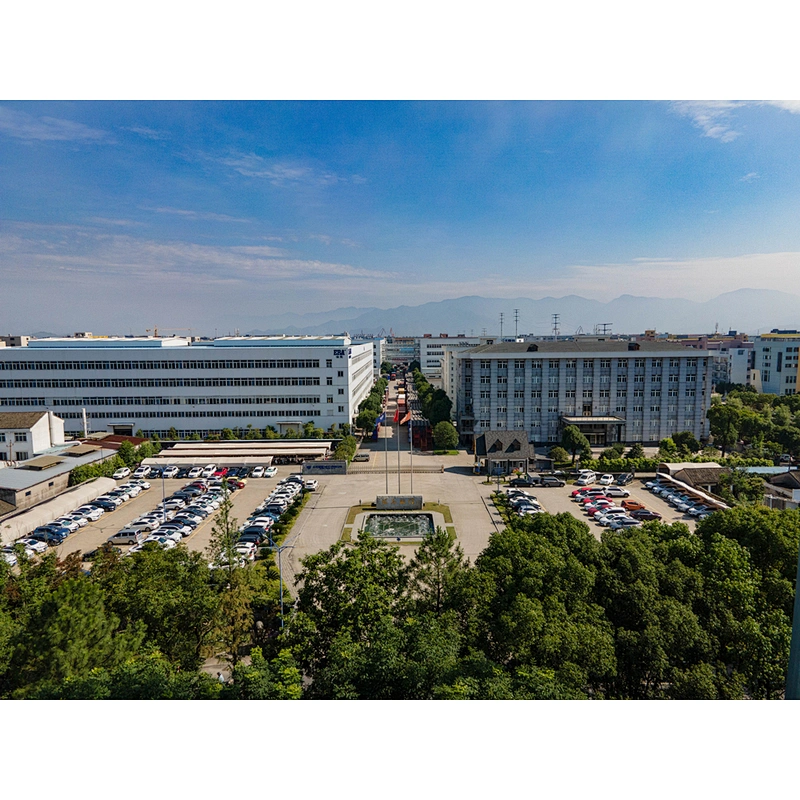
6.What is the location of your company?
Our company is located in the Taizhou Zhejiang Province,China.
If you would like to have a visit, you are much welcome.
7.How about the samples?
We could send you the samples ,most samples are free to send to most places in China.If sent to other countries,transport fee shoule be paid by you.
8.Why choose us?
1 Genuine produces with excellent quality and competitive price.
2 Cooperating with the customers all over the world and knowing the markets very well.
3 ERA is a listed company. Everything can be rest assured working with us.
4 After- Services will be highly-satisfied. Any problems and feedbacks will be answered in a short of time.
Our Services:
1. Any inquiries will be replied within 24 hours
2. Professional manufacturer.
3. OEM is available.
4. High quality, standard designs, reasonable&competitive price, fast lead time.
5. Faster delivery: Sample will be prepared in 2-3days.
6. Shipping: We have strong cooperation with DHL, TNT, UPS, MSK, China Shipping, etc.
7. You can also choose your own shipping forwarder.


 English