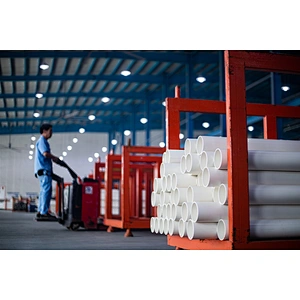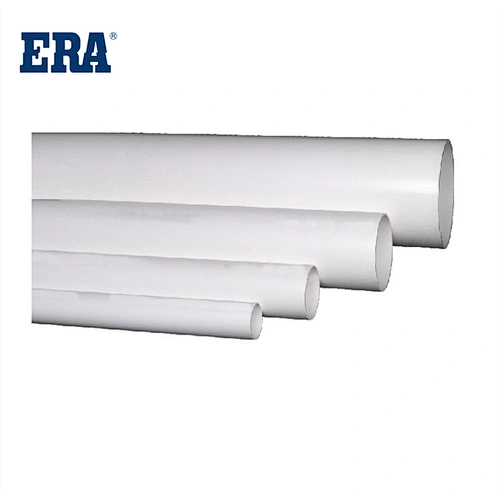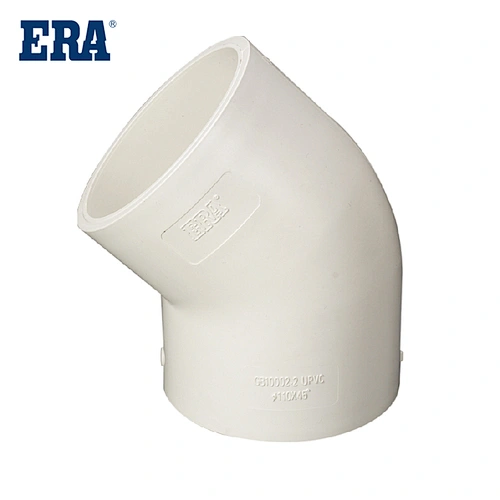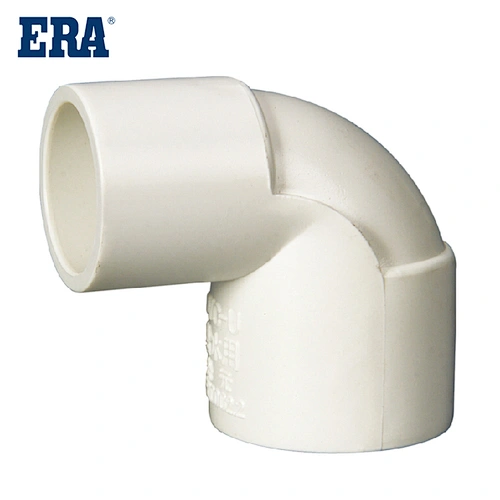
What is a pressure pipeline? Pressure pipeline refers to a tubular equipment used to transport gases or liquids under a certain pressure.
Conditions that pressure pipelines must meet:
(1) Pressure range: The maximum working pressure is greater than or equal to 0.1 MPa (gauge pressure).
(2) Transport medium: gas, liquefied gas, steam, flammable, explosive, toxic, corrosive substances, and liquids with a maximum working temperature higher than or equal to the standard boiling point.
(3) Pipeline specification: Pipes with a nominal diameter greater than or equal to 50mm.
Note: Pipelines and equipment bodies that transport non-toxic, non flammable, and non corrosive gases with a nominal diameter of less than 150mm and a maximum working pressure of less than 1.6MPa (gauge pressure) are excluded.
Pressure pipelines are mainly divided into long-distance pipelines (GA class), utility pipelines (GB class), and industrial pipelines (GC class) according to their different uses and pressures. Below is a brief introduction.
1、 Long distance pipeline (GA class)
Definition:
A transmission pipeline refers to a pipeline used to transport oil and gas commodity media between production areas, storage facilities, and user stations. It is divided into GA1 and GA2 levels.
(1) GA1 level long-distance pipeline: a long-distance pipeline that transports toxic, flammable, and explosive gas media with a maximum working pressure greater than 4.0 MPa; ——Long distance pipelines that transport toxic, flammable, and explosive liquid media, with a maximum working pressure greater than or equal to 6.4 MPa, and a transport distance greater than or equal to 200 km;
(2) GA2 level long-distance pipeline: applicable to long-distance pipelines other than GA1 level.
Main characteristics of long-distance pipelines:
(1) Long distance transportation: usually used for long-distance transportation, it can transport the medium of goods from the place of origin to the storage warehouse or user unit.
(2) High flow conveying: Usually with a larger diameter, it can transport a large amount of commodity media.
(3) High pressure transmission: The maximum working pressure of GA1 long-distance pipelines can reach over 6.4MPa, and the maximum working pressure of GA2 long-distance pipelines is also relatively high.
(4) High safety requirements: Due to the usual transportation of toxic, flammable, and explosive commodity media, strict safety measures are required.
2、 Public pipeline (GB class)
Definition:
Utility piping refers to gas and heat pipelines used for public utilities or civilian purposes within urban or rural areas. Gas pipelines are classified as GB1 grade, while heat pipelines (heating, steam) are classified as GB2 grade.
Main characteristics of public pipelines:
(1) Universal and widespread public pipelines are widely present in various living and production environments such as cities and industrial parks, covering a wide range of areas.
(2) Public pipelines closely related to people's livelihoods directly affect the quality of life of residents and the stability of industrial production, such as water supply, gas, heating pipelines, etc., which directly affect the basic living needs of the people.
(3) Due to the public interest involved, high safety standards must be followed in the design, construction, and operation of public pipelines.
(4) Long term stability requirements: Public pipelines are usually systems that operate for a long time, and their long-term stability and durability need to be considered during design.
3、 Industrial pipeline (GC class)
Definition:
Industrial pipelines refer to pipelines used in industrial production processes to transport gases, liquids, steam, chemicals, raw materials, exhaust gases, or other media. They are divided into three levels: GC1, GC2, and GCD.
(1) GC1 level industrial pipeline:
Industrial pipelines that meet any of the following conditions are classified as GC1 grade:
(1) Transport media with extremely hazardous toxicity levels as specified in the"Catalogue of Hazardous Chemicals (2015 Edition)".
(2) Transporting Class A and Class B combustible gases or Class A combustible liquid media with fire hazards specified in GB 50160 and GB 50016, and with a design pressure P ≥ 4.0MPa.
(3) Transporting flammable or toxic fluid media, with a design pressure of P ≥ 4.0MPa and a design temperature of ≥ 400 ℃.
(4) Transport fluid medium and design pressure P ≥ 10MPa.
(2) GC2 level industrial pipeline:
Industrial pipelines that meet any of the following conditions are classified as GC2 level:
(1) Transporting Class A and Class B flammable gases or Class A flammable liquid media with fire hazards specified in GB 50160 and GB 50016, and with a design pressure P<4.0MPa.
(2) Transporting flammable or toxic fluid media, with a design pressure P<4MPa and a design temperature ≥ 400 ℃.
(3) Transport fluid medium, with a design pressure of P<10MPa and a design temperature of<400 ℃.
Main characteristics of industrial pipelines:
(1) Widely used: Industrial pipelines are widely used in industries such as chemical, petroleum, natural gas, electricity, metallurgy, and food.
(2) Complex transmission medium: Industrial pipelines transport a wide variety of media, including flammable, explosive, toxic, and corrosive substances. Each medium has different material, structure, and process requirements for the pipeline.
(3) Enduring extreme working conditions such as high temperature and high pressure: Many industrial pipelines need to work under extreme working conditions such as high temperature, high pressure, and strong corrosion, and special attention should be paid to the pipeline's ability to withstand high temperature and high pressure.
(4) High safety requirements: Industrial pipelines involve the transportation of flammable, explosive, toxic and other hazardous media, and must comply with strict safety regulations and undergo regular testing and maintenance to ensure no hidden dangers.
Process pipelines and industrial pipelines
1、 Different concepts
● Process pipeline:
Process pipeline refers to the pipeline connected to meet a certain production process, and is the core component of the production process.
In general civil buildings and industrial plants, except for domestic water supply and drainage pipelines, fire protection pipelines, and rainwater drainage pipelines, everything else can be classified as process pipelines, such as production circulating water, compressed air, steam, nitrogen, coal gas, sulfuric acid, alkali solution, ammonia water, ammonia gas, and so on.
●Industrial pipelines:
Industrial pipelines refer to all tubular facilities within industrial enterprises such as petroleum, chemical, light industry, pharmaceuticals, and mining. It is a broader concept that includes process pipelines, utility pipelines, and other auxiliary pipelines required by industrial and mining enterprises and institutions for the production and manufacturing of various products.
That is to say, industrial pipelines not only include process pipelines, but also public pipelines such as water supply and drainage, gas supply, power transmission, and other auxiliary pipelines.
2、 Different design requirements
● Process pipeline:
The design and installation of process pipelines aim to meet specific production processes, requiring precise calculation of parameters such as flow rate, pressure, temperature, etc., to ensure that the medium transportation meets the demanding requirements of the process flow.
●Industrial pipelines:
The design scope of industrial pipelines is broader, including both the high-precision requirements of process pipelines and the practicality of auxiliary pipelines. Industrial pipelines not only focus on flow and velocity, but also emphasize bearing capacity, safety (anti-corrosion, explosion-proof, leak proof), and construction economy.
3、 Different functional purposes
● Process pipeline:
The operation of process pipelines is centered around the process flow, and the flow rate, pressure, temperature, and other parameters of the medium are precisely adjusted through devices such as valves and sensors to ensure the smooth progress of the production process. For example, in pharmaceutical factories, the process pipelines need to strictly control the conditions for drug delivery to ensure product quality.
●Industrial pipelines:
The operation of industrial pipelines is more flexible, adjusting the conveying capacity according to specific purposes. The precise control of both process pipelines and the supportive functions of auxiliary pipelines (such as cooling water pipes) usually focus more on the overall stability of the system rather than individual process requirements. For example, the factory's drainage pipes only need to ensure smooth discharge without involving complex parameter adjustments.
4、 Different application fields
● Process pipeline:
Process pipelines are mainly used in industrial fields that require precision manufacturing processes, such as chemical, food, pharmaceutical, and other industries. These fields have extremely high requirements for the processability of pipelines, which directly affects production efficiency and product quality.
●Industrial pipelines:
The application scope of industrial pipelines is broader, not only including the above-mentioned process fields, but also covering non process scenarios such as urban construction (water supply, gas), agricultural water conservancy (irrigation), environmental protection (sewage treatment), etc. Industrial pipelines can transport liquid, gaseous, and solid materials such as water, natural gas, petroleum, etc., with diverse functions and strong support.
To sum up, 'process pipeline' is a subset of 'industrial pipeline' specifically focused on production processes, while 'industrial pipeline' is a broader concept that encompasses both process pipelines and auxiliary pipelines. In addition, process pipelines are linked to the production process, while industrial pipelines may not be directly linked to production and may only maintain the normal operation of the factory.
Pipeline selection must read: What is the relationship between DN, SDR, and Sch?
The selection of pipelines is a complex issue that usually involves multiple factors such as pipeline material, diameter, wall thickness, and pressure. Here, we will not delve into them in detail, but only discuss three basic terms related to diameter and wall thickness: DN, SDR, and Sch. Understanding their concepts and scope of application is crucial for pipeline selection.
1、 DN: Basic dimensions of the pipeline
Definition:
DN (nominal diameter) is the"nominal size"of a pipeline, typically used to indicate the size range of the pipeline, but does not equal the actual outer or inner diameter. It is an approximate value mainly used for engineering design and selection, facilitating the connection between different standards.
● Function:
Standardize the specifications of pipes, fittings, and valves to ensure compatibility, for example, DN50 pipes must be matched with DN50 tees and flanges.
Common expressions of DN:
——Plastic pipes (PE, PVC): DN is usually close to the outer diameter, such as DN110, which means the outer diameter is about 110mm.
——Metal pipes (steel pipes, stainless steel pipes): DN does not directly equal the outer diameter, and standards need to be queried. For example, the outer diameter of a DN50 steel pipe may be 60.3mm, while the outer diameter of a DN50 PE pipe may be 50mm or 63mm.
2、 SDR: Pressure resistant password for plastic pipes
——Definition:
SDR stands for Standard Dimension Ratio, which is the ratio of the outer diameter to the wall thickness of a pipeline. The formula is: SDR=outer diameter ÷ wall thickness.
For example, SDR 11 represents an outer diameter that is 11 times the wall thickness; SDR 17 represents an outer diameter that is 17 times the wall thickness. It is evident that for the same pipe diameter, the wall thickness of SDR11 is thicker than that of SDR17.
——Characteristics:
The larger the SDR value, the thinner the wall thickness and the lower the pressure bearing capacity of the pipeline; The smaller the SDR value, the thicker the wall thickness and the stronger the pressure bearing capacity.
SDR is usually related to pressure rating (PN). Taking HDPE water supply pipelines as an example, SDR 11 corresponds to a pressure of 1.6 MPa, and SDR 17 corresponds to a pressure of 1.0 MPa.
——Application scope:
SDR is mainly used for plastic pipelines (such as PE, PVC, etc.), especially for pressure pipeline systems, such as municipal water supply, gas transmission, industrial pipeline networks, etc.
3、 Sch: The pressure resistant core of metal pipelines
——Definition:
Sch (Schedule) is a representation of pipeline wall thickness grades, mainly used for metal pipelines. Sch grades correspond to different wall thicknesses, but their calculation is not simply based on the outer diameter/wall thickness ratio.
——Characteristics:
Under the same material and specification, the larger the Sch value, the thicker the wall thickness, such as Sch 40The Sch grade of stainless steel pipes is marked with"S", such as Sch 40S, Sch 80S, etc; The Sch grade of carbon steel and alloy steel pipes does not have an"S", such as Sch 5, Sch 10, etc; Sch XXS is an ultra thick walled pipe commonly used in high-pressure pipeline systems;
Metal pipes of different materials, with the same Sch grade, may not have the same wall thickness. Stainless steel pipes can be found in ASME B36.19, while carbon steel and alloy steel pipes can be found in ASME B36.10.
When DN ≤ 300, Sch 40 and Sch 80 are most commonly used, while thin-walled pipes such as Sch 10 and Sch 20 are usually used for large diameter pipelines (DN ≥ 350).
——Application scope:
Sch is mainly used for metal pipelines (such as carbon steel, stainless steel pipes, alloy steel pipes, etc.), suitable for pressure pipelines, industrial pipelines, oil and gas transportation and other fields.
Finally, to summarize, DN is the basic size of a pipeline, but the DN of different pipes may correspond to different outer or inner diameters. SDR and Sch are both used to specify the wall thickness of pipelines, with the difference being that SDR is mainly used for plastic pipelines, while Sch is mainly used for metal pipelines.
Is it still difficult to distinguish between ring stiffness (kN/㎡) and nominal pressure (MPa)?
Kilonewtons (kN/㎡) and megapascals (MPa) are commonly used units for ring stiffness and nominal pressure, respectively. Most friends are familiar with them, but many novice friends still cannot distinguish the difference between these two indicators and which pipelines they are used for. Let me introduce them in detail below.
1、 Ring stiffness (unit: kN/m ²): Hard strength against external pressure
(1) Definition:
Ring Stiffness (SN) is the ability of a pipeline to resist deformation from external loads such as soil and vehicle pressure, measured in kilonewtons per square meter (kN/m ²). It is mainly used for buried plastic pipelines.
Its calculation formula is: SN=EI/D ³
Note: E is the elastic modulus of the pipe (in MPa), I is the moment of inertia of the section (in m ⁴), and D is the average diameter of the pipeline (in m).
(2) Features and Applications:
——Applicable to buried pipelines:
Especially plastic drainage pipes, such as HDPE double wall corrugated pipes, HDPE steel strip reinforced spiral corrugated pipes, PVC buried non pressure sewage drainage pipes, etc.
——Different levels:
Common ring stiffness levels include SN2, SN4, SN8, SN12.5, SN16, etc. The higher the value, the stronger the pipeline's ability to withstand external pressure.
——Affected by burial depth:
The deeper the pipeline is buried, the greater the external pressure it can withstand, and it is necessary to choose pipes with higher ring stiffness.
2、 Nominal pressure (unit: MPa): a hard indicator of resistance to internal pressure
(1) Definition:
Nominal Pressure (PN) is a pressure rating used to identify pipelines and their fittings, measured in MPa. For metal pipelines, the PN value is usually based on the maximum allowable working pressure at 20 ℃, but for plastic pipelines, the actual working pressure needs to be determined by combining long-term static hydraulic strength and temperature correction factors.
(2) Features and Applications:
——Applicable to pressure pipelines:
Such as HDPE water supply pipes, gas pipes, PVC water supply pipes, chemical pipes, PP-R pipes, etc.
——Different levels:
The common nominal pressure levels include PN0.6, PN0.8, PN1.0, PN1.25, PN1.6, etc. The larger the value, the stronger the pipeline's pressure resistance.
——Related to wall thickness:
The thicker the wall thickness of pipes with the same material and outer diameter, the higher the pressure resistance.
3、 How to distinguish between the two?
Both are related to strength, but with different emphasis
——Ring stiffness measures resistance to external pressure and is suitable for buried non pressure pipelines.
——The nominal pressure measures the resistance to internal pressure and is suitable for pressure pipelines that transport fluids.
● Different units to avoid misreading
——KN/㎡ is mainly used for ring stiffness; MPa is mainly used for nominal pressure.
——When the"SN"symbol is seen, it represents the ring stiffness; When you see the"PN"symbol, it represents the nominal pressure.
Some pipes have both ring stiffness and nominal pressure
For example, HDPE steel wire mesh skeleton composite pipes, PVC-M pipes, etc. need to consider both nominal pressure (PN) to withstand internal pressure and ring stiffness (SN) to cope with buried external pressure.
4、 How to choose?
If it is a buried drainage pipe, such as rainwater and sewage pipes, the appropriate ring stiffness level should be selected according to the burial depth, such as SN4, SN8, etc.
If it is a pressure transmission pipe, such as water supply, gas pipe, chemical pipe, etc., the appropriate nominal pressure should be selected according to the working pressure, such as PN1.6, PN2.5, etc.
If it is a special environment (such as deep burial, high water level, heavy traffic load, etc.), both ring stiffness and nominal pressure need to be considered simultaneously.
Finally, to summarize, ring stiffness (kN/m ²) and nominal pressure (MPa) are the two pillars of pipeline design. One to prevent external pressure collapse and one to resist internal pressure explosion. Buried pipelines rely on ring stiffness, while transmission pipelines rely on nominal pressure. The specific selection still depends on the actual working conditions.
What are the differences between flanges and blind flanges? Have you figured it out yet?
1、 Definition difference
● Flanges:
It is a disc-shaped component used for connecting pipelines, equipment, or valves, which is sealed and fixed by bolts and gaskets. Common types include flat welding flanges, butt welding flanges, socket welding flanges, threaded flanges, loose fitting flanges, etc.
Blind plate:
Blind flange is a special type of flange without through holes, also known as flange cover/blind flange/blind flange or head flange, mainly used to seal pipeline ends or equipment interfaces. Its function is similar to that of the head and pipe cap, but the blind flange adopts flange connection, which is detachable and suitable for situations that require subsequent maintenance or expansion; The head and pipe cap are generally welded and non removable, usually used for permanent sealing.
2、 Difference in usage
● Flanges:
A flange is a type of pipeline connecting component mainly used to connect pipelines, valves, or equipment, allowing the medium to pass through the hollow center, ensuring the flow of the pipeline system, and providing disassembly through bolt fixation. It is widely used in system operation, expansion, or maintenance scenarios.
Blind plate:
Blind flange is a solid sealing component used to seal the end of a pipeline or isolate a pipeline section, preventing the flow of medium. It can be permanently sealed by welding or temporarily disassembled in the form of a blind flange. It is commonly used in situations such as pipeline shutdown, maintenance, or pressure testing.
3、 Structural differences
● Flanges:
A flange is a disc-shaped component with a central through-hole that matches the inner diameter of the pipeline. Multiple bolt holes are distributed at the edges for connecting pipelines or equipment with bolts. The surface often has sealing grooves to match gaskets, and its design emphasizes medium circulation and disassembly.
Blind plate:
The blind plate is a solid circular plate in structure, without a central through-hole. Ordinary blind flange edges are smooth and suitable for welding, while blind flange forms have bolt holes paired with flanges, usually thicker to withstand pressure, and their design focuses on sealing pipelines and blocking media.
4、 Differences in sealing performance
● Flanges:
The sealing performance of a flange depends on the gasket and bolt fastening between two flanges, aimed at preventing medium leakage from the connection to maintain pipeline flow. Its effect is affected by the gasket material, bolt fastening force, and sealing surface machining accuracy, and is suitable for dynamic connections but requires regular inspection and maintenance.
Blind plate:
Due to its closed structure, the sealing effect is usually better than that of ordinary flanges, and it is suitable for isolation of high pressure, high temperature or special media. The sealing performance of blind plates can be divided into two situations. For ordinary blind plates, highly reliable permanent sealing is achieved through welding, with almost no risk of leakage; For blind flanges, removable sealing is achieved through gaskets and bolts, and the sealing performance depends on subsequent maintenance.
6、 Difference in applicable pressure range
● Flanges:
The applicable pressure range of flanges usually follows standard grades (such as Class 150-2500, approximately 20-425 bar), suitable for low-pressure to high-pressure pipeline connection requirements, but their pressure resistance is limited by gaskets, bolts, and temperature, requiring high-grade design to ensure sealing and strength under high pressure.
Blind plate:
The applicable pressure range of blind flanges varies depending on the type. Welded blind flanges can range from a few bars to several hundred bars, and their pressure resistance depends on their thickness. They are suitable for medium and even ultra-high pressure sealing, while blind flanges are the same as ordinary flanges (20-425 bar), limited by bolts and gaskets. Temporary blind flanges are limited to low pressure (<10 bar).
7、 Difference between installation and maintenance
● Flanges:
The installation of flanges requires welding to the pipeline and connecting two flanges with bolts. Alignment and uniform fastening are required to ensure sealing. Regular inspection of gaskets, bolts, and flange surfaces is necessary for maintenance, as their detachable design is easy to operate and suitable for dynamic pipeline systems.
Blind plate:
Blind flange installation can be classified into welding permanent fixation, blind flange bolt connection, or temporary clamping according to the type. Welding is complex but maintenance free, and blind flanges require regular inspection of gaskets and bolts. Temporary blind flanges are simple but require minimal maintenance and are suitable for static closure requirements.
Finally, the two have one thing in common, which is the material. The materials for flanges and blind plates are basically the same. Common materials include carbon steel (Q235, 16Mn), stainless steel (304, 316L), alloy steel (Cr Mo series), plastics (PVC, PE, PP), etc. The specific choice depends on the characteristics of the medium and the usage environment.


 English