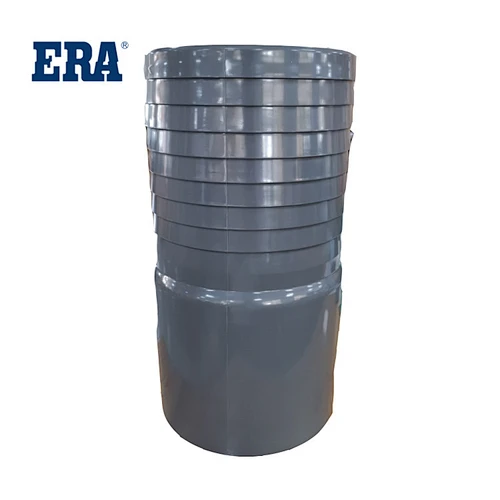
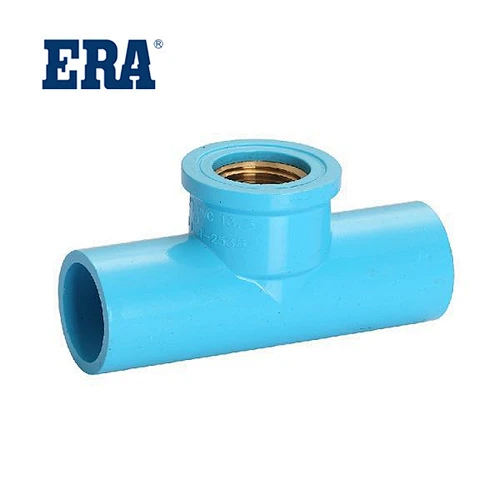
High-density polyethylene (HDPE) or polyethylene high-density (PEHD) is a polyethylene thermoplastic made from petroleum.
HDPE is known for its large strength to density ratio. The density of HDPE can range from 930 to 970 kg/m3. Although the density of HDPE is only marginally higher than that of low-density polyethylene, HDPE has little branching, giving it stronger intermolecular forces and tensile strength than LDPE. The difference in strength exceeds the difference in density, giving HDPE a higher specific strength. It is also harder and more opaque and can withstand somewhat higher temperatures (120°C/ 248 °F for short periods). High-density polyethylene, unlike polypropylene, cannot withstand normally required autoclaving conditions. The lack of branching is ensured by an appropriate choice of catalyst (e.g., Ziegler-Natta catalysts) and reaction conditions
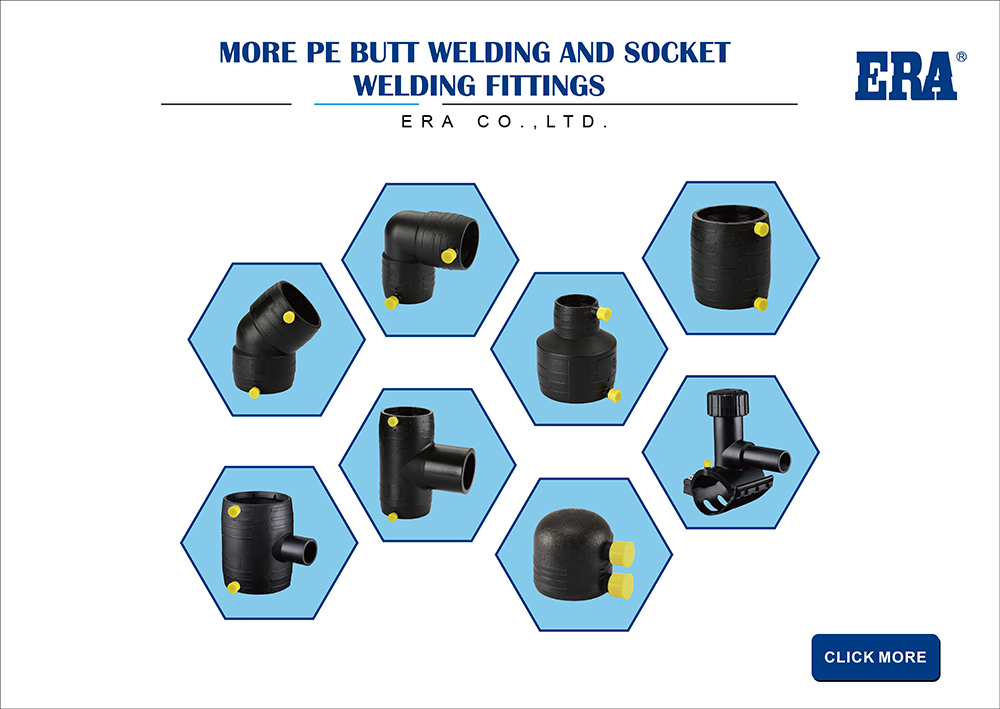
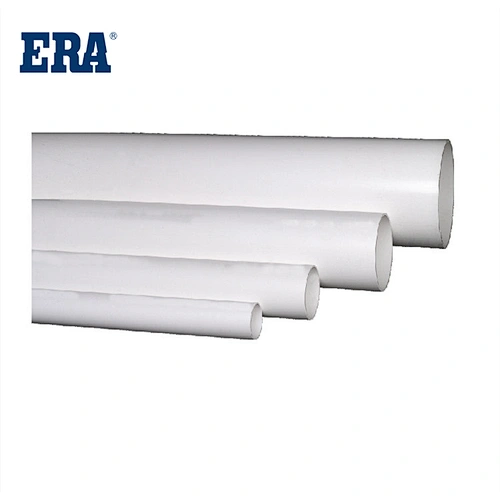
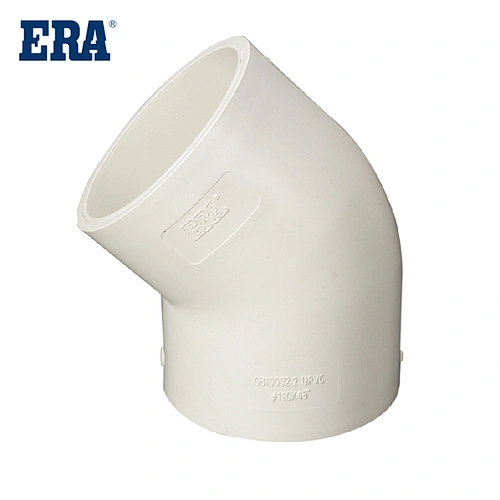
Main Products:
HDPE has good heat and cold resistance, good chemical stability, but also has high rigidity and toughness, good mechanical strength. Dielectric property, environmental stress cracking resistance is also good. The hardness, tensile strength and creep property are better than low density polyethylene. Good wear resistance, electrical insulation, toughness and cold resistance, but slightly worse than low density insulation; Good chemical stability, at room temperature, insoluble in any organic solvent, acid, alkali and all kinds of salt corrosion resistance; Thin film to water vapor and air permeability is small, low water absorption; The aging resistance is poor, the environmental cracking resistance is not as good as low density polyethylene, especially the thermal oxidation will reduce its performance, so the resin needs to add antioxidants and ultraviolet absorbent to improve the deficiency in this respect. The thermal deformation temperature of high density polyethylene film under stress is low, which should be paid attention to when applied
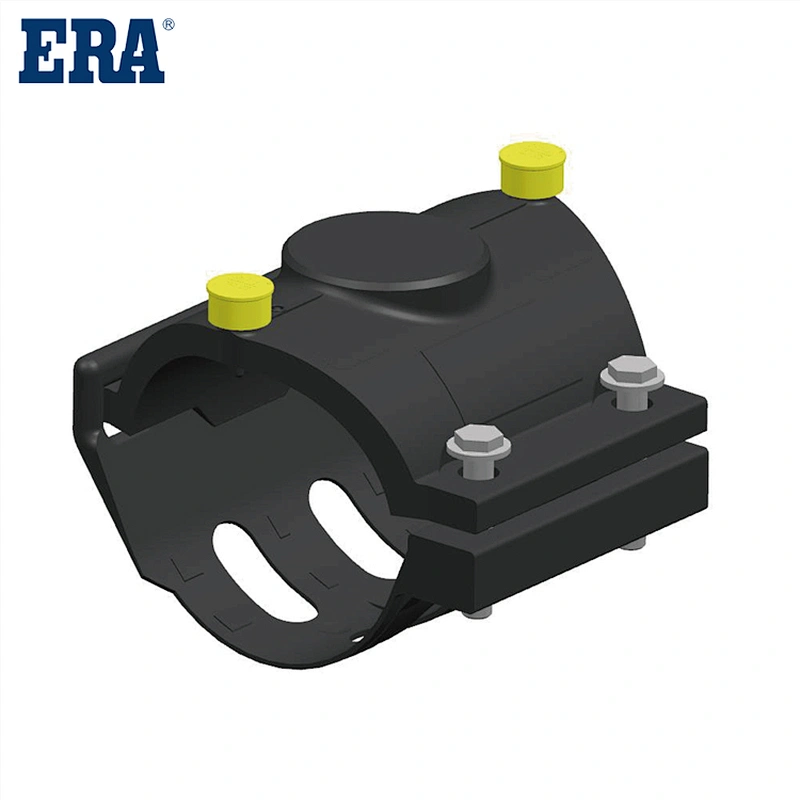
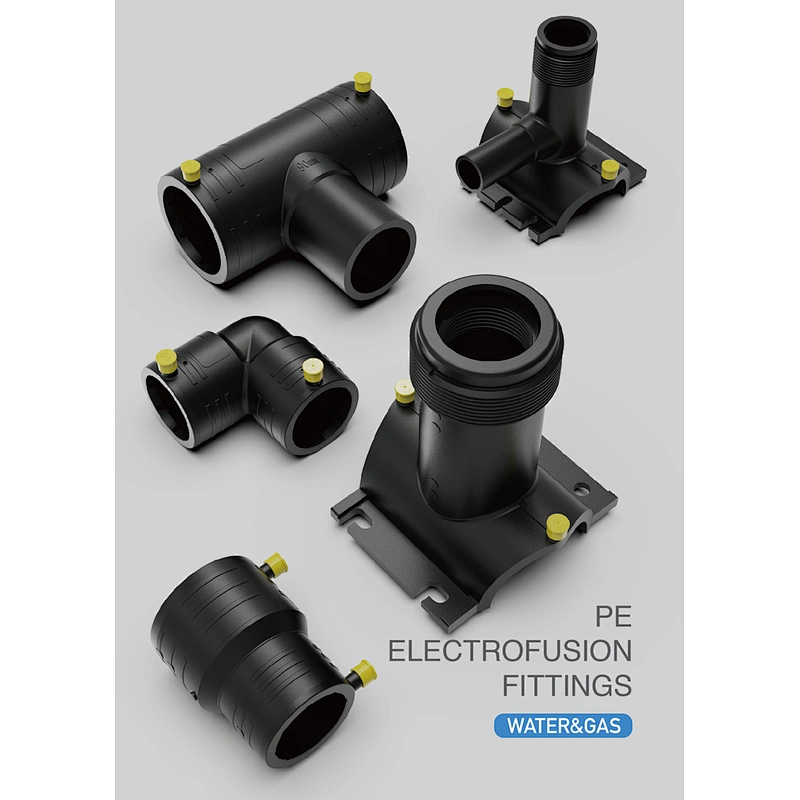
When there is a problem with the electric fusion interface of the PE pipe, the first reaction on site is often: Is there a problem with the welding machine?
Is the quality of the pipe fittings not good? This suspicion is natural because electric fusion welding ultimately manifests as electric heating and fusion connection. Once there is virtual welding, leakage, detachment, or failure of pressure testing at the interface, the welding machine and fittings are often pushed to the front of the table first. However, there are multiple stages in electric fusion welding, including pipe processing, welding, and cooling. Any problem in any stage may manifest at the final interface. If there is a problem, instead of immediately identifying who is responsible, it is better to trace back the entire construction process. Below, we will sort out possible hazards and inspection points item by item in the order from materials to cooling.
1、 First, let's take a look at the pipes and fittings
Don't rush to check the welding machine yet, the most basic product matching needs to be confirmed.
Whether the specifications of the pipes and electrofusion fittings correspond is the most fundamental and easily overlooked step. PE pipes come in different grades, wall thicknesses, and diameters, and electric melting fittings also have corresponding adaptation ranges. If the pipe and fittings are not of the same system, or if the diameter is the same but the wall thickness and material grade do not match, even if the welding parameters are accurate, it is difficult to form a reliable fusion. In reality, some construction sites have multiple sources and mixed batches of materials, and pipes and fittings may come from different manufacturers. If not carefully checked, hidden dangers may be buried.
Whether the product itself has obvious deformation, damage, or contamination, and whether there are obvious ellipses at the ends of the pipe, all of which will affect the subsequent assembly and welding. During transportation, loading and unloading, and stacking of pipes, they may be subjected to compression, collision, ovality, scratches, or cracks at the ends; If the pipe fittings are stored improperly, they may also be deformed, dampened, or contaminated by heat. The end ellipse will directly affect the insertion and fitting gap, and a gap that is too large or too small will change the welding effect. Especially for pipes and fittings that have been left on the construction site for a period of time, attention should also be paid to sediment, oil pollution, moisture, etc. There is a lot of dust and rainwater on the construction site. If pipes and fittings are stored outdoors for a long time and the ports are not sealed, it is easy for debris to adhere to the interior and connection surfaces. These impurities can form interlayers, pores, or incomplete fusion zones during the welding process, becoming weak points for future leakage.
In addition, attention should be paid to the storage time and environment of the pipes. Although PE materials are corrosion-resistant, long-term exposure to sunlight, high or low temperature environments may affect their performance. If there is obvious aging and powdering on the surface of the pipe, it will also affect the quality of the connection after scraping. If the status of the materials and fittings themselves is not confirmed clearly, it will be even harder to find the reasons behind it. Therefore, when dealing with electric fusion interface issues, the first step is not to suspect the equipment, but to first confirm whether the materials match, whether the condition is intact, and whether the connection surface is clean.
2、 Recheck scraping and cleaning
This area should be a key point worth checking in the electric fusion connection.
The surface oxide layer of the pipe connection area needs to be treated as required, and the connection surface should be kept clean and dry. During the production, storage, and construction process of PE pipes, a layer of oxide film will form on the surface. If this oxide film is not completely removed, it will affect the mutual diffusion of molecular chains during melting, resulting in insufficient welding strength. The purpose of scraping is to remove the oxide layer and expose a fresh and clean PE surface. There are requirements for the depth, width, and uniformity of scraping, which should not be too shallow, nor should they be scraped into potholes.
The real problem that is prone to occur on site is not necessarily not not scraping, but uneven scraping, inadequate range, or secondary pollution such as hands, mud, oil stains, etc. after scraping. Some workers know they need to scrape, but the scraping tools are not suitable, or the force used during operation is uneven, resulting in incomplete removal of the local oxide layer; Some scraping widths are not sufficient, and there are still some oxide layers in the fusion zone after inserting the pipe fittings; Some of them are left behind after scraping, and the connecting surface may be stained with soil, oil, or water, or even touched directly with hands, leaving sweat stains and grease. These will directly affect the welding quality.
So when encountering issues with the electric fusion interface, you can look back at the construction process at that time: was the oxide layer treated as required? Is the connection surface clean? Did it contaminate again after the processing was completed? Special attention should be paid to assembly and welding as soon as possible after scraping and cleaning, and prolonged exposure is not advisable. If there is strong wind and high humidity on site, or if there is accumulated water or mud in the pipe trench, it is even more important to take protective measures. If these pre-processing tasks are not done well, adjusting the welding machine parameters alone cannot solve the problem. Because the essence of electric fusion welding relies on the fusion bonding of the contact surface between the pipe and the fitting, and if the contact surface condition is not qualified, no matter how advanced the equipment is, it cannot be compensated for.
3、 Check if it is properly inserted and secured
Inserting pipes into electric melting fittings does not mean that assembly is complete. It is worth checking whether the insertion depth is sufficient, whether there is a significant difference in axis between the pipes and fittings, and whether the connection position is constantly under external force.
Electric fusion fittings usually have a stopper or insertion depth mark inside, and the pipe must be inserted into the specified position. If the deviation is too large, it will result in insufficient effective length of the fusion zone, or local overheating or incomplete fusion. Insertion too shallow, insufficient welding area; Inserting too deeply may hit the internal structure of the pipe and affect the flow of the melt. Sometimes on site, due to uneven pipe ends, foreign objects inside the fittings, or limited operating space, the insertion may not be properly detected.
The coaxiality of pipes and fittings is equally important. If the two are significantly different axes, the gap around them after insertion will be uneven, and the distribution of molten metal will also be uneven during electric heating, which can easily lead to local melting or local virtual welding. On site, it is particularly easy to encounter situations where the pipeline itself is not smooth, the pipe material is somewhat elliptical, or the space is relatively tight. In order to install the interface, sometimes it is hard plugged in or fixed by hard bending. In this state, even if the welding can be completed by powering on normally in the end, it does not mean that the previous assembly state is without problems. If external force persists, it will affect the stress state of the fusion surface during welding and cooling processes, increasing the risk of cracking and leakage.
So before welding, it is best to confirm the insertion depth, coaxiality, and fixation status first. Use brackets for those that should be supported and supports for those that should be supported to avoid unnecessary bending moments, shear forces, or tensile forces on the interface during assembly and cooling stages. For the assembly in the trench, attention should also be paid to whether the bottom foundation of the pipe is flat and whether the backfill is stable, to avoid interface stress caused by settlement or displacement after welding is completed.
4、 Then check the parameters, power supply, and welding machine again
We didn't find any obvious problems with the previous ones, so let's check the welding equipment and parameters again.
Whether the welding parameters required for electric fusion fittings are correct, whether the welding machine output is normal, and whether there are any abnormalities in the on-site power supply, cables, and equipment status may all affect the final welding effect. The welding voltage, current, time, cooling time and other parameters of electric fusion fittings from different manufacturers, specifications and pressure levels may vary. If the parameter input is incorrect or the welding machine does not correctly recognize the pipe information, it may lead to insufficient or excessive heating. Insufficient heating can lead to virtual welding, while excessive heating may cause melt overflow, pipe deformation, and even carbonization.
The stability of the welding machine output is also affected by the on-site power supply. If there are large voltage fluctuations, unstable power supply from the generator, long cables, or poor contact at the joints on the construction site, it may cause the actual output to deviate from the set value. If the welding machine itself is used for a long time, lacks calibration and maintenance, there may also be output deviation. Therefore, during the inspection, it is necessary to check whether the welding machine is within the valid period of verification or calibration, whether the cables, plugs, and grounding are normal, and whether the power capacity meets the requirements.
Nowadays, many electric fusion welding machines can scan codes or automatically read parameters, which makes operation much more convenient. However, there is a common misconception: if the welding machine displays"welding completed", it can only indicate that this round of welding program has been executed, but it cannot prove that the entire interface construction process is problem free. The welding machine records program data such as voltage, current, time, etc. It cannot sense whether the pipe is scraped in place, whether the connection surface is clean, whether the insertion depth is sufficient, and whether the cooling is sufficient. If the previous scraping, cleaning, insertion, and fixation are not done properly, the equipment itself cannot automatically repair these problems. Therefore, welding machine records can serve as a traceability basis, but cannot be used as the sole proof of quality compliance.
5、 Finally, don't forget to check the cooling process
After welding is completed, it is not immediately possible to move freely.
The electric fusion interface needs to be naturally cooled according to the corresponding requirements. During the cooling process, if the fixed pipes are removed or moved too early, or if the interface is subjected to unnecessary external forces, it may affect the connection quality. After the completion of electric melting welding, the PE material in the melting zone needs to be recrystallized, cooled and solidified within a certain period of time to achieve sufficient strength. This process takes time and also has certain requirements for environmental conditions such as temperature, wind speed, and humidity. If the cooling time is not enough to proceed to the next step of construction, the internal interface may not have fully solidified, and it is easy to produce micro cracks or detachment under external forces.
So when encountering interface issues, in addition to checking 'how was it soldered', you can also continue to ask: how was it handled after soldering? Have you started moving or proceeding to the next step of construction before the cooling is in place? This stage is particularly easily overlooked during on-site rush work. For example, in order to catch up with the schedule, dismantling the bracket, backfilling, moving the pipe after welding, or immediately conducting pressure testing and water supply, may cause damage to the interface that has not been completely cooled. In low temperature and strong wind weather, the cooling rate will accelerate, which may also lead to excessive shrinkage stress, and appropriate insulation or windproof measures need to be taken.
In addition, during the cooling process, it is necessary to avoid vibration, impact, or uneven settlement of the interface. If there is water accumulation in the pipe trench, prolonged soaking of the interface may also affect the cooling effect. For important interfaces, it is best to conduct a visual inspection after cooling is completed, and if necessary, perform non-destructive testing or pressure testing according to specifications. After confirming that it is qualified, proceed with subsequent processes.
So, if there is a problem with the electric fusion interface of the PE pipe, I think the most practical thing is not to guess"whose problem it is"first, but to go back in order: pipe fittings - scraping and cleaning - inserting and fixing - parameter equipment - cooling process. The value of this sequence lies in its ability to shift problem identification from"responsibility guessing"to"process tracing". Pipe fittings are the foundation, scraping and cleaning are the key, insertion and fixation are the guarantee, parameter equipment is the condition, and cooling process is the end. Any missing or inadequate link may lead to interface failure.
At least this way, we won't immediately attribute all the problems to the welding machine, pipe fittings, or a single construction worker. More importantly, through systematic investigation, the true cause can be identified, improvement measures can be developed, and similar problems can be avoided from recurring. For construction units, instead of blaming each other after problems arise, it is better to focus on process control: carefully checking materials upon arrival, performing scraping and cleaning according to specifications, confirming insertion and fixation item by item, strictly matching welding parameters, and patiently waiting for the cooling process. Only by doing every step well can the reliability of the electric fusion interface be truly guaranteed.
Which is more cost-effective, HDPE solid wall pipe or steel wire mesh skeleton composite pipe? It's actually difficult to judge this problem solely based on the unit price per meter.
For some specifications, the steel wire mesh skeleton pipe itself has a lower quotation, but after including the electric fusion fittings, interfaces, and construction, the advantages may not be so obvious; As the diameter and pressure increase, the wall thickness of HDPE solid wall pipes increases, and the material cost will significantly rise. Some people summarize the selection of these two types of pipes in one sentence: small diameter depends on interface cost, large diameter depends on wall thickness cost. This summary may not be absolute, but the direction is roughly correct. So when it comes to comparison, at least the costs of pipes, pipe fittings interfaces, and construction should be calculated together.
1、 First, let's take a look at the pipe material itself
HDPE solid wall pipes rely on the entire pipe wall to withstand pressure. The larger the diameter and the higher the pressure, the thicker the wall thickness, and the amount of material used will also increase. This is determined by the structural characteristics of solid wall pipes: single-layer homogeneous polyethylene, without internal reinforcement skeleton, and the pressure bearing capacity completely depends on the thickness of the pipe wall. Taking a pressure rating of 1.0MPa as an example, comparing the unit weight of pipes of the same specification, it can be found that the larger the diameter, the more significant the increase in material consumption of solid wall pipes: the DN200 solid wall pipe has a wall thickness of about 11.9mm and a single weight of 7.05kg/m, while the steel wire mesh skeleton pipe has a wall thickness of about 7.5mm and a single weight of 4.74kg/m; At DN500, the wall thickness of the solid wall pipe increased to 29.7mm and the single weight was 43.80kg/m, while the wall thickness of the composite pipe was 15.5mm and the single weight was 25.48kg/m; The time difference of DN800 is further widened, with a solid wall thickness of 47.4mm and a single weight of 112.00kg/m, and a composite wall thickness of 30.0mm and a single weight of 75.39kg/m. The difference in the amount of this material used will directly translate into a difference in the purchase price of pipes in large-diameter specifications. There is data estimating that the cost of PE solid wall pipes under the same pressure and diameter may be 20% -30% higher than that of steel wire mesh skeleton pipes.
The steel wire mesh skeleton composite pipe is a reinforced structure, with the steel wire layer participating in pressure bearing. Therefore, in some medium to large diameter and high-pressure specifications, the price advantage is often more easily reflected solely by the pipe material itself. The steel wire winding mesh inside the composite pipe bears the main pressure bearing task, while the polyethylene layer plays a more anti-corrosion and protective role, so the wall thickness increases slowly and the material utilization rate is higher. This is also why many people believe that when the pressure reaches 1.0MPa or even higher above DN110, the price of steel wire mesh skeleton pipes may begin to have an advantage. This statement has certain reference value, but it cannot be used as a unified boundary. The raw material prices, steel wire prices, and pricing strategies vary from manufacturer to manufacturer, region to region, and time to time, and the true cost intersection will definitely change. Industry discussions have pointed out that the cost of DN110 is approaching the intersection point at 1.6MPa, while the advantages of DN160-DN200 composite pipes are becoming increasingly apparent at 1.6MPa. But this is only a rough estimate, specific projects still need to be based on actual inquiries.
2、 Small caliber is more concerned about interface cost
When the diameter is small, the price difference of the pipe itself is usually not so exaggerated, but the cost proportion of the interface and fittings will increase significantly.
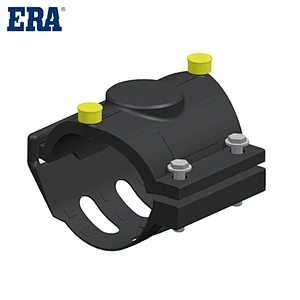
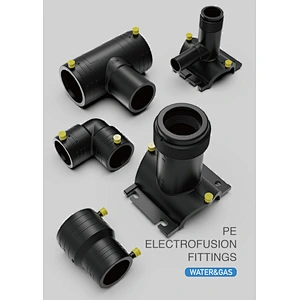
The long straight section of HDPE solid wall pipe can be hot-melt connected, and the cost of the interface itself is relatively low. Hot melt connection is the process of using a heating plate to melt the end faces of pipes and then butt them together, without the need for additional fittings. The cost of connecting straight pipe sections can be almost negligible. The steel wire mesh skeleton composite pipe usually adopts a matching electric fusion connection system, with many straight, elbow, tee, reducer, and flange conversions, and the cost of accessories will quickly increase. The electric fusion connection must use a dedicated electric fusion sleeve or pipe fitting, and each interface requires a pipe fitting with an electric hot wire, which is much more expensive than hot melt docking. Taking a certain cost reference data as an example, the direct unit price of DN110 steel wire mesh skeleton pipe electric fusion is about 115 yuan/piece, DN200 is about 300 yuan/piece, and the price of electric fusion elbow is even higher, with DN200's 90 ° elbow reaching up to 600 yuan/piece. If there are many bends and tees in a pipeline, the cost of pipe fittings alone may exceed that of the pipe itself.
So the biggest fear for small caliber projects is just looking at the price of rice. For a 100 meter pipe, a long straight pipe only has a few interfaces, and there are dozens of elbows, tees, and flanges in a factory pipeline network. The total cost may be completely different in the end. The more nodes there are, the more important the interface cost becomes. Moreover, there are basically no specifications for steel wire mesh skeleton pipes below DN50, and small-diameter solid wall pipes are almost the only choice.
3、 The construction cost cannot be ignored either
When HDPE solid wall pipes are laid in open, long-distance, and straight lines, the hot melt joint is relatively mature, and the continuous construction is also relatively smooth. Hot melt docking equipment has strong universality, relatively popular operator training, and high efficiency in long-distance pipeline construction.
But if the on-site space is narrow, there are many turns, and the nodes are dense, it may be difficult to deploy the hot melt equipment, and the construction efficiency may decrease. Hot melt welding requires a certain amount of operating space to install welding machines and fix pipes. In the case of narrow pipe trenches or other pipelines already in the trench, the construction difficulty will increase. When using electric fusion connection for steel wire mesh skeleton pipes, it will be more flexible at some complex nodes, but the costs of equipment, fittings, and welding management also need to be included together. Electric fusion connection only requires the fitting to be placed on the pipe and powered on, with relatively small requirements for operating space. However, it requires a dedicated electric fusion welding machine and has requirements for welding parameter management and operator qualifications.
In addition, there are factors such as transportation, loading and unloading, labor, and project duration. Composite pipes are lightweight and may have lower transportation and lifting costs; But the price of electric fusion fittings is high and the procurement cycle may be longer. The hot-melt construction efficiency of solid wall pipes is high, but large-diameter solid wall pipes are heavy and require more mechanical cooperation during transportation and installation. The final calculated results may vary depending on different regions, construction teams, and projects.
Overall
This question is difficult to simply say, who must be chosen after a certain caliber, or who is cheaper after a certain pressure level or above.
Overall, DN110 and around 1.0MPa can serve as a reference range for the key price comparison of the two types of pipes. Moving towards larger diameters and higher pressures, the steel wire mesh skeleton pipe itself is usually more worthy of comparison; But ultimately, it's more cost-effective to include both pipe fittings and construction costs. The experienced selection approach is: when the working pressure is in the range of 1.0-3.5MPa and the wall thickness of the solid wall pipe is not economical, the steel mesh skeleton pipe is more worth considering; In the scenario of normal or low pressure water supply, with a pressure not exceeding 1.6MPa, solid wall pipes have strong universality in specifications within the range of DN20-DN800, and the overall cost is often more controllable.
Ultimately, pipe selection is not a simple arithmetic problem. The unit price of pipes is only the starting point, and the quantity of pipe fittings, node form, construction conditions, transportation distance, and schedule requirements may all change the final cost comparison result. When comparing two types of pipes, instead of focusing on the price per meter, it is better to list the material list and construction plan for the entire project lifecycle, allowing the data to speak for itself.


 English