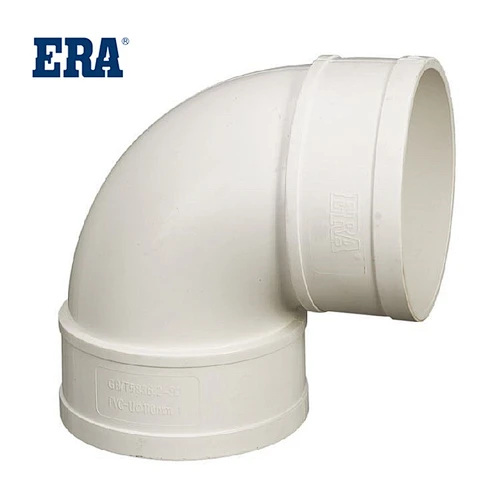
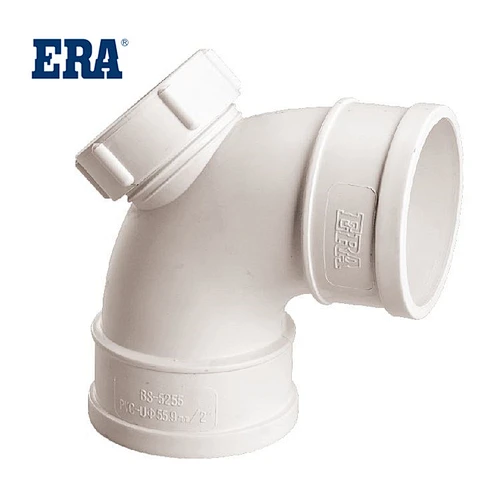
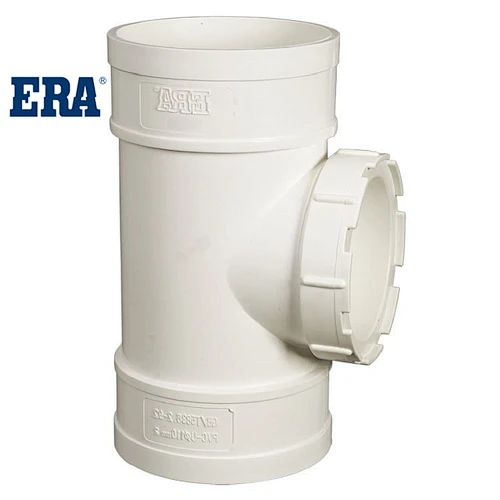
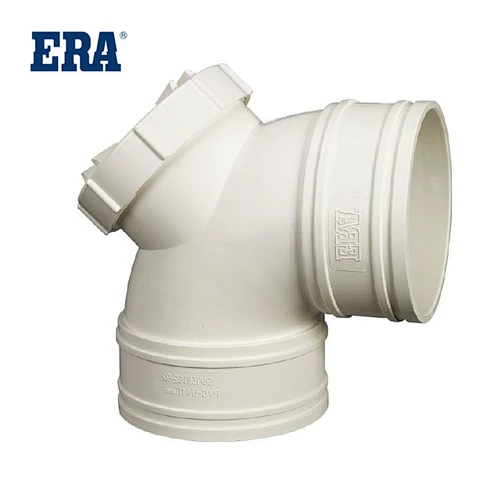
PVC pipes exposed to the outside environment for a long time will be affected by environmental factors. Under the conditions of sunlight exposure and high temperatures, the physical properties of PVC pipes may decrease, thereby affecting their service life. Prolonged exposure to sunlight can cause aging, discoloration, and decomposition of PVC pipes. Specifically, PVC begins to decompose at around 170℃ under high temperatures. It has poor stability towards light and heat, and when it is above 100℃ or exposed to prolonged sunlight, it will decompose and produce hydrogen chloride, which is a toxic substance.
In addition, the service life of PVC pipes will also be affected. Theoretically, the service life of PVC pipes is 50 years, but the actual service life is related to the specific use environment. Generally speaking, the service life of PVC pipes is about 15 years. If the PVC pipe is buried underground or in the wall and is not affected by sun exposure and freezing, its service life may reach 30 years.
Therefore, the installation location of PVC pipes has a great impact on their lifespan. It is recommended that during construction, PVC pipes should be installed underground as much as possible and the supporting pipes should be installed indoors, avoiding outdoor installation and trying to avoid heat sources. This can not only protect the PVC pipes but also extend their service life.
Due to its corrosion resistance, good insulation performance, easeDue to its corrosion resistance, good insulation performance, ease of installation, and low cost, PVC pipes are widely used in various scenarios. Here are some suggestions for applying PVC pipes to our daily life:
1. Home renovation: PVC pipes can be used for laying electrical wires, which not only protects the wires but also avoids safety hazards caused by exposed wires. In addition, PVC pipes can also be used for drainage systems, such as those in kitchens and bathrooms.
2. Agricultural irrigation: PVC pipes can be used in agricultural irrigation systems due to their corrosion resistance and can be used outdoors for a long time.
3. Construction: In construction, PVC pipes are often used as drainage pipes or water supply pipes.
4. Industrial use: In industrial production, PVC pipes also have a wide range of applications, such as chemical pipelines and sewage pipelines.
5. Public facilities: In public facilities such as parks, schools, and hospitals, PVC pipes are also widely used, such as drainage systems and cable wire protection.
6. Environmental protection projects: PVC pipes can also be used in environmental protection projects, such as sewage treatment and waste recycling.
In general, as long as we are good at discovering and utilizing them, PVC pipes have a wide application space in our lives.
If the PVC drainage pipe is broken, the first step is to determine the extent of the leak. Whether the water is dripping or gushing out, you should immediately close the valve of the affected water supply pipe and contact the property management department for repair. The following methods can be used for repair:
1. Depending on the size of the broken PVC pipe, buy a new one with the same diameter. Then purchase a bottle of PVC glue. Apply the PVC glue to both inner sides of the joint at the pipe ends, connect the new PVC pipe to the joint, tighten the joint, and apply PVC glue to the outer side of the pipe as well.
2. For slight leaks at the joint, adhesive sealing can be used for repair. This requires draining the water in the pipe and creating negative pressure inside the PVC pipe, then injecting adhesive into the gap at the leakage point.
3. If the above methods are not effective or if the breakage is large, it may be necessary to call a professional plumber for repair.
Please note that these operations require certain professional knowledge and skills. If you are unsure how to proceed, it is best to seek help from a professional. Regular inspection and maintenance of PVC drainage pipes can effectively prevent breakages from occurring.
The installation process of PVC drainage pipes can be divided into the following steps:
1. Preparation: Firstly, check the pipes to ensure they are not damaged or deformed.
2. Prefabrication: According to the construction drawings and actual conditions, measure the size at the reserved opening position, draw a processing sketch, and then cut the pipe based on the measured size from the sketch.
3. Bracket installation: During the laying of the pipes, brackets need to be installed to fix and support the pipes. When expansion joints are set on horizontal pipes, fixed brackets must be set at both ends of each expansion joint.
4. Installation of main pipes, standpipes, and branch pipes: These parts should be installed according to the design drawings to ensure tightness at the connection points.
5. Sealing holes: After the pipe installation is completed, all openings and holes in the pipes need to be sealed to prevent water leakage.
6. Water-tight test: Conduct a water-tight test to check for any leaks in the pipes.
It is particularly important to note that if underground pipe installation is involved in the project, it should be constructed in strict accordance with "Code for Construction and Acceptance of Water Supply and Drainage Pipeline Engineering" (GB50268-2008). The specific construction method involves excavating trenches with an excavator, manually assisting in cleaning the trenches, manually installing pipes, and manually cooperating with machinery to backfill the trenches. At the same time, it should be noted that when the diameter of the pipe is less than or equal to 100mm in high-rise buildings, the force of the fixed bracket for overhead drainage pipes suspended in the basement should not be less than 30kN; when the diameter of the pipe is 160mm, it should not be less than 60kN.
The installation of PVC drainage pipes requires following certain steps and paying attention to some matters to ensure its normal operation and prolong its service life.
Firstly, the pipes should be cleaned before installation, including the inside and outside of the pipes, to keep them clean. Secondly, according to the drawing requirements and actual conditions, measure the size at the reserved opening position and draw a processing sketch. After that, cut the pipe based on the measured size from the sketch. In addition, when arranging the water pipes, the elevation of the bottom (water flow surface) of the pipe should meet the design specifications.
When connecting the interfaces, sewage is usually connected by PVC-U foam drainage pipes, adhesive and flange interfaces. For buried pipes, construction should be carried out in strict accordance with the "Code for Construction and Acceptance of Water Supply and Drainage Pipeline Engineering" (GB50268-2008). The specific construction method is excavating the pipe trench with an excavator, manually assisting in cleaning the trench, manually installing the pipes, and manually cooperating with machinery to backfill the pipe trench.
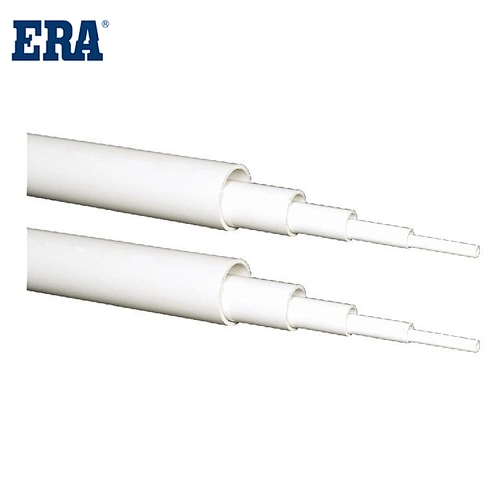
PVC drainage pipes are a common type of piping material, primarily used forPVC drainage pipes are a common type of piping material, primarily used for the discharge of wastewater or other liquids. The inner walls of these pipes are smooth, resulting in low frictional resistance compared to conventional drainage materials, which can increase the indoor ceiling height of buildings. PVC drainage pipes are lightweight, being one-fifth the weight of cast iron pipes, making them easy to transport and handle. Additionally, they have high tensile strength and can withstand significant water pressure.
PVC drainage pipes possess excellent corrosion resistance and can tolerate the erosion caused by various corrosive substances such as acids, alkalis, and salts. After special treatment, this pipe material can be used for long periods within the temperature range of -10℃~45℃ without deterioration due to exposure to sunlight or rain. At the same time, PVC drainage pipes can also withstand high temperatures and will not deform when discharging high-temperature liquids.
However, despite their many advantages, PVC drainage pipes do have some drawbacks. For instance, they have poor low-temperature performance and cannot be used for transporting cold liquids. Furthermore, over time, chloride ions may be released, making them unsuitable for use as water supply pipes. In conclusion, when selecting piping materials for drainage or water supply, it is essential to fully understand the characteristics and application requirements of different materials to make a scientifically sound choice.
PVC drainage pipes play an important role in modern life, and here are some ways to make better use of them:
1. Rainwater collection system: PVC drainage pipes can be used as part of a rainwater collection system. By installing PVC pipes on the roof or gutters of a house, rainwater can be collected for irrigation, flushing toilets, or other non-drinking purposes.
2. Agricultural irrigation: PVC drainage pipes can also be used for agricultural irrigation. By burying PVC pipes underground, water can be delivered directly to the roots of plants, reducing water waste and improving irrigation efficiency.
3. Drainage system: The most common application of PVC drainage pipes is as part of a drainage system. They can effectively remove water from houses, basements, and commercial buildings, preventing floods.
4. Swimming pool filtration system: PVC drainage pipes can also be used in swimming pool filtration systems. By connecting PVC pipes between the filter and the pool, impurities and contaminants in the pool water can be filtered out, keeping the water clean.
5. DIY projects: PVC drainage pipes are also a good choice for many DIY projects. For example, you can use PVC pipes to make your own bird feeders, plant holders, or other home decorations.
In general, PVC drainage pipes are a very practical and versatile material. As long as we are good at discovering and utilizing them, they can bring convenience to our lives in many aspects.
PVC drainage pipes have the following advantages:
1. Corrosion resistance: PVC drainage pipes have good corrosion resistance to acids, alkalis, salts and other chemicals, making them suitable for a variety of harsh chemical environments.
2. Wear resistance: PVC drainage pipes have high surface hardness and are wear-resistant, not easily scratched or broken.
3. High temperature resistance: PVC drainage pipes have good high-temperature resistance, can be used for a long time at high temperatures without deformation or melting.
4. High pressure resistance: PVC drainage pipes have high pressure strength and can withstand large water pressure and flow impact force.
5. Easy installation: PVC drainage pipes are lightweight, easy to handle and install, and construction is quick and convenient.
6. Low maintenance cost: PVC drainage pipes do not require frequent maintenance and upkeep, have a long service life, and low repair costs.
7. Good sealing performance: The connections of PVC drainage pipes use glue bonding or hot melt connection, which has good sealing performance to prevent leakage.
8. Environmental protection: PVC drainage pipe materials are non-toxic, odorless, and pollution-free, meeting environmental protection requirements.
There are the following main differences between PVC drainage pipes and water supply pipes:
1. Different purposes: Drainage pipes are mainly used to transport wastewater produced in buildings to sewers or other treatment locations, such as sedimentation tanks or sewage treatment facilities. Water supply pipes are suitable for the cold and hot water systems of buildings, including central heating systems, heating systems, floor radiant heating systems, potable pure water supply systems that can be directly consumed, and also suitable for central air conditioning systems.
2. Different material requirements: Water supply pipes are usually made of materials with anti-corrosion and pressure-resistant properties, such as PVC, PPR, copper, and stainless steel, etc. Drainage pipes have no pressure and hygiene index requirements for pipe materials themselves.
3. Different connection methods: PVC water supply pipes use hot melt connection, which makes the connection more secure. Small-diameter drainage pipes use screw connection, while large-diameter drainage pipes use rubber ring connection, which has slightly lower safety performance but lower construction costs.
Construction and installation: Before installing pipelines, it is necessary to understand the structure and composition of the building, be familiar with the design drawings and construction plans of drainage engineering, and the coordination measures with civil engineering. The horizontal pipes of the riser should be equipped with expansion joints and fixed brackets according to regulations. The gap reserved at the insertion of the expansion joint at the pipe end is 5-10mm in summer and 15-20mm in winter. The spacing between pipeline supports should not exceed 1.5m for pipes with an outer diameter of 50mm, and 2m for pipes with an outer diameter of 75mm and above. The horizontal pipes should not exceed the provisions in the table below. Adhesive coating. Dip a small brush that comes with the adhesive into the adhesive and apply it to the joint surface of the pipe and pipe fittings. The coating should be applied axially, quickly and evenly, and the adhesive should be applied in an appropriate amount without missing or applying too thick. During winter construction, special attention should be paid to coating the socket first and then the socket. The connection of the socket interface, after applying adhesive to the socket, should immediately find the correct direction to insert the pipe into the socket, so that the insertion depth of the pipe end meets the marked depth, and the straightness and position of the socket interface are correct. It should also be maintained for 2-3 minutes to prevent the interface from slipping. The error between the prefabricated pipe end nodes should not exceed 5mm. The maintenance of the socket interface. After the socket interface is connected, the extruded adhesive should be wiped clean with cotton yarn or a dry cloth dipped in cleaning agent. Wait until the interface is cured according to the performance of the adhesive and climatic conditions. The curing time should be appropriately extended during winter or rainy season construction.
Construction plan for PVC water supply and drainage pipes
Drainage pipe:
1. The pipeline should be clearly installed. When laying pipelines underground, corresponding technical measures should be taken.
2. The drainage riser is arranged near the walls, corners, or columns of equipment with high drainage capacity.
3. The pipeline shall not be arranged above the main and auxiliary food storage, cooking, and catering operation areas in the cafeteria and catering industry
Fang.
4. The pipeline should not pass through the bedroom or storage room, and should not be arranged or laid on the inner wall adjacent to the bedroom
Face.
5. Pipelines shall not be arranged on raw materials, products, and equipment that may cause combustion, explosion, or damage when exposed to water
Fang.
6. Pipelines should be avoided from being placed near heat sources. If this cannot be avoided, and the surface of the pipeline should be heated at a temperature greater than 60 degrees Celsius
Insulation measures should be taken when the temperature is high. (Note: The clear distance between the riser and the edge of the household stove shall not be less than)
7. The pipeline shall not pass through smoke ducts, settlement joints, and firewalls. (Note: Pipes should avoid passing through expansion joints.),
If it is necessary to pass through, corresponding measures should be taken
Overview of PVC drainage pipes
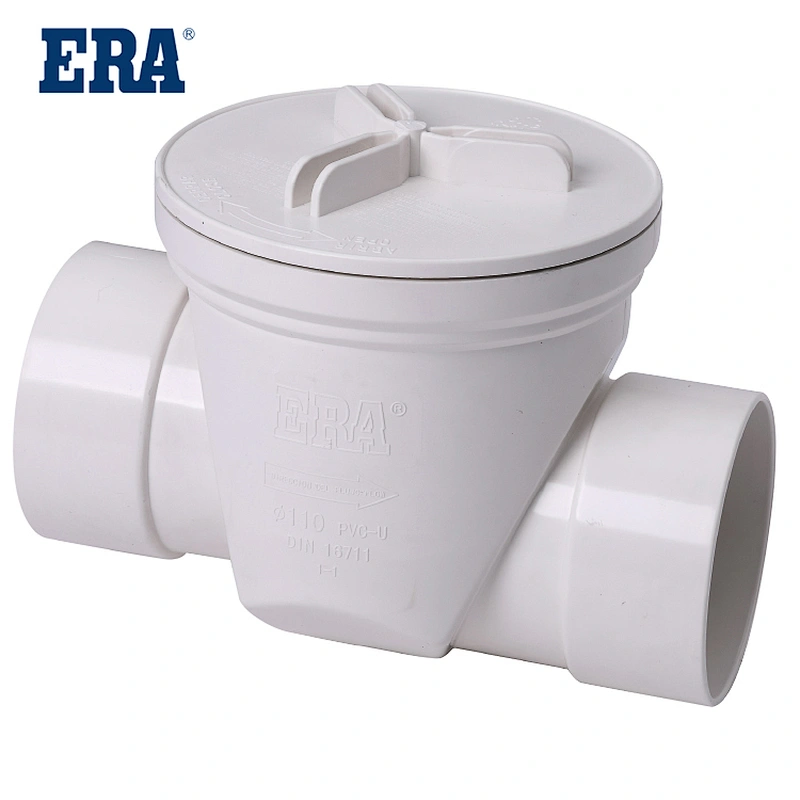
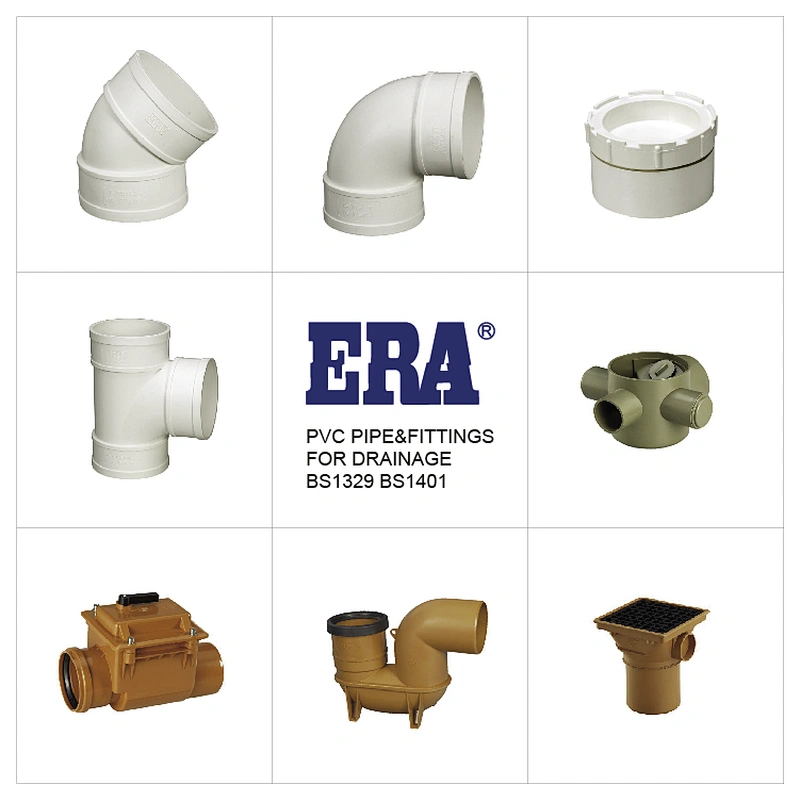
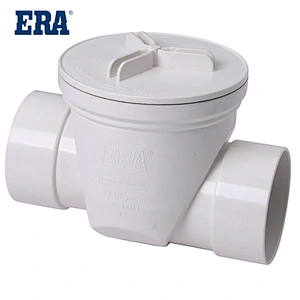
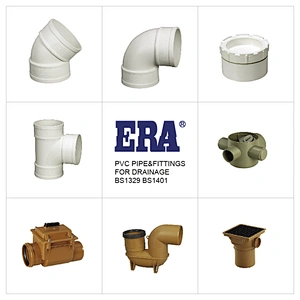
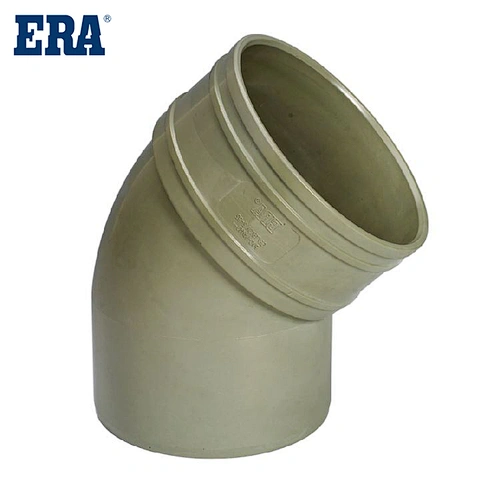
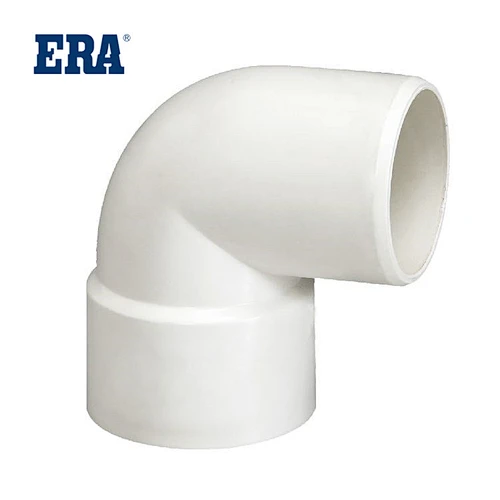
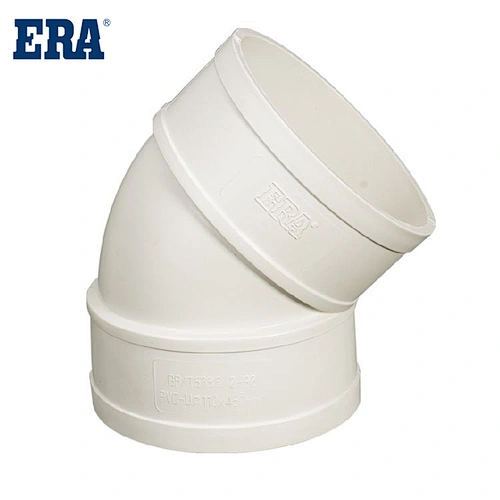
Hard vinyl chloride pipes for building drainage, abbreviated as UPVC drainage pipes or PVC-U drainage pipes, are mainly made of PVC resin as the main raw material, with an appropriate amount of filling material and suitable additives added. Products such as stabilizers, modifiers, lubricants, etc. are extruded into shape by an extruder.? PVC drainage pipe is the most commonly used plastic pipe in water supply and drainage engineering. The diameter of PVC drainage pipe is mainly 50,75110160200250315400, with high bending strength, large bending modulus, and high resistance to external loads.
PVC drainage pipes have the following characteristics: (1) good chemical corrosion resistance; (2) Has white extinction and flame retardancy; (3) Good aging resistance, used between -15 ℃ and 60 ℃ for 30-50 years; (4) Good electrical performance, with a volume resistance of 1-3 × 10¹⁵Q2/cm3, with a breakdown voltage of up to 23-28Kv/mm; (5) The inner wall is smooth and has low surface tension, making it difficult to form scale. The fluid transport capacity is 43.7% higher than that of cast iron pipes; (6) Lighter than steel pipes and iron pipes, it is easy to expand, bond, and bend, and the installation workload is about half of that of steel pipes; (7) UPVC pipes have low toughness, high coefficient of linear expansion, and a narrow temperature range for use.
PVC drainage pipe construction, these should be noted
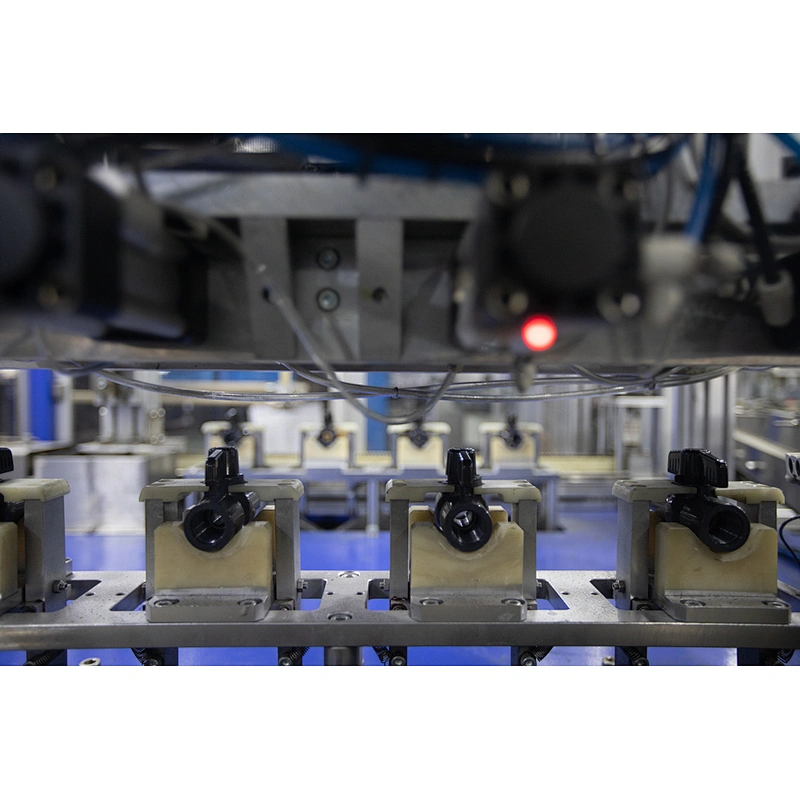
PVC drainage pipes are mainly made of sanitary grade polyvinyl chloride (PVC) resin as the main raw material, and are added with an appropriate amount of stabilizers, lubricants, fillers, coloring agents, etc. They are extruded by plastic extruders and injection molded by injection molding machines. The production of pipes and fittings is completed through cooling, curing, shaping, inspection, packaging, and other processes. Excellent physical and chemical properties, resistance to chemical corrosion, high impact strength, low fluid resistance, increased flow rate by 30% compared to cast iron pipes of the same diameter, aging resistance, long service life, with a service life of no less than 50 years, making it an ideal material for building water supply and drainage.
Product features: PVC-U water pipes are lightweight: the weight per unit length is only 1/6 of cast iron pipes; PVC-U water supply pipes have high strength: the tensile strength can reach 45Mpa or above; PVC-U pipe has low resistance: the inner wall of the pipe is smooth, without scaling, and the head loss along the same diameter pipe is more than 30% lower than that of cast iron pipe, which can greatly save operating costs; PVC-U water supply pipes are corrosion-resistant: they have good acid, alkali, chemical corrosion resistance, electrical and mechanical corrosion resistance, and will not exhibit pitting corrosion during use; PVC drainage pipe is easy to install: it adopts flexible connection and rubber ring sealing, which is easy to install and has good sealing performance; PVC-U water supply pipes have a long service life: under normal working conditions, their service life can reach 50 years.
FAQ:
1.What is your MOQ?
Our MOQ is usually 5 CTNS.
2.What is your delievery time?
The time of delievery is around 30-45days.
3.What is the shipping port?
We ship the goods via Ningbo or Shanghai port.
4.What is your payment terms?
We accept 30% T/T in advance,70% in the period of shipment or 100% L/C.
5.How should I contact you?
You can contact us with Trade Manager or send us an email by click Contact Supplier bottom.
6.What is the location of your company?
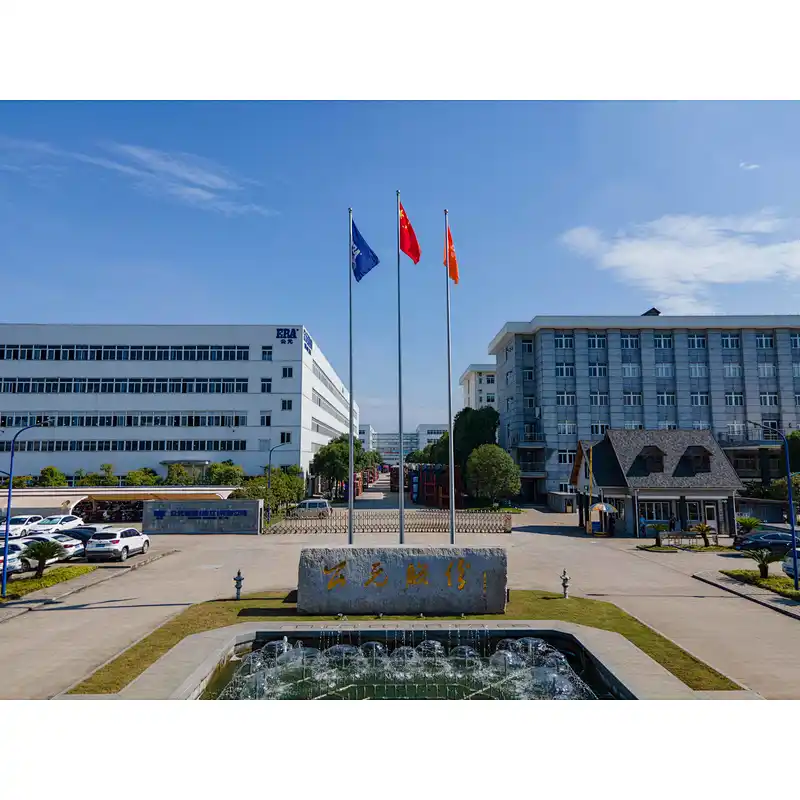
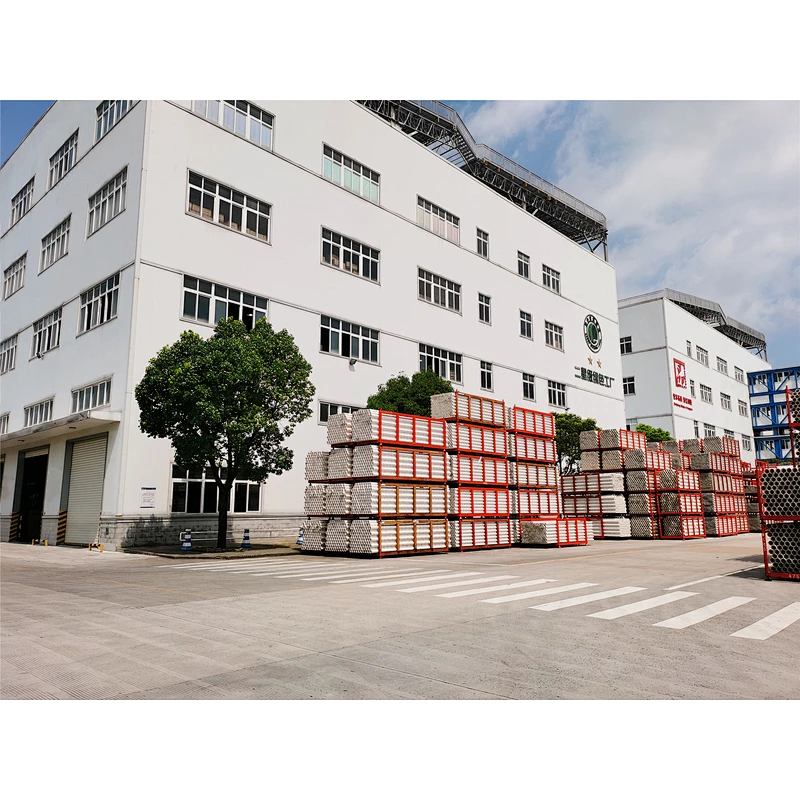
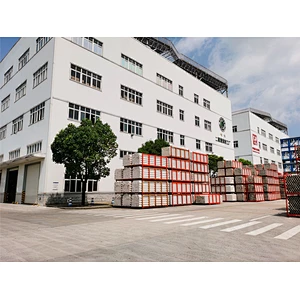
Our company is located in the Taizhou Zhejiang Province,China.
If you would like to have a visit, you are much welcome.
7.How about the samples?
We could send you the samples ,most samples are free to send to most places in China.If sent to other countries,transport fee shoule be paid by you.
8.Why choose us?
1 Genuine produces with excellent quality and competitive price.
2 Cooperating with the customers all over the world and knowing the markets very well.
3 ERA is a listed company. Everything can be rest assured working with us.
4 After- Services will be highly-satisfied. Any problems and feedbacks will be answered in a short of time.
Our Services:
1. Any inquiries will be replied within 24 hours
2. Professional manufacturer.
3. OEM is available.
4. High quality, standard designs, reasonable&competitive price, fast lead time.
5. Faster delivery: Sample will be prepared in 2-3days.
6. Shipping: We have strong cooperation with DHL, TNT, UPS, MSK, China Shipping, etc.
7. You can also choose your own shipping forwarder.


 English