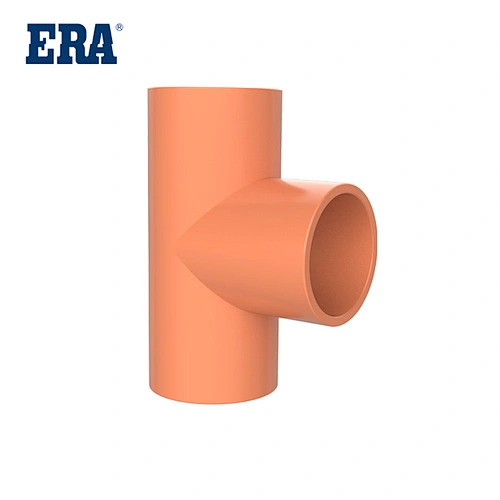
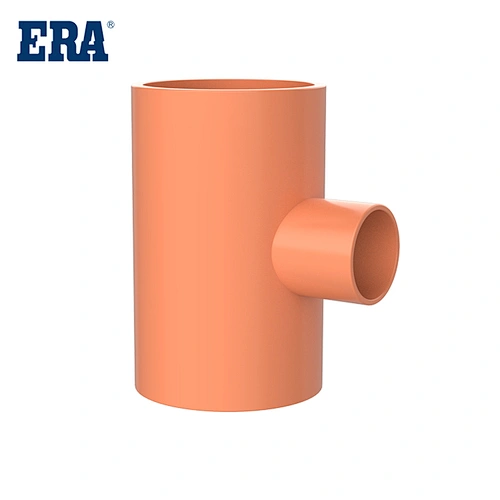
The installation process of CPVC fire pipe requires strict compliance with relevant regulations and operational steps, as follows:
1. Handling: During transportation and installation, the pipes should be protected from damage, not mixed with metal pipes, nor dropped or dragged on the ground. PVC-C accessories should also be handled similarly. A careful inspection should be conducted before formal installation.
2. Adhesion: Insert the pipe end into the socket and rotate it 90 degrees to make the end face tightly contact the socket for 10-15 seconds to achieve initial bonding. It is required that the adhesive can be obviously seen overflowing at the interface. If the overflowing adhesive at the interface is discontinuous, it indicates that the amount of coating is insufficient, and it should be disassembled and re-bonded.
3. Welding: The welding is done manually using hot air welding, with a hot air temperature of 250-300℃。
In addition, it is important to note that CPVC fire pipes have good chemical corrosion resistance, unique antibacterial properties, smooth inner walls, which can greatly reduce the accumulation of microorganisms in water, and basically will not occur microbial corrosion. Moreover, it has good pressure resistance, and our country stipulates that the maximum working pressure of the water supply pipe system for automatic sprinkler systems should not exceed 1.2MPa. These are all details that need to be paid attention to during installation and use.
CPvc fire pipe is a new type of fire protection pipe material with excellent properties such as flame resistance, high ignition point, self-extinguishing upon removal from the fire source, superior heat insulation, corrosion resistance, and anti-blockage. Its service life can reach up to 50 years, making it a viable replacement for steel or copper pipes in fire protection systems. In addition, CPVC fire pipes have high rigidity, low thermal expansion coefficient, and are resistant to high pressure.
In the Chinese market, the prospects for CPVC fire pipes are promising. According to a report released by market research agencies, global sales of chlorinated polyvinyl chloride (CPVC) reached $1.8 billion in 2022, and are expected to reach $3.7 billion by 2029, with a compound annual growth rate (CAGR) of 11.2% (2023-2029). CPVC pipes are also the only products approved by authoritative fire protection system certification bodies such as UL, FM, LPCB in the UK, Tianjin Fire Research Institute in China, etc. for use in fire sprinkler piping systems, and have been used in Europe and the US for 35 years.
In conclusion, CPvc fire pipe is an excellent fire protection pipe material with many advantages and broad application prospects.
The application range of CPvc fire pipe system is very wide. According to the current situation of use at home and abroad, this kind of pipe is mainly used in hotels, apartments, comprehensive buildings, and residential buildings with a fire hazard level of Class I. These places have a wide coverage range and are less prone to fire hazards. The excellent fire resistance performance of CPvc pipes can provide effective fire protection. In addition, CPvc pipes also have the advantages of corrosion resistance, easy installation, fast connection, and low maintenance cost.
In addition, CPVC pipes have reached the best fire-resistant grade for non-metallic materials, with excellent flame retardant and smoke suppression properties. They can be used for a long time at temperatures close to 100℃ and can self-extinguish when exposed to flames. This is mainly due to its unique chlorinated polyvinyl chloride material, making it a long-term choice in the field of fire protection in developed countries such as the United States, and has been vigorously promoted in China.
In summary, due to the excellent performance and wide application range of CPvc fire pipes, they play an important role in the fire protection system.
Resistance to flame spread and smoke generation
Flame spread and smoke generation are important attributes, and limiting flames helps firefighters and fire suppression systems quickly extinguish fires, control property and equipment damage.
The material used for the distribution pipeline of automatic sprinkler fire extinguishing systems has a flame spread range of 4-18 and a smoke emission range of 40-150.
According to UL testing of PVC-C pipelines, the flame propagation index is 5; The smoke spread index is 35.
Low thermal conductivity
The thermal conductivity of PVC-C is relatively low in thermoplastic plastics, only 1/2 of polypropylene and 1/300 of steel.
Metal pipes have high thermal conductivity and excellent heat transfer. Extreme heat transfer can lead to fires in adjacent rooms.
The low thermal conductivity of PVC-C fire pipes limits the transfer of heat through firewalls.
Exposure experiment
The international authoritative laboratory, the American Insurance Company Laboratory (UL), conducted direct combustion of PVC-C fire pipes at temperatures of 370-420 ° C, and the result was that only carbonization appeared on the surface of the pipes, while the inside of the pipes remained intact. Surface carbonization will add a protective layer to the pipeline, preventing heat from entering the pipe wall and preventing combustion.
Smoke toxicity
PVC-C fire pipes exposed to strong heat and flames will release carbon monoxide, carbon dioxide, and hydrogen chloride. According to research conducted by Harvard University in Boston, the maximum content of hydrogen chloride was found to be 280ppm; The Southwest Research Institute conducted research on the fire that occurred in San Antonio and found that the maximum content of hydrogen chloride was 232 ppm. No adverse effects on the human body.
Misconception 1: CPVC is a plastic pipe that will definitely melt in fire
Fact: CPVC pipes have reached the optimal fire resistance level of non-metallic materials and have excellent flame retardant and smoke suppression properties.
CPVC pipes can be used for a long time at temperatures close to 100C, and can also be flame retardant and self extinguishing. The CPVC fire protection pipeline system has become a long-term choice in the fire protection field in developed countries such as the United States, and has also been vigorously promoted in China. This is mainly due to the pressure resistance and excellent flame retardancy and smoke suppression properties of chlorinated polyvinyl chloride (CPVC) materials.
Firstly, it is resistant to ignition. The sudden temperature of CPVC is 482 ° C, which is less prone to ignition compared to other plastics;
Secondly, CPVC is not easily combustible. The flame retardancy of materials is measured by the Extreme Oxygen Index (LOI), which is the percentage of oxygen in the surrounding atmosphere required to maintain flame combustion. The LOI of CPVC fire pipes is 60, which belongs to flame retardant materials;
Misconception 2: The cost of cPVC pipes is high
Fact: The overall cost of CPVC pipes is much lower than the cost of steel.
Due to the ease of installation of CPVC pipes, installation time is reduced and labor costs are saved during the installation process; No need for other tools, can save rental and maintenance costs; Reduce lifecycle costs and save long-term maintenance costs.
With the rise in steel prices since 2020, most steel prices have risen by more than 30-40%. It is expected that steel prices will continue to rise in the near future, leading to significant uncertainty in the future of steel. This variability has a significant impact on the profit margins of customers, contractors, and installation personnel.
In contrast, due to its core technological capabilities with independent intellectual property rights, Qianzhen Technology (13862270507) has a relatively flat material price trend for CPVC. This makes Qianzhen Technology's CPVC fire pipes more cost-effective than steel pipes, and the fluctuation range is not significant. This makes Qianzhen Technology's CPVC fire pipes a more stable material choice in the short and long term.
Misconception 3: Poor corrosion resistance compared to steel
Fact: The chlorine content of CPVC fire pipes is as high as 60%, which is equivalent to its own sterilization effect, and can effectively prevent the corrosion of pipes caused by bacterial erosion.
The main reason for corrosion and rusting of galvanized steel pipes is the layer of zinc coated on the surface. Zinc has relatively active chemical properties, soluble in both acid and alkali. In humid environments, zinc undergoes a chemical reaction, forming a basic zinc carbonate film on the surface. When in contact with substances containing hydrogen sulfide, the corrosion resistance of zinc decreases, making it highly susceptible to corrosion, exposing the surface of the steel plate and ultimately rusting. Rust on galvanized steel pipes can easily cause paralysis of the fire sprinkler system, resulting in the inability to extinguish fires in a timely manner and ultimately causing significant casualties and property damage.
The chlorine content of CPVC fire pipes is as high as 60%, which is equivalent to its own sterilization effect, effectively preventing corrosion of the pipes caused by bacterial erosion. In order to ensure corrosion resistance, Qianzhen Technology has conducted professional tests on pipes and found that they have strong resistance to strong acids, alkalis, and salts. They are a very good alternative to galvanized steel pipes that are prone to corrosion, and can also avoid frequent maintenance in the later stage.
Misconception 4: CPVC pipes are made of plastic and are harmful to the environment
Fact: CPVC pipes are currently recognized as green and environmentally friendly materials.
CPVC, also known as chlorinated polyvinyl chloride, originates from sea salt substances in the ocean compared to other petrochemical derived plastics. It is a white or slightly yellow flowable solid powder, odorless, odorless, and non-toxic, so CPVC pipe products are currently recognized as green and environmentally friendly products.
Misconception 5: Poor installation connectivity
Fact: CPVC pipes can be installed with a simple adhesive method and are safe and sturdy.
The installation of steel pipe connections requires a hot welding machine or a third party specialized in assembly for welding, while CPVC pipes only require a simple adhesive bonding method to complete the installation. CPVC pipes not only make installation easier, but also provide a cleaner and quieter installation. During the renovation and installation process, the interference to tenants is minimized. Compared to steel, it reduces installation time and thus lowers costs. Qianzhen Technology (13862270507) CPVC pipes are lightweight, which means installation in difficult to reach areas is much easier and can be moved within the project without the need for specialized equipment. For installation workers working in tight, enclosed environments, this is an ideal material.
FAQ:
1.What is your MOQ?
Our MOQ is usually 5 CTNS.
2.What is your delievery time?
The time of delievery is around 30-45days.
3.What is the shipping port?
We ship the goods via Ningbo or Shanghai port.
4.What is your payment terms?
We accept 30% T/T in advance,70% in the period of shipment or 100% L/C.
5.How should I contact you?
You can contact us with Trade Manager or send us an email by click Contact Supplier bottom.
6.What is the location of your company?
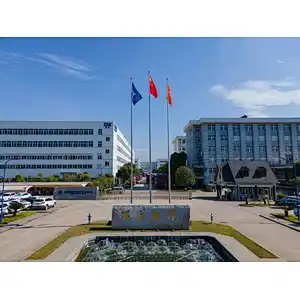
Our company is located in the Taizhou Zhejiang Province,China.
If you would like to have a visit, you are much welcome.
7.How about the samples?
We could send you the samples ,most samples are free to send to most places in China.If sent to other countries,transport fee shoule be paid by you.
8.Why choose us?
1 Genuine produces with excellent quality and competitive price.
2 Cooperating with the customers all over the world and knowing the markets very well.
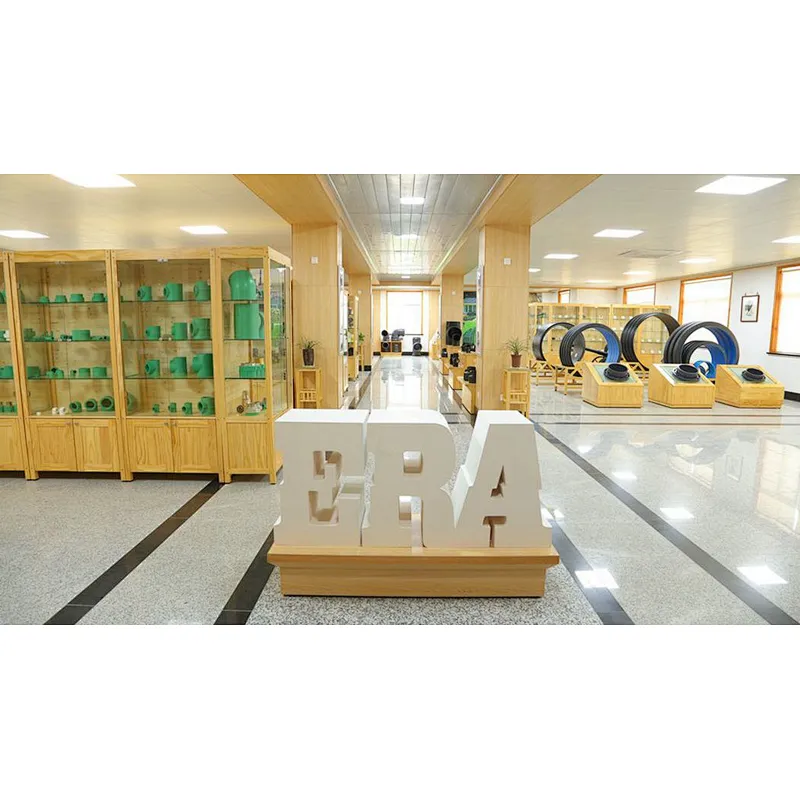
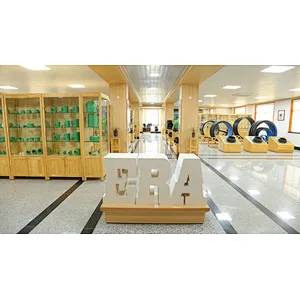
3 ERA is a listed company. Everything can be rest assured working with us.
4 After- Services will be highly-satisfied. Any problems and feedbacks will be answered in a short of time.
Our Services:
1. Any inquiries will be replied within 24 hours
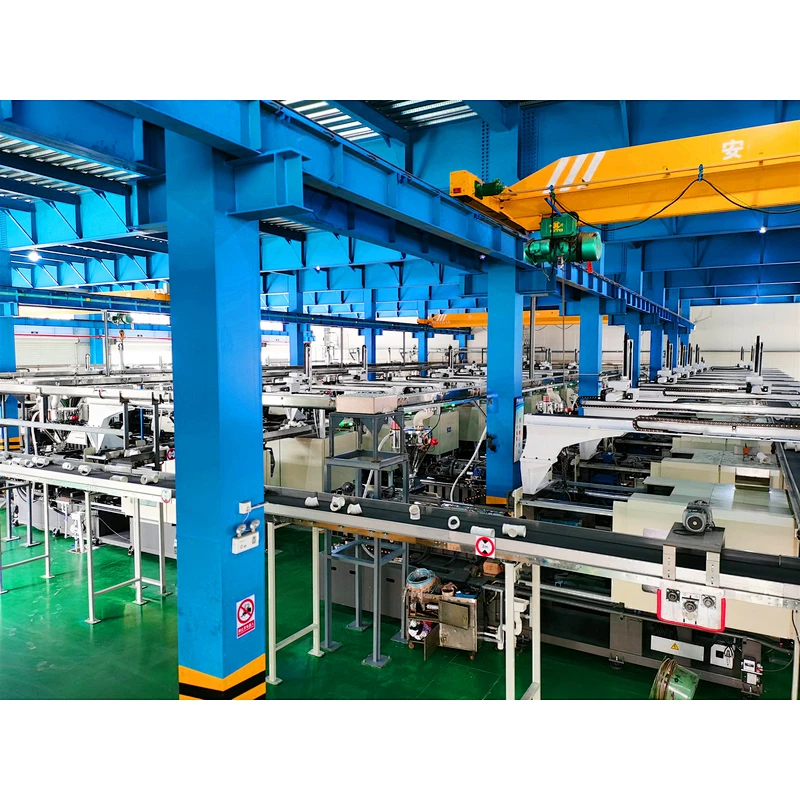
2. Professional manufacturer.
3. OEM is available.
4. High quality, standard designs, reasonable&competitive price, fast lead time.
5. Faster delivery: Sample will be prepared in 2-3days.
6. Shipping: We have strong cooperation with DHL, TNT, UPS, MSK, China Shipping, etc.
7. You can also choose your own shipping forwarder.


 English