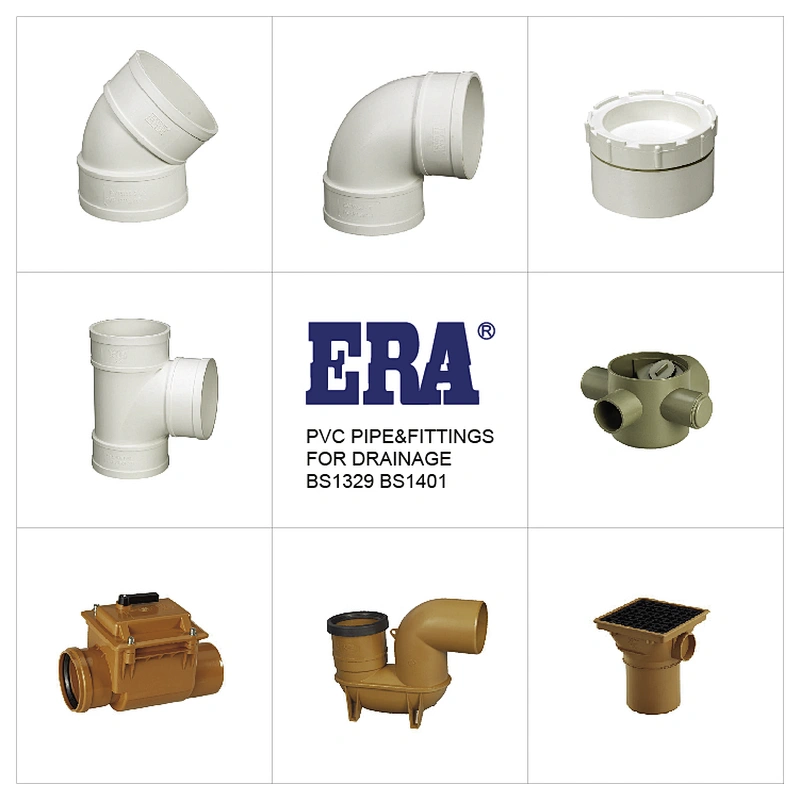
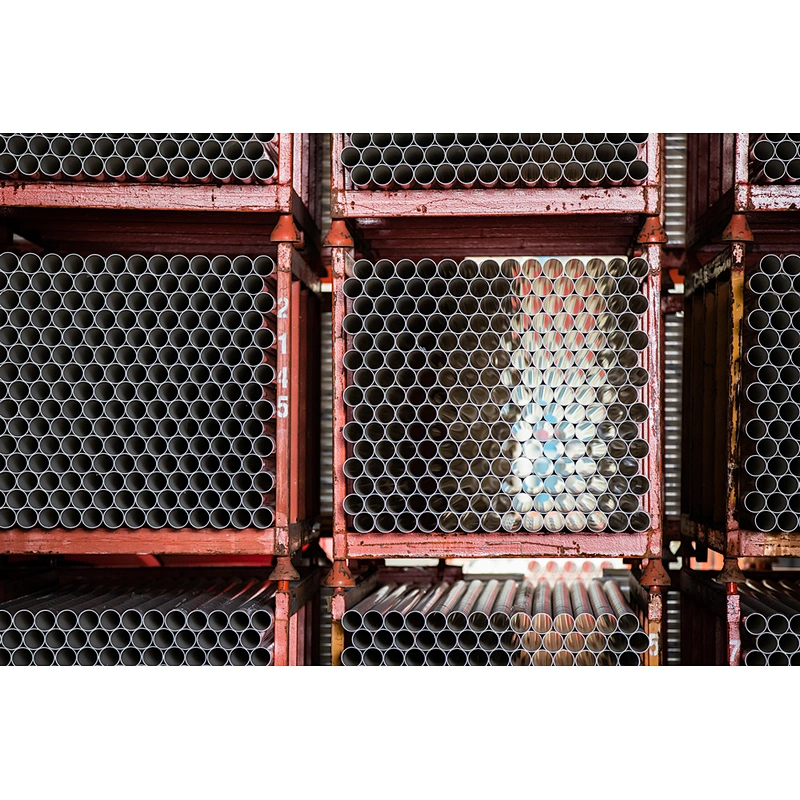
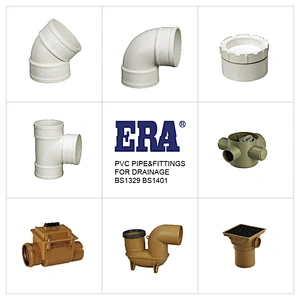
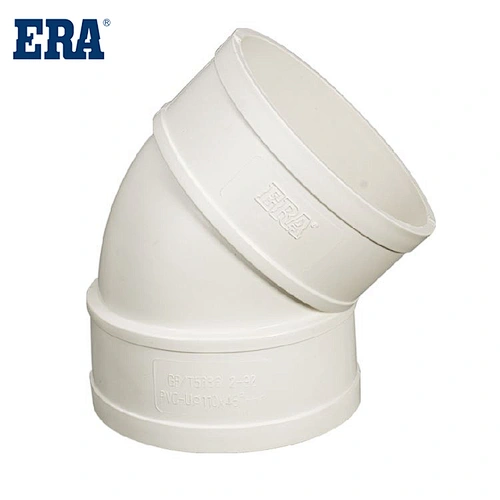
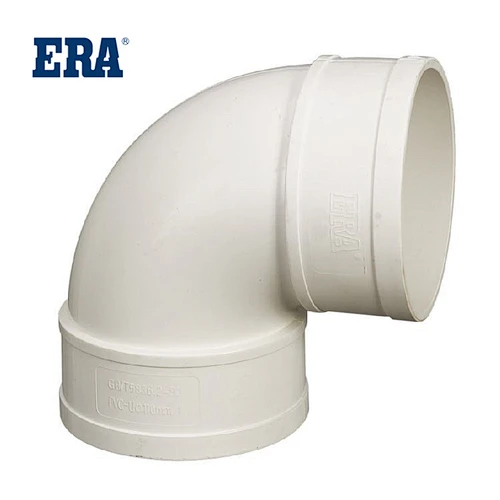
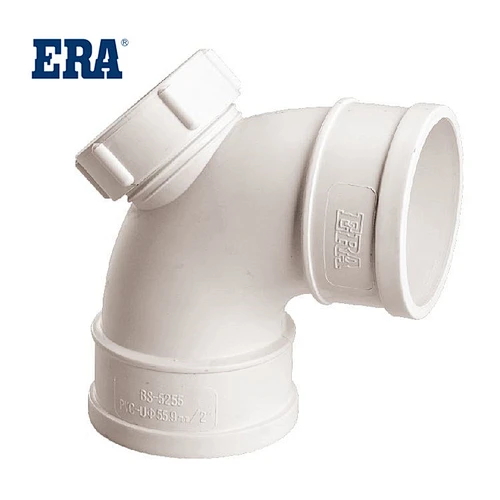
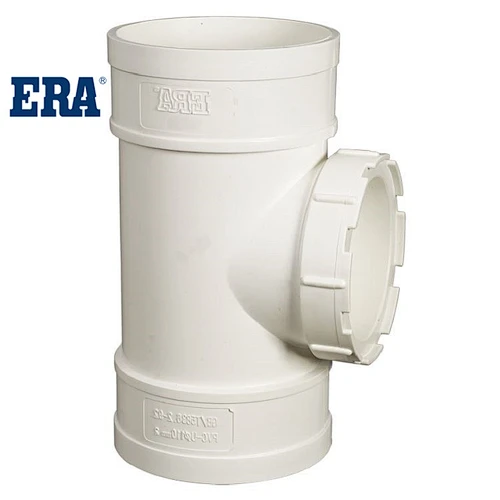
PVC PIPES AND FITTINGS FOR DRAINAGE
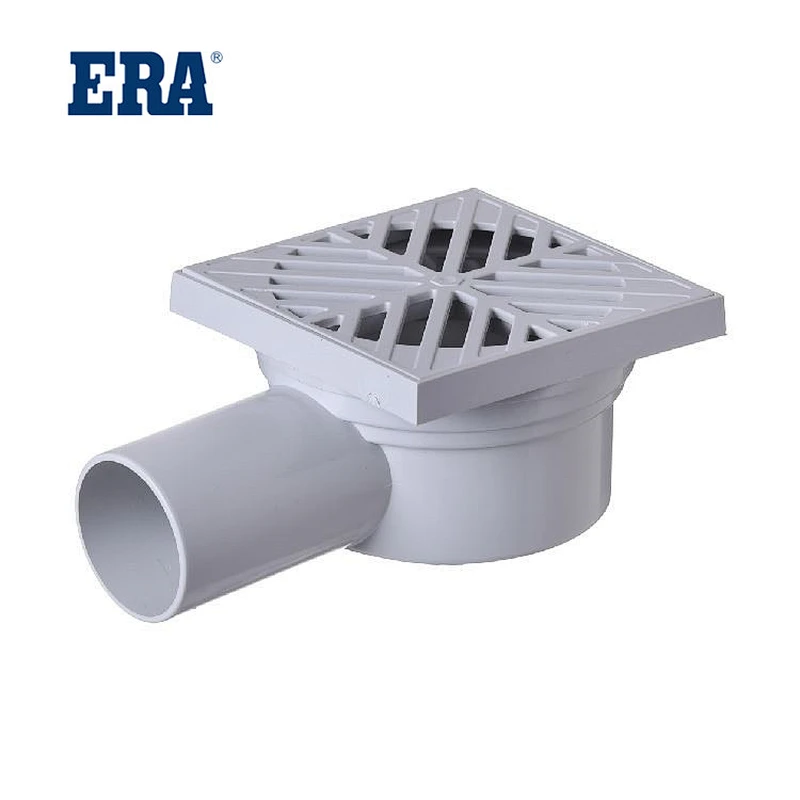
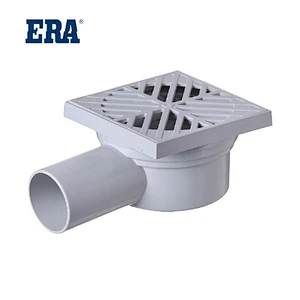
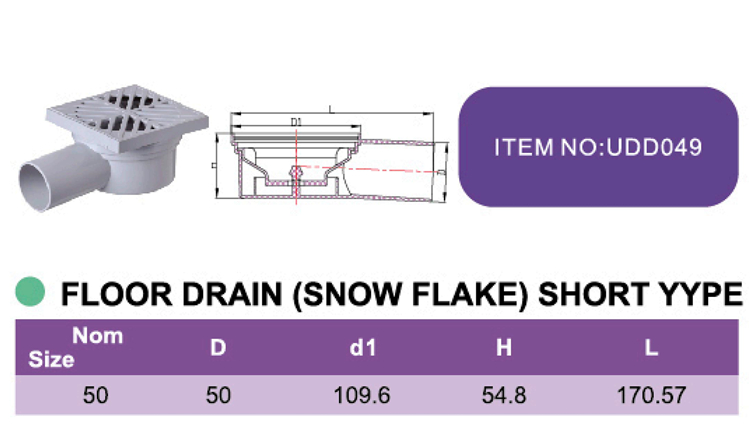
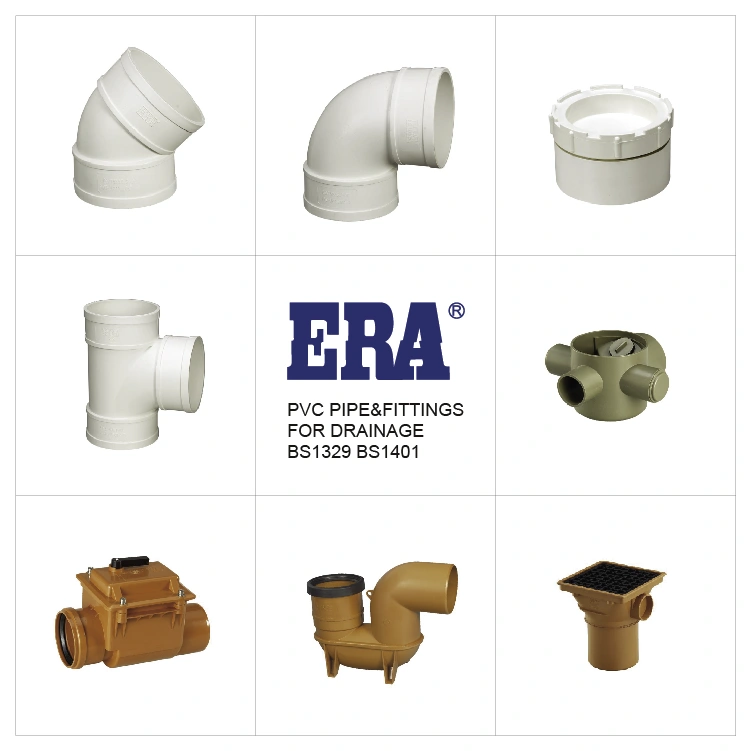
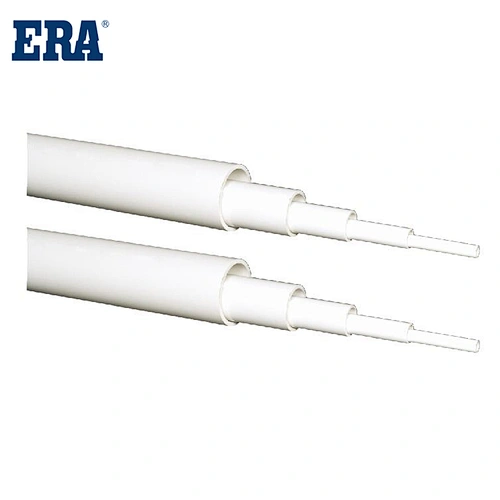
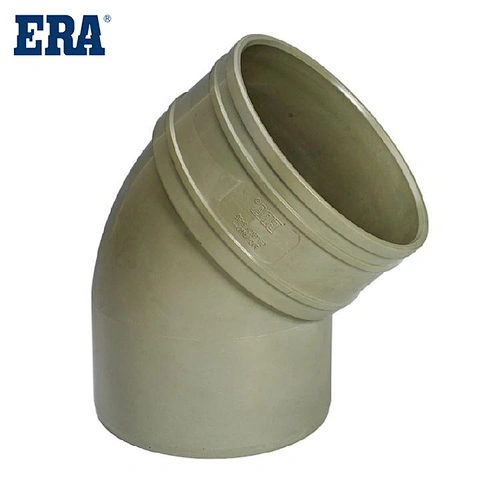
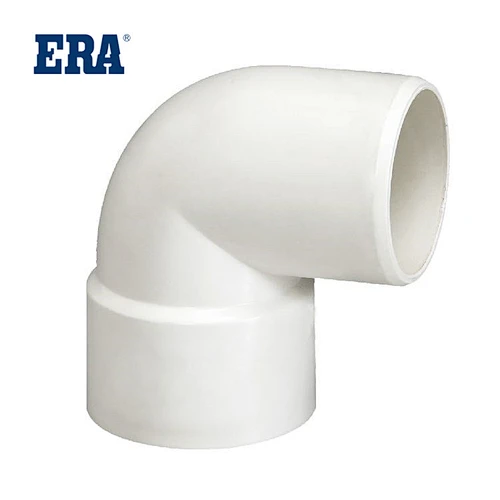
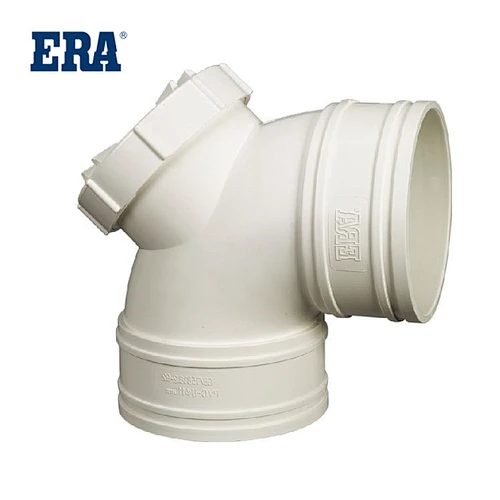
PVC PIPE SYSTEM DRAINAGE PIPES DIN STANDARD BS1329 BS1401, FLOOR DRAIN SNOW FLAKE SHORT YYPE , UDD049System:PVC pipe system
Scope:Drainage pipe system can be used for road drains, agricultural, railway, airport, construction and public green. PVC has the smoothest flow surface of any piping material.The pipe will not be susceptible to blockages and will maintain a high flow capacity over the life of the pipeline.
Specification:A plastic sewer system costs less to operate and maintain because it has greater flow capacity per given size and fewer joints. The economic life cycle of a PVC sewer system is projected at more than 50 years.
Referenced Standards:BS1329/BS1401
Size:50mm – 250mm
Certificate:Kitemark
Specification:
| Model Number | UDD049 | Material | PVC |
| Description | FLOOR DRAIN SNOW FLAKE SHORT YYPE | Size | 50MM |
| Standard | BS1329、BS1401 | Color | WHITE、GREY |
| Brand | ERA | Temperature | 0-40 |
| Connection | glue welding | Certificate | / |
Main Products:
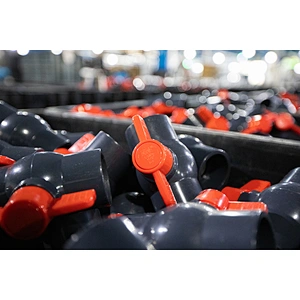
The main features of PVC drainage pipes are:
1. Lightweight: The specific gravity of the material is only 1/10 of cast iron, making transportation and installation easy, reducing costs.
2. Excellent chemical resistance: It has excellent acid and alkali resistance (except for strong acids and bases close to the saturation point or strong oxidizing chemicals).
3. Non-conductive: The material cannot conduct electricity and is not corroded by electrolysis and current.
4. It cannot burn and does not support combustion: there are no fire protection concerns.
5. Easy installation and low cost: cutting and connection are very simple, using PVC glue for connection, which is reliable and safe, easy to operate and low cost.
6. Durable: It has excellent weather resistance and cannot be corrupted by bacteria and fungi. 7. Small resistance and high circulation rate: the inner wall is smooth, the fluid fluidity loss is small, dirt is not easy to adhere to the smooth pipe wall, and maintenance is relatively simple and low-cost.
When it comes to digitizing drainage networks, many people first think of building platforms, installing sensors, and moving underground pipelines onto computer screens. The pipelines on the large screen are vertical and horizontal, and the data jumps, which looks very modern and intuitive. But truly managing a city's drainage network requires more than just knowing where the pipes are buried. The information on how many years the pipeline has been in use, whether it is damaged, whether the drainage is normal, which areas are prone to water accumulation, and how to deal with problems after they occur are equally important. If digitalization only stays at the level of"visible"without solving the problem of"being able to manage and use it well", it will be difficult for it to truly realize its value.
On July 2, 2026, the country issued GB/T 47884-2026"General Technical Requirements for Digitalization of Urban Drainage Network", which will be implemented from February 1, 2027. This is a recommended national standard, which has once again brought attention to the topic of digitalization of drainage networks. Although recommended standards do not have mandatory binding force, they often reflect the consensus of an industry in terms of technical path, data requirements, and management ideas. For systems engineering such as drainage networks that involve planning, construction, operation, and emergency response, the introduction of standards means that digitization is no longer just an exploration for individual cities, nor is it just a stacking of software platform functions, but is gradually moving towards standardization and systematization.
1、 First, thoroughly investigate the underground pipeline network
The drainage network of a city may have a construction history of several decades. Pipelines built in different eras may have different materials, diameters, burial depths, interface forms, and construction methods, and relevant information may not be complete. Some old urban pipe networks were first built in the last century, and the design standards and construction conditions at that time were significantly different from today; Some new areas, although not built for a long time, have dense underground pipelines, involving various pipelines such as rainwater, sewage, confluence, water supply, gas, electricity, communication, etc., and the spatial relationships between them are complex. In addition, with the repeated renovation of urban roads and the continuous promotion of land development, the actual situation of underground pipelines is often more complex than what is presented on the drawings.
For example, for an underground drainage pipe, at least it should be clear where it goes from, what material it is, what diameter it is, how deep it is buried, and which inspection wells it is connected to. To be more specific, it also involves information such as pipeline construction time, ownership unit, and operational status. For a sewage pipe, it may also be necessary to pay attention to its service scope, access to households, and whether there is rainwater and sewage mixing; For a rainwater pipe, attention should be paid to its catchment area, discharge location, and relationship with the river or pumping station. Only by sorting out these basic information clearly can there be a reliable basis for subsequent operation and maintenance management.
If these materials are incomplete, subsequent maintenance may encounter difficulties. Some places have underground pipelines, but the drawings cannot be found; Some pipelines have undergone multiple modifications, and the actual location has deviated from the original data. A more common situation is that different departments have their own portion of information, with inconsistent formats and calibers, making it difficult to integrate and use. For example, the construction department has completion drawings, the urban management department has maintenance records, and the water department has operational monitoring data, but there is no effective correlation between them. The result is that when encountering problems, multiple parties need to coordinate and repeatedly verify, which is inefficient and difficult to guarantee accuracy.
So one of the fundamental tasks for digitizing drainage networks is to reorganize scattered pipeline data and establish continuously updated basic data for the pipeline network. For the construction of new pipeline networks, it is important to pay attention to the connection between engineering data and actual construction information, in order to avoid situations where"there is information on the map but not on the ground"or"there is information on the ground but not on the map"; For existing pipeline networks, it may be necessary to gradually supplement them through pipeline detection, data verification, and other methods. This process is often not one-time, but requires continuous updates through daily inspections, testing, maintenance, and renovation. Only when the basic data is true, accurate, and complete, can digitalization have a solid foundation.
2、 Just knowing where the pipeline is is is not enough
The underground drainage network is different from the ground roads, and it cannot be seen normally. If there is a problem, it may not be immediately discovered. The road is broken, and people can see cracks and potholes; If there is a problem with the pipeline network, it often takes until the road surface overflows with water and sewage, or the ground collapses, to attract attention. And once it reaches this stage, the problem may already be quite serious and the cost of handling it may be higher.
For example, a rainwater pipe that appears normal but experiences poor drainage during heavy rainfall. Is it due to insufficient pipe diameter, local blockage, or high downstream water level? It is difficult to determine based solely on a distribution map of the pipeline network. For example, in a certain area, sewage pipes often operate at high water levels. Is it due to excessive upstream water, pipeline siltation, or unreasonable pump station scheduling? If there is no operational data support, one can only rely on experience to speculate. Digitization aims to solve the problem of"invisibility, ambiguity, and misjudgment".
This involves the operation data of the drainage network. According to different facilities and management needs, information such as liquid level, flow rate, flow velocity, and water quality can be collected. Combined with the operation of pump stations, inspection wells, and other drainage facilities, the working status of the entire system can be understood. Liquid level data can help determine whether the pipeline is full and whether there is a top support; Flow and velocity data can reflect changes in drainage capacity; Water quality data can help identify issues such as abnormal emissions and mixed rainwater and sewage. Combining these data with network topology, topography, and rainfall information is necessary to comprehensively analyze the system's operational status.
However, it should be noted that digitization does not mean that every pipeline must be equipped with sensors. The scale of the drainage network is huge. If we blindly pursue full coverage, not only will the investment be huge, but the subsequent maintenance will also become a burden. The locations that need to be monitored, the equipment used, and the parameters to be monitored should be determined based on the characteristics of the pipeline network, actual management needs, and relevant technical requirements. For example, key locations such as flood prone points, critical nodes, before and after pump stations, and important discharge outlets often require more focused monitoring; Some ordinary pipe sections can be monitored and inspected regularly to understand the situation. What is truly valuable is discovering anomalies and assisting in problem diagnosis through these data, rather than simply pursuing the number of devices. Digitization is not about 'stacking devices', but about' using data '.
3、 Pipeline inspection and repair should also leave usable data
For the pipeline industry, this part is actually more worthy of attention. Nowadays, many cities have carried out drainage network testing, dredging, repair, and renovation. CCTV detection, pipeline periscope detection, non excavation repair and other technologies are becoming increasingly common. These tasks themselves generate a wealth of valuable information, but if the management approach remains at the stage of 'detection after detection, repair after repair', it will be difficult for this information to truly settle down.
But how to save the data after testing? Can the discovered defects accurately correspond to specific pipe sections? Has the original defect record been updated after the repair? These issues also affect subsequent management. In reality, some testing reports are saved in paper or independent electronic file form, which is inconvenient to query; Some image data, although saved, have not been associated with specific pipeline sections, inspection wells, or geographic coordinates; Some repair projects only record the construction content after completion, without synchronously updating the original defect information. Over time, as the amount of data accumulates, its usability actually decreases.
For example, a DN600 drainage pipe was found to have cracks, misaligned interfaces, or local deformations through CCTV inspection. If the test report is only stored separately, when it is repaired again in a few years, the staff may have to search for information again or even repeat the test. Repeated testing not only wastes manpower and resources, but may also increase the difficulty of the operation due to changes in on-site conditions. If the position of the pipeline segment, detection time, defect type, image data, and subsequent repair records can be associated, the next maintenance can quickly understand the historical situation of this pipeline segment. For example, this section of pipeline has had structural defects in the past. The repair method should be local resin curing or overall lining, and whether it should be re inspected after repair. The results of the re inspection can provide reference for subsequent decision-making.
This is also a practical value of digitizing pipeline networks: not only recording what pipelines are underground, but also documenting what has happened to these pipelines. Furthermore, it is necessary to record the current status of these pipelines and what measures may need to be taken in the future. Of course, the specific defect classification, detection methods, and acceptance requirements still need to be implemented in accordance with the corresponding engineering technical standards, and digital management cannot replace necessary on-site inspections. Digitization is an auxiliary tool for management and decision-making, rather than a substitute for on-site work.
4、 With the data, we still need to actually use it in the end
In the past, there was a situation in many engineering projects where data collection was very complete during project construction, but there was no continuous maintenance after completion. Over the years, the addition of new pipelines, renovation of pipeline sections, and changes in equipment have not been updated in a timely manner, and the original data has gradually lost its reference value. The platform is still there, but the data has' expired '; The system can still be opened, but it can no longer reflect reality. This situation is not uncommon in some information technology projects, and the root cause lies in treating digitization as a one-time delivery project rather than a continuous management mechanism.
So digital construction cannot just stay at the time of project delivery. For example, if a certain area repeatedly experiences water accumulation, can we combine the distribution of the pipeline network, operation monitoring, historical detection, and maintenance records to assist in determining where the problem lies? Is it due to insufficient overcurrent capacity in a local section of the pipeline, or is the downstream outlet obstructed? Is it short-term rainfall exceeding the design standard, or is there a problem with system scheduling? Can we first check the material, diameter, construction year, and historical defects of a certain section of pipeline that is being updated, and then decide whether further testing is needed? If clues can be found through data to address these issues, digitization will truly be effective.
These are the places where data truly comes into play. For drainage network management units, digitalization should ultimately serve daily inspections, maintenance, drainage scheduling, and renovation, rather than building a rarely used system. Patrol personnel can check historical issues in the monitoring section through mobile devices, maintenance personnel can arrange dredging plans based on sedimentation patterns, dispatchers can optimize pump station operations by combining liquid level and flow data, and planners can evaluate and update renovation priorities based on the status of the pipeline network. Only in this way can digitalization move from"display oriented"to"practical".
5、 What is the relationship between this matter and the pipeline industry?
From an engineering perspective, the digitization of drainage networks involves more than just software companies. Pipeline detection, CCTV detection, monitoring equipment, pipeline dredging, non excavation repair, and engineering data management may all be involved. Especially for existing pipeline networks, many basic data need to be obtained through on-site investigation and testing. The software platform is just a carrier for data aggregation and application, and the real basic data often comes from the site, from detection, inspection, mapping, patrol, and construction processes.
However, it should also be clarified that the release of the new standards does not mean that the above-mentioned industries will immediately increase their orders, nor does it mean that all pipes and equipment need to be re procured according to a new set of digital requirements. The role of standards is more to clarify direction, regulate requirements, and guide practice, rather than directly creating market demand. The specific market demand ultimately depends on local construction plans, project budgets, and actual implementation content. For enterprises, it is important to recognize the long-term impact of standards and avoid overinterpreting short-term opportunities.
For pipeline companies, it is worth noting that in the future, when participating in pipeline network construction, testing, and repair projects, in addition to completing construction tasks, whether the relevant engineering data can be accurately recorded, delivered in a standardized manner, and connected with subsequent operation and maintenance management will also be increasingly valued. In the past, some companies may have paid more attention to construction progress and quality acceptance; In the future, data delivery may become an important component of project outcomes. For example, when a new pipeline is completed, in addition to traditional completion documents, it is also necessary to provide basic data of the pipeline network that meets the requirements; After the inspection and repair are completed, in addition to the inspection report, it is also necessary to synchronize the defect information and repair records to the management system. Whoever can better adapt to these changes will be more likely to take the initiative in future market competition.
The digitization of drainage networks is not just about mapping underground pipelines, but also about continuously accumulating basic information, operating conditions, inspection results, and maintenance records of the pipelines, which can be truly used for management. It is not only a technical task, but also a management task, and a fundamental work that requires long-term investment and continuous maintenance. Only by moving data from"collection"to"application", from"project"to"mechanism", from"visible"to"well managed", can the digitization of drainage networks truly support the safe operation and high-quality development of cities.
During the 15th Five Year Plan period, the renovation and construction of underground pipeline networks are accelerating comprehensively. About 770000 kilometers of old pipelines across the country have been upgraded, and over 5 trillion yuan in infrastructure investment has been accelerated. A large number of municipal projects, such as water supply and drainage, rainwater and sewage diversion, urban lifelines, and non excavation repair, have been opened for bidding. This round of pipeline network renovation is no longer a fragmented repair, but a systematic, large-scale, and cross cycle update of urban infrastructure. For the pipe industry, this is both a rare market opportunity and a brutal reshuffle process.
At the same time, the threshold for municipal procurement continues to tighten, and low-priced pipes are gradually being phased out. High performance, long-life, and green pipes have become a must-have for Party A. In the past, some projects overly relied on low price bidding, resulting in uneven quality of pipes, frequent problems after several years of operation, and even higher maintenance costs. Nowadays, with the continuous improvement of urban lifeline safety engineering, drainage and flood prevention capabilities, and rainwater and sewage diversion renovation requirements, purchasers are increasingly emphasizing the durability, sealing, corrosion resistance, and full life cycle cost of pipes. Price is no longer the sole criterion, quality, performance, service, and long-term reliability are becoming key factors in decision-making.
However, the current competition in the pipe industry is intensifying, and the local market is becoming saturated. It is costly for companies to visit urban investment, water, gas, heat, and EPC general contracting enterprises in different locations, and project leads are lagging behind, making it difficult for government and enterprises to connect. Many companies are not without products or production capacity, but rather lack efficient channels to reach core buyers. Relying on salespeople to run from city to city not only results in long cycles and high costs, but also often arrives when the project has already entered the bidding stage or even been awarded the bid. Asymmetric information, mismatched resources, and low levels of integration have become the real pain points for pipe companies to expand their markets.
The 13th China (Nanjing) International Pipe Network Exhibition is an efficient platform for pipe manufacturers to break through the supply and demand gap. The exhibition gathers leading enterprises from all over the track, with core purchasers from various regions including housing and construction systems, urban investment, water, gas, heating, EPC general contracting, and design institutes from all over the country in attendance. Compared with daily visits, exhibitions bring together procurement decision-makers scattered across the country at the same time and location, allowing pipe companies to complete a large number of high-quality connections in a short period of time. Whether it's understanding project planning, showcasing product capabilities, building relationships, or finding partners, exhibitions provide more efficient scenarios.
Five action directions to seize business opportunities in the pipeline network.
Proactively expanding orders: Facing the national core procurement party, cutting down multiple intermediate links, efficiently capturing first-hand project clues for pipeline network renovation in various regions, seizing opportunities for municipal engineering such as rainwater and sewage diversion and old pipeline network renewal, and winning long-term stable bulk supply orders. For pipe companies, the most important thing is not how many people they have a general understanding of, but whether they can directly contact the party A who has real needs, budget, and decision-making power. At the exhibition, urban investment, water, gas, thermal, EPC general contractors and other units often come with project plans and procurement needs. Enterprises can understand project progress, technical requirements and shortlisting conditions on site, reduce ineffective communication, and improve follow-up efficiency. Once entering the supplier's field of view of Party A, there will be opportunities to participate in bulk supply and even form long-term cooperative relationships in the future.
Deeply cultivate channels: break through the development barriers of the local market, explore overseas markets, counties, and the sinking blue ocean track in the central and western regions, accurately tap into high-quality engineering customers and dealer partners, and quickly build a nationwide sales layout map. Many pipe companies have a certain foundation in the local area, but face problems such as insufficient brand awareness, channel gaps, and lack of project information when expanding across provinces. Exhibitions are not only occasions for obtaining orders, but also platforms for building channels. By communicating with distributors, engineering companies, design institutes, and general contractors in various regions, enterprises can find regional partners and gradually establish a sales network covering the whole country and sinking counties. Especially in the central and western regions and county-level markets, the demand for pipeline network renovation is growing rapidly, and competition is relatively mild. Early layout often gives an advantage.
Product debut: Concentrated bright phase long life, green new pipe products, accurately matching the"15th Five Year Plan"pipeline network renovation procurement standards, breaking out of the low price competition, increasing product premium space, and significantly enhancing the competitiveness of municipal project bidding. Facing the new procurement orientation, if enterprises still stay in the stage of"price competition", they will only become increasingly passive. The exhibition happens to be a window for showcasing technological strength and product differentiation. Whether it is corrosion-resistant, anti settling, and long-life plastic pipes, high stiffness, good sealing, and easy to construct composite pipes, or environmentally friendly products that meet green and low-carbon requirements, all can be demonstrated through physical objects, technical explanations, and case sharing to allow Party A to intuitively understand the product advantages. Only by making the purchaser see that the price is reasonable can the enterprise get rid of low price competition and obtain reasonable profits.
Brand building: Exhibiting on the same stage as industry leaders, quickly establishing the brand influence of enterprises in the municipal pipeline network track, deepening the brand awareness and impression of urban investment, general contracting, water affairs and other parties, and building a competitive advantage for subsequent bidding. In municipal project bidding, brand awareness often directly affects shortlisting and scoring. If a company frequently appears at industry exhibitions, communicates with top companies on the same stage, and participates in authoritative forums, it is more likely to be remembered by the first party. Media exposure, on-site activities, and technical exchanges during the exhibition can all help companies accumulate brand assets. For growth oriented enterprises, this is an effective way to shorten the brand building cycle and enhance industry status.
Insight into Trends: Leveraging the authoritative industry summit forums of the same period, we will deeply interpret the implementation plans, latest procurement standards, and market trends of pipeline network renovation in various provinces and cities, accurately grasp the pulse of industry development in the next five years, and lay out ahead to seize market opportunities. The exhibition is not only a connection between products and customers, but also a gathering of information and trends. By participating in summit forums, specialized seminars, and technical exchange meetings, enterprises can learn about the key directions, funding arrangements, changes in procurement standards, and new technology application trends of pipeline network renovation in various regions during the 15th Five Year Plan period. For example, which cities focus on promoting rainwater and sewage diversion, which areas prioritize non excavation restoration, and which projects have clear requirements for green pipes, all of these information directly affect the product research and development and market layout of enterprises. If we grasp the trend in advance, we can adjust the strategy in advance and avoid blindly following the trend.
Overall, the renovation of underground pipeline networks during the 15th Five Year Plan period will not bring short-term opportunities, but rather a systemic market that will last for several years. To get a share of it, pipe companies need not only solid products, but also efficient channels and clear brand strategies. The 13th China (Nanjing) International Pipeline Network Exhibition is a platform that brings together projects, clients, channels, trends, and brands. For pipe manufacturers who hope to achieve breakthroughs in the municipal pipeline network track, instead of continuing to compete in the local market, it is better to take the initiative to go nationwide, face the core purchasers, and seize the opportunity of this round of pipeline network transformation.


 English