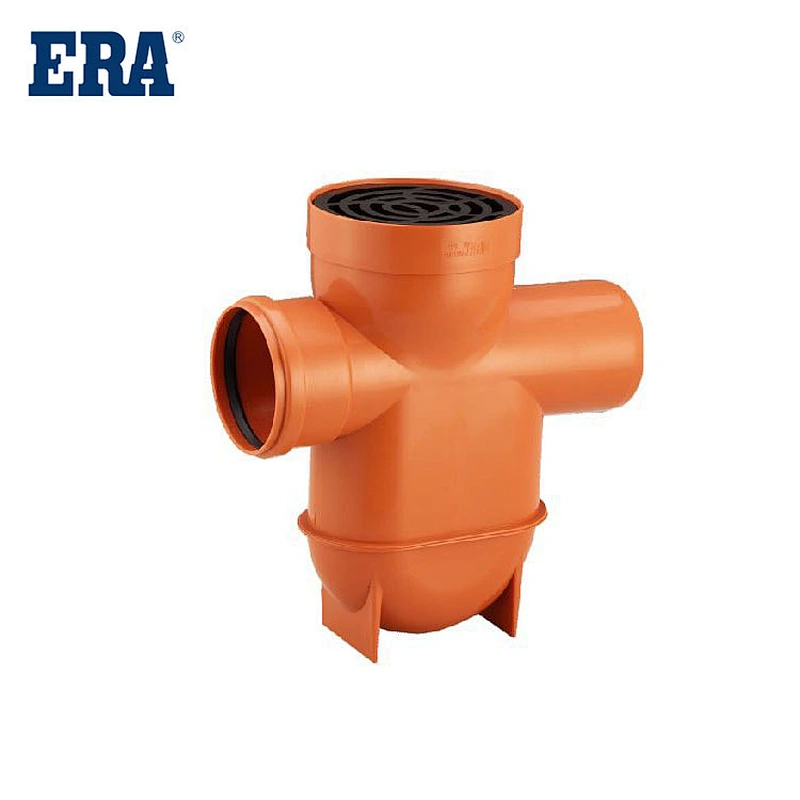
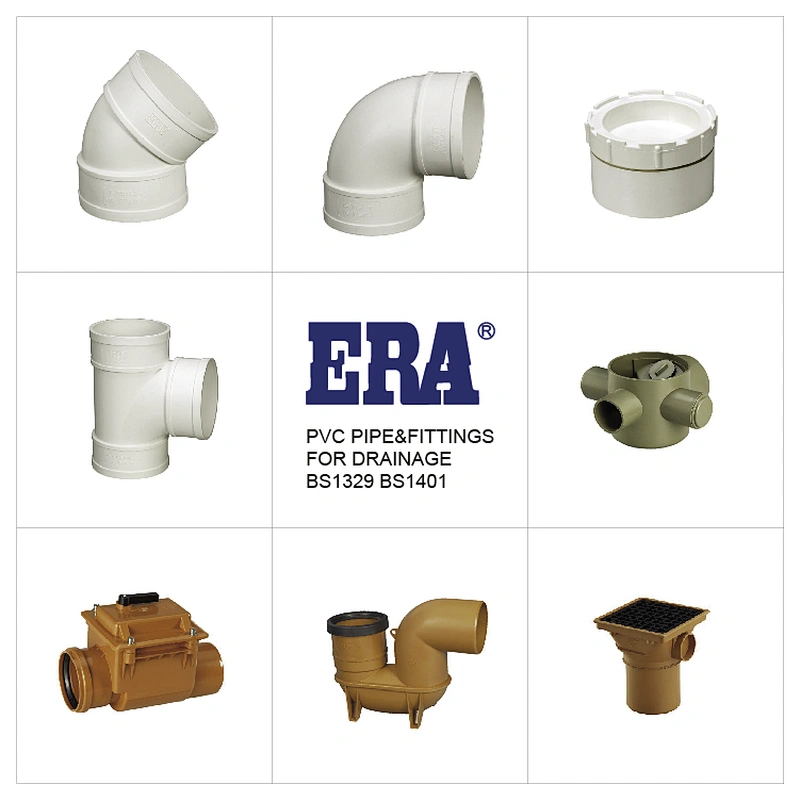
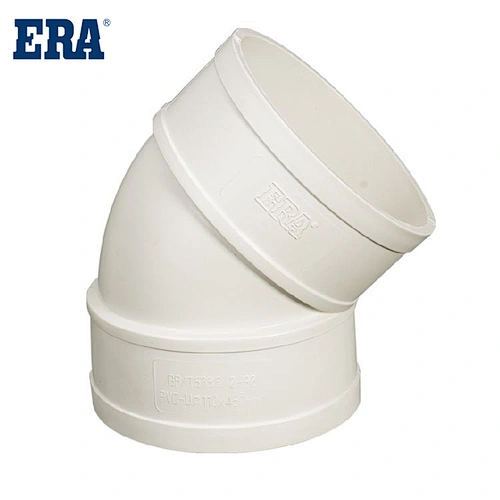
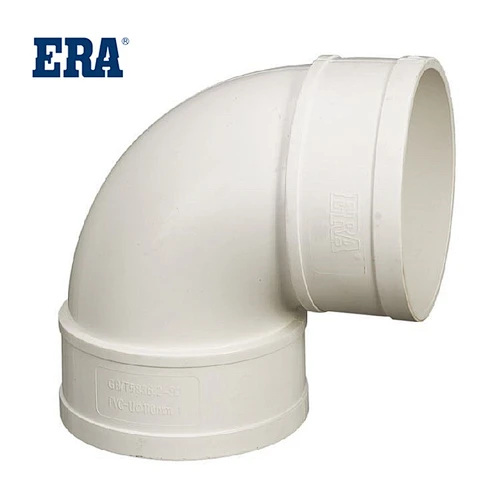
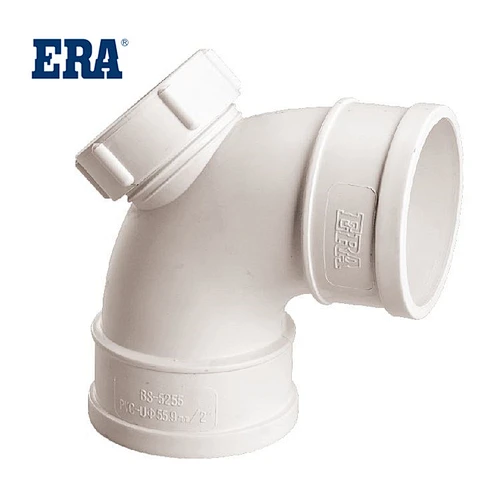
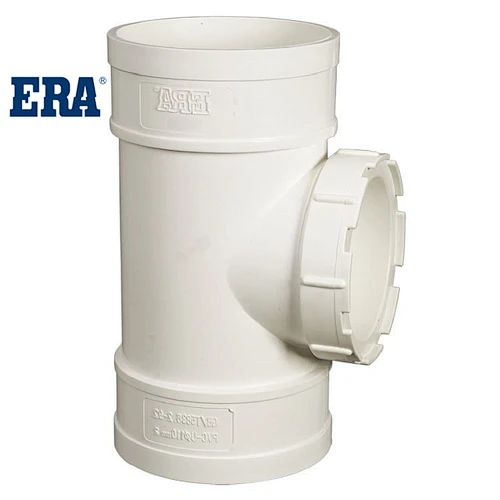
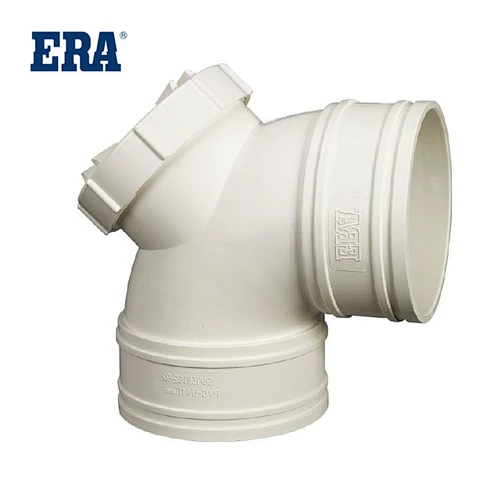
Plastic drainage pipes are a common pipeline material widely used for rainwater discharge, sewage discharge, and the transportation of other liquids in buildings and infrastructure. Here are some detailed introductions about plastic drainage pipes:
Material type
PVC (polyvinyl chloride):
It is the most common material for drainage plastic pipes, with good chemical stability and corrosion resistance.
Suitable for drainage systems in residential and commercial buildings.
PVC pipes are usually white or gray and have different pressure levels.
PP (polypropylene):
Good heat resistance, suitable for applications in hot water systems.
Flexibility is better than PVC, and it is not easily brittle under cold conditions.
PE (polyethylene):
Especially high-density polyethylene (HDPE) is widely used in underground drainage systems due to its flexibility and durability.
Has good impact resistance and is suitable for complex construction environments.
ABS (acrylonitrile butadiene styrene copolymer):
ABS pipes have excellent impact resistance and are particularly suitable for use in low-temperature environments.
Commonly found in outdoor and underground drainage systems.
Size specifications
The size of plastic drainage pipes can be customized according to different needs, but generally follows international or national standards, such as Chinese national standards GB/T. The diameter of the pipe can range from a few centimeters to over one meter to accommodate different flow requirements.
Connection method
Socket connection: By inserting the end of one pipe into the enlarged part of another pipe, and then using a sealing gasket to ensure the water tightness of the connection.
Threaded connection: suitable for smaller diameter pipelines, connected by tightening the threads.
Welding: Some types of plastic pipes can be welded together using a hot melt welding machine to form a cohesive structure.
Flange connection: used in places that require frequent disassembly, inspection, or maintenance.
Installation precautions
Before installation, it is necessary to check whether the pipeline is intact and undamaged to avoid damage during the construction process.
Ensure that all interfaces are tightly fitted and use appropriate sealing materials to prevent leakage.
For buried pipelines, soil conditions need to be considered, and protective measures such as laying sand cushion layers should be taken if necessary.
Comply with local building codes and safety standards to ensure the long-term effective operation of the system.
Maintenance and upkeep
Regularly inspect the drainage system, remove blockages, and keep the pipes unobstructed; For exposed pipelines, pay attention to sun protection and anti freezing measures; If the pipeline is found to be aged or damaged, it should be replaced in a timely manner.
When choosing the material for drainage plastic pipes, multiple factors need to be considered to ensure that the selected material can meet the specific application requirements. Here are several key selection factors:
1. Operating environment
Temperature: Different types of plastics exhibit varying properties at different temperatures. For example, PP (polypropylene) has good heat resistance and is suitable for use in hot water systems; PVC is suitable for room temperature conditions.
Chemical exposure: If the pipeline comes into contact with corrosive liquids or chemicals in the soil, it is necessary to choose materials with high chemical resistance, such as HDPE (high-density polyethylene) or PVC.
UV radiation: For outdoor pipelines, materials that can resist UV radiation should be selected, or additional protective measures should be taken.
2. Mechanical strength and flexibility
The pressure that pipelines need to withstand and the external forces they may encounter (such as vehicle traffic, ground subsidence, etc.) can affect the selection of materials. For example, underground drainage systems typically use HDPE because it has both flexibility and sufficient strength.
For places that are prone to bending or require bypassing obstacles, materials with good flexibility such as PE (polyethylene) may be a better choice.
3. Cost effectiveness
The cost of materials is directly related to the overall budget of the project. Although some high-performance materials require significant initial investment, they may be more economical in the long run if they can reduce maintenance frequency and extend service life.
The installation cost should also be taken into consideration, as some materials can be installed more easily and quickly, thereby reducing labor costs.
4. Fluid characteristics
The flow rate and velocity of the drainage system, as well as the presence of solid particles in the fluid, can all affect the selection of materials. Large diameter and smooth inner wall pipelines help improve water flow efficiency and reduce the risk of blockage.
If it is sewage discharge, the resistance of materials to bacteria and other pollutants also needs to be considered.
5. Regulations and standards
Must comply with local building codes, environmental requirements, and relevant industry standards. Different regions may have different regulations regarding the material, size, and other aspects of drainage pipes.
Some projects may also require specific certifications, such as drinking water delivery systems that may require the use of materials that meet hygiene standards.
6. Sustainability and Environmental Protection
Consider the recyclability of materials, energy consumption during the production process, and environmental impact. With the development of green building concepts, more and more homeowners tend to choose environmentally friendly materials.
7. Color and appearance
In some cases, such as outdoor visible areas, it may also be necessary to consider the color and appearance design of the pipeline in order to coordinate with the surrounding environment.
Ensuring the installation quality of plastic drainage pipes is the key to ensuring the long-term effective operation of the entire drainage system. Here are some key steps and suggestions to ensure high-quality installation:
1. Design and Planning
Professional design: A detailed drainage system design plan is developed by professional engineers or designers based on building structure, terrain conditions, flow requirements, etc.
Follow specifications: Design strictly in accordance with relevant national or local standards and regulations, including material selection, size specifications, slope settings, and other aspects.
2. Material inspection
Quality verification: Carefully inspect the quality of all pipelines and their fittings before installation to ensure that they are free from damage, cracks, or other defects and meet the specifications provided by the manufacturer.
Storage protection: Properly store unused pipes and fittings to avoid physical damage or material degradation caused by improper storage or environmental factors such as direct sunlight and humidity.
3. Construction preparation
Clean up the site: Ensure that the construction site is clean and tidy, and remove any obstacles that may hinder the construction.
Measurement and laying out: Accurately measure and mark according to the design drawings to determine the position, direction, and depth of the pipeline.
4. Installation process
Base treatment: For underground pipelines, it is necessary to first treat the bottom of the trench, usually by laying a layer of sand cushion to provide uniform support and reduce the impact of external pressure on the pipeline.
Interface sealing: Use appropriate sealing materials and techniques (such as rubber sealing rings, hot melt welding, etc.) to ensure the water tightness of each connection point. Avoid using excessive adhesive to avoid affecting subsequent repairs.
Fixed support: Add appropriate brackets or hangers to maintain the stability of the pipeline, especially at bends or vertical elevations, to prevent pipeline displacement or sagging.
Slope control: Ensure that the pipeline has an appropriate natural slope to facilitate smooth water flow and avoid water accumulation.
5. Testing and Acceptance
Hydraulic test: After installation, a comprehensive hydraulic test should be conducted to check for any leakage issues. The pressure during the experiment should be slightly higher than the normal working pressure, but not exceed the safety limit.
Ball passing test: By inserting a sphere of a certain diameter into the pipeline, check whether the interior of the pipeline is unobstructed.
Final acceptance: Invite relevant parties (such as construction units, supervision companies, etc.) to participate in the acceptance and confirm that all installation work meets the design requirements and construction standards.
6. Records and Documents
Save records: Detailed records of all installation steps, material information used, test results, etc., and archive these documents for future maintenance and repair as important reference materials.
Provide clear operating instructions and maintenance recommendations to help users understand how to properly use and maintain the drainage system.
7. Training and guidance
If there is a dedicated operation and maintenance team responsible for the management of the drainage system, necessary training should be provided to them after installation to familiarize them with the structural characteristics of the system and common troubleshooting methods.
Plastic materials, as a new type of chemical building material, have rapidly developed internationally. Compared with traditional reinforced concrete pipes, it has the advantages of low cost, light weight, corrosion resistance, low water flow resistance, energy saving, easy installation, and strong seismic performance. The market for buried plastic drainage pipes in China has begun to emerge. Through a comprehensive comparison of technology, economy, and other aspects of large-diameter plastic drainage pipes, the key parameter for design - ring stiffness - has been identified. The use of plastic drainage pipes in large-diameter municipal pipelines has become feasible, and the application of this new building material with low energy consumption and high technological content will be an inevitable trend in domestic municipal construction.
1、 Introduction
With the acceleration of urbanization in our country, facing the pressure of population resources and environment, in order to ensure the sustainable development of the national economy, the Chinese government has been increasing investment in urban infrastructure year by year, accelerating the construction of municipal engineering pipelines, and increasing the variety and specifications of various drainage pipelines. Plastic materials have rapidly developed as a new type of chemical building material. For example, in Shanghai, the promotion and application of plastic drainage pipes has entered a new stage, driven by the requirements of the Shanghai Municipal Construction and Management Commission's document Hu Jianzi (98) 0582. At present, concrete pipes with a nominal diameter of 500mm or less have gradually been replaced by plastic drainage pipes in municipal and residential drainage projects. Large diameter plastic drainage pipes with a nominal diameter of 500mm or more have a certain proportion in engineering construction, and there are more and more types of pipes available for design, construction, and use units to choose from.
2、 The basic status quo of municipal pipelines in China and the application prospects of large-diameter buried plastic drainage pipes
In the past, the application of plastic pipes in the field of buried drainage pipes in China was relatively backward. One reason is that China did not attach enough importance to environmental protection in the past, and the construction investment of drainage pipes was insufficient. Traditionally, drainage pipes mainly used low-priced flat joint concrete pipes; Secondly, due to the differences between plastic buried drainage pipes and traditional concrete buried drainage pipes, their design, construction, and acceptance require new standards. In the past, our country lacked experience in the design, construction, and acceptance of buried plastic drainage pipes, and there was also a lack of practical application experience. We have not yet formulated national level design, construction, and acceptance standards. In Europe and North America, the application of large-diameter buried plastic drainage pipes has become quite common, accounting for more than 50% of all pipe materials used.
In recent years, the market for buried plastic drainage pipes in China has officially started. With the acceleration of urbanization in our country, facing the pressure of population resources and environment, in order to ensure the sustainable development of the national economy, the Chinese government has been increasing investment in urban infrastructure year by year, and the construction of municipal engineering pipelines is constantly accelerating. In addition, China is paying more and more attention to environmental protection, and many regions are vigorously addressing pollution in rivers, lakes, and seas. And the research and testing of plastic buried drainage pipes, as well as the development of standards and specifications, are gradually being carried out. Through practical application, the advantages of buried plastic drainage pipes are gradually being recognized, and their convenient installation, good environmental performance, and low price have been highly valued by government departments. In 1998, the Shanghai Municipal Construction Commission first issued a document to"eliminate cement pipes and cast iron pipes, and promote the use of large-diameter plastic pipes", gradually developing plastic pipes as urban sewage pipelines.
3、 Production technology trends of buried plastic drainage pipes
Buried plastic drainage pipes can be divided into solid wall plastic pipes and structural wall plastic pipes (structural wall plastic pipes are a general term for pipes with sandwich or hollow shaped pipe wall structures). Compared with solid wall plastic pipes, structural wall pipes save 50-70% of materials for pipes of the same diameter. Therefore, structural wall pipes have a significant cost advantage, and can produce pipes with larger diameters, up to DN3000, while the maximum diameter of solid wall pipes is 1500 millimeters (in China).
In recent years, a noteworthy trend has been the development of large-diameter direct extruded drainage and sewage pipes, such as reinforced pipes and double wall corrugated pipes. The diameter of polyethylene pipes (directly extruded) used for drainage in China has reached 1500mm, and the technology is mature. It is now possible to produce pipes with a diameter of 1800mm internationally.
One of the heavy-duty large-diameter pipes, FRPP reinforced polypropylene plastic pipe, is characterized by radially outward reinforcing ribs on the outer wall of the pipe. Unlike spiral ribs, it is not easily crushed and can truly improve the ring stiffness and compressive strength of the pipe. It is mainly used for drainage in municipal engineering. At present, there are several enterprises in China that can provide plastic drainage pipe series products, such as Shanghai Honghu Technology Co., Ltd. The reinforced plastic pipe has been promoted and used in the municipal drainage engineering construction of Donghu Development Zone.
With the continuous development of large-diameter plastic pipe production technology, as well as the superior performance of plastic pipes compared to traditional pipes (such as concrete pipes, cast iron pipes, etc.), and the industrial policies formulated by relevant national departments to restrict the elimination of backward products and promote the use of new environmentally friendly products, the application of new plastic pipes in municipal engineering in China has developed rapidly. In China, the consumption of buried plastic drainage and sewage pipes accounts for less than 12% of the total consumption of plastic pipes, indicating a huge potential market in the domestic buried plastic pipe industry. The current situation of water resources in our country also provides a historic opportunity and objective conditions for the widespread promotion and use of buried drainage and sewage plastic pipes.
4、 Application status of buried plastic drainage pipes
At present, concrete pipes with a nominal diameter of 500mm or less have gradually been replaced by plastic drainage pipes in municipal and residential drainage projects. Large diameter plastic drainage pipes with a nominal diameter of 500mm or more have a certain proportion in engineering construction, and there are more and more types of pipes available for design, construction, and use units to choose from. In recent years, many drainage projects in Shanghai have adopted plastic drainage ditch pipes, such as Xizang Road Reconstruction Project, Pudong Airport, etc.
5、 Comprehensive comparison of reinforced concrete pipes, fiberglass reinforced plastic sand pipes, and double wall corrugated pipes
In order to implement the relevant spirit of the country on the construction of urban drainage pipe networks, promote the application of new processes, technologies, products, and equipment in the field of urban pipe network construction. Compare the technical and economic aspects of reinforced concrete pipes, fiberglass reinforced plastic sand pipes, and double wall corrugated pipes. (Please refer to the table below for specific comparison details)
From the comparison table of pipe technology and economy, it can be seen that plastic pipes have the following advantages: good sealing and strong anti-seepage ability; Good hydraulic characteristics, strong flow capacity, and energy savings; Corrosion resistance, wear resistance, and long service life; Easy and fast installation. Although plastic pipes are more expensive than reinforced concrete pipes, they do not require a pipeline foundation and are easy to install. From a comprehensive cost perspective, they are only slightly higher than reinforced concrete pipes.
6、 Questions and Suggestions
Although plastic drainage pipes are widely used in China, the application experience of large-diameter buried plastic pipes is still insufficient. In order to promote the application of large-diameter buried plastic pipes in municipal construction in major cities in China, the following problems need to be well solved:; Research on the universal adaptability of plastic drainage pipes; Improve the construction and acceptance procedures for plastic drainage pipes that are suitable for actual engineering conditions as soon as possible; Strengthen scientific research work to further reduce the price of large-diameter buried reinforced plastic pipes without affecting their performance.
So what are the types of plastic water pipes?
1、 PVC-U pipes for water supply
PVC stands for polyvinyl chloride, and PVC-U refers to rigid polyvinyl chloride. Polyvinyl chloride is a type of plastic that is harmful to human health due to the addition of lead salts in its production. Only a small portion of water pipes that are not produced using lead salts can be used as environmentally friendly water supply pipes.
characteristic:
1) Has high hardness, stiffness, and allowable stress.
2) Good anti-aging ability, durable, service life up to 50 years.
3) Corrosion resistant, affordable, easy to bond, self extinguishing.
4) Recyclable, easy and simple to install, with good sealing performance.
2、 PVC-U pipes for drainage
PVC-U pipes are mainly made of sanitary grade polyvinyl chloride (PVC) resin, with the addition of appropriate stabilizers, lubricants, fillers, color enhancers, etc. They are extruded by plastic extruders and injection molded by injection molding machines. Through cooling, curing, shaping, inspection, packaging and other processes, the production of pipes and fittings is completed. It is an ideal material for building water supply and drainage.
characteristic:
1) Excellent physical and chemical properties, chemical corrosion resistance, high impact strength, low fluid resistance, 30% higher flow rate than cast iron pipes of the same diameter, aging resistance, long service life, with a service life of not less than 50 years, making it an ideal material for building water supply and drainage.
2) Lightweight and durable, easy to install, effectively accelerating the progress of the project.
3、 PVC-U double wall corrugated pipe for buried drainage
Hard polyvinyl chloride pipes are used for buried sewage and wastewater treatment, with PVC resin as the main raw material and necessary additives added to form a mixed material, which is produced by extrusion molding. The rigid polyvinyl chloride pipes used for buried sewage and wastewater can be divided into elastic sealing ring connection pipes (diameter 110mm - diameter 630mm) and adhesive connection pipes (diameter 110mm - diameter 200mm) according to different connection methods. Considering the chemical and heat resistance of materials, buried sewage and wastewater pipes can also be used as industrial drainage pipes.
Appearance: The inner and outer walls of the pipe are not allowed to have bubbles, sand holes, obvious impurities, and non-standard ripples. The two ends of the pipe should be flat and perpendicular to the axis. The color of the pipe should be uniform and consistent. The inner and outer walls of the concave part of the pipe should be tightly fused together without any detachment.
characteristic:
1) Excellent flame retardancy and impact resistance.
2) The inner wall of the product is smooth.
3) The outer wall is corrugated and the corrugated hollow structure makes the product lightweight and has high ring stiffness.
4、 Buried polyethylene (PE) pipes for gas use
Gas buried polyethylene pipes are products made by extruding specialized polyethylene as raw material. Safe to use, low leakage rate, and excellent corrosion resistance; Long service life, light weight, high strength, good toughness, easy construction, wide application, and great social benefits. Mainly used for buried natural gas and artificial gas pipelines
characteristic:
1) Simple installation process and easy operation
There are two connection methods for PE pipes, one is electric fusion connection, which is generally suitable for pipe diameters less than De110; The second is hot melt connection, which is generally suitable for pipe diameters not less than De110 and does not require sleeve fittings during docking. The above two connection operation methods can be mastered in short-term training, ensuring welding quality and fast construction progress. In addition, three-way operation with gas can be carried out in the already running gas pipeline network, which cannot be achieved by using steel pipes as gas pipelines.
2) Anti corrosion treatment, with strong corrosion resistance and long service life when buried underground
According to relevant literature, after 60 years of buried use, PE pipes in foreign countries can be excavated and re welded, and their welding and body quality can also meet the quality requirements specified for PE pipes; PE pipes do not require anti-corrosion treatment. The general design lifespan of steel pipes is 20 years.
3) Strong engineering adaptability
There are many specialized pipelines in municipal engineering and residential courtyards, and the pipeline positions are tight. In this complex construction environment, it has a flexibility that can naturally bend and avoid within the permitted curvature radius, and be installed in a winding manner.
4) Low investment cost
① The advantage of the price of pipes over commonly used gas steel pipes is well known. Large diameter PE pipes can be connected by hot melt, saving pipe fitting costs, and have a long service life without the need for anti-corrosion. Their overall price is lower than that of steel pipes.
② PE pipes have strong flexibility and can be prefabricated on the ground before being placed in pipe trenches without the need for a work pit. Therefore, the amount of earthwork required for PE pipe construction trenches is slightly smaller than that for steel pipe construction trenches.
5、 PE pipes for water supply
PE (polyethylene) material is widely used in the field of water supply pipe manufacturing due to its high strength, corrosion resistance, and non toxicity. Because it does not rust, it is an ideal pipe material to replace ordinary iron water supply pipes. The development of plastic pipes in our country is rapid, and the quality is constantly improving. Among them, polyethylene PE pipes are widely used in building water supply, building drainage, buried drainage pipes, building heating and gas pipelines, electrical and telecommunications protection sleeves, industrial pipes, agricultural pipes, etc. due to their unique advantages. It is mainly used in urban water supply, urban gas supply, and farmland irrigation.
characteristic:
1) Corrosion resistance
Polyethylene has excellent corrosion resistance, good hygiene performance, and a long service life.
Polyethylene is a non inert material that, apart from a small amount of strong oxidants, can withstand various chemical attacks and is not prone to bacterial growth. The service life of polyethylene pipes is over 50 years.
2) Flexibility
Polyethylene has unique flexibility and excellent scratch resistance.
The flexibility of polyethylene pipeline systems has enormous technical and economic value. The flexibility of polyethylene is an important property that greatly enhances its value in pipeline engineering. Good flexibility allows polyethylene pipes to be coiled and supplied in longer lengths, avoiding a large number of joints and fittings.
6、 PE double wall corrugated pipe for buried drainage
PE double wall corrugated pipe for buried drainage is a new type of lightweight pipe made of polyethylene as raw material, processed by extrusion and special forming technology, with smooth inner wall and closed corrugated outer wall. It has good performance and excellent quality, and is suitable for various projects. It is widely used in municipal sewage drainage, farmland/garden irrigation, buried drainage outside buildings, mine and tunnel ventilation and drainage, communication cable and optical cable protective covers, and various road and stadium drainage.
appearance:
1) The color of the inner and outer layers of the pipe is uniform and consistent, with the outer layer generally being black;
2) The outer wall of the pipe is not allowed to have bubbles, dents, obvious impurities, and irregular ripples;
3) The two ends of the pipe should be flat, perpendicular to the axis, and located in the valley area.
characteristic:
1) Resistant to aging and corrosion, with a long service life;
2) Smooth inner wall, low flow resistance, and no scaling;
3) Good sealing performance, not easy to leak;
4) Seismic and impact resistant;
7、 PE wrapped structural wall pipe
This technology product is mainly made of high-density polyethylene resin as the main raw material, and is produced by hot winding molding process, with excellent welding quality; Unique socket electric fusion connection technology ensures zero leakage at the interface; The pipe fittings have strong matching ability and can form a complete and zero leakage pipeline system. Widely used in various soil environments, underground rainwater and sewage pipelines, underground pipe galleries, and rainwater and sewage collection systems laid at different depths.
characteristic:
1) Extremely strong resistance to chemical corrosion and erosion.
2) Good flexibility and strong impact resistance.
3) Cold resistance, aging resistance, simple connection, safe and reliable.
4) Lightweight and easy to construct.
5) Strong wear resistance, service life of over 50 years, and maintenance free during the service life.
6) Superior drainage performance, good hygiene, and recyclability.
8、 PVC electrical conduit
PVC single line pipe: PVC single line pipe is specifically designed for load-bearing walls, and an 8mm diameter can be used for minimal modification of load-bearing walls.
PVC corrugated pipe: PVC corrugated pipe is suitable for wiring in narrow spaces such as ceilings and ceilings, with inherent extensibility and flexible bending.
PVC red and blue electrical conduit: PVC red and blue electrical conduit has red and blue shunt, with clear distinction between strong and weak electricity, better standardizing circuit installation and maintenance.
PVC trident pipe: The PVC trident pipe is directly divided into compartments on the inner wall of the pipe, specifying the cable routing and pipe diameter utilization rate within each compartment, thus facilitating the differentiation of lines and avoiding short circuits.
appearance:
The color differentiation of home decoration conduit in practical application: red is for strong electricity, blue is for weak electricity, and white is for general electrical conduit, which is more convenient to distinguish the direction of the lines and branches in each room.


 English