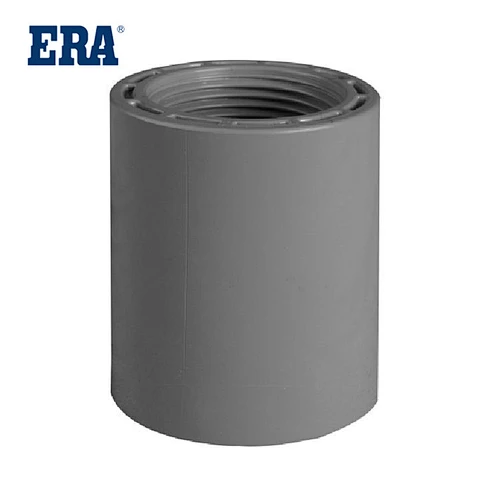
PPR DIN PIPES AND FITTINGS
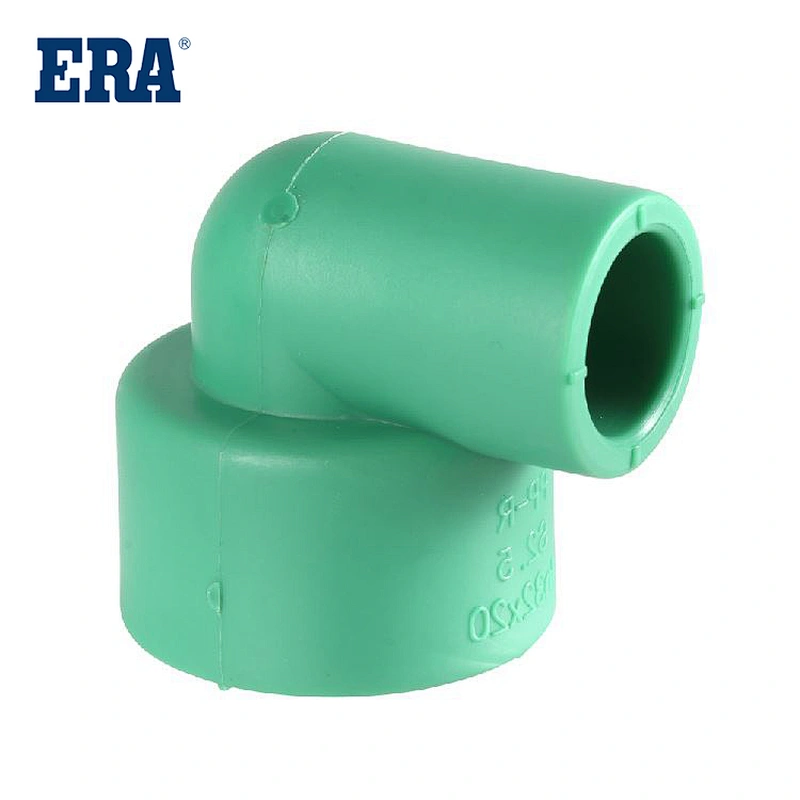
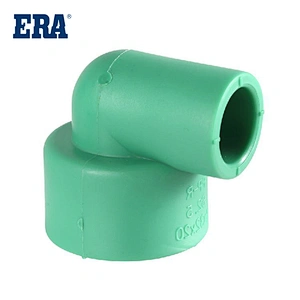
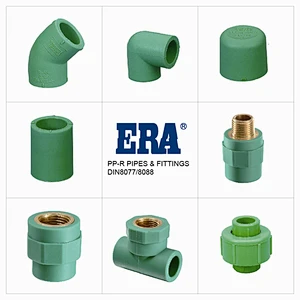
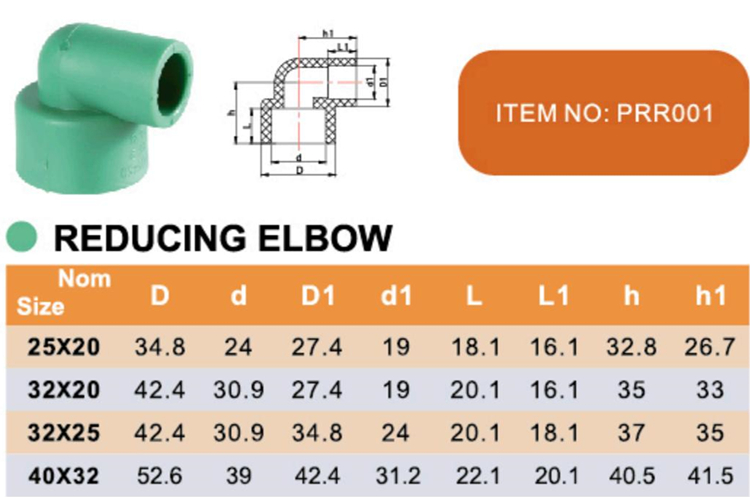
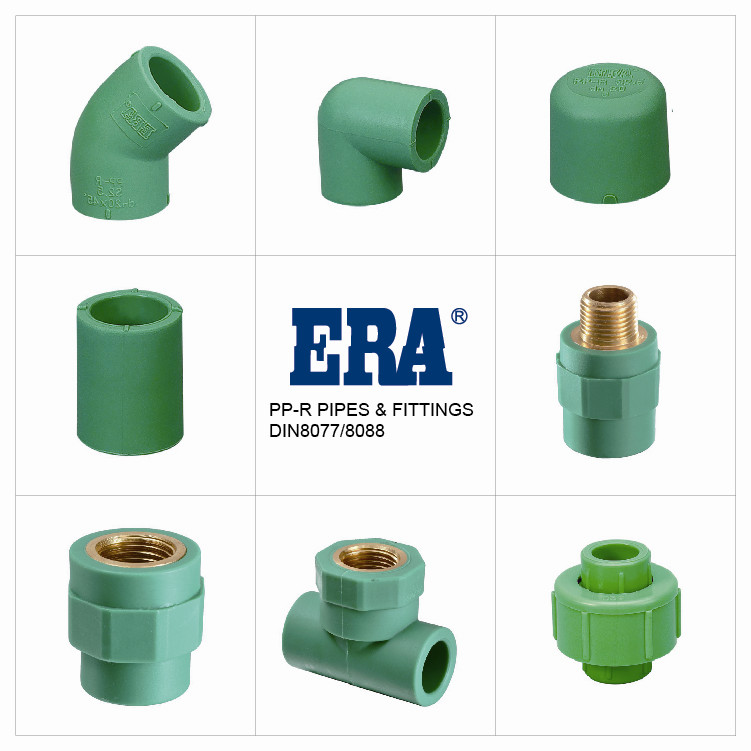
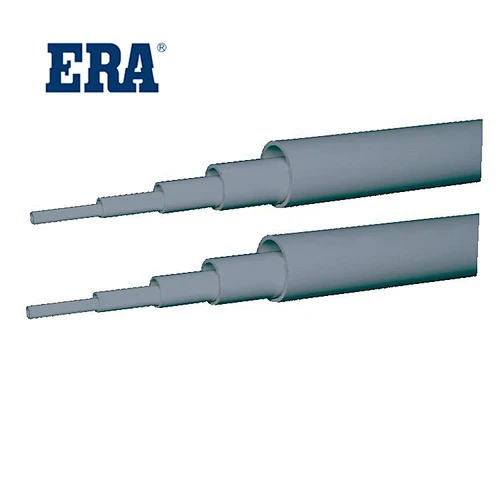
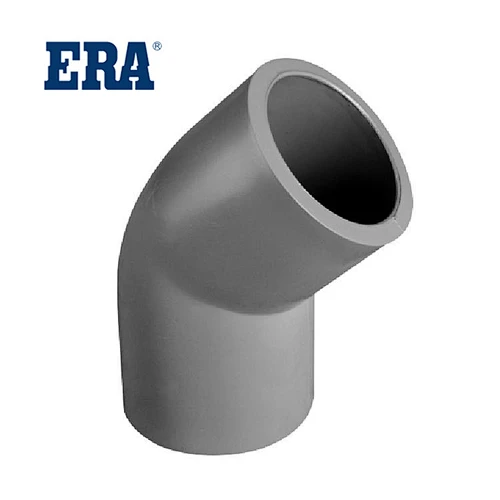
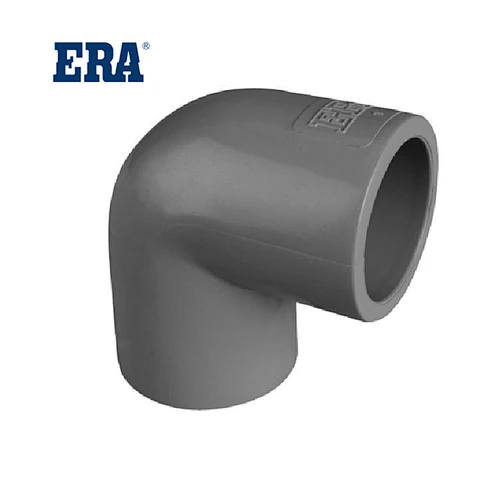
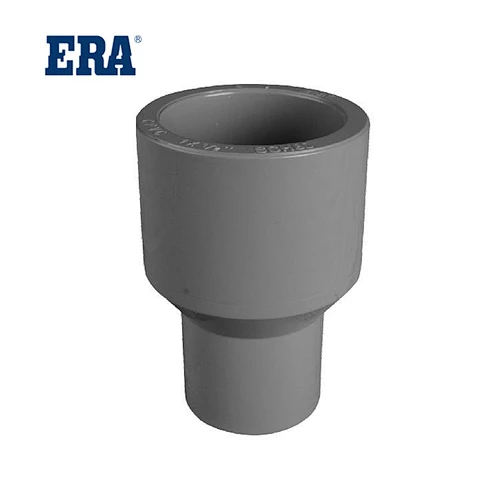
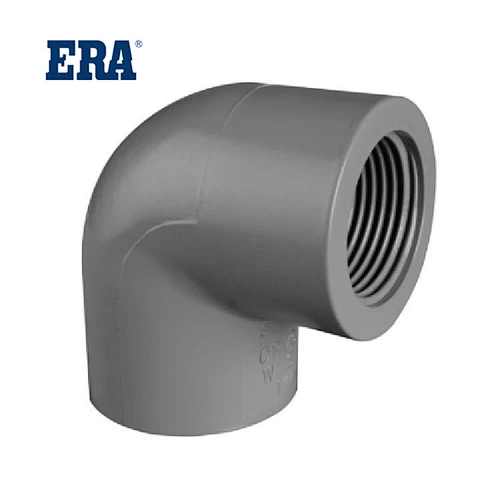
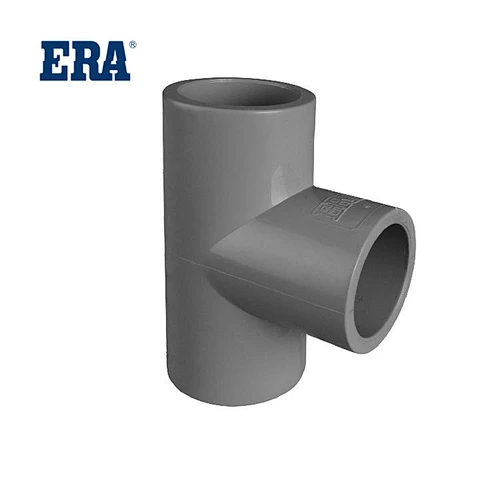
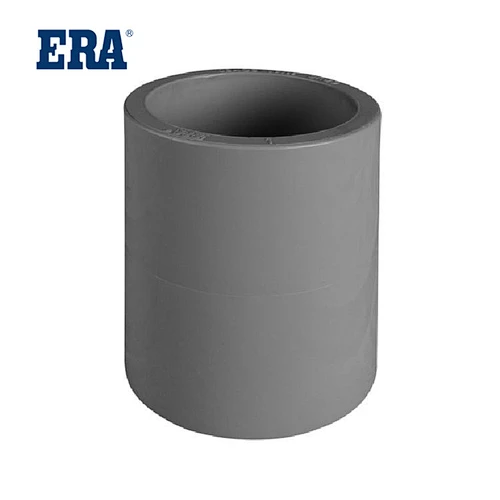
ERA Piping Systems, PPR Pipe Fitting ,REDUCING ELBOW, PN12.5/PN20/PN16/PN25, PRR001, (DIN8077/8088) , DVGW
System:ERA PPR pipes, due to its high impact strengh and light weight makes it most reliable and sophisticated system to be employed in plumbing applictions and water supply(hot and cold).
Scope:
ERA brand PPR pipes are suitable for transferring or discharging chemical media, such as industrial piping system.
ERA’s PPR is the ideal and above all cost-effective solution for piping installations in schools, hospitals, hotels, office blocks as well as in fields of modular construction.
Specification:
PPR is very economically placed in comparison to most of the alternative piping system.
PPR has been designed and produced as a piping system for hot and cold water supply as well as for heating applications.
These PPR systems have a high temperature and pressure resistance and are suitable for drinking water.
Specification:
| Model Number | PRR001 | Material | PPR |
| Description | PPR REDUCING ELBOW | Size | 20x25-32x40MM |
| Standard | DIN8077/8088 | Color | GREEN、GREY |
| Brand | ERA | Temperature | Max 95°C / 203°F |
| Connection | Socket | Certificate | DVGW |
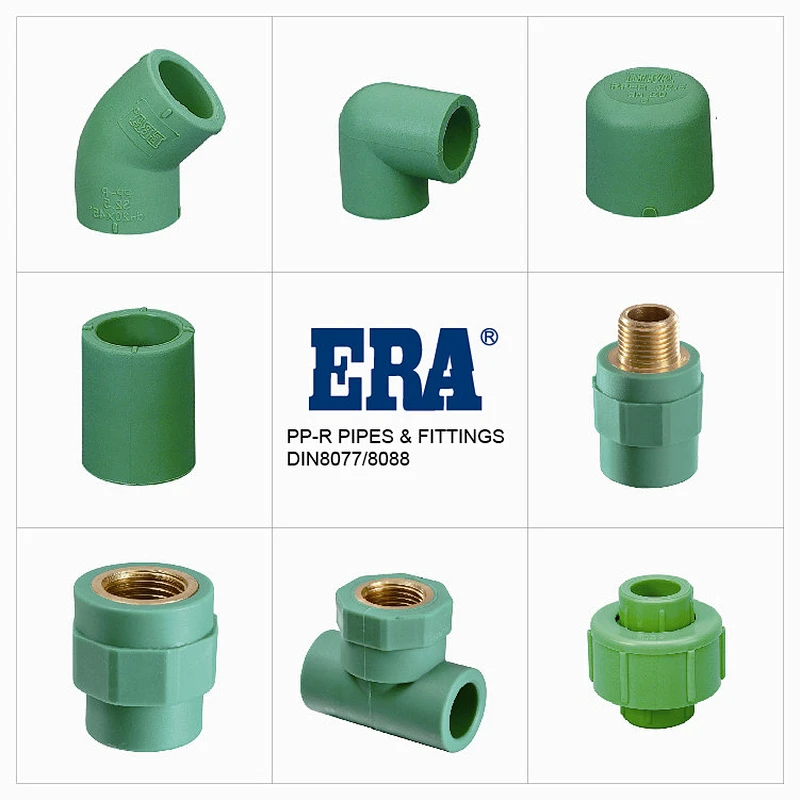
Main Products:
In recent years, the polyethylene industry in China has developed rapidly. As of now, the annual production capacity of the equipment has reached 10.82 million tons. It is expected that by the end of the 12th Five Year Plan, the polyethylene production capacity will be approximately 16.67 million tons. According to last year's data, China's polyethylene production was 10.152 million tons, with an apparent demand of 17.2727 million tons. However, with the expansion of domestic production capacity and the diversification of ethylene flame raw materials during the 12th Five Year Plan period, China's self-sufficiency rate of polyethylene will significantly increase, and its external dependence will decrease.
According to analysts from the chemical industry at Shangpu Consulting, the important consumption area of polyethylene is plastic film, which is mainly used in terminal consumption and transportation. The growth of its demand is closely related to the overall economic situation of China, and it basically maintains a slightly higher growth rate than domestic GDP, with a relatively stable growth trend. Another important consumer area of polyethylene is plastic pipes; Its output is also accelerating with the pace of urbanization and the implementation of municipal pipeline construction projects in China. In the coming years, urban water supply and drainage, gas pipelines, as well as municipal plastic pipelines such as underground power and communication sheathed pipelines, will continue to be the top priority for development in recent years.
PPR tube characteristics
1, ppr pipe as the most ideal modern hot water supply pipe, because ppr pipe has good heat resistance, long-term use temperature can reach 75° is no problem, instant use temperature can reach 95℃.ppr pipe insulation effect is also good.
2. ppr pipe is smooth and no other particles can be felt, which makes the pipe resistance small and energy consumption lower. ppr pipe fittings of the same type and material are connected and fused into a perfect whole, avoiding the problem of water leakage.
3, ppr pipe corrosion resistance, solve the problem of traditional metal pipe rust, ppr pipe is non-polar material, avoid reaction with other chemical elements in the water, ppr pipe will not scale when used.
4, ppr pipe weight is light, because of this advantage, greatly reduce the difficulty of construction. As a green and environmentally friendly material, it will not cause pollution to the external environment in the process of production or construction.
PPR pipe, or Type III polypropylene pipe, is a new type of water supply material. Its main advantages include non-toxicity, light weight, pressure resistance, and corrosion resistance. Therefore, PPR pipes are widely used in various fields.
Firstly, PPR pipes can be used as cold and hot water systems in buildings, including central heating systems. They can also be used in heating systems within buildings, such as floor, wall, and radiant heating systems. In addition, due to its hygienic safety features, PPR pipes are often used in direct potable water supply systems.
Secondly, PPR pipes have extensive applications in the industrial field. For example, they can be used for conveying or discharging chemical media in industrial piping systems. More specifically, compared with traditional cast iron pipes, galvanized steel pipes, cement pipes, etc., PPR pipes have the advantages of energy saving and material conservation, environmental protection, light weight and high strength, corrosion resistance, smooth inner wall without scaling, and so on. Therefore, they are also widely used in urban and rural water supply and drainage, urban gas, electric power, and cable sheathing fields.
In home decoration, PPR pipe fittings are essential. They are widely used in urban water supply systems because of their safety, hygiene, convenient construction, and long service life.
It should be noted that although PPR pipes have many advantages, their construction technology requirements are relatively high. Special tools and professional personnel are required to ensure the safety of the system.
PPR pipe, or random copolymer polypropylene pipe, is a new type of waterPPR pipe, or random copolymer polypropylene pipe, is a new type of water supply material and a replacement for UPVC water supply pipes, aluminum-plastic pipes, PE pipes, PE-X pipes, and PE-RT pipes. It is made from random copolymer polypropylene, commonly known as Type III polypropylene.
PPR pipes have many characteristics. Firstly, they are non-toxic and harmless, free from harmful elements, and can be safely used in cold and hot water pipes and pure drinking water systems. Secondly, the thermal conductivity of PPR pipes is 0.21w/mk, only 1/200 of that of steel pipes, making them excellent in heat preservation and energy saving performance. In addition, PPR pipes have good heat resistance, smooth inner walls without scaling, safe and reliable pipeline systems that do not leak, and a service life of up to 50 years.
However, it should be noted that although PPR pipes have many advantages, their specifications are limited and they are prone to aging under sunlight. Therefore, when using them, it is necessary to choose suitable products according to specific needs and environmental conditions. In addition, the construction technology requirements of PPR pipes are relatively high, requiring specialized tools and professional personnel for construction to ensure the safety of the system.
The installation process of PPR pipes involves several key steps. Firstly, cutting is performed using a pipe cutter or tube cutter to remove the insulation layer by about 2 cm. Secondly, prefabrication and installation of main pipes, vertical pipes, and branch pipes are carried out. Then, pipeline testing and flushing are conducted, followed by disinfection inside the pipe cavity. During construction, it is important to carefully familiarize oneself with the drawings and prepare for construction based on the construction method determined by the construction plan.
When installing PPR water pipes, the following points should be noted:
1. Before installation, it is necessary to strictly inspect whether there are any problems such as cracks, depressions, bubbles, etc. on the inner and outer walls of the pipes, as the quality of the material directly affects the quality of the pipes and their subsequent use.
2. PPR pipes have lower hardness and rigidity than metal pipes, so they should be protected during handling and construction to avoid mechanical damage caused by inappropriate external forces.
3. Construction personnel should receive technical training on the installation of Type III polypropylene pipes to ensure the quality of installation.
4. The provided pipes and fittings should meet the design specifications and come with product instructions.
In addition, current design specifications require that the laying and installation of water supply PPR pipes can be either direct buried or non-direct buried. Direct buried forms include embedded wall laying and floor surface layer laying. Non-direct buried forms include pipe wells, ceiling interiors, etc.
PPR pipes are widely accepted and applied in the hot water field due to their significant physical and chemical properties. Firstly, compared with traditional cast iron pipes, galvanized steel pipes, cement pipes, etc., PPR pipes have the advantages of energy saving and material saving, environmental protection, light weight and high strength, corrosion resistance, smooth inner wall without scaling, etc. These advantages make PPR pipes more convenient in construction and maintenance processes, and can also extend their service life.
In addition, PPR pipes are widely used in various building and industrial fields, such as cold and hot water systems, heating systems, pure water supply systems, central (centralized) air conditioning systems, as well as the transportation of chemical liquids and gases.
It is worth mentioning that PPR pipe is an environmentally friendly material, which does not contain harmful substances and will not release harmful gases or chemicals. This meets the requirements of modern construction for environmental protection and sustainable development. Therefore, whether from an economic or environmental perspective, PPR pipe is an ideal choice for hot water systems.
When PPR pipes are damaged, they should be immediately stopped for use toWhen PPR pipes are damaged, they should be immediately stopped for use to prevent water source contamination. Then, the following steps should be taken:
1. Close the relevant valves: Firstly, you need to find and close the valve connected to the broken pipe to stop the water from flowing into the damaged pipe.
2. Clean up the site: Next, clean up any debris or accumulated water around the broken pipe to ensure the safety and cleanliness of the work area.
3. Cut off the damaged part: Use a special tool (such as a tube cutter) to cut off the damaged part. When cutting, ensure that the cut is smooth for subsequent repair work.
4. Check the fittings: Before installing a new section of PPR pipe, check whether the fittings are intact. If the fittings are also damaged, they need to be replaced.
5. Install a new PPR pipe section: Install a new section of PPR pipe at the cut-off location and then secure it in place with appropriate tools.
6. Testing: Finally, open the valve and allow water to slowly flow into the pipe to check for leaks. If there are no leaks, then the repair work is complete.
If you are unsure how to carry out these operations, or if the damaged PPR pipe is located in an inaccessible place, it is recommended that you contact a professional plumber for repair.
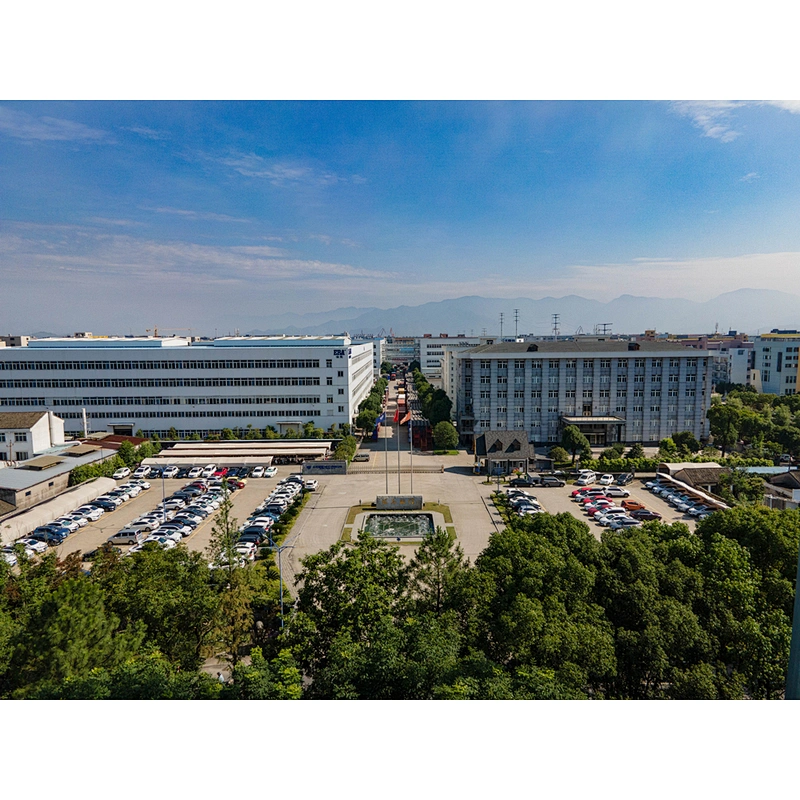
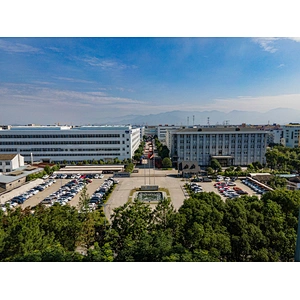
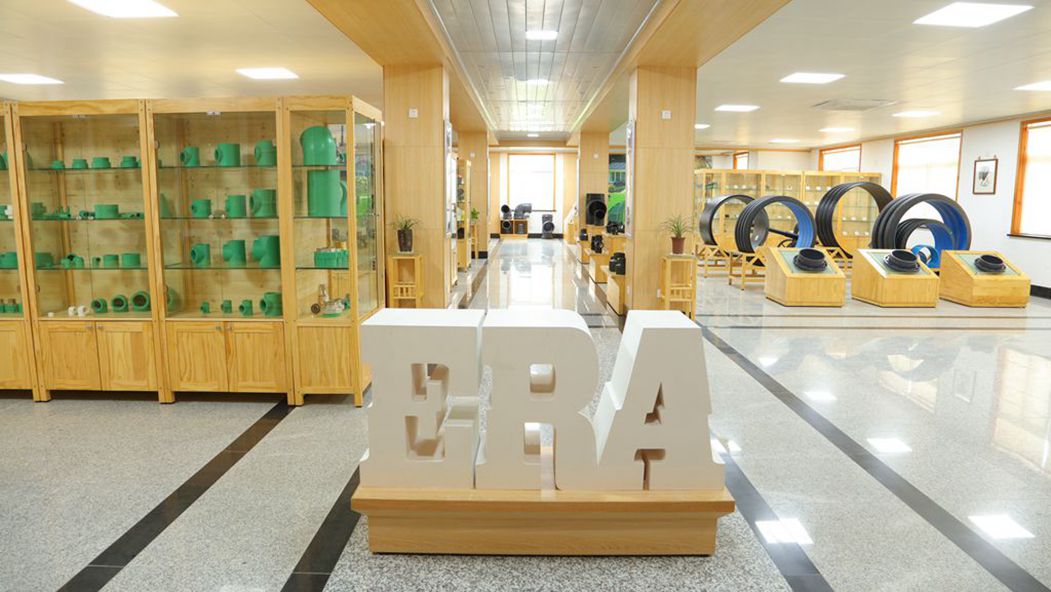
The Guangyuan Pipeline Co., Ltd. is a company headquartered in Taizhou, Zhejiang Province, with the main business of research and development, production, and sales of plastic pipe products. Its PPR pipes, made of polypropylene material, are widely used in water supply systems as a high-quality plastic pipe.
PPR pipes, also known as polypropylene random copolymerization pipes, are a widely used material in construction and piping systems due to their excellent pressure resistance and chemical stability. In addition, the inner wall of PPR pipes is very smooth, which prevents rust or corrosion and does not adversely affect water quality, ensuring the hygiene and safety of water supply.
However, despite the wide application of Guangyuan Pipeline's products globally, it should be noted that the global market for PPR pipe materials is highly competitive. In recent years, developed countries such as Europe, America, Japan, Korea, and Australia have rarely used PPR pipes in water supply and heating systems. Instead, they more commonly use PEX, aluminum-plastic composites, stainless steel, copper, and other materials for pipes. Therefore, the status and influence of Guangyuan Pipeline in the global market need further investigation and evaluation.
PPR pipes play a very important role in our lives. They are mainly used in water supply systems, including the supply of tap water in homes, commercial buildings, and public facilities.
1. Home use: In households, PPR pipes are mainly used in kitchens, bathrooms, etc. to connect various faucets, showerheads, bathtubs, and other devices, providing us with clean drinking water and a comfortable bathing environment.
2. Commercial buildings: In office buildings, shopping malls, hotels, and other commercial buildings, PPR pipes are widely used in water supply systems, providing necessary water sources for various commercial activities.
3. Public facilities: In parks, schools, hospitals and other public facilities, PPR pipes are also essential. For example, fountains in parks, water dispensers in schools, medical equipment in hospitals all need PPR pipes to provide water sources.
4. Industrial use: In some industrial production, PPR pipes also have a wide range of applications, such as cooling systems, cleaning equipment, etc.
In general, PPR pipes are ubiquitous in our lives and their existence greatly facilitates our lives.
PPR pipes, also known as polypropylene random copolymer pipes, are a common material used in piping systems. It has the following advantages and disadvantages:
Advantages:
1. Durability: PPR pipes have excellent durability and can maintain stable performance over long-term use.
2. Hygiene and environmental protection: PPR raw materials belong to polyolefins, with only carbon and hydrogen elements in their molecules, non-toxic, hygienic, and reliable performance.
3. Heat resistance and insulation: The maximum use temperature is 95℃, the long-term use temperature is 60℃, which can meet the requirements of building water supply and drainage design specifications and has good heat preservation performance. When used in hot water and heating systems, it can save a lot of energy.
4. Corrosion resistance, wear resistance, and no scaling: Using PP-R pipe materials and fittings can eliminate pipeline scaling blockage and water basin bathtub yellow stain rust worries.
5. Light weight and high strength: The proportion of PP-R pipe materials and fittings is only one eighth of that of ordinary metal pipes. The pressure test strength reaches 5MPa (50kg/cm2) or more, with good toughness and impact resistance.
6. Long service life: The service life of the pipe system under normal use is 50-100 years.
7. Good corrosion resistance: PPR water pipes can resist chemicals, ultraviolet rays, high temperatures, and high pressures very well.
8. High pressure resistance: For projects with certain pressure requirements or floors, PPR pipe materials can generally meet the requirements.
9. High temperature resistance: For example, ordinary PPR pipes and PPR double-layer pipes with good light blocking performance can pass 65℃ hot water for a long time without deformation.
Disadvantages:
1. PPR water pipes have poor heat resistance and pressure resistance, and the long-term working temperature cannot exceed 60℃。
About PPR pipe welding process
1. Cannot walk close to the ground, must be 200 millimeters above the ground
2. Hot melting should be done in one go, and it should not be easily shaken after welding. Keep it for 20 to 30 seconds. I don't understand
3. The hot melt time is determined by the size and thickness of the pipe. Generally, the larger the pipe, the longer the time, and it should not be too long, which may cause too much hot melt material to fall off in the hot melt device
4. Sufficient operating distance should be left during construction
5. Sufficient rework space should be left for pipelines and other components
6. For the i closed-loop water circulation system, there must be a drainage outlet located at the lowest point
PP-R pipeline construction method
1、 Construction preparation
1. Construction technicians should carefully familiarize themselves with the drawings, understand the design intent, and promptly contact the owner's supervisor and design personnel for any problems found in the drawings. They should also make changes to the drawings and keep records of the meetings. Installation personnel must be familiar with
Master the general performance of PPR tubes and the necessary operating points.
2. Before the start of each prefabricated processing project, prepare a material plan based on the design and construction drawings, prepare the required materials, equipment, etc. according to specifications and models, and transport them to the site.
3. Material and equipment requirements: The pipes, fittings, etc. that arrive at the site must be carefully inspected and verified by the supervisor and owner for material and quality, and the quality assurance certificate, specifications, models, etc. must be verified. After passing the inspection, they can be put into storage and labeled separately.
1) The inner and outer walls of pipes and fittings should be smooth and flat, without bubbles, cracks, peeling, obvious marks or depressions, and the color should be basically consistent.
2) The end face of the pipe should be perpendicular to the axis of the pipe. The pipe fittings should be complete, without defects, and without deformation.
3) Pipe fittings and pipes should not be exposed to sunlight for a long time. To avoid bending of pipes during storage and transportation, they should be stacked flat. When handling pipes and fittings, they should be handled with care to avoid oil stains. It is strictly prohibited to collide with sharp objects, throw, drop, or drag them. 4) When there is a significant temperature difference between the construction site and the material storage area, the fittings and pipes should be left on site for a certain period of time before installation, so that their temperature is close to the ambient temperature of the construction site.
Pipeline installation process and requirements
Before installation and construction of pipelines, the following conditions should be met:
1. A has completed the construction drawings and other technical documents, and has conducted technical disclosure of the drawings, meeting the construction requirements; The construction plan, construction technology, and supply of materials and equipment can ensure normal construction
C personnel should receive technical training on the installation of polypropylene pipes for building water supply.
2. The provided pipes and fittings should comply with the design regulations and be accompanied by product manuals and quality certificates.
3. Do not use materials with signs of damage. If any abnormalities are found in the quality of the pipeline, technical verification, calibration or re inspection should be carried out before use.
4. The openings during the installation of the pipeline system should be promptly sealed.
5. During construction and installation, the pressure levels and usage scenarios of cold and hot water pipes should be reviewed. The pipeline marking should face outward and be in a prominent position.
FAQ:
1.What is your MOQ?
Our MOQ is usually 5 CTNS.
2.What is your delievery time?
The time of delievery is around 30-45days.
3.What is the shipping port?
We ship the goods via Ningbo or Shanghai port.
4.What is your payment terms?
We accept 30% T/T in advance,70% in the period of shipment or 100% L/C.
5.How should I contact you?
You can contact us with Trade Manager or send us an email by click Contact Supplier bottom.
6.What is the location of your company?
Our company is located in the Taizhou Zhejiang Province,China.
If you would like to have a visit, you are much welcome.
7.How about the samples?
We could send you the samples ,most samples are free to send to most places in China.If sent to other countries,transport fee shoule be paid by you.
8.Why choose us?
1 Genuine produces with excellent quality and competitive price.
2 Cooperating with the customers all over the world and knowing the markets very well.
3 ERA is a listed company. Everything can be rest assured working with us.
4 After- Services will be highly-satisfied. Any problems and feedbacks will be answered in a short of time.
Our Services:
1. Any inquiries will be replied within 24 hours
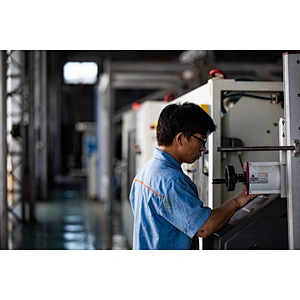
2. Professional manufacturer.
3. OEM is available.
4. High quality, standard designs, reasonable&competitive price, fast lead time.
5. Faster delivery: Sample will be prepared in 2-3days.
6. Shipping: We have strong cooperation with DHL, TNT, UPS, MSK, China Shipping, etc.
7. You can also choose your own shipping forwarder.


 English