| Pipe type | Common application directions | Temperature usage characteristics | Pay close attention to the selection process |
| PE(PE80/PE100) | Municipal water supply, gas, etc | Mainly used for normal temperature pressure transmission, with a working temperature range of about -30 ℃ to 60 ℃ | Long term pressure bearing capacity and pressure reduction coefficient after temperature rise |
| PVC-U | Water supply, building and municipal drainage, etc | Cold water, used at room temperature, with a maximum pressure water supply of 25 ℃, and wastewater transportation up to 45 ℃ | Medium temperature, purpose, and product standards |
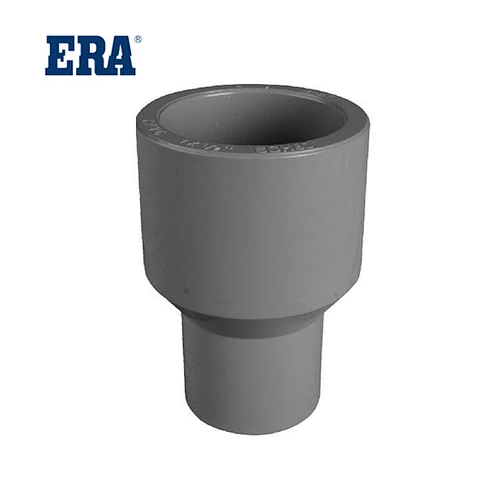
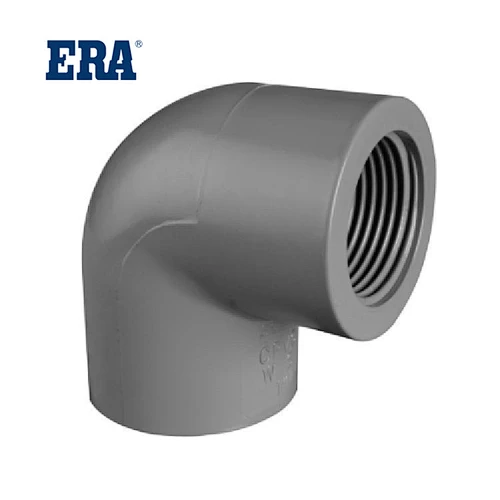
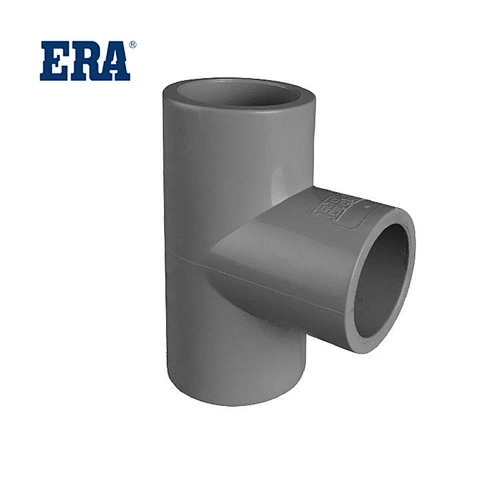
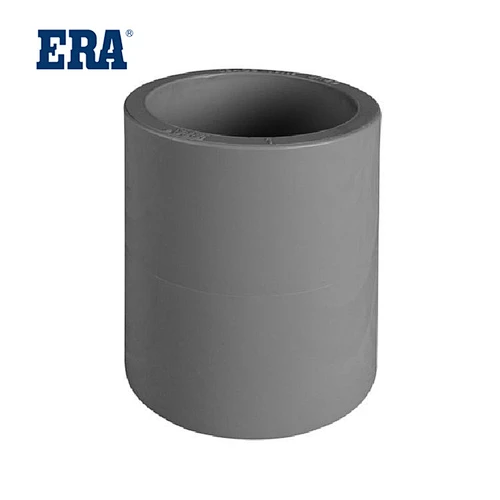
| PVC-C | Hot and cold water, industrial pipelines, etc | The temperature resistance is higher than PVC-U, with cold water up to 45 ℃ and hot water up to 75 ℃ | Media, temperature, pressure, and connection system |
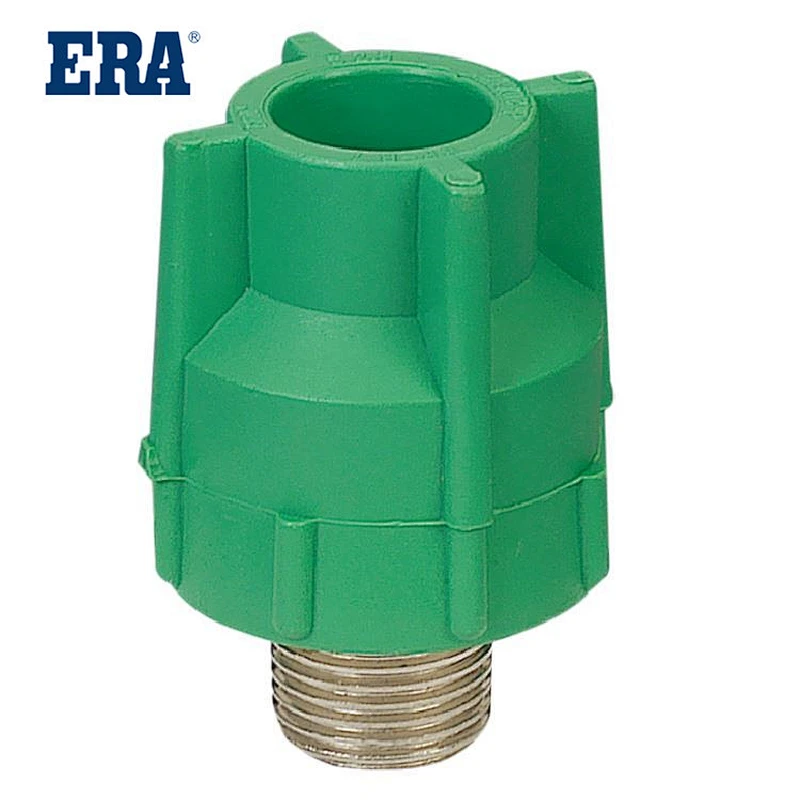
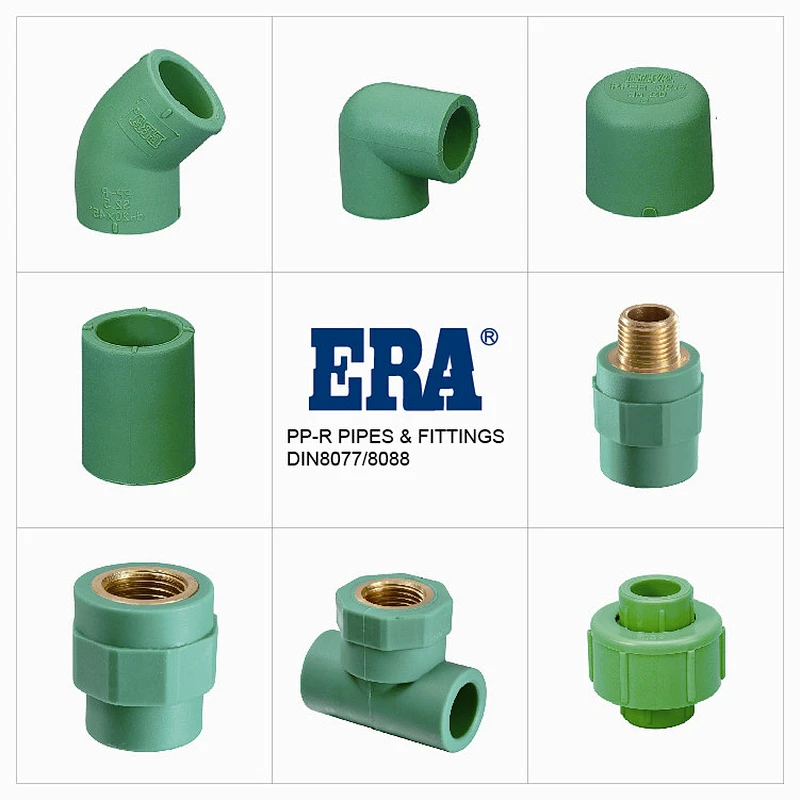
| PP-R | Building hot and cold water | Can be used for hot and cold water systems, with a long-term operation of up to 50 years at 70 ℃ and a short-term peak of 100 ℃ | Temperature, pressure, and usage level |
| PE-RT | Underfloor heating, hot and cold water | The maximum temperature resistance is 95 ℃, and the long-term working temperature can reach 70 ℃ | PE-RT type (Type I/Type II), usage level and operating conditions |
| PE-X | Underfloor heating, hot and cold water | Hot water and heating are widely used, and there are standards that stipulate the maximum working temperature of the cold/hot water system to be 82 ℃ | Temperature, pressure, and connection method |
| PB | Hot and cold water, heating | Can be used for high temperature hot and cold water systems, can be used for a long time at 95 ℃, and can reach up to 110 ℃ | Long term temperature, pressure, and usage conditions |
From this table, it can also be seen that simply comparing"which is more heat-resistant between PE and PVC"is not very meaningful. The difference between ordinary PE and PE-RT is significant, and PVC-U and PVC-C are not the same usage logic. What is truly compared should be the specific pipe products and corresponding working conditions, rather than the material names themselves.
4、 The temperature rise not only affects whether the pipe will become soft or not
Plastic pipes operating at high temperatures for a long time are not only affected by their appearance and softness, but also by changes in their stiffness, long-term strength, and creep properties.
From the perspective of materials science, the tensile strength and hydrostatic strength of plastic pipes change with temperature. An increase in temperature will accelerate the creep process of the material, which means that under the same stress, the pipeline will deform faster. Therefore, meeting a certain pressure level at room temperature does not mean that it can still be used under the same pressure conditions for a long time at higher temperatures.
Taking polyolefin pressure pipes as an example, when the operating temperature exceeds the standard condition of 20 ℃, pressure reduction factors need to be used according to the material type. The ISO 13761 standard provides a method for obtaining the temperature reduction factor for polyethylene pressure pipes, and there are clear numerical values for the reduction factor for different material types at different temperatures. This confirms from an engineering perspective that the impact of temperature on pressure bearing capacity is a factor that must be quantitatively considered, rather than a qualitative issue that can be ignored.
When selecting hot and cold water and heating systems, it is necessary to consider working temperature, pressure, design life, pipe fittings, and connection methods together. There are standards that divide the usage conditions into several levels, each of which specifies the design temperature, maximum design temperature, fault temperature, and their corresponding working time. The lifespan requirement is usually 50 years. The real question that should be asked is not 'What is the maximum tolerance of this tube', but 'Can it be used for a long time at this temperature and pressure?'
5、 So, who is more resistant to high temperatures?
If we have to give a rough ranking, the gradient of temperature resistance in common building hot and cold water and heating application scenarios is roughly as follows:
PB > PE-X ≈ PE-RT > PP-R > PVC-C >PVC-U
Ordinary PE water supply pipes and PVC-U pipes are more positioned in normal temperature and cold water scenarios, and should not be simply compared with hot water pipes for their temperature resistance.
But this is just a very rough reference. In actual selection, different grades, pipe series (S values), and usage conditions of the same type of material will all affect the final applicable temperature range.
The material type is only the first step, temperature, pressure, and long-term usage conditions are the key factors that truly determine whether it can be used.
How can pipe companies accurately break through the explosive period of pipeline infrastructure in 2026? This exhibition provides the answer
In 2026, the renovation and renovation of urban underground pipelines across the country will accelerate comprehensively, and the trillion dollar infrastructure market will officially enter a period of explosive landing. From improving the quality of old pipeline networks and laying new urban pipeline networks, to upgrading smart pipeline networks and integrating urban and rural water supply, the demand for iterative replacement of various types of pipes continues to be released, and pipeline pipe enterprises have ushered in a golden window to seize policy dividends and break through market bottlenecks.
But many pipe companies still face pain points in expanding their customer base: scattered exhibition traffic, inaccurate audience, difficulty in connecting with terminal procurement, low conversion rate of large engineering orders... To break the deadlock in expanding customers, you need a precise business platform that vertically focuses on pipeline infrastructure and directly reaches terminal procurement.
Trillion level policy trend, comprehensive outbreak of pipe material demand
2026 is the starting year of the 15th Five Year Plan, and the upgrading of urban underground pipeline construction has officially been included in the core layout of the national"six networks". Policies and funding are strengthening in the same direction, opening up unprecedented incremental space for the pipe industry.
Clear policy objectives. According to the"15th Five Year Plan for Urban Renewal"approved by the Executive Meeting of the State Council, during the"15th Five Year Plan"period, about 770000 kilometers of underground pipeline networks will be constructed and renovated nationwide, driving investment of about 5 trillion yuan and ultimately leveraging GDP of about 7.5 trillion to 10 trillion yuan, with an average annual employment of about 2.8 million jobs. The 770000 kilometer"task book"specifically includes: about 200000 kilometers of urban gas pipeline network, about 175000 kilometers of drainage pipeline network, about 175000 kilometers of water supply pipeline network, about 100000 kilometers of sewage pipeline network, and about 120000 kilometers of heating pipeline network. The Ministry of Housing and Urban Rural Development is guiding more than 2000 cities and counties across the country to comprehensively understand the pipeline network and scientifically formulate implementation plans.
Strong financial security. In 2026, 160 billion yuan of ultra long term special treasury bond will be earmarked for the construction and reconstruction of underground pipe networks, a substantial increase of 25 billion yuan over the previous year. The central budget will allocate a special fund of 97 billion yuan for urban renewal, and local government special bonds and new policy financial instruments will also be tilted towards the underground pipeline network field. According to industry estimates, the scale of four types of funds that can be mobilized in the pipeline network field is expected to be over 400 billionyuan.
Full release of demand. At present, the total length of urban underground pipeline networks in China is about 3.9 million kilometers, ranking first in the world in terms of scale. However, the large number of water supply, drainage, gas, and heating pipelines laid out in the 1980s and 1990s have entered a period of aging and high incidence, and filling the"historical arrears"has become a rigid demand for local development. The demand for upgrading traditional pipes, replacing new green pipes, non excavation special pipes, anti-corrosion and insulation pipes, and smart pipes has been fully released. The exhibition deeply conforms to policy guidance, accurately matches various pipe application scenarios, and helps enterprises seize the opportunity of infrastructure construction and unlock the annual incremental market.
Structural opportunities are highlighted. It is worth noting that this round of pipeline network upgrading is driving the industry from"quantitative expansion"to"qualitative leap". The construction of smart pipeline networks requires higher requirements for the anti-corrosion performance, sealing, and intelligent matching of pipes, which forces enterprises to transform from ordinary products to high value-added products. The proportion of stock renovation is expected to climb to 65%, and the proportion of intelligent investment will exceed 30%, becoming a new engine driving industry growth. Leading enterprises with qualifications, resumes, and credit endorsements are expected to accelerate their share expansion during this window period.
Full category pipe display, covering the needs of all scenarios of pipeline engineering
The exhibition focuses on the core track of pipeline materials, comprehensively covering the entire industry chain of pipe products, supporting technologies and solutions, and accurately adapting to the needs of various pipeline engineering:
Various raw materials for pipeline materials: various high molecular weight PE and PP particles, as well as upstream materials such as PVC resin, cross-linked polyethylene, stabilizers, and reinforcement materials. The cost competitiveness of pipe enterprises largely depends on the stability and cost-effectiveness of the raw material supply chain.
Various pipeline pipe series: water supply and drainage pipes, PE/PRplastic pipes, steel reinforced pipes, steel pipes, stainless steel pipes, ductile iron pipes, composite pipes, anti-corrosion pipes, insulation pipes, municipal gas pipes, thermal pipes, industrial special pipes, new green environmental protection pipe materials, non excavation special pipe materials, etc. From municipal main pipeline network to building end pipelines, from traditional materials to new composite pipes, all categories are covered in one stop.
Pipe fittings and accessories: various types of pipe fittings, valves, flanges, joints, seals, pipe anti-corrosion materials, insulation materials, waterproof materials, pipe repair materials, etc. The competitiveness of pipe engineering lies not only in the pipe itself, but also in the quality of supporting parts and auxiliary materials, which determines the system's lifespan and maintenance costs.
Pipe production technology and equipment: pipe production lines, extrusion equipment, testing equipment, etc. In the new stage of"quantity and quality improvement"in pipeline network renovation, the accuracy and efficiency of production equipment directly affect the delivery capability and product competitiveness of enterprises.
Pipe network engineering and intelligent matching: intelligent pipe network monitoring system adapted to pipe applications, pipe network safety operation and maintenance equipment, non excavation construction technology, urban pipe network overall solution, etc. With the continuous increase in the proportion of investment in intelligence, the integration ability of pipes with monitoring and operation systems will become the key to differentiated competition for enterprises.
Why this exhibition?
Based on the industry platform of the 13th China (Nanjing) International Pipe Network Exhibition, the exhibition focuses precisely on the vertical field of pipe network infrastructure, which is different from the dispersed flow and generalized audience of comprehensive building materials exhibitions. The 13th International Pipeline Network Exhibition will be held from November 25th to 27th, 2026 at the Nanjing International Expo Center, with an expected exhibition area of over 50000 square meters, gathering more than 800 exhibiting companies and over 60000 professional visitors.


 English