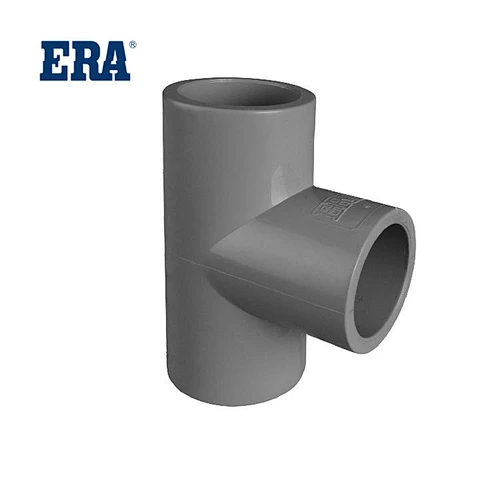
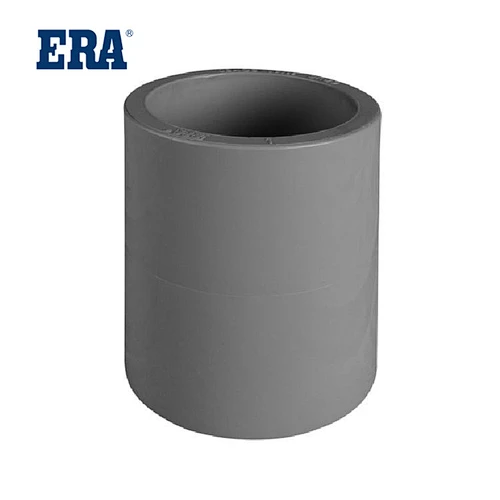
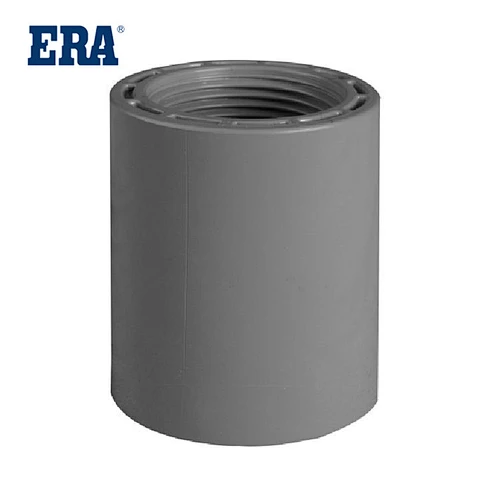
PPR DIN PIPES AND FITTINGS
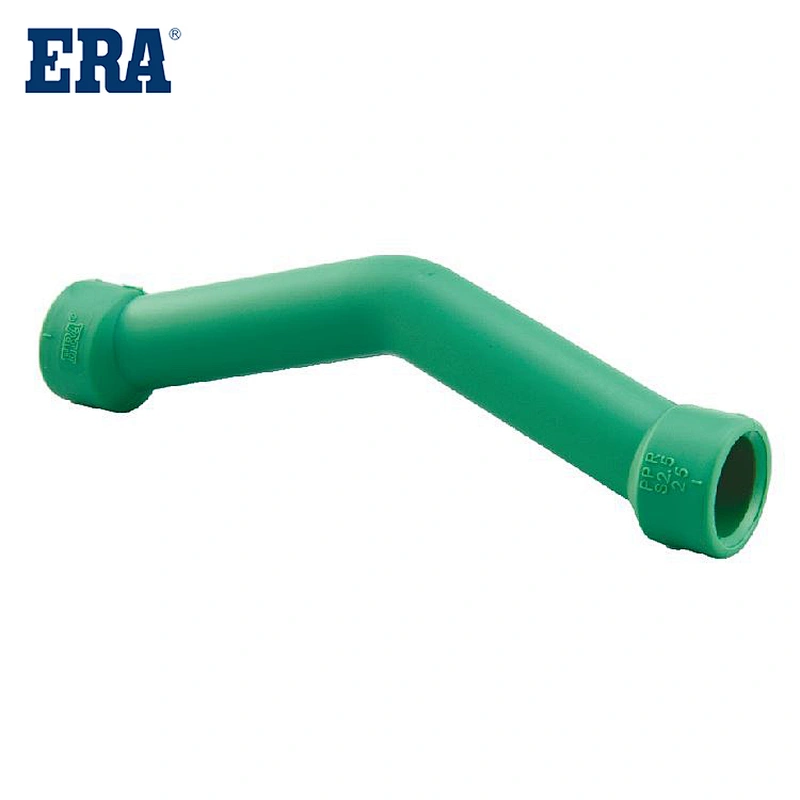
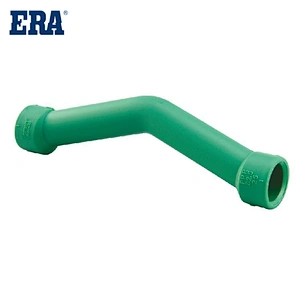
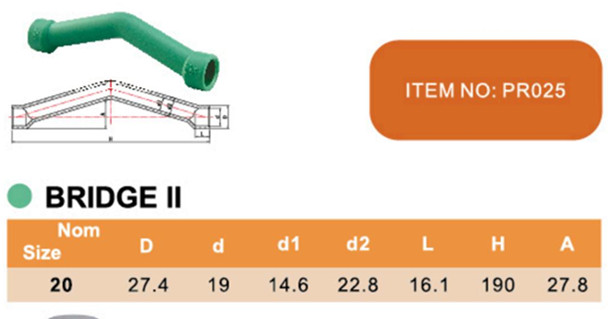
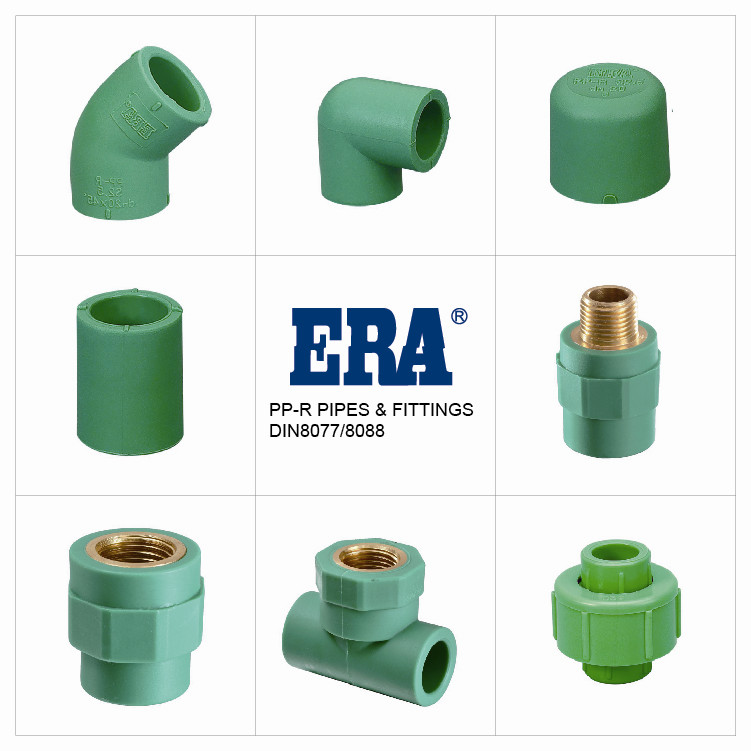
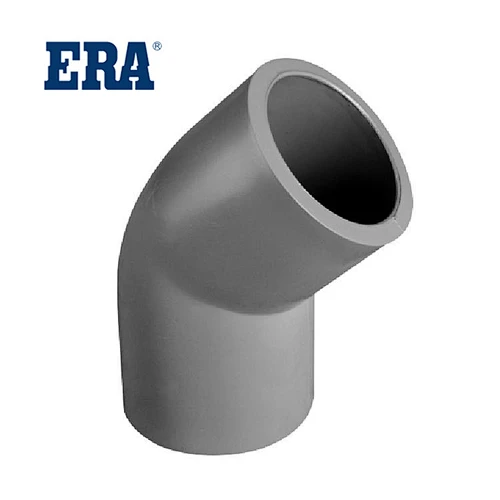
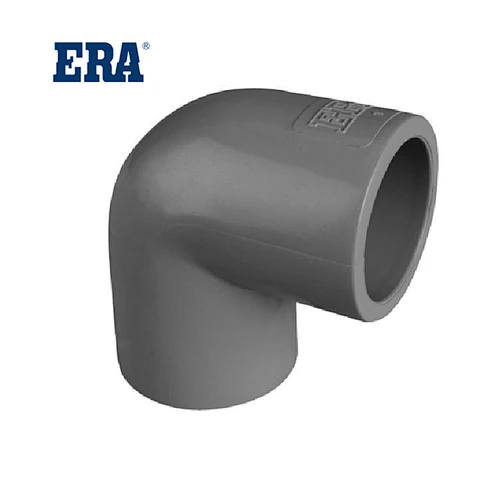
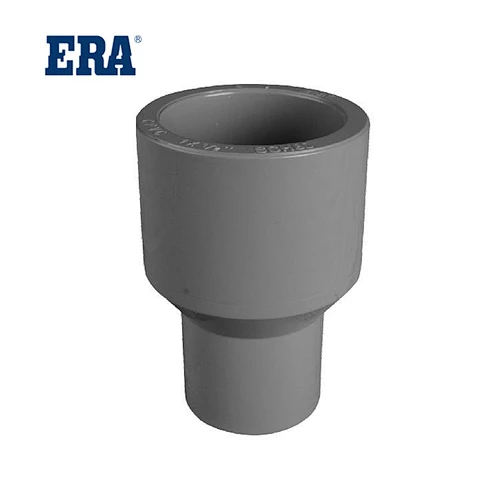
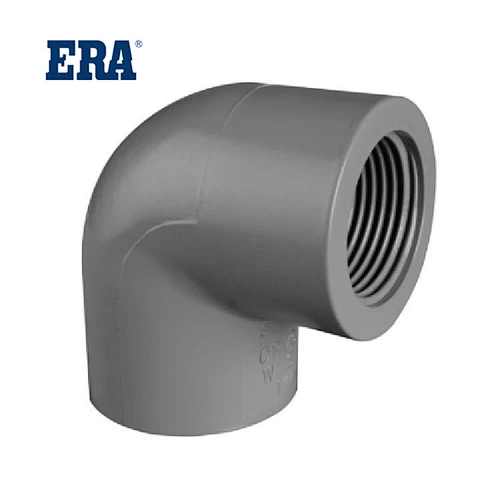
ERA Piping Systems, PPR Pipe Fitting ,BRIDGE II, PR025 ,(DIN8077/8088) , DVGWSpecification:
PPR pipe has a smooth inner surface, thus not letting any calcification to happen inside the pipe.
PPR is very economically placed in comparison to most of the alternative piping system.
PPR has been designed and produced as a piping system for hot and cold water supply as well as for heating applications.
System:This raw material is recommended for the production of pressure pipes including potable water transfer lines, hot and cold water transfer lines, floor heating and also for chemical industry application.
PPR systems are available in a wide range of pipes sizes and fittings from 16mm to 160mm.
Specification:| Model Number | PR025 | Material | PPR |
| Description | PPR BRIDGE II | Size | 20MM |
| Standard | DIN8077/8088 | Color | GREEN、GREY |
| Brand | ERA | Temperature | Max 95°C / 203°F |
| Connection | Socket | Certificate | DVGW |
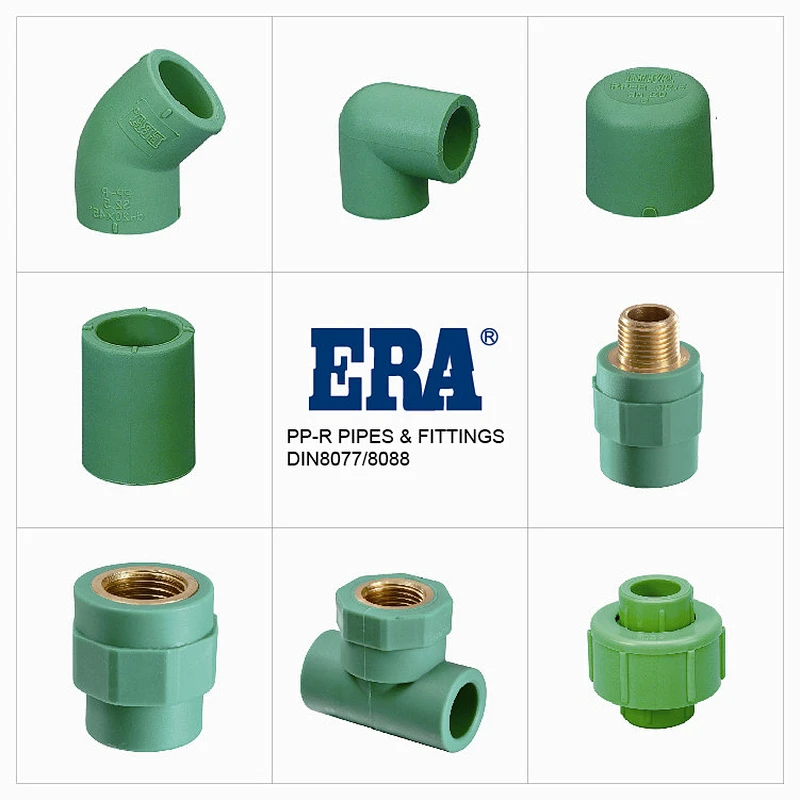
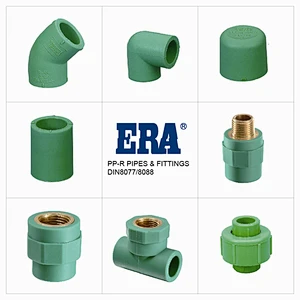
Main Products:
PPR tube characteristics
1, ppr pipe as the most ideal modern hot water supply pipe, because ppr pipe has good heat resistance, long-term use temperature can reach 75° is no problem, instant use temperature can reach 95℃.ppr pipe insulation effect is also good.
2. ppr pipe is smooth and no other particles can be felt, which makes the pipe resistance small and energy consumption lower. ppr pipe fittings of the same type and material are connected and fused into a perfect whole, avoiding the problem of water leakage.
3, ppr pipe corrosion resistance, solve the problem of traditional metal pipe rust, ppr pipe is non-polar material, avoid reaction with other chemical elements in the water, ppr pipe will not scale when used.
4, ppr pipe weight is light, because of this advantage, greatly reduce the difficulty of construction. As a green and environmentally friendly material, it will not cause pollution to the external environment in the process of production or construction.
The selection of pipes is a crucial aspect in modern architecture and home decoration. With the advancement of technology and the development of materials science, various new types of pipes emerge one after another, among which polypropylene random copolymer pipes, abbreviated as PPR pipes, are highly favored due to their unique properties and wide applications. PPR pipes not only have excellent physical and chemical properties, but also perform well in environmental protection, energy conservation, safety, and other aspects, becoming one of the preferred materials for modern pipeline systems.
PPR pipe is a new type of pipe made from randomly copolymerized polypropylene through extrusion molding process. Compared with traditional metal pipes, PPR pipes have the advantages of light weight, corrosion resistance, no scaling, and long service life. Its emergence greatly improves the problems of traditional metal pipes such as rusting, corrosion, and short service life, providing a more reliable and durable solution for building water supply and drainage, heating, air conditioning, and other systems.
In terms of physical properties, PPR pipes have good heat resistance and pressure resistance, and can work stably for a long time in high temperature and high pressure environments. Its maximum working temperature can reach 95 ℃, and its short-term use temperature can even reach 110 ℃, meeting the needs of the vast majority of hot water systems. At the same time, PPR pipes have very high compressive strength and can withstand large water pressures, ensuring the safe and stable operation of the pipeline system.
In terms of chemical properties, PPR pipes have excellent corrosion resistance and chemical stability. It can resist the erosion of various chemicals such as acids, alkalis, salts, etc., and will not undergo corrosion or scaling due to changes in water quality. This characteristic gives PPR pipes a significant advantage in transporting fluids containing corrosive substances, extending the service life of the pipeline and reducing maintenance costs.
In addition to physical and chemical properties, PPR pipes also have good environmental performance. As a non-toxic, odorless, recyclable and reusable material, PPR pipes will not cause pollution to water quality and meet the national drinking water hygiene standards. At the same time, advanced production processes and environmental protection technologies are adopted in its production process, reducing energy consumption and waste emissions, which is conducive to environmental protection and sustainable development.
PPR pipes also demonstrate great convenience in installation and use. Its hot melt connection method is simple and fast, and does not require complex tools and techniques to complete pipeline connection and sealing. This connection method is not only sturdy and reliable, but also avoids the leakage problems that may occur with traditional threaded connections. In addition, PPR pipes have good flexibility and can bend to a certain extent without breaking, making them easy to arrange and install in complex spaces.
In summary, polypropylene random copolymer pipes have become an indispensable part of modern construction and home decoration due to their excellent physical and chemical properties, environmental performance, and convenient installation methods. Choosing PPR pipes is a wise decision for both new construction projects and old house renovations. It can not only provide a safe and reliable pipeline system to ensure our quality of life, but also contribute to environmental protection.
1、 Definition and classification of PPR pipes
PPR pipe is a plastic pipe mainly made of polypropylene and modified by copolymerization. According to their different uses and structures, PPR pipes can be divided into two categories: cold water pipes and hot water pipes. Among them, hot water pipes have higher temperature resistance and are suitable for hot water delivery systems.
2、 The latest implementation standards for PPR pipes
1. National standard GB/T 18742.2-2002"Polypropylene piping systems for hot and cold water - Part 2: Pipes"
This is a Chinese national standard that specifies the technical requirements, testing methods, inspection rules, labeling, packaging, transportation, and storage of PPR pipes. This standard is applicable to polypropylene pipes for hot and cold water with a design pressure not exceeding 1.0 MPa and a design temperature not exceeding 70 ℃.
2. Industry standard CJ/T 257-2007"Technical Specification for Building Water Supply Polypropylene Pipeline Engineering"
This specification provides detailed technical requirements for the design, construction, and acceptance of PPR pipeline systems, ensuring the safety and reliability of the pipeline system.
3. European standard EN 12201-1:2002"Polypropylene piping systems for hot and cold water - Part 1: General"
The European standards have stricter requirements for PPR pipes, including regulations on materials, dimensions, performance, and other aspects. This standard is applicable to the European market, but also has guiding significance for the production and application of PPR pipes worldwide.
3、 Physical performance requirements for PPR pipes
1. Voltage resistance performance
PPR pipes should have good pressure resistance to ensure long-term use under the specified working pressure without rupture or leakage.
2. Temperature resistance performance
PPR pipes should be able to maintain stable performance within the specified working temperature range without deformation or damage.
3. Chemical corrosion resistance
PPR pipes should have good chemical corrosion resistance and be able to resist the erosion of chemical substances in water.
4. Hygiene performance
PPR pipe materials should be non-toxic, harmless, and comply with drinking water hygiene and safety standards.
4、 Dimensions and tolerances of PPR pipes
The size and tolerance of PPR pipes should comply with the relevant standards to ensure the connection and sealing performance of the pipeline system.
1. Outer diameter and wall thickness
The outer diameter and wall thickness of PPR pipes should be strictly controlled within the range specified by the standard.
2. Length
The length of PPR pipes should meet the user's requirements while also ensuring ease of transportation and installation.
5、 Connection method of PPR pipe
The connection method of PPR pipe is crucial for its sealing performance and service life. Common connection methods include:
1. Hot melt connection
By using specialized hot melt equipment, pipes and fittings are fused together to form a secure connection.
2. Electric fusion connection
Using electrical energy to weld pipes and fittings, suitable for situations where it is difficult to perform hot melting operations.
3. Mechanical connection
Connect pipes and fittings through mechanical means such as threads and clamps.
6、 Acceptance and quality control of PPR pipes
In the production and application process of PPR pipes, relevant standards should be strictly followed for quality control and acceptance to ensure the safety and reliability of the pipeline system.
1. Raw material inspection
Conduct strict quality inspection on the raw materials of PPR pipes to ensure that they meet the standard requirements.
2. Production process control
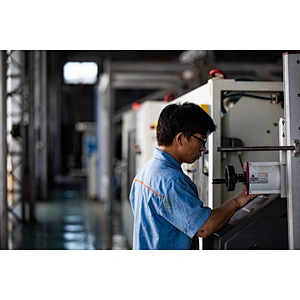
In the production process of PPR pipes, process parameters should be strictly controlled to ensure product quality.
3. Finished product inspection
Inspect the appearance, size, performance, and other aspects of PPR pipe products to ensure that they meet the standard requirements.
4. Installation acceptance
After the installation of PPR pipes is completed, a system acceptance should be carried out to ensure the safety and reliability of the pipeline system.
The latest implementation standards for PPR pipes cover multiple aspects such as materials, performance, dimensions, and connection methods, providing users with comprehensive technical guidance. Users should strictly follow relevant standards when selecting and using PPR pipes to ensure the safety and reliability of the pipeline system. With the continuous advancement of technology, the standards for PPR pipes are also constantly updated and improved to meet market demands and challenges.
PPR pipe features low thermal conductivity
The thermal conductivity of PPR is very low, which means that temperature is not easily transmitted from the external environment to the liquid in the pipeline, and vice versa. This factor reduces the heat loss or increase during the transmission of hot or cold fluids, thereby achieving energy-saving systems and reducing the insulation cost of PPR pipelines. Long service life and durability
PPR piping systems can maintain functionality for over 50 years under various fluid and environmental operating temperatures. In addition, PPR pipes exhibit excellent durability in both hot and cold water systems. Firstly, it can withstand the temperature and pressure strain of the hot water system.
Meanwhile, unlike other common types of plastic pipes, PPR pipes can withstand structural impacts even in cold weather installations without any risk of rupture or breakage.
Efficient inner surface
Compared to traditional types of pipelines, PPR pipes have a very smooth inner surface and a very low coefficient of friction. This will reduce pressure losses during fluid transportation and distribution, further improving the energy efficiency of PPR pipeline systems. In addition, unlike metal pipes, PPR does not peel or scale, making it safer to use.
Chemical and mechanical durability
Compared with traditional plastic piping systems, PPR has a very high resistance to hard particle wear. This is particularly important in well water or industrial applications, where the transferred liquid may contain abrasive particles.
In addition, unlike traditional metal pipes, PPR is inert to most electrolytes and chemicals over a wide temperature range. This electrolysis and chemical inertness enable PPR pipelines to be safely used in high water salinity (such as in swimming pool applications using seawater) and even highly corrosive chemicals (such as in industrial applications).
Ecological economic efficiency
Due to the light weight of PPR pipes, their transportation, handling, and installation do not require significant energy consumption or physical labor. Meanwhile, they are very easy to cut, connect, and use, making them more economically sustainable.
In addition, connecting PPR pipes and fittings only requires heating and does not require any additional chemicals or materials. All these factors contribute to PPR reducing environmental impact and usage costs.
In home decoration, choosing suitable water pipe materials is the key to ensuring the safety, reliability, and durability of the water supply system. Here are some factors to consider when choosing water pipe materials:
Environmental friendliness and safety of materials:
Choose materials that are non-toxic, odorless, and free of harmful substances, such as PPR (polypropylene random copolymer) pipes, to ensure the safety of drinking water.
Ensure that the materials meet the national drinking water hygiene standards and avoid polluting the water quality.
Corrosion resistance and durability:
Consider the chemical corrosion resistance of materials, especially when transporting fluids containing corrosive substances.
Choose materials with longer service life and good durability to reduce the frequency of maintenance and replacement.
High temperature and pressure resistance performance:
Choose materials that can withstand the corresponding temperature and pressure based on the household's water usage and pressure.
Ensure that the material will not deform or be damaged in high temperature environments to ensure the reliability of the pipeline system.
Convenience of installation and maintenance:
Choose materials that are easy to install and firmly connected to reduce construction difficulty and cost.
Consider the maintainability and replaceability of materials so that they can be easily maintained or replaced when needed.
Economy and cost-effectiveness:
Compare the prices and cost-effectiveness of different materials while meeting usage requirements.
Consider long-term usage costs, including maintenance expenses and potential replacement costs.
Brand reputation and after-sales service:
Choose products from well-known brands to ensure quality and reliable after-sales service.
Understand the manufacturer's warranty policy and after-sales service content in order to obtain necessary support during use.
In summary, when choosing water pipe materials for home decoration, factors such as environmental friendliness and safety, corrosion resistance and durability, high temperature and pressure resistance, ease of installation and maintenance, economy and cost-effectiveness, as well as brand reputation and after-sales service should be comprehensively considered. By carefully comparing and weighing these factors, the most suitable water pipe material for household needs can be selected.
Choosing the appropriate water pipe material is a crucial part of home decoration, as it directly affects the safety and comfort of household water use. Here are some key factors in choosing suitable water pipe materials:
Environmental friendliness and safety of materials
Non toxic and odorless: Choose materials that are non-toxic, odorless, and free of harmful substances, such as PPR (polypropylene random copolymer) pipes, to ensure the safety of drinking water.
Compliance with standards: Ensure that the materials meet the national drinking water hygiene standards and avoid polluting the water quality.
Corrosion resistance and durability
Chemical corrosion resistance: Consider the chemical corrosion resistance of materials, especially when transporting fluids containing corrosive substances.
Long service life: Choose materials with longer service life and good durability to reduce the frequency of maintenance and replacement.
High temperature and pressure resistance performance
Temperature adaptation: Choose materials that can withstand the corresponding temperature and pressure based on the household's water usage and pressure.
Thermal stability: Ensure that the material will not deform or be damaged in high temperature environments to ensure the reliability of the pipeline system.
Convenience of installation and maintenance
Easy installation: Choose materials that are easy to install and securely connected to reduce construction difficulty and cost.
Easy maintenance: Consider the maintainability and replaceability of materials, so that they can be easily maintained or replaced when needed.
Economy and cost-effectiveness
Cost effectiveness: Comparing the prices and cost-effectiveness of different materials while meeting usage requirements.
Long term investment: Consider long-term usage costs, including maintenance expenses and potential replacement costs.
Brand reputation and after-sales service
Famous Brands: Choose products from well-known brands to ensure quality and reliable after-sales service.
After sales support: Understand the manufacturer's warranty policy and after-sales service content in order to obtain necessary support during use.
Specification and color identification
Pipe diameter size: Choose whether to use 4 or 6 pipes based on the diameter of the incoming water pipe.
Pipeline color: Blue and red lines are usually used to mark cold and hot water pipes on water pipes. Hot water pipes have thicker pipe walls and better quality than cold water pipes.
In addition, when selecting water pipe materials, the following points should also be considered:
The characteristics of double-layer water pipes: The heat resistance of double-layer water pipes is lower than that of single-layer water pipes, but the light blocking rate is higher, which can ensure better healthy water quality.
The selection of water pipe fittings: More than 90% of water leakage and seepage incidents are related to the fittings at the interface, so consumers need to be cautious when choosing.
Common misconceptions in the market: There are some misleading information in the market, such as PVC pipes not suitable for use as water pipes, and consumers should be vigilant.
In general, when choosing water pipe materials, the above factors should be comprehensively considered to ensure the selection of the most suitable water pipe material for household needs.
The installation method of PPR (random copolymer polypropylene) plastic pipe fittings mainly includes the following steps and precautions:
1. Prepare tools and materials
Hot melt connection tool: Ensure to use a hot melt welding machine that is compatible with the PPR pipe manufacturer to ensure connection quality.
Auxiliary tools such as pipe scissors, rulers, pens, etc. are used for measuring, marking, and cutting pipes.
2. Pipeline cutting
Use specialized pipe cutters or cutting tools to cut PPR pipes into the desired length. Ensure that the incision is flat and perpendicular to the axis of the pipe, avoiding burrs.
3. Mark the welding depth
Mark the depth of inserting the pipe fittings with a pen at the end of the pipe to facilitate correct welding operations.
4. Cleaning and Inspection
Clean the surface of the pipes and fittings to be connected, removing oil stains, impurities, and substances that may affect the welding effect.
5. Heating
Place the pipes and fittings into a preheated heating head at the specified temperature (usually 260 ° C ± 5 ° C), and the heating time should strictly follow the manufacturer's instructions.
6. Welding
After removing the pipe and fittings from the heating head, quickly and smoothly connect them and push them directly to the marked position, being careful not to rotate. The entire process should be completed quickly to ensure a good fusion effect.
7. Cooling
After the connection is completed, it is necessary to wait for sufficient time for the interface to naturally cool and solidify, and avoid applying external forces to the pipeline during this period to avoid affecting the quality of the joint.
8. Installation precautions
If it is a concealed installation, it is necessary to accurately cut the material according to the design drawings and minimize the number of interfaces in the buried part.
For exposed pipelines, considering the susceptibility of PPR pipes to UV aging, it is recommended to take appropriate protective measures, such as using insulation sleeves.
In cold regions or areas with a risk of freezing and cracking, attention should be paid to anti freezing and insulation measures.
9. Testing
After installation, pressure testing should be conducted according to relevant specifications to ensure that the system's sealing and strength meet the requirements.
Special Reminder:
PPR pipes cannot withstand excessive pressure or weight, so they should be protected from inappropriate external forces during installation.
When carrying out secondary decoration, the location of underground pipelines should be clearly marked to prevent damage to the existing pipeline system.
The above are the main installation methods and some key points of PPR plastic pipe fittings. To ensure the best installation effect, it is best to have professional personnel carry out the construction and strictly follow the guidelines provided by the manufacturer and relevant national building standards.


 English