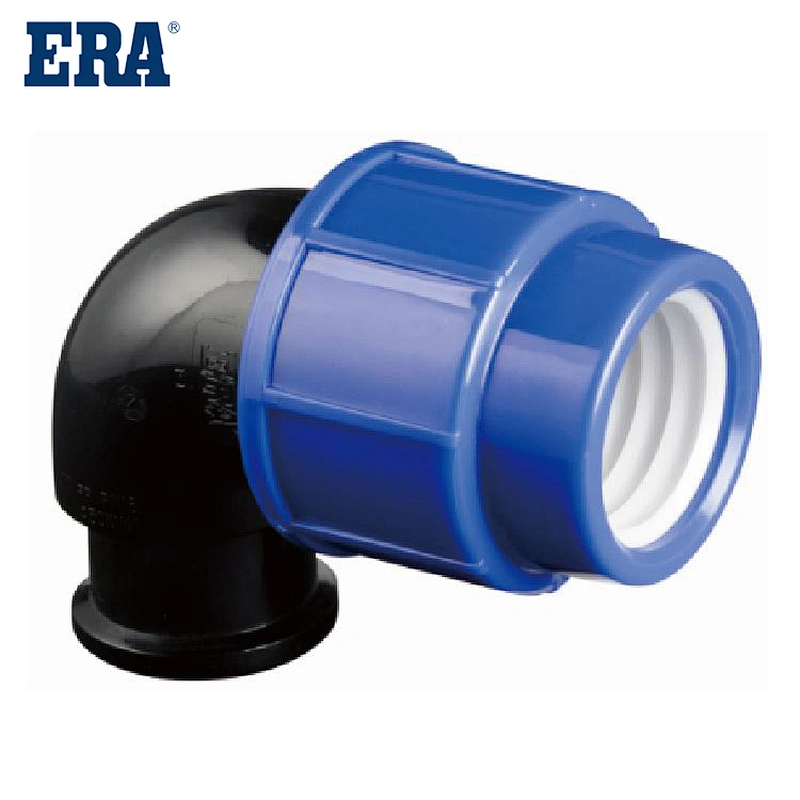
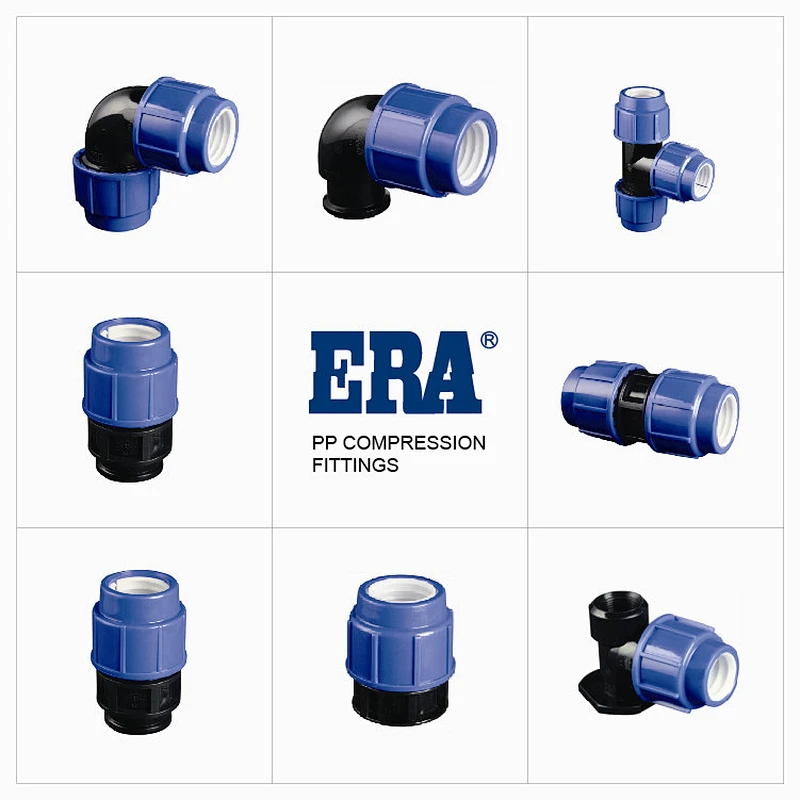
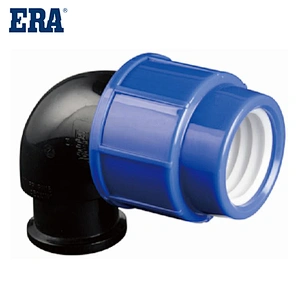
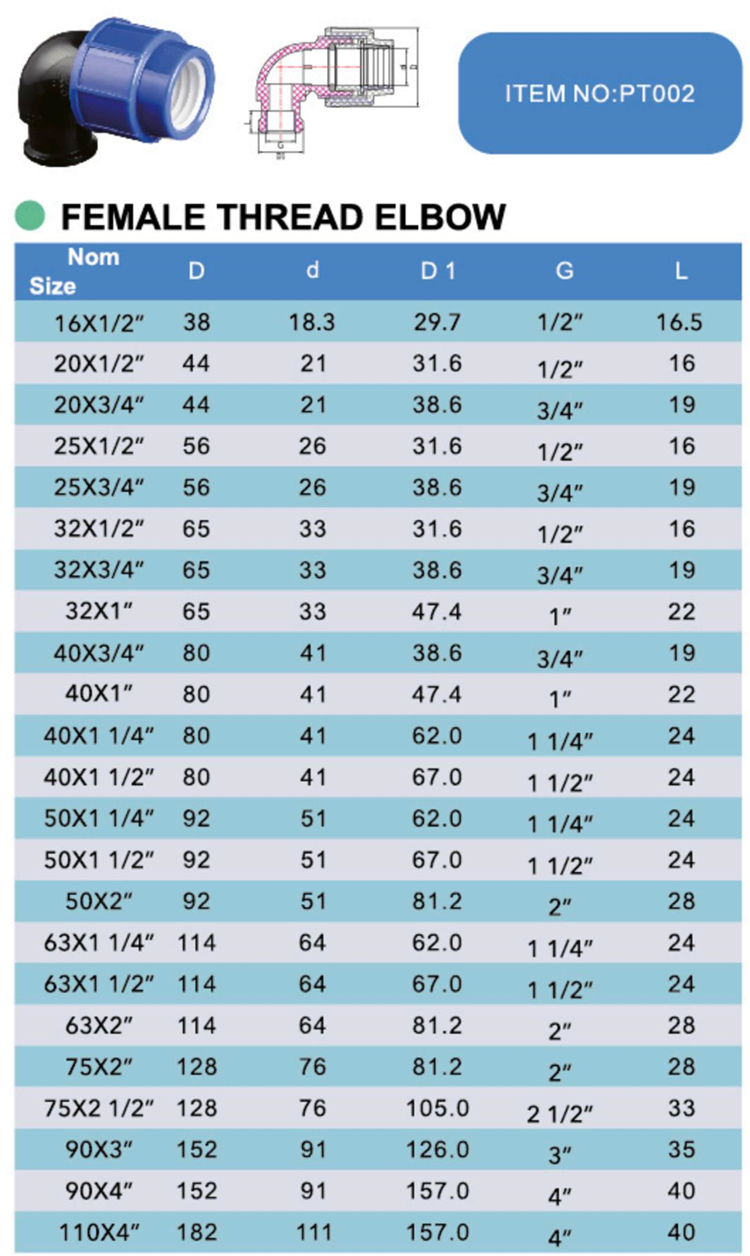
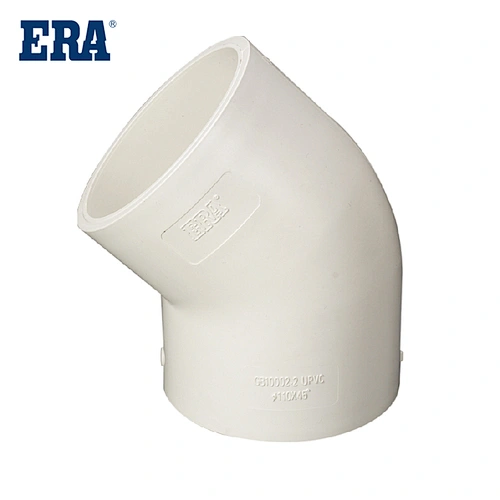
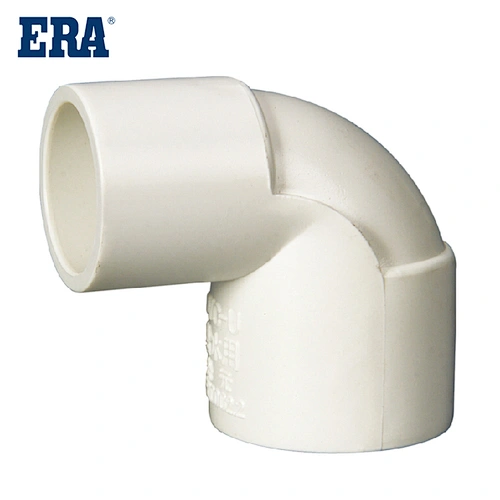
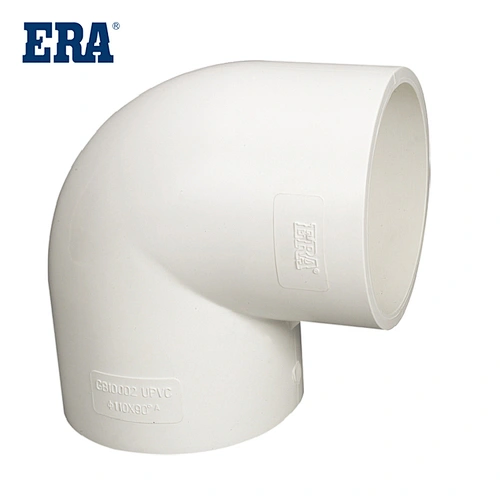
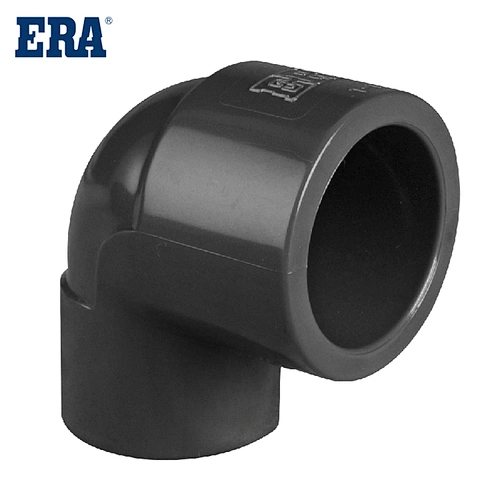
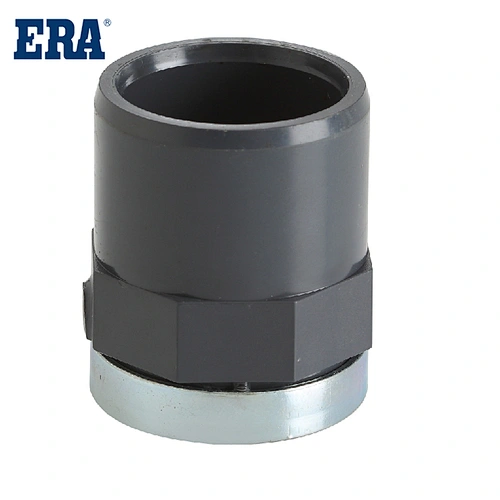
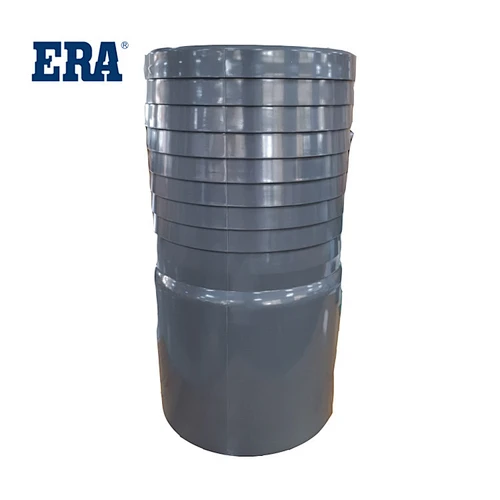
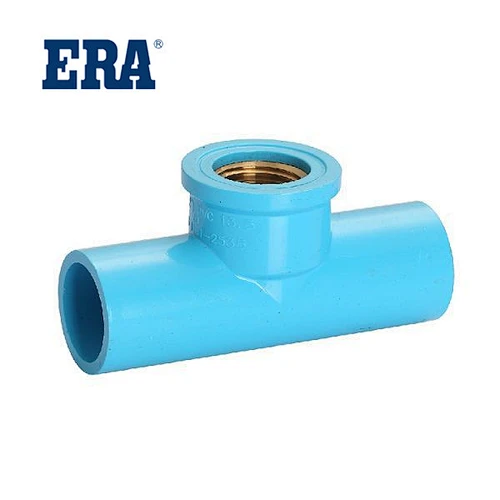
ERA Piping Systems, PP Compression Fitting ,MALE THREAD ELBOW ,PT002, (ENISO1587AS/NZS4129) , Watermark & WRAS
System:
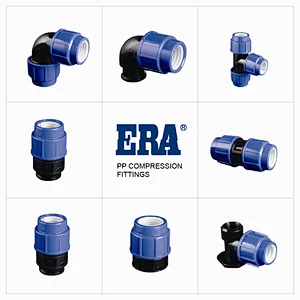
PP Compression Fitting System
They ensure a perfect seal in the construction of pressurized water distribution systems like sprinkler, garden and agricultural systems.
Specification:
Pipe and fittings shall be manufactured from virgid PP(polypropylene) compounds.
With an adequate combination of these fittings it is possible to design and pressure piping application of fluide with PE pipes
Specification:
| Model Number | PT003 | Material | PVC |
| Description | MALE THREAD ELBOW | Size | 16x1/2''-110x4'' |
| Standard | ENISO1587 AS/NZS4129 | Color | BALCK BODY BLUE CAP |
| Working Pressure | PN16 ,16Bar, 1.6Mpa | Temperature | Max 60°C / 140°F |
| Connection | SOCKET OR THREAD | Certificate | CE WATERMARK WRAS |
Features:
Fast & Reliable Connection: Split ring opening has been optimized to make pipe insertion even easier.
PP Compression Fittings is fabricated and designed using premium quality basic material and progressive technology.
Fields of application:
Piping networks for water treatment systems.
Main Products:
Tri-type polypropylene (PP-R)
1. Nature and production process
PP-R is non-toxic, hygienic and recyclable. The Vicat softening temperature of PP-R is 131℃, the maximum use temperature is 95℃, and the long-term use temperature is 70℃. It is a heat-resistant, heat-insulating and energy-saving product. Its density is 900 kg/m3.
PP-R pipes are produced by extrusion molding process, and PP-R pipe fittings are produced by injection molding process.
2. Production standard
There is no unified national pipe standard in China. PP-R production lines are mostly imported from Germany, and PP-C production lines are mostly imported from South Korea. Most manufacturers formulate their own corporate standards with reference to German standards.
PP-R production specifications range from 20mm to 95mm in various types of pipe diameters.
3. Connection and accessories
PP-R pipes and fittings are connected by hot melt. When PP-R is connected with metal pipe fittings, polypropylene pipe fittings with metal inserts are used as the transition.
PP compression accessory system
They ensure perfect sealing when constructing pressurized water supply systems such as sprinkler, garden, and agricultural systems. These systems are widely used in various environments, from home gardening to large-scale agricultural irrigation, providing users with efficient and reliable solutions.
In recent years, with the continuous advancement of agricultural technology and the increasing demand for water resource management, PP compression accessory systems have gradually become the darling of the market. Its main advantages are easy installation, long service life, and low maintenance costs. Both home gardening enthusiasts and large-scale farmers can benefit from it. The following will explore in detail the advantages, application scenarios, and future development trends of PP compression accessory systems.
Advantage analysis
1. Easy installation
The PP compression accessory system adopts modular design, and the installation process does not require professional tools. Users only need simple operations to complete it, greatly saving manpower and time costs. This is particularly important for users who lack professional skills, lowering the installation threshold.
2. Long service life
Due to the use of high-quality polypropylene material, the PP compression accessory system has excellent corrosion resistance and oxidation resistance, and can be used for a long time in harsh environmental conditions. Its durability enables the system to maintain good performance over long periods of use and is less prone to issues such as water leakage.
3. Low maintenance costs
Compared to traditional metal fittings, PP compression fitting systems are less prone to scaling, reducing the frequency of cleaning and maintenance. In addition, its corrosion resistance also means that users do not need to frequently replace parts, reducing long-term maintenance costs.
Application scenarios
1. Home gardening
For home users, the PP compression accessory system can be easily used for irrigation in their garden. Whether it's small-scale lawn irrigation or flower bed drip irrigation, PP compression fittings can provide stable and reliable water supply. Users only need to make simple pipeline connections according to the layout of the garden to achieve automated irrigation, saving time and effort.
2. Agricultural irrigation
In the agricultural field, PP compression accessory systems are widely used for large-scale irrigation of farmland. Especially in areas that require efficient water resource management, this system can ensure the rational allocation of water resources, reduce waste, and increase crop yields. Farmers can flexibly adjust the layout of irrigation systems according to the different needs of crops, ensuring that every piece of farmland can receive sufficient water supply.
3. Urban greening
With the acceleration of urbanization, the importance of urban greening is becoming increasingly prominent. The application of PP compression accessory system in urban greening can provide efficient irrigation solutions for various green spaces and parks. Its durability and reliability can meet long-term usage needs and reduce the maintenance cost of urban greening.
Future Development Trends
1. Intelligent control
With the rapid development of IoT technology, the future PP compression accessory system will move towards intelligence. By combining intelligent sensors and remote control technology, users can monitor and adjust the operation status of the irrigation system at any time. For example, based on soil moisture and weather forecasts, automatic adjustment of irrigation time and water volume can achieve more refined water resource management.
2. Application of environmentally friendly materials
In the future, the application of environmentally friendly materials will become an important direction for the development of PP compression accessory systems. Developing more environmentally friendly and biodegradable materials can not only reduce environmental pollution, but also enhance the sustainability of the system. Technology companies are actively developing new materials, striving to achieve higher environmental standards while ensuring performance.
3. Personalized customization
With the diversification of user needs, personalized customization will become an important trend in PP compression accessory systems. Both household users and agricultural enterprises hope to customize the most suitable irrigation plan according to their own needs. In the future, technology companies will provide more flexible customized services, from system design to accessory selection, to fully meet the personalized needs of users.
conclusion
As an important component of modern irrigation technology, the PP compression accessory system has won the favor of a large number of users due to its advantages of easy installation, long service life, and low maintenance costs. It has demonstrated excellent performance and broad application prospects in multiple fields such as home gardening, agricultural irrigation, and urban greening. With the advancement of technology and changes in market demand, PP compression accessory systems will continue to develop towards intelligence, environmental friendliness, and personalization, providing users with more efficient and reliable solutions. In the future, we have reason to believe that PP compression accessory systems will play an important role in a wider range of fields, assisting in the sustainable management and utilization of water resources.
Specification:
Pipe and fittings shall be manufactured from virgin PP (polypropylene) compounds.
With an adequate combination of these fittings, it is possible to design and implement pressure piping applications for fluids with PE (polyethylene) pipes. The compatibility of PP fittings with PE pipes ensures a robust and reliable system for a variety of industrial and domestic applications. This specification outlines the key considerations and guidelines for achieving optimal performance and longevity of the piping system.
Material Specifications
Polypropylene (PP) Compounds:
The PP compounds used must be virgin, ensuring no recycled materials that could compromise the integrity of the piping system.
PP compounds should conform to industry standards for mechanical and thermal properties.
The material must exhibit high resistance to chemical corrosion, making it suitable for transporting a wide range of fluids.
Polyethylene (PE) Pipes:
PE pipes must meet the required specifications for pressure ratings and environmental conditions.
The pipes should be certified to relevant standards such as ISO, ASTM, or EN.
Design Considerations
Pressure Ratings:
The design should account for the maximum operating pressure of the fluid within the system.
Proper selection of PP fittings that match the pressure ratings of PE pipes is crucial.
Temperature Ranges:
The system should be designed to operate within the specified temperature ranges of both PP and PE materials.
Consideration for thermal expansion and contraction must be included in the design to prevent stress on the joints and fittings.
Chemical Compatibility:
Ensure that the fluids transported are compatible with both PP and PE materials to prevent degradation or failure.
A comprehensive chemical resistance chart should be consulted during the design phase.
Installation Guidelines
Joining Methods:
Fusion welding is recommended for joining PP fittings with PE pipes, providing a strong and leak-proof connection.
Mechanical fittings can also be used where fusion welding is not feasible, provided they are designed for the specific pressures and temperatures of the application.
Support and Anchoring:
Adequate support and anchoring must be provided to prevent sagging or displacement of the pipes and fittings.
Spacing of supports should be based on pipe diameter, wall thickness, and operating conditions.
Alignment and Orientation:
Pipes and fittings must be properly aligned to avoid undue stress on the joints.
Consider the flow direction and orientation of fittings to ensure smooth fluid dynamics within the system.
Testing and Inspection
Pre-Installation Testing:
Inspect all pipes and fittings for any visible defects or damage before installation.
Verify that the materials meet the specified standards and requirements.
Pressure Testing:
Conduct pressure tests on the installed system to ensure there are no leaks and that it can withstand the operating pressures.
Follow standard procedures for pressure testing, including gradual pressurization and monitoring for any pressure drops.
Routine Inspection and Maintenance:
Implement a regular inspection schedule to monitor the condition of the piping system.
Perform maintenance as needed to address any issues such as leaks, corrosion, or mechanical damage.
Applications
Industrial Use:
The combination of PP fittings and PE pipes is ideal for chemical processing plants, where the transportation of corrosive fluids is common.
Suitable for use in water treatment facilities, providing a reliable system for both potable and wastewater applications.
Domestic Use:
The system can be used in residential plumbing for hot and cold water supply.
Ideal for underfloor heating systems due to the thermal properties of both PP and PE materials.
Agricultural Use:
Effective for irrigation systems, ensuring a durable and long-lasting solution for transporting water and fertilizers.
Environmental Considerations
Sustainability:
Both PP and PE are recyclable materials, contributing to sustainable construction practices.
Encourage the use of recycled materials where feasible without compromising quality and performance.
Waste Management:
Proper disposal methods for any waste generated during installation should be followed.
Promote the recycling of off-cuts and unused materials to minimize environmental impact.
Conclusion
The use of PP fittings in conjunction with PE pipes offers a versatile and robust solution for various pressure piping applications. By adhering to the specified guidelines and considerations, designers and installers can ensure a high-performing and durable system suitable for a wide range of industrial, domestic, and agricultural uses. Regular testing, inspection, and maintenance will further enhance the longevity and reliability of the system, providing a safe and efficient means of fluid transportation.
Installation instructions: When installing PP compression fittings, ensure that the surface of the pipeline is clean, smooth, and free of burrs. Firstly, loosen the nut, but it is not necessary to completely disassemble it. Then, insert the pipeline into the joint to ensure it reaches the bottom. Finally, tighten the nut until it is fully locked to ensure a secure and leak free connection. During installation, excessive force should be avoided to prevent damage to the fittings.
Application environment: PP pipe and fittings system is suitable for various environments, including household water supply systems, agricultural irrigation systems, municipal water supply networks, and industrial water systems. Its corrosion resistance and high impact resistance make it particularly suitable for use in corrosive environments, such as chemical plants and sewage treatment plants. In addition, PP material has low low-temperature brittleness, so it can maintain excellent performance even in cold environments.
Installation precautions:
Ensure that the cutting surface of the pipeline is flat and remove all burrs.
During the connection process, uniform force should be applied to avoid damage to the fittings or pipes.
After installation, perform a pressure test to ensure that the system is leak free.
When used in high-temperature environments, the thermal expansion coefficient of the material should be considered and sufficient expansion space should be reserved.
Maintenance and upkeep: PP pipes and fittings systems have a long service life, typically exceeding 50 years. During normal use, there is almost no need for maintenance. But regularly check the connection parts of the system, especially those used in high-pressure or high-temperature environments, to ensure that their connections are firm and leak free. If leakage or damage is found, relevant components should be replaced in a timely manner.
Environmental performance: PP material is an environmentally friendly material with low energy consumption and no harmful substance emissions during its production process. After the end of its service life, PP material can be recycled and reused, reducing its impact on the environment. Compared with traditional metal pipes, PP pipes are lighter in weight, consume less energy during transportation and installation, and further reduce carbon emissions.
Application example:
Home water supply system: PP pipes are widely used in home water supply systems, especially in new residential buildings and old house renovations. It is easy to install, durable, and not prone to scaling, ensuring the hygiene and safety of household water.
Agricultural irrigation system: PP pipes are widely used in sprinkler and drip irrigation systems due to their corrosion resistance and UV resistance. Its lightweight nature makes it easier for farmers to lay and move pipelines in the fields.
Municipal water supply network: The application of PP pipes in municipal water supply networks is becoming increasingly popular. Its impact resistance and durability ensure the stable operation of the urban water supply system, reducing water resource waste caused by pipeline rupture.
Industrial water system: In the industrial field, PP pipes are commonly used to transport various chemical media and industrial water. Its corrosion resistance enables it to be used for a long time in harsh chemical environments, ensuring the continuity of industrial production.
Looking to the future: With the advancement of technology and the development of material technology, PP pipes and fittings systems will continue to be optimized, and their performance will be further improved. In the future, PP materials may be combined with other new materials to develop more efficient and environmentally friendly pipeline systems. In addition, with the increasing global awareness of environmental protection, the recycling technology of PP pipes will continue to improve, making greater contributions to sustainable development.
Summary: PP pipes and fittings systems have become an important component of modern pipeline engineering due to their excellent performance and wide application prospects. Its easy installation, long service life, low maintenance cost, and environmental performance make it occupy an important position in various pipeline systems. Whether in household water supply, agricultural irrigation, or in municipal and industrial fields, PP pipes have demonstrated excellent performance and enormous application potential. With the continuous advancement of technology, PP pipes and fittings systems will play a greater role in more fields, promoting the development of pipeline engineering towards greater efficiency and environmental protection.
PP pipe is indeed a versatile material widely recognized for its safety and reliability in transporting drinking water. Its popularity stems not only from its environmental friendliness and non-toxic properties but also from its excellent heat resistance and corrosion resistance. These attributes make PP pipe a preferred choice in various residential and commercial plumbing applications.
In residential settings, PP pipe offers significant advantages over traditional materials like metal or PVC. One of its key benefits is its resistance to chemical reactions, ensuring that the water remains uncontaminated and safe for consumption. This quality is particularly crucial for maintaining the purity of drinking water, aligning with stringent health and safety standards.
Moreover, the ease of installation of PP pipes further enhances their appeal. Unlike metal pipes, PP pipes are lightweight and can be easily maneuvered and installed without the need for heavy machinery or specialized tools. This characteristic not only simplifies the installation process but also reduces labor costs and construction time, making it a cost-effective option for homeowners and contractors alike.
The durability of PP pipes is another notable feature. They are designed to withstand high temperatures and pressure variations without compromising their structural integrity. This resilience ensures long-term performance and reliability, minimizing the need for frequent maintenance and replacement.
In addition to residential use, PP pipes find extensive application in industrial and agricultural sectors. Industries rely on PP pipes for their resistance to chemical substances and their ability to transport various fluids without contamination or degradation. Similarly, in agriculture, where irrigation systems are essential, PP pipes provide a reliable means of delivering water to crops while ensuring that the water quality remains unaffected by external factors.
The versatility of PP pipes extends beyond water transport. They are also used for drainage systems, where their smooth interior surface prevents clogging and facilitates the efficient flow of wastewater. This feature is particularly advantageous in urban environments where efficient drainage is critical to preventing flooding and maintaining public hygiene.
Furthermore, the environmental impact of PP pipes is significantly lower compared to alternative materials. PP is a recyclable material, and the production process generates fewer emissions and waste compared to metals or PVC. This eco-friendly aspect aligns with global sustainability goals, making PP pipes a preferred choice for environmentally conscious consumers and businesses.
Looking ahead, advancements in PP pipe technology continue to enhance their performance and expand their applications. Innovations in material composition and manufacturing processes aim to further improve durability, reduce environmental footprint, and optimize installation efficiency. These developments ensure that PP pipes remain at the forefront of modern plumbing solutions, meeting the evolving needs of residential, commercial, and industrial sectors worldwide.
In conclusion, PP pipe represents a significant advancement in plumbing technology, offering a combination of safety, reliability, and sustainability. Its properties make it ideally suited for transporting drinking water, handling industrial fluids, and managing drainage systems. As awareness of environmental issues grows and regulatory standards become more stringent, PP pipes are poised to play an increasingly vital role in ensuring safe and efficient water management globally. Whether in homes, industries, or agriculture, PP pipes continue to demonstrate their value as a durable, cost-effective, and environmentally friendly solution for fluid transport and drainage applications.
Continuing to delve deeper into the ERA pipeline system and PP compression fittings, we can discover that the efficiency of this material and system is not limited to indoor water supply systems. The ERA pipeline system has a wide range of applications in the industrial field due to its excellent pressure resistance and sealing effect. Especially PP compression fittings, due to their unique corrosion resistance and biodegradability, have become the preferred material for industries such as chemical treatment, wastewater treatment, and seawater desalination.
The superior performance of PP pipes has made them occupy an important position in modern architecture. With the increasingly strict environmental regulations and the increasing demand for sustainable development, recyclable PP pipe materials have become particularly important. This not only reduces the pressure on the environment, but also lowers engineering costs, achieving a win-win situation of economic benefits and environmental protection.
In terms of installation, the design of PP compression fittings greatly simplifies the installation process. The application of standard components such as external threaded elbows and PT002 (ENISO1587/AS/NZS1429) makes the connection faster and more effective, while ensuring high sealing and reliability of the system. For installers, this means less labor intensity and higher work efficiency.
The authentication of watermarks and WRAS systems is a further guarantee for the safety and reliability of ERA pipeline systems and PP compression fittings. These certifications not only comply with relevant domestic and international standards, but also provide users with more peace of mind. In the field of water supply pipeline systems, watermarking and WRAS certification are equivalent to the highest standards, ensuring the hygiene and safety of water used in the system and protecting the health of consumers.
In addition, the ERA pipeline system is constantly undergoing technological innovations to adapt to the constantly changing market demands. ERA is committed to providing more environmentally friendly, efficient, and economical pipeline solutions by utilizing advanced production processes and materials. With the continuous advancement of technology, the application scope of this pipeline system is also expanding, thus contributing to the sustainable development of society.
In short, PP pipes and their compression fittings are indispensable in modern water supply systems, playing an important role in both households and industrial fields. By using this efficient and environmentally friendly material and system, we can not only ensure the safety and stability of the water supply system, but also promote sustainable development of the environment and achieve the goal of energy conservation and emission reduction. In the future, with the further improvement of people's environmental awareness and the continuous advancement of technology, the application of PP pipes and their compression fittings will be more extensive, and their market demand worldwide will continue to grow.


 English