When installing PP agricultural irrigation pipes, the following points should also be noted:
1. Choose the appropriate pipe diameter and length. The diameter of the pipe should be selected based on the area of the farmland, terrain, and water supply situation; the length of the pipe should be determined according to actual needs. Overly long or short pipes can both affect the irrigation effect.
2. Pay attention to the insulation and corrosion prevention of the pipe. Although PP agricultural irrigation pipes have good corrosion resistance, they may still undergo corrosion in some special environments, such as exposure to sunlight or contact with chemicals. Therefore, it is necessary to carry out appropriate insulation and corrosion prevention treatment for the pipes.
3. Regular inspection and maintenance. After installation, it is necessary to regularly check whether there are problems such as leakage and blockage in the pipes, and timely repair and cleaning. At the same time, regular maintenance of the pipes is also necessary to extend their service life.
4. Consider economic benefits. When selecting pipe materials and designing irrigation systems, not only should their quality and performance be considered, but also their economic benefits. Choosing high-cost performance materials and designs can save costs and improve agricultural production efficiency.
5. Choose the installation method. There are two installation methods for PP agricultural irrigation pipes: surface installation and underground installation. The choice of which method to use depends on specific circumstances. Surface installation is simple and fast, but it is easily affected by the external environment; underground installation has high construction difficulty, but it can effectively protect the pipes and extend their service life.
6. Pay attention to the slope of the pipe. In order to ensure smooth water flow, the pipe needs to have a certain slope, generally recommended to be between 1/100 and 1/50. If the slope is too small, it will cause water flow to be blocked or even stuck; if the slope is too large, it will increase the pressure on the pipe and may cause the pipe to burst.
7. Avoid damage to farmland during installation. When installing pipes, avoid damaging crops and soil structure as much as possible. If it is necessary to pass through farmland, try to choose non-planting seasons for construction to minimize impact on farmland.
8. Comply with relevant regulations. When installing PP agricultural irrigation pipes, it is also necessary to comply with relevant regulations and standards, such as safety regulations and environmental protection regulations, to ensure the safety and compliance of construction.
9. Consider water source supply. When selecting pipe diameter and length, it is necessary to consider the water supply situation. If the water supply is insufficient, a pipe diameter and length that are too large will cause water flow speed to be too fast, affecting irrigation effect; conversely, if the pipe diameter and length are too small, water flow speed will be too slow, also affecting irrigation effect.
10. Pay attention to fixing the pipes firmly during installation. During installation, it is necessary to fix the pipes firmly to prevent them from moving or bursting due to wind and rain or other reasons.
11. Consider terrain factors during installation. When installing pipes, it is necessary to consider terrain factors such as mountainous areas, hilly areas, and other complex terrain areas, and select suitable pipe materials and installation methods accordingly.
12. Pay attention to pipe quality during selection. When selecting pipe materials and installation methods, it is necessary to pay attention to pipe quality, choosing high-quality and durable pipe materials and installation methods can extend the service life of pipes, reduce maintenance and replacement costs.
13. Consider pipe arrangement during installation. When installing pipes, it is necessary to consider pipe arrangement methods, making pipes arranged neatly and aesthetically for future maintenance and management convenience.
14. Pay attention to coordination with other farm facilities during installation. During installation, it is necessary to coordinate with other farm facilities such as avoiding crossing or conflicting with wires, pipelines, etc.
15. Consider the drainage capacity of the pipe during design. When designing irrigation systems, it is
When installing agricultural irrigation pipes, there areWhen installing agricultural irrigation pipes, there are several steps that need special attention:
Firstly, it is important to fully understand the soil and terrain conditions. This will help in selecting the most suitable irrigation method.
Secondly, pipe material selection is crucial. Polypropylene sprinkler pipe is commonly used in agricultural irrigation, as it can withstand pressures of 3.4-0.6WPa and impact loads, has good toughness and rigidity, can withstand low temperatures, thermal cycling, and aging, and is lightweight, making it easy to install and move.
Next, lay out the pipes. This step needs to be carried out according to the pre-determined design and layout plan to ensure the effectiveness and efficiency of the entire irrigation system.
Then, flush and test the pipes. This ensures the cleanliness of the inside of the pipes, eliminating any impurities or damage that may have occurred during installation.
Finally, debug the irrigation system. This step is to check if the system is operating normally and make necessary adjustments to achieve optimal results.
In addition, with the increasing awareness of green environmental protection, farming and animal husbandry irrigation methods have changed. The emergence of micro-spray belts, drip tapes, and other irrigation methods has gradually replaced traditional methods. At the same time, channel seepage control and pipeline water transport are also currently the main measures for water-saving irrigation.
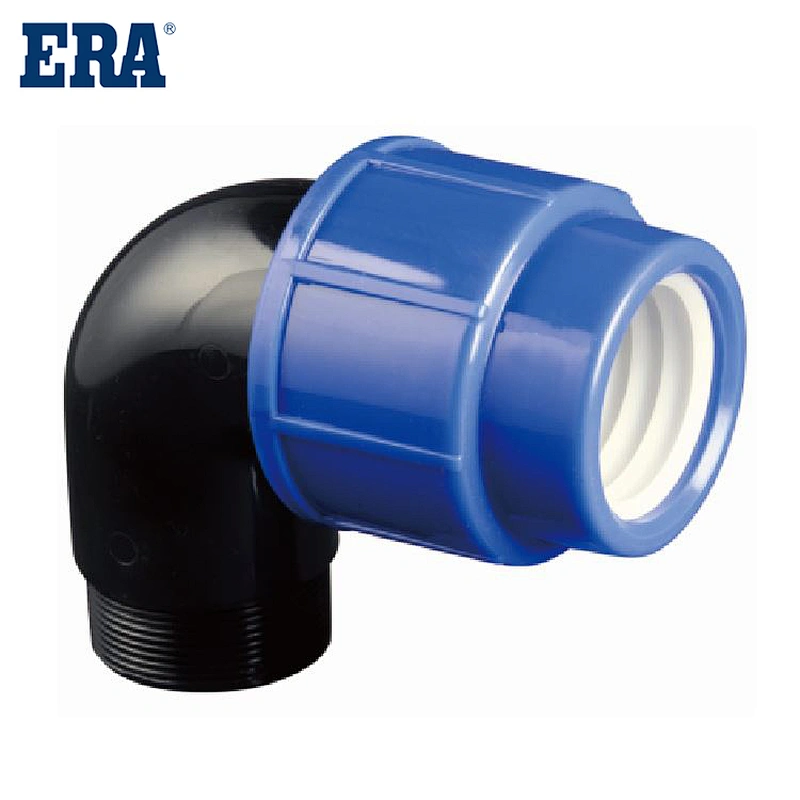
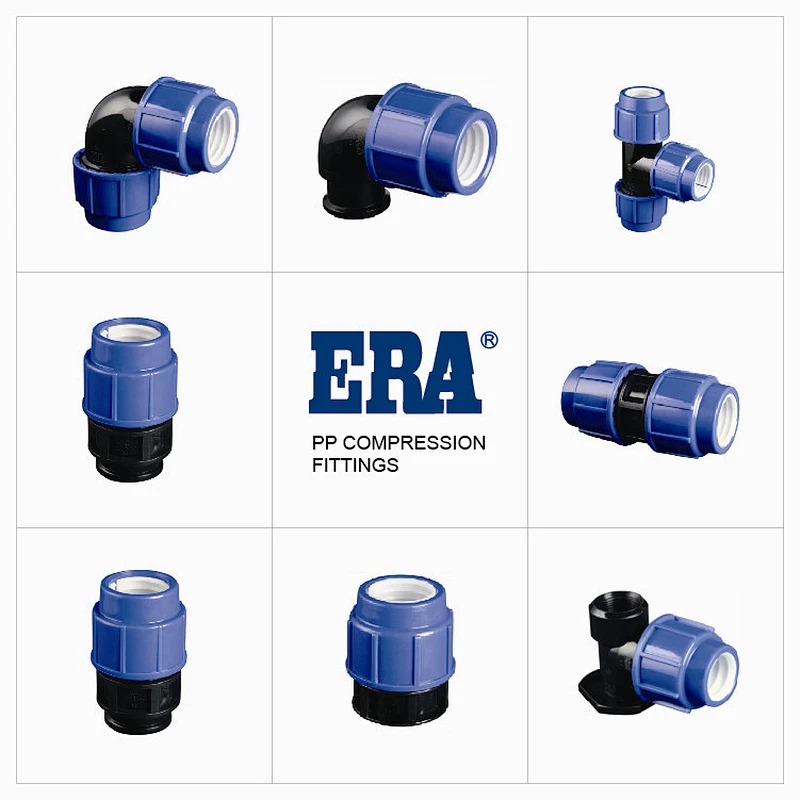
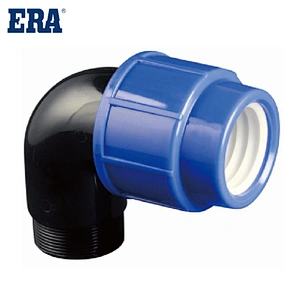
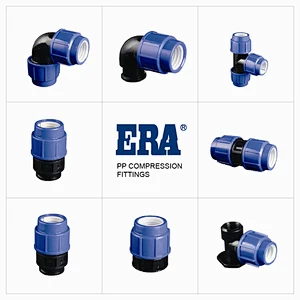
When installing a quick connector for PP pipes, please follow these steps:
1. First, determine if the diameters of the two PP pipes to be connected are the same.
2. Then, cut the water pipe and make both ends flat. Use a pipe cutter to slightly sand the edges.
3. Next, insert the quick connector by pushing the retaining ring inside the connector and then inserting the pipe into the connector hole.
4. Once the pipe is fully inserted into the connector, lift the retaining ring, flip it outward, and push it to the other end of the pipe to ensure stability of the connector.
5. Finally, tighten the quick connector by rotating it and then connect it to the faucet. If you hear a"click"sound, it means that the installation is successful.
It should be noted that after installation, check for any leaks. Only when there is no leakage can it be confirmed that the installation is complete and safe to use. In addition, it is important to choose the correct specifications and materials for the quick connector and install it correctly to ensure stability and safety of the water pipe.
In addition, when installing a quick connector forIn addition, when installing a quick connector for PP pipes, the following points should also be noted:
1. Avoid using too much force to tighten the connector, as this may cause damage to the connector or the water pipe.
2. Before connecting the faucet, please turn off the water source in advance to prevent water from splashing out.
3. For larger pipes and high-pressure water flows, it is recommended to use quick connectors with leak-proof design.
4. Regularly check whether the connector is loose or leaking, and replace damaged connectors in time.
5. If you are not sure how to properly install a quick connector for PP pipes, please seek help from professionals.
PP agricultural irrigation pipe is made of polypropylene (PP) material
The pipelines of Gohe are usually used in agricultural systems. District P has the following advantages:
1. Corrosion resistance: PP material is resistant to chemicals such as acid, alkali, and salt
It has good window resistance and can withstand harmful substances in construction, thereby extending the service life of pipelines.
2. Lightweight and easy to install: PP agricultural irrigation pipes are lightweight and convenient
For transportation and installation. In addition, the pipeline adopts a hot spring connection, which is easy to install and not prone to leakage.
3. High strength: PP agricultural irrigation pipes have high strength and rigidity, can withstand large pressures and external loads, and are not easily deformed or damaged.
4. Good insulation performance: PP material has good insulation performance, which can reduce the condensation of water and the occurrence of frost damage in pipelines.
5. Environmental protection: PP material is an environmentally friendly material that can be recycled and reused without causing pollution to the environment.
Overall, PP agricultural irrigation pipes are a high-quality and high-performance pipeline material suitable for various agricultural irrigation projects. When choosing PP agricultural irrigation pipes, it is recommended to choose reputable brands and manufacturers to ensure product quality and service reliability.
Performance and Application of PP Materials Polypropylene Forming Process Typical Application Range of PP Polypropylene
Automotive industry (mainly using PP with metal additives such as mudguards, ventilation pipes, fans, etc.), equipment (dishwasher door liners, dryer ventilation pipes, washing machine frames and covers, refrigerator door liners, etc.), daily consumer goods
Lawn and gardening equipment such as lawn mowers and sprinklers.
Process conditions for injection molding
Drying treatment: If stored properly, there is no need for drying treatment. Melting temperature: 220-275C, be careful not to exceed 275C.
Mold temperature: 40-80C, it is recommended to use 50C. The degree of product completion is mainly determined by the temperature of the mold. Injection pressure: can be as high as 1800 bar.
Injection speed: Typically, using high-speed injection molding can minimize internal pressure. If there are defects on the surface of the product, low-speed injection molding at higher temperatures should be used.
Runner and sprue: For cold runners, the typical runner diameter range is 4-7mm. It is recommended to use a circular injection port and flow channel. All types of gates can be used. The typical range of gate diameter is
1-1.5mm, but gates as small as 0.7mm can also be used. For edge gates, the minimum gate depth should be half of the wall thickness; The minimum gate width should be at least twice the wall thickness. PP material is completely usable
Hot runner system.
Chemical and physical properties: PP is a semi crystalline material. It is harder and has a higher melting point than PE. Due to the brittleness of homopolymer type PP at temperatures above 0c, many commercial PP materials are irregular copolymers with 1-4% ethylene added or clamp copolymers with higher ethylene content. Polymer type PP materials have lower thermal distortion temperature (100C), low transparency, low glossiness, and low rigidity, but they have stronger impact strength. The strength of PP increases with the increase of ethylene content. The Vicat softening temperature of PP is 150C. Due to its high yield, this material has excellent surface stiffness and scratch resistance. PP does not have environmental stress cracking issues. Usually, PP is modified by adding glass fiber, metal additives, or thermoplastic rubber. The flow rate MFR range of PP is between 1-40. PP materials with low MFR have better impact resistance but lower tensile strength. For materials with the same MFR, the strength of copolymer type is higher than that of homopolymer type. Due to the finished product, the shrinkage rate of PP is quite high, generally ranging from 1.8 to 2.5%. And the directional uniformity of shrinkage rate is much better than materials such as PE-HD. Adding 30% glass additive can reduce the shrinkage rate to 0.7%. Both homopolymer and copolymer type PP materials have excellent resistance to moisture absorption, acid and alkali corrosion, and dissolution. However, it has no resistance to aromatic solvents such as benzene and chlorinated solvents such as carbon tetrachloride. PP does not have the same antioxidant properties as PE at high temperatures.
Features:
Non toxic, odorless, with low density, and superior strength, stiffness, hardness, and heat resistance to low-pressure polyethylene. It can be used at around 100 degrees Celsius. It has good electrical performance and high-frequency insulation, which is not affected by humidity, but becomes brittle, wear-resistant, and prone to aging at low temperatures. It is suitable for making mechanical parts, corrosion-resistant parts, and insulation parts. Common acidic and alkaline organic solvents have little effect on it and can be used in tableware.
A thermoplastic resin produced by polymerization of propylene. There are three configurations of regular, irregular, and syndiotactic substances
Industrial products are mainly composed of regulated substances. Polypropylene also includes copolymers of propylene and a small amount of ethylene. Usually a semi transparent, colorless solid, odorless and non-toxic. Due to its regular structure and high degree of crystallization, the melting point reaches up to 167 ℃,
Heat resistance and steam disinfection are its outstanding advantages for products. With a density of 0.90g/cm3, it is the lightest universal plastic. Corrosion resistance, tensile strength of 30MPa, rigidity, and transparency are better than polyethylene. The disadvantage is poor low-temperature impact resistance and easy aging, but it can be overcome by modification and the addition of antioxidants separately.
Density
PP has the lowest density among all synthetic resins, only 0.90~0.91g/cm3, which is about 60% of the density of PVC. This means that if the same weight of raw materials are used, more products of the same volume can be produced.
FAQ:
1.What is your MOQ?
Our MOQ is usually 5 CTNS.
2.What is your delievery time?
The time of delievery is around 30-45days.
3.What is the shipping port?
We ship the goods via Ningbo or Shanghai port.
4.What is your payment terms?
We accept 30% T/T in advance,70% in the period of shipment or 100% L/C.
5.How should I contact you?
You can contact us with Trade Manager or send us an email by click Contact Supplier bottom.
6.What is the location of your company?
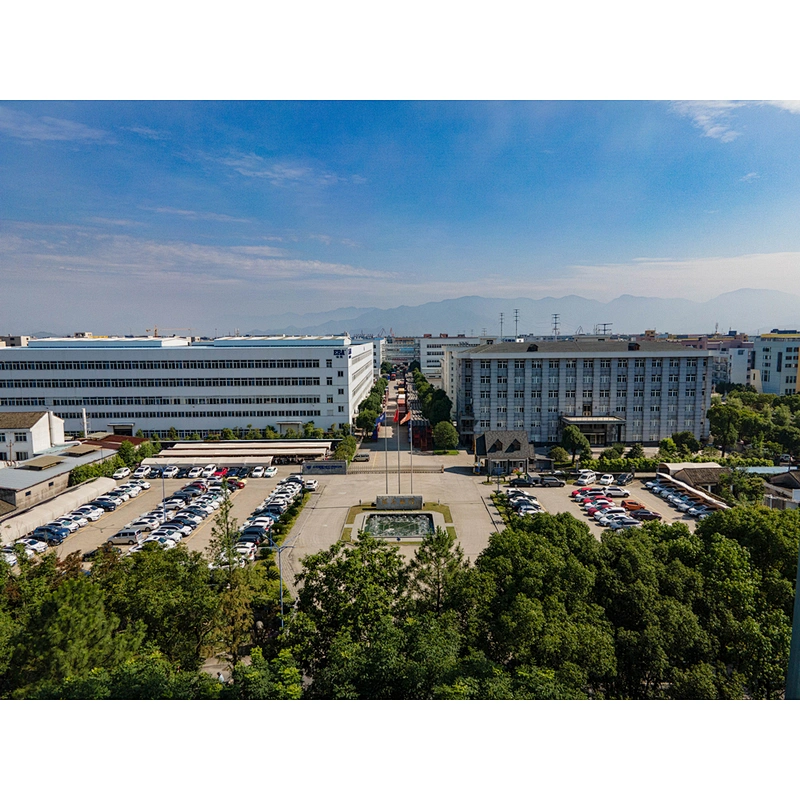
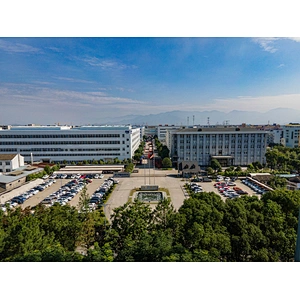
Our company is located in the Taizhou Zhejiang Province,China.
If you would like to have a visit, you are much welcome.
7.How about the samples?
We could send you the samples ,most samples are free to send to most places in China.If sent to other countries,transport fee shoule be paid by you.
8.Why choose us?
1 Genuine produces with excellent quality and competitive price.
2 Cooperating with the customers all over the world and knowing the markets very well.
3 ERA is a listed company. Everything can be rest assured working with us.
4 After- Services will be highly-satisfied. Any problems and feedbacks will be answered in a short of time.
Our Services:
1. Any inquiries will be replied within 24 hours
2. Professional manufacturer.
3. OEM is available.
4. High quality, standard designs, reasonable&competitive price, fast lead time.
5. Faster delivery: Sample will be prepared in 2-3days.
6. Shipping: We have strong cooperation with DHL, TNT, UPS, MSK, China Shipping, etc.
7. You can also choose your own shipping forwarder.


 English