How to match pipe fittings for pipes with different materials?
2023-05-30
Matching materials between pipes and pipe fittings is important to ensure compatibility and prevent issues such as leaks, corrosion, or damage to the plumbing system. Here are some guidelines to help you match materials effectively:
- Identify Pipe Material: Determine the type of pipe material you are working with, such as PVC, CPVC, copper, galvanized steel, or PEX. This information is crucial in selecting compatible fittings.
- Consider Material Compatibility: Different pipe materials have different chemical properties and may require specific types of fittings. Here are some common material combinations:
PVC/CPVC: These materials are usually paired with solvent-welded fittings specifically designed for them. Ensure that the fittings are labeled for use with PVC or CPVC pipes.
Here are the most commonly used fittings for PVC/CPVC pipes:
- Solvent-Welded Fittings: PVC and CPVC pipes are often joined using solvent-welded fittings. These fittings have a hub or socket end that fits over the pipe, and the connection is made by solvent welding or cementing. The solvent melts the pipe and fitting surfaces, allowing them to fuse together, creating a strong and leak-resistant joint. Solvent-welded fittings include:
Couplings: Connect two pipes of the same size together.
Elbows: Change the direction of the pipe at a 90-degree or 45-degree angle.
Tees: Allow branching of pipelines in different directions.
Reducers: Connect pipes of different sizes.
- Transition Fittings: In some cases, you may need to transition from PVC/CPVC pipes to a different material. Transition fittings are specifically designed for connecting PVC/CPVC pipes to other materials such as copper, PEX, or galvanized steel. These fittings typically have a PVC/CPVC end and a compatible end for the other material.
- Ball Valves: Ball valves are commonly used to control the flow of fluids in PVC/CPVC plumbing systems. They have a handle that rotates a ball with a hole in it, allowing or stopping the flow. Ball valves are available in various sizes and configurations, including threaded or solvent-welded ends.
- Check Valves: Check valves are used to allow fluid flow in one direction while preventing backflow. They are important for preventing water hammer and maintaining flow direction in PVC/CPVC systems. Check valves for PVC/CPVC pipes are typically available in swing, spring-loaded, or flapper styles.
- Unions: Unions are fittings that provide a removable connection point in the plumbing system, allowing for easy disassembly and reassembly during maintenance or repairs. PVC/CPVC unions typically consist of two halves with a nut and gasket for sealing the connection.
It's important to note that PVC and CPVC fittings are not interchangeable. CPVC fittings are specifically designed for CPVC pipes and are not compatible with PVC pipes due to the differences in their chemical compositions and heat resistance.
When selecting PVC/CPVC fittings, ensure that they are labeled and certified for use with PVC or CPVC pipes, respectively. Additionally, follow the manufacturer's instructions and recommended solvent cement for proper installation.
As always, consult with a professional plumber or refer to local building codes for specific recommendations and requirements for PVC/CPVC fittings in your area.
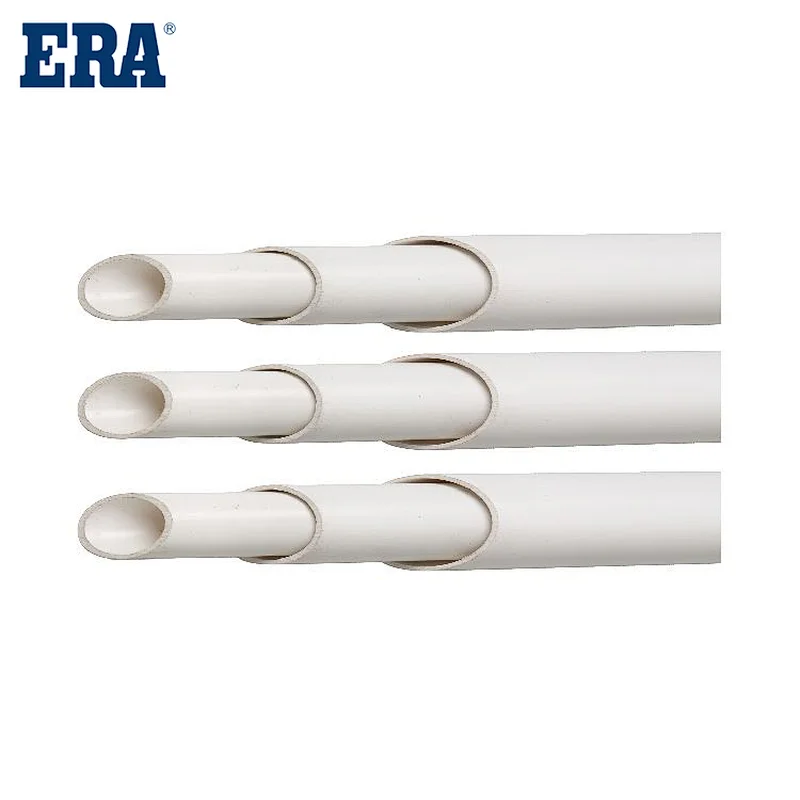
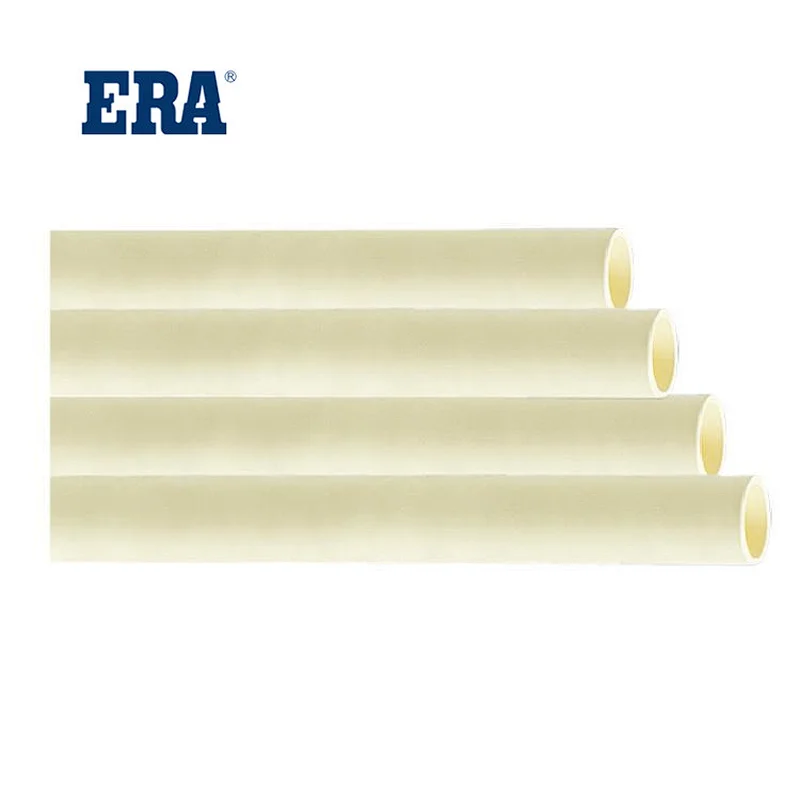
P1: PVC PIPE P2:CPVC PIPE
Copper: Copper pipes can be connected using soldered or compression fittings. Soldered fittings are typically made of copper or brass, while compression fittings have components made of brass or other compatible materials.
Here are some common fittings suitable for copper pipes:
- Soldered Fittings: Soldering, also known as sweating, is a common method for joining copper pipes. Soldered fittings are typically made of copper or brass and require heat and solder to create a secure joint. The most commonly used soldered fittings include:
Couplings: Connect two pipes of the same size together.
Elbows: Change the direction of the pipe at a 90-degree or 45-degree angle.
Tees: Allow branching of pipelines in different directions.
Reducers: Connect pipes of different sizes.
Adapters: Enable connections between copper pipes and pipes with different materials or end types.
- Compression Fittings: Compression fittings provide a mechanical connection without the need for soldering. They consist of a compression nut, a compression ring (also known as a ferrule), and a compression fitting body. These fittings are suitable for connecting copper pipes in various applications, including:
Couplings: Join two pipes together.
Elbows: Change the direction of the pipe.
Tees: Allow branching of pipelines.
Valves: Control the flow of liquids or gases.
- Push-Fit Fittings: Push-fit fittings, also known as push-to-connect or quick-connect fittings, offer a simple and convenient way to connect copper pipes without the need for tools or soldering. These fittings have a rubber O-ring and stainless steel gripping teeth that secure the pipe in place. Push-fit fittings are suitable for a range of copper pipe connections, including:
Couplings: Connect two pipes together.
Elbows: Change the direction of the pipe.
Tees: Allow branching of pipelines.
- Flare Fittings: Flare fittings are used for making connections to copper pipes that require high-pressure applications or gas lines. They consist of a flared end on the pipe and a fitting nut that compresses the flared end against a cone-shaped fitting body. Flare fittings are commonly used for gas appliances and HVAC systems.
- Sweat Fittings: Sweat fittings, also known as socket fittings, are similar to soldered fittings but have a socket or cup end that fits over the pipe. These fittings are typically used in larger copper pipe applications, such as water supply lines, where soldering is preferred.
It's important to select fittings that are specifically designed for copper pipes and are compatible with the specific type of copper (e.g., Type M, L, or K). Additionally, ensure that the fittings meet any applicable standards and certifications for plumbing installations.
Galvanized Steel: Galvanized steel pipes require fittings specifically designed for them. These fittings are typically made of galvanized steel or malleable iron.
Here are some common fittings for galvanized steel pipes:
- Threaded Fittings: Galvanized steel pipes often have threaded ends, allowing for easy connection using threaded fittings. These fittings typically have tapered or parallel threads that match the threads on the pipe. Common threaded fittings for galvanized steel pipes include:
Couplings: Join two pipes of the same size together.
Elbows: Change the direction of the pipe at a 90-degree or 45-degree angle.
Tees: Allow branching of pipelines in different directions.
Unions: Provide a removable connection point for maintenance or repairs.
Caps and plugs: Seal the end of a pipe.
- Flanged Fittings: Flanged fittings involve using flanges to connect the pipes. Galvanized steel pipes can have flanged ends for easier installation. Flanged fittings are commonly used in applications where there is a need for easy disassembly or if there are high-pressure or high-temperature conditions.
Flanges: Connect two pipes by bolting them together using gaskets for sealing.
- Welded Fittings: In some cases, galvanized steel pipes are joined using welded fittings. These fittings are welded to the pipe using a welding process like arc welding or oxy-acetylene welding. Welded fittings for galvanized steel pipes include:
Elbows: Change the direction of the pipe at a 90-degree or 45-degree angle.
Tees: Allow branching of pipelines in different directions.
Reducers: Connect pipes of different sizes.
- Transition Fittings: If you need to transition from galvanized steel pipes to a different material, specific transition fittings are available. These fittings have compatible ends for connecting galvanized steel pipes to other materials such as copper, PVC, or CPVC.
It's important to note that galvanized steel pipes are typically used for non-potable water applications or for external plumbing installations. For potable water applications, other materials like copper or plastic pipes are often preferred.
When selecting fittings for galvanized steel pipes, ensure that they are specifically designed for galvanized steel and are suitable for the intended application. Consider the size, thread type, and pressure/temperature ratings of the fittings to match the galvanized steel pipes accurately.
PEX: PEX pipes often use push-fit or compression fittings made of brass or other compatible materials. Ensure that the fittings are suitable for PEX connections.
Here are some common ones:
- Push-Fit Fittings: Push-fit fittings, also known as push-to-connect or quick-connect fittings, are widely used for PEX pipes. These fittings have a collet and O-ring mechanism that securely holds the pipe in place without the need for tools or soldering. Push-fit fittings are available in various configurations, including:
Couplings: Connect two PEX pipes together.
Elbows: Change the direction of the pipe.
Tees: Allow branching of pipelines.
Valves: Control the flow of liquids or gases.
Reducers: Connect pipes of different sizes.
- Crimp Fittings: Crimp fittings are designed to create a secure connection on PEX pipes using a crimping tool. These fittings consist of a brass or stainless steel fitting body and a copper or stainless steel crimp ring. Crimp fittings require a proper crimping tool to compress the crimp ring around the pipe, creating a leak-proof connection. Crimp fittings include:
Couplings: Connect two PEX pipes together.
Elbows: Change the direction of the pipe.
Tees: Allow branching of pipelines.
Valves: Control the flow of liquids or gases.
Reducers: Connect pipes of different sizes.
- Clamp (or Cinch) Fittings: Clamp fittings, also known as cinch fittings or stainless steel clamp (SSC) fittings, are another option for connecting PEX pipes. These fittings utilize a stainless steel clamp that is crimped onto the pipe using a specialized tool. Clamp fittings include:
Couplings: Connect two PEX pipes together.
Elbows: Change the direction of the pipe.
Tees: Allow branching of pipelines.
Valves: Control the flow of liquids or gases.
Reducers: Connect pipes of different sizes.
- Expansion Fittings: Expansion fittings are specifically designed for PEX-A (PEX type A) pipes, which are expandable. These fittings use an expansion ring that is expanded using a specialized tool. Once the ring is expanded, the PEX pipe is inserted, and as the ring contracts, it forms a secure and watertight connection. Expansion fittings include:
Couplings: Connect two PEX pipes together.
Elbows: Change the direction of the pipe.
Tees: Allow branching of pipelines.
Valves: Control the flow of liquids or gases.
Reducers: Connect pipes of different sizes.
It's important to select fittings that are specifically designed for PEX pipes and are compatible with the type of PEX you are using (PEX-A, PEX-B, or PEX-C). Additionally, ensure that the fittings meet any applicable standards and certifications for plumbing installations.
- Check Material Standards: Certain pipe materials may have specific standards or certifications that dictate the types of fittings to use. For example, copper pipes in some regions require fittings certified for potable water use. Consult local building codes or industry standards to ensure compliance.
- Consider Pressure and Temperature Ratings: Pipe fittings should be rated to withstand the operating pressure and temperature of the plumbing system. Ensure that the fittings you choose have appropriate ratings for your specific application.
- Avoid Mixing Dissimilar Metals: When connecting different materials, avoid mixing dissimilar metals directly. This can lead to galvanic corrosion, which can cause leaks and deterioration of the fittings and pipes. If necessary, use dielectric unions or transition fittings designed for connecting different metals.
- Seek Expert Advice: If you are unsure about the compatibility of pipe materials and fittings, it is recommended to consult with a professional plumber or a knowledgeable supplier. They can provide guidance based on their expertise and help you select the appropriate fittings for your specific needs.
By considering the pipe material, compatibility, standards, and expert advice, you can ensure a proper match between pipes and pipe fittings, promoting a reliable and long-lasting plumbing system.


 English