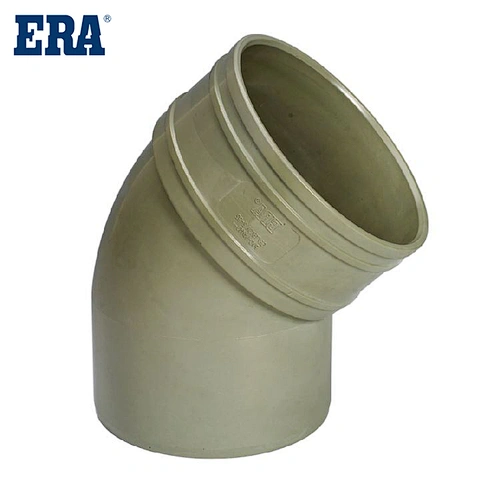
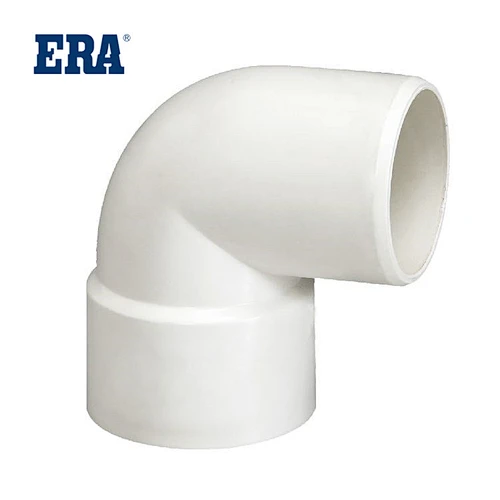
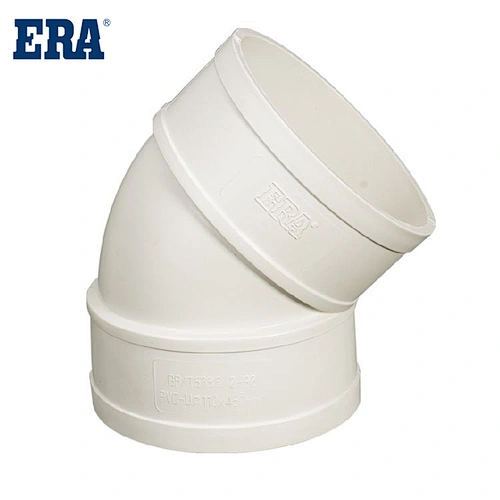
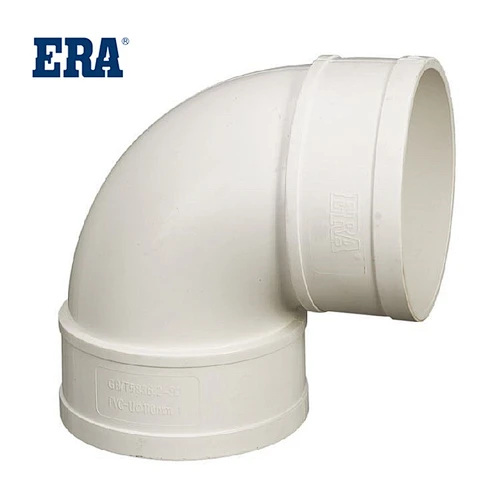
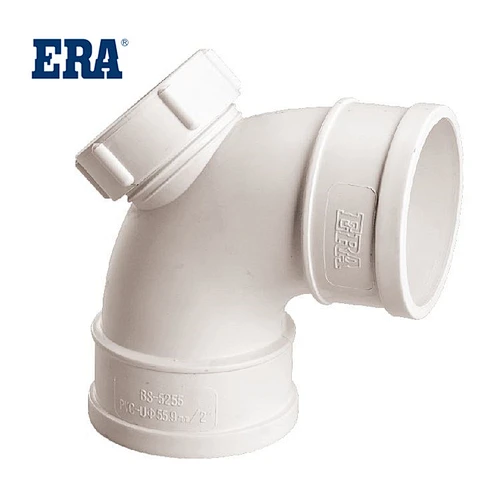
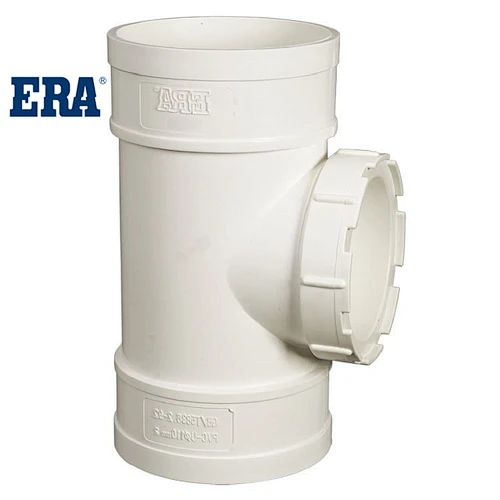
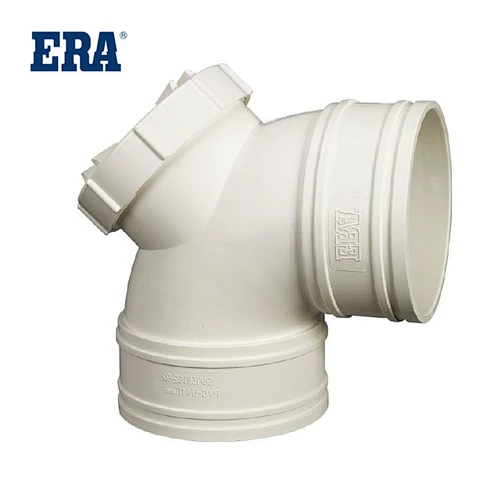
1. It is often used as indoor water supply and water system for civil buildings and industrial buildings.
2. PVC water supply pipes can also be used for buried water supply systems in residential areas and factories.
3, also used in urban water supply pipeline system.
4, the water treatment plant water treatment pipeline system also has the shadow of PVC water supply pipeline.
5, also appeared in mariculture industry.
6, PVC water supply pipeline is also yard irrigation, construction and other industrial pipelines.
Basic Overview
PVC (full name Polyvinyl chloride) is a type of polyvinyl chloride that is added with other components to enhance its heat resistance, toughness, and ductility. The top layer of this surface facial mask is paint, the main component in the middle is PVC, and the bottom layer is back coating adhesive. It is a beloved, popular, and widely used synthetic material in the world today. Its global usage ranks second among various synthetic materials. According to statistics, in 1995 alone, the production of PVC in Europe was about 5 million tons, while its consumption was 5.3 million tons. In Germany, the average production and consumption of PVC is 1.4 million tons.
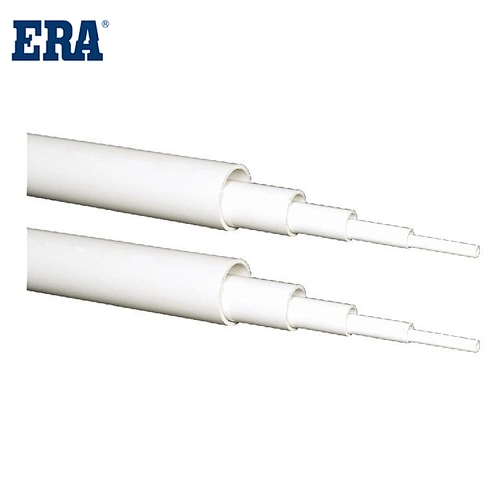
PVC pipe (PVC-U pipe) is a hard polyvinyl chloride pipe, which is formed by hot pressing with a combination of polyvinyl chloride resin, stabilizers, lubricants, etc. It is the earliest plastic pipe that has been developed and applied. PVC-U pipes have strong corrosion resistance, are easy to adhere, are inexpensive, and have a hard texture. However, due to the leakage of PVC-U monomers and additives, they are only suitable for water supply systems with a conveying temperature not exceeding 45 ℃. Plastic pipes are used for drainage, wastewater, chemicals, heating and cooling liquids, food, ultrapure liquids, mud, gases, compressed air, and vacuum systems.
PVC underground pipeline is a type of pipeline that is relatively resistant to compression and tension, and is mainly used to make water pipes. PVC underground pipeline is a very smooth pipeline, so its resistance to fluid is relatively small. PVC underground pipelines have certain corrosion resistance and pressure resistance. During construction, no anti-corrosion treatment is required and they have excellent water tightness. However, PVC underground pipelines also have drawbacks, as their thermal stability is relatively poor and they are prone to brittleness.
Standards for Australian water supply pipelines
In Australia, water supply pipelines need to comply with a series of standards, mainly including AS/NZS 4020, AS/NZS 4130, AS/NZS 2033 and other standards. These standards cover multiple aspects such as material, size, connection method, and pressure resistance of water supply pipelines, and are important basis for ensuring the quality and safety of water supply pipelines.
AS/NZS 4020 is a standard for product water quality safety, which requires that water supply pipelines and their connecting components must not have adverse effects on water quality under contact with water quality conditions to ensure the safety and hygiene of water sources and their components. This standard has important guiding significance for the production and use of water supply pipelines.
AS/NZS 4130 is a standard for polyethylene pipes, which specifies the requirements for the manufacturing, performance, size, connection, and other aspects of polyethylene pipes. This standard has guiding significance for the selection and use of polyethylene pipes, and can effectively ensure the stability and safety of water supply pipelines.
AS/NZS 2033 is a standard for galvanized steel pipes for water supply, which includes requirements for the material, surface conditions, production, size, length, weight, forging, bending, twisting, peeling, straightening, and other aspects of galvanized steel pipes for water supply. This standard plays an important regulatory role in the production and use of galvanized steel pipes for water supply, ensuring the normal operation of the water supply system.
How to choose the Australian standard water supply pipeline
When selecting the Australian standard water supply pipeline, it is necessary to choose according to the specific situation. Generally speaking, the selection should be based on various requirements such as the usage environment, usage situation, required flow rate and pressure of the pipeline. When choosing, it is important to choose products that meet relevant standards and make a selection based on the actual situation.
In addition, attention should also be paid to the selection of pipeline materials when making purchases. The common materials for water supply pipelines currently include PVC, polyethylene, galvanized steel pipes, etc. Different materials of pipes have their own advantages and disadvantages. When choosing, it is important to fully consider and choose the most suitable material.


 English