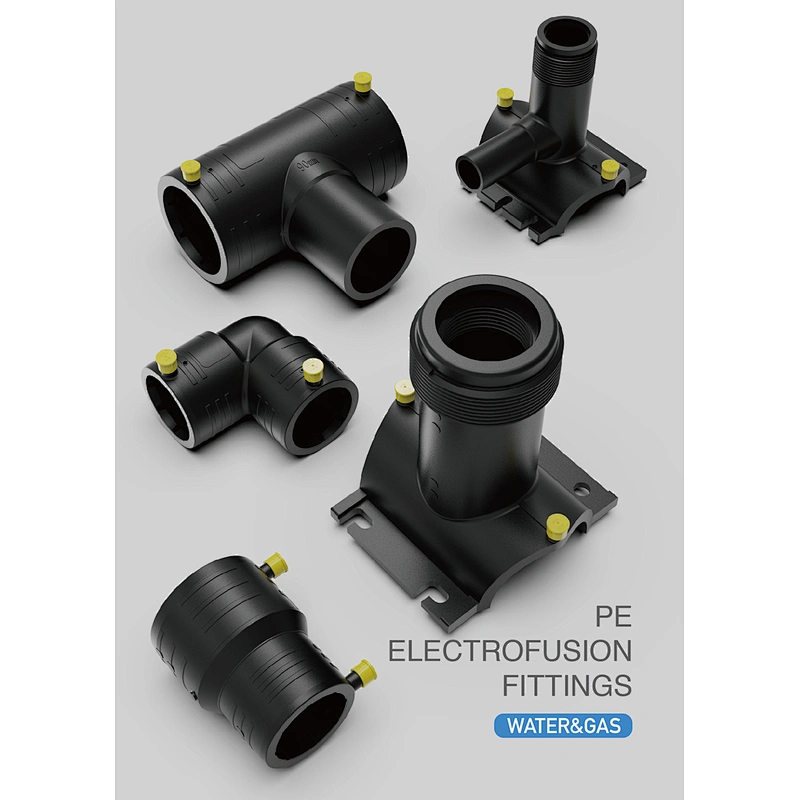
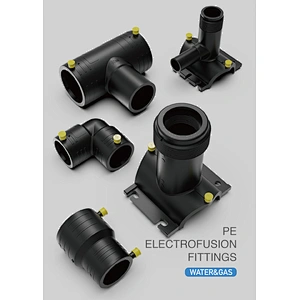
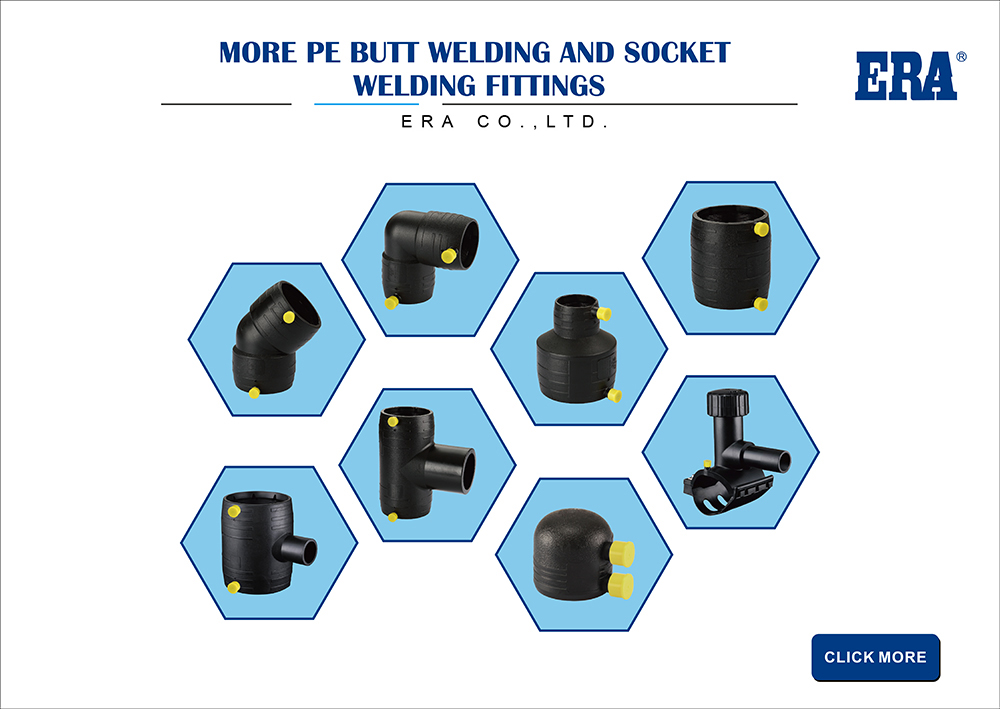
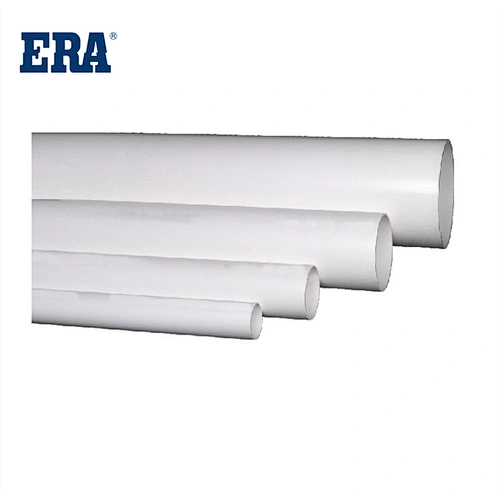
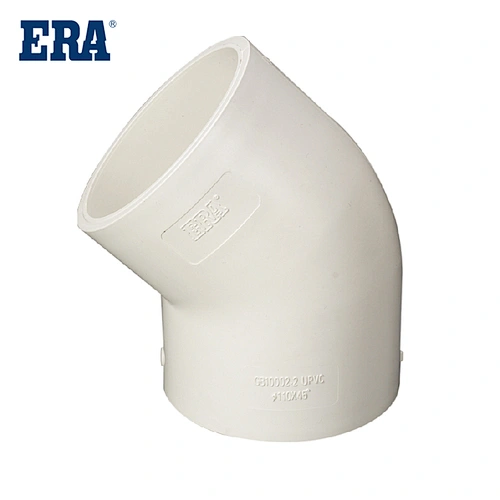
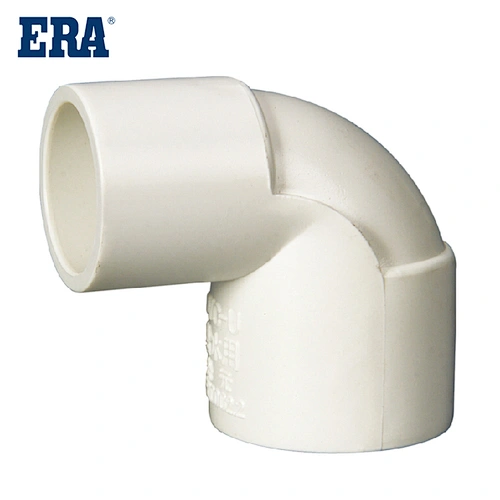
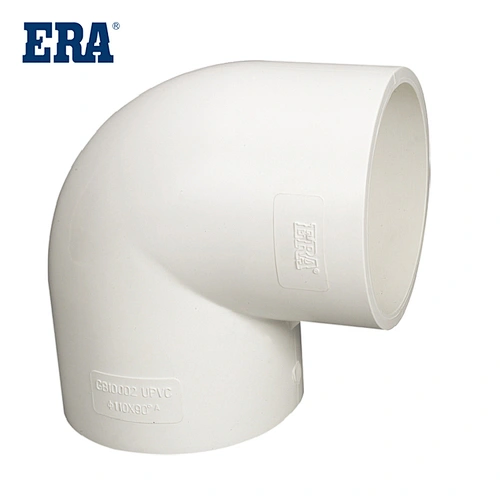
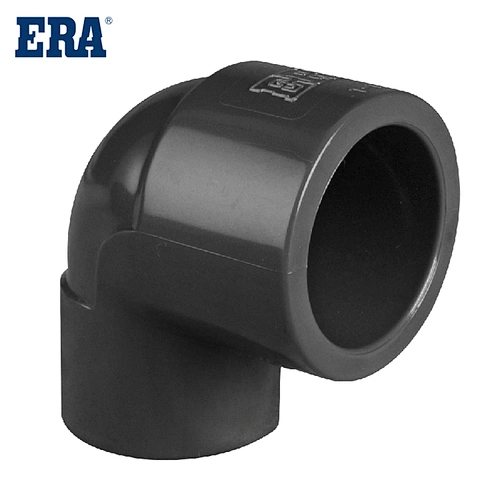
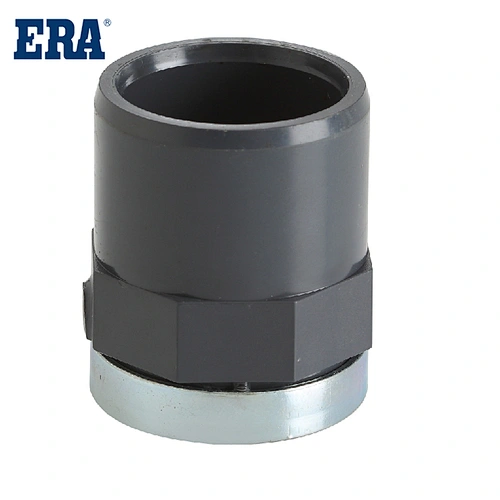
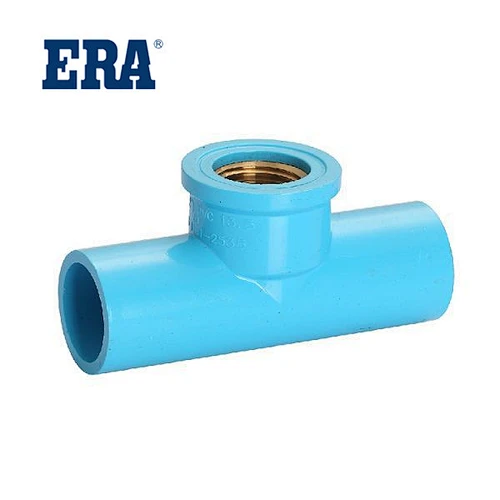
ERA Brand PE Electrofusion Fittings For Gas and Water Gas Pipe For GAS Supply System:PVC pipe system
Scope:HDPE pipe system is used across the globe for applications such as water mains, gas mains, sewer mains, slurry transfer lines, rural irrigation, fire system supply lines, electrical and communications conduit, and stormwater and drainage pipes.
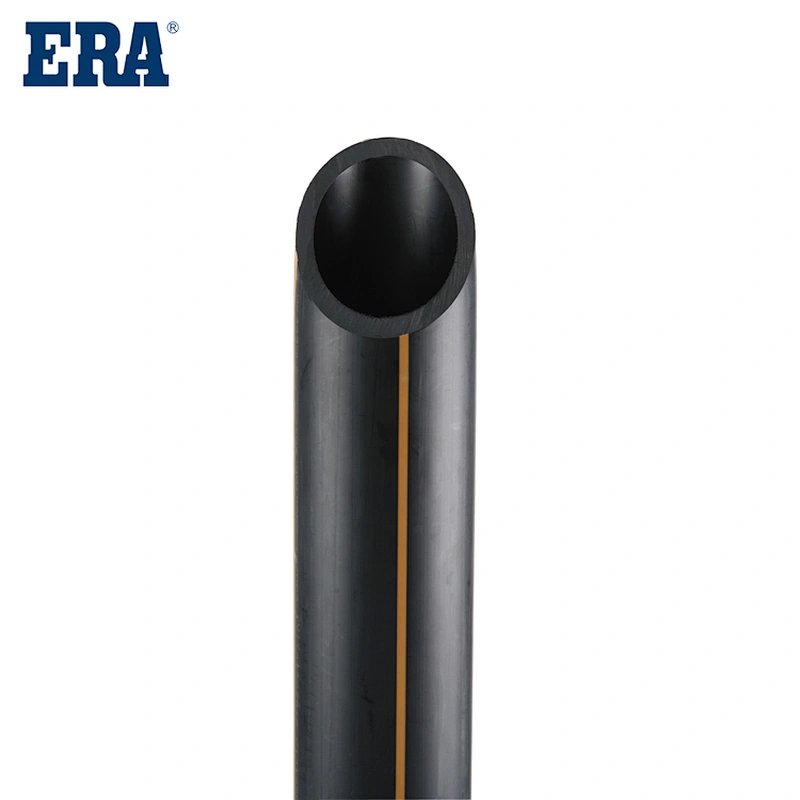
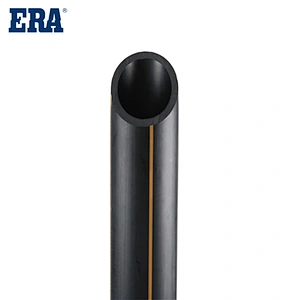
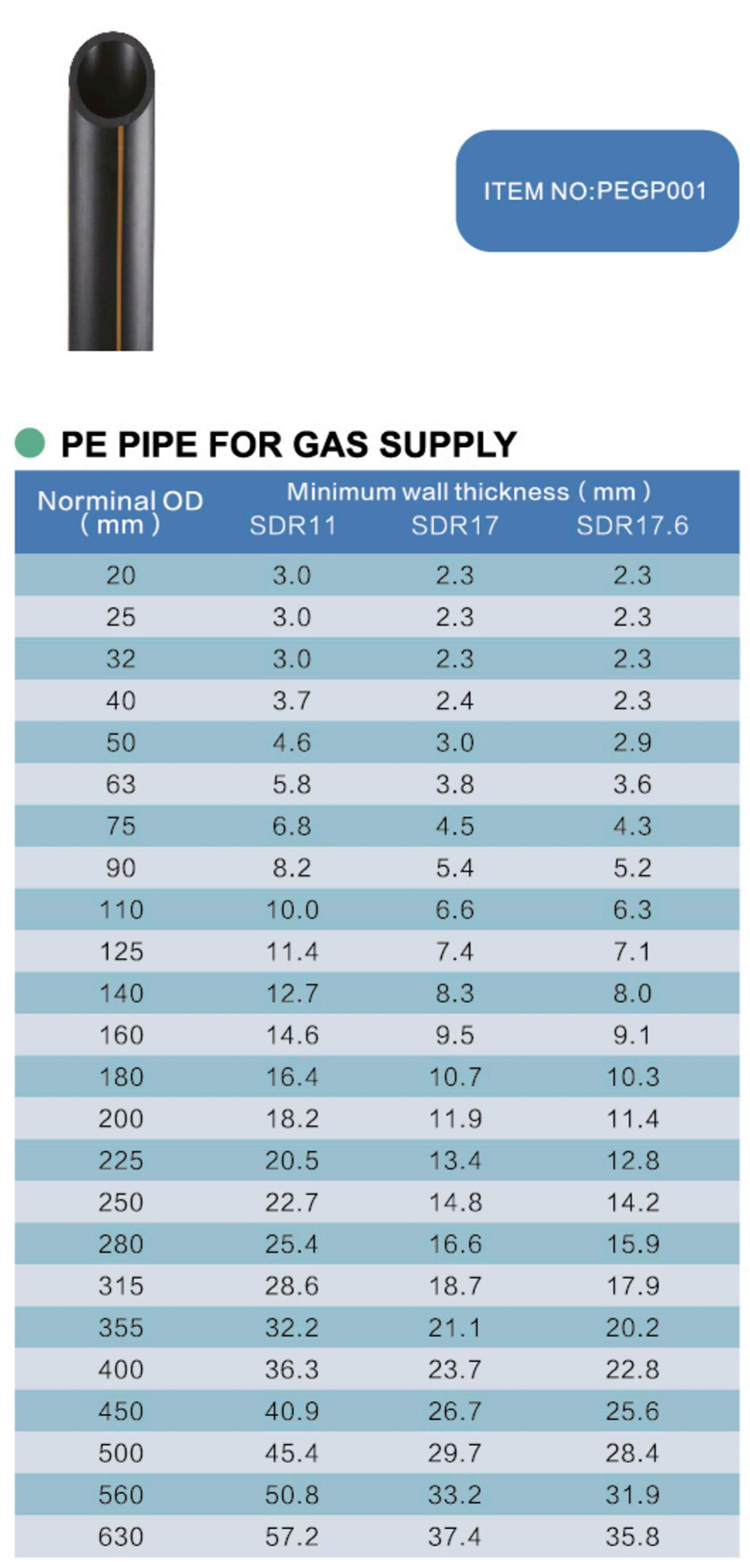
Referenced Standards:DIN STANDARD Specification: Model Number | PEGP001 | Material | PE | Description: | Gas Pipe For GAS Supply | Color: | black | Size: | 20--630mm | Certificate: | CE |
Summary of 12 Common PE (Polyethylene) Pipes and Their Corresponding Standards 1、 PE water supply pipe
【 Execution Standards】
GB/T 13663.2-2018"Polyethylene(PE) piping systemsfor water supply - Part 2: Pipes"is the core standard for this type of product, which specifies the material, size, mechanical properties, hygiene requirements, and testing methods for PE water supply pipes.
【 Product Features】
Belonging to pressure pipelines, the main performance indicators include nominal pressure (PN) and standard size ratio (SDR). Commonly used PE80 and PE100 grade raw materials, among which PE100 has higher long-term strength and resistance to environmental stress cracking. The pipeline adopts hot melt docking or electric fusion connection to ensure that the interface strength is consistent with the pipe body.
【 Application Fields】
Widely used in urban water supply and distribution networks, rural drinking water safety projects, indoor and outdoor water supply systems in buildings, and industrial water pipelines. Its characteristics of corrosion resistance, light weight, and convenient construction have gradually replaced traditional cast iron pipes and steel pipes. 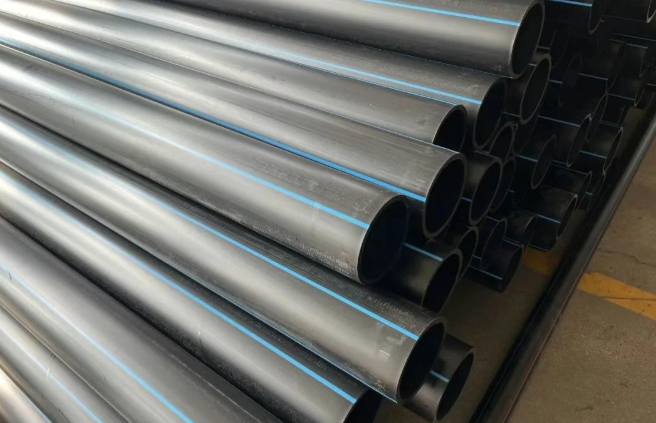
2、 PE drainage pipe (including rainwater pipe and siphon drainage pipe)
【 Execution Standards】
CJ/T 250-2018"High density polyethylene pipes and fittings for building drainage"is the main basis, which provides clear requirements for the physical and mechanical properties, ring stiffness, and connection methods of pipes.
【 Product Features】
Usually non pressure pipelines, with a focus on assessing ring stiffness (SN), commonly classified as SN4, SN8, SN12.5, etc., to resist external pressure loads. The pipe material is resistant to chemical corrosion, with smooth inner walls, low flow resistance, and is not easily scaled. Hot melt connection or socket connection can be used.
【 Application Fields 】
Suitable for municipal rainwater and sewage discharge systems, building drainage vertical and horizontal pipes, agricultural water conservancy drainage channels, and supporting pipe networks for sewage treatment plants.
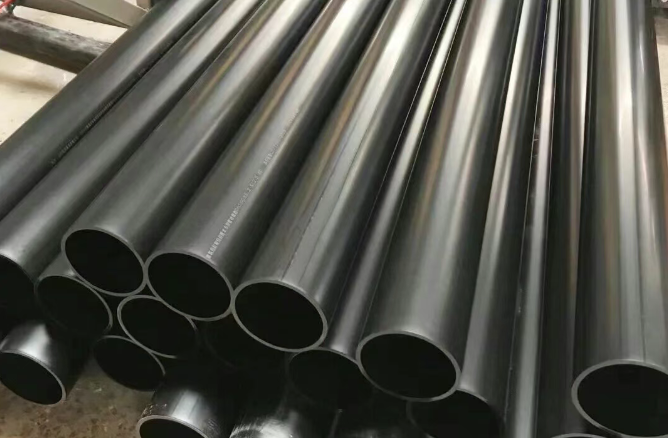
3、 PE steel wire mesh skeleton composite pipe
【 Execution Standards】
Simultaneously refer to GB/T 32439-2015"Steel Wire Mesh Reinforced Polyethylene Composite Pipes for Water Supply"and CJ/T 189-2007"Steel Wire Mesh Skeleton PE Pipe Materials and fittings".
【 Product Features】
Embedding high-strength steel wire mesh skeleton in PE pipes significantly improves the pressure bearing capacity and impact resistance of the pipes, while retaining the flexibility and corrosion resistance of PE. The working pressure can reach 1.6-3.5MPa, suitable for medium and high pressure systems. The connection method is mostly electric fusion sleeve connection.
【 Application Fields 】
Mainly used for urban water supply main pipelines, fire water supply systems, industrial fluid transportation, mining slurry transportation, etc., especially suitable for situations with complex terrain and high requirements for pipeline strength.
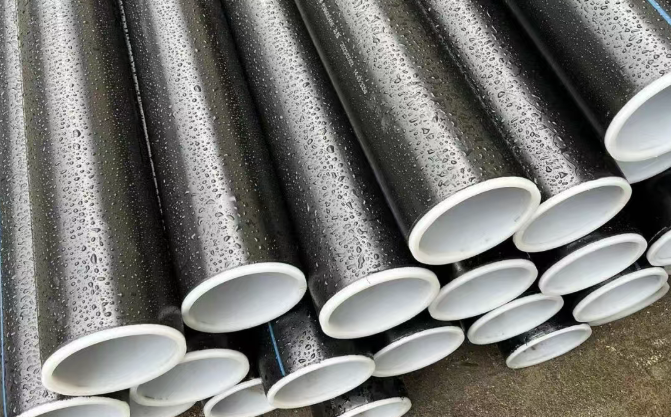
4、 PE gas pipe
【 Execution Standards】
Mainly following GB/T 15558.2-2023"Underground Polyethylene Pipeline Systems for Gas Use Part 2: Pipe Materials", for steel skeleton composite materials, refer to CJ/T 125-2014.
【 Product Features】
Must meet strict performance requirements for resistance to slow crack growth (SCG) and rapid crack growth (RCP). The material is generally PE100 grade, and a dedicated color bar (usually yellow or orange) is added to distinguish it. Steel skeleton composite materials enhance their pressure bearing capacity and deformation resistance through metal skeletons.
【 Application Fields 】
Specially designed for urban natural gas, liquefied petroleum gas and other gas transmission and distribution pipelines, including medium and low pressure buried pipelines and indoor gas pipelines.
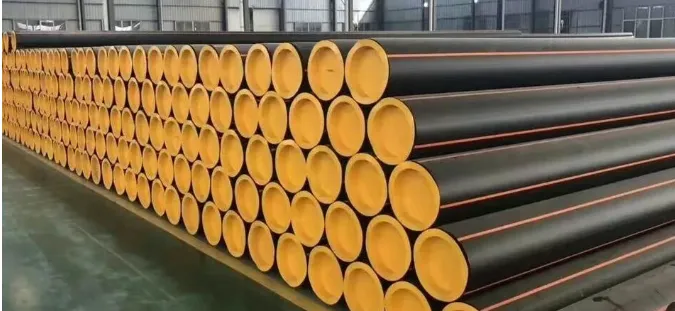
5、 PE mining pipe
【 Execution Standards】
Implementing MT 558.1-2005"Underground Coal Mine Pipes Part 1: Polyethylene Pipes"is a mandatory safety standard in the coal industry.
【 Product Features】
In addition to the conventional pressure requirements, it must have flame retardant (anti flame spread) and anti-static (surface resistance ≤ 1 × 10 ⁹ Ω) characteristics to prevent underground fires and electrostatic sparks. Black masterbatch is usually added to the tube body to resist ultraviolet radiation.
【 Application Fields 】
The underground water supply, drainage, compressed air, spraying, gas drainage, and ventilation systems in coal mines are important supporting materials for coal mine safety production.
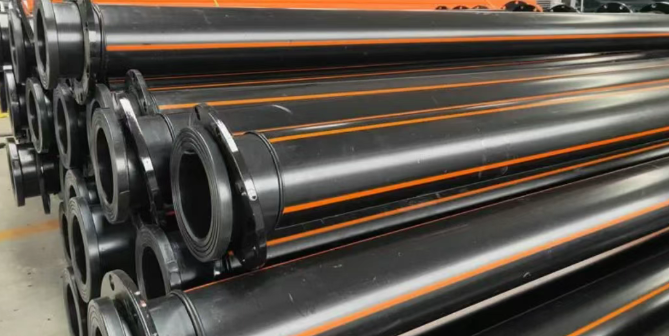
6、 PE double wall corrugated pipe
【 Execution Standards】
According to GB/T 19472.1-2019"Polyethylene structural wall piping systems for buried use - Part 1: Polyethylene double wall corrugated pipes".
【 Product Features】
The outer wall is a circular corrugated structure, and the inner wall is smooth, achieving a combination of high ring stiffness and lightweight. The stiffness level of the ring is generally SN4, SN8, SN12.5, etc. The weight is only 1/5 to 1/10 of the concrete pipe, and the construction efficiency is high. Commonly used socket type sealing ring connection.
【 Application Fields 】
Municipal underground drainage, rainwater pipe network, highway drainage, farmland irrigation drainage, and corrosive medium discharge in chemical industrial parks.
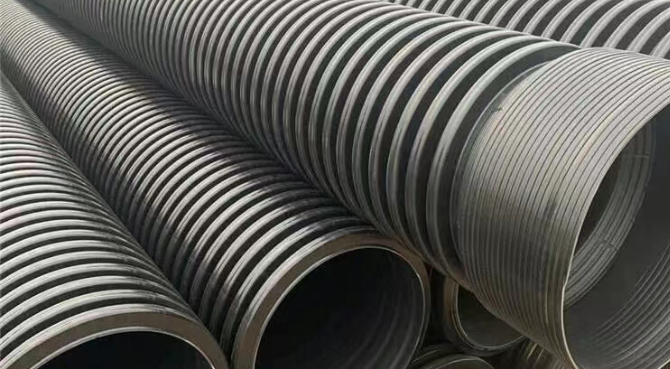
7、 Kra tube (PE wrapped structure wall tube type B)
【Execution Standards】
Follow GB/T 19472.2-2017"Polyethylene structural wall piping systems for buried use - Part 2: Polyethylene wrapped structural wall piping".
【Product Features】
By adopting the winding molding process, large-diameter pipes with a diameter of up to 4000mm can be produced. The ring stiffness can be customized according to design requirements (up to SN16). Adopting electric fusion welding or socket connection to achieve a fully enclosed system with excellent sealing performance.
【 Application Fields 】
Large caliber application scenarios such as large-scale municipal drainage, sewage treatment plant inlet and outlet pipes, rainwater regulation and storage systems, and industrial wastewater collection and transportation.
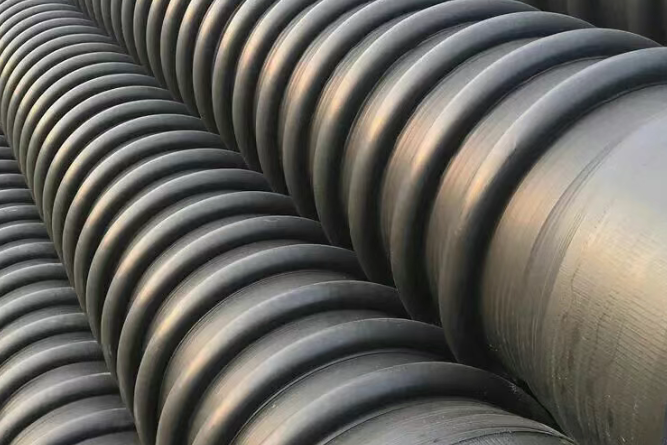
8、 PE silicon core pipe
【Execution Standards】
Implement GB/T 24456-2009"High Density Polyethylene Silicon Core Pipe".
【Product Features】
The inner wall is fused with a permanent solid silicone lubricating coating, with an extremely low friction coefficient (≤ 0.15), making it easy to blow and lay optical cables or cables. The outer wall has excellent compressive, impact, and environmental stress cracking resistance.
【 Application Fields 】
Underground protective sleeves for communication optical cables and cables are widely used in the backbone network and local area network construction of telecommunications, mobile, China Unicom and other operators, often combined with porous plum blossom pipes.
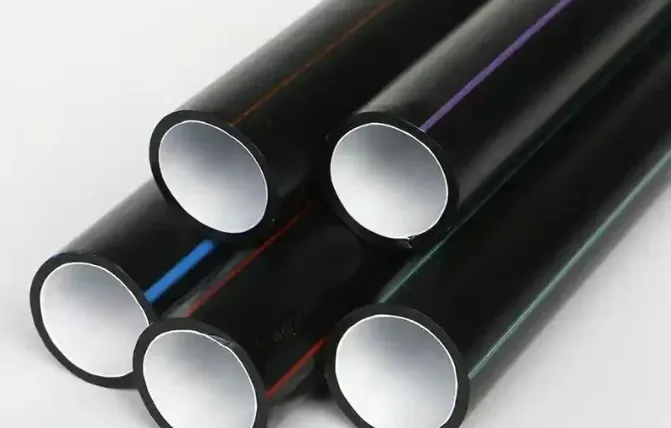
9、 PE-X cross-linked polyethylene pipe
【Execution Standards】
According to GB/T 18992.2-2003"Cross linked polyethylene piping systems for hot and cold water - Part 2: Pipes".
【Product Features】
Crosslinking polyethylene molecular chains through physical or chemical methods significantly improves heat resistance (up to 95 ℃ for long-term use) and creep resistance. According to the cross-linking process, it is divided into four categories: PE Xa (peroxide), PE Xb (silane), PE Xc (radiation), and PE Xd (azo). Non thermal fusion connection, mechanical fittings are required.
【 Application Fields 】
Building cold and hot water supply system, ground radiant heating system, solar hot water pipeline, and HVAC piping.
10、 PE-RT heat-resistant polyethylene pipe
【Execution Standards】
Follow GB/T 28799.2-2020"Heat resistant polyethylene piping systems for hot and cold water - Part 2: Pipes".
【Product Features】
The heat-resistant polyethylene raw material designed with special molecules has good long-term heat and pressure resistance without crosslinking. It is divided into PE-RT type I (medium density) and PE-RT type II (high density, stronger performance), which can be hot-melt connected, easy to construct, flexible, and easy to bend and lay.
【 Application Fields 】
Mainly used for low-temperature floor radiant heating systems (underfloor heating pipes), it is also suitable for cold and hot water pipes, radiator connecting pipes, etc. in buildings.
11、 PE double flat wall pipe
【Execution Standards】
Refer to CJ/T 329-2010"Buried Double Flat Wall Steel Plastic Composite Wrapped Drainage Pipe".
【Product Features】
The inner and outer walls are both smooth surfaces, and the structural strength is enhanced in the middle through spiral winding. Combining high ring stiffness (up to SN16), excellent impermeability, and lightweight. The connection methods are mostly electric fusion welding or socket seal ring connection.
【 Application Fields 】
Urban deep drainage and sewage main pipes, large rainwater storage tank inlet and outlet pipes, and supporting pipe networks for sewage treatment plants can replace traditional reinforced concrete pipes.
12、 PE reinforced pipe (steel strip reinforced spiral corrugated pipe)
【Execution Standards】
The commonly used industry standard is TCWEC 10-2019"Reinforced Polyethylene (PE) Composite Pipe".
【Product Features】
Embedding high-strength steel strips or reinforcing ribs into the PE pipe wall greatly improves the ring stiffness and axial strength while maintaining the corrosion resistance of the plastic pipe. The ring stiffness level is high (SN8-SN16), which can withstand deep soil loads and vehicle loads.
【 Application Fields 】
Suitable for municipal large-diameter drainage, sewage main pipes, comprehensive drainage systems for highways, airport and port drainage, and drainage pipelines in river treatment projects.
Detailed explanation of PE pipeline connection methods: hot melt docking vs. electric melt connection
In the construction of polyethylene (PE) pipeline systems, the choice of connection method directly affects the quality of the project, construction efficiency, and long-term operational reliability. As the two main connection technologies, hot melt docking and electric melt connection each have their unique advantages and applicable scenarios. This article will delve into the technical principles, characteristics, and application choices of these two connection methods. 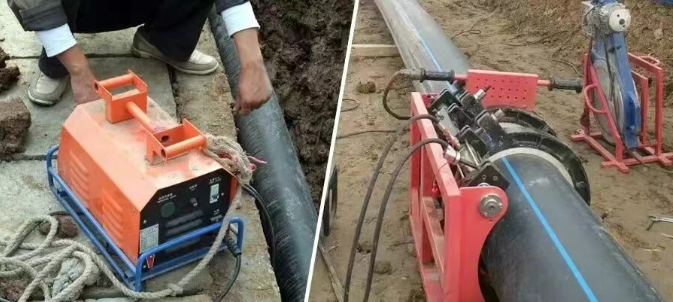
1、 Hot melt docking: integrated and sturdy interface technology
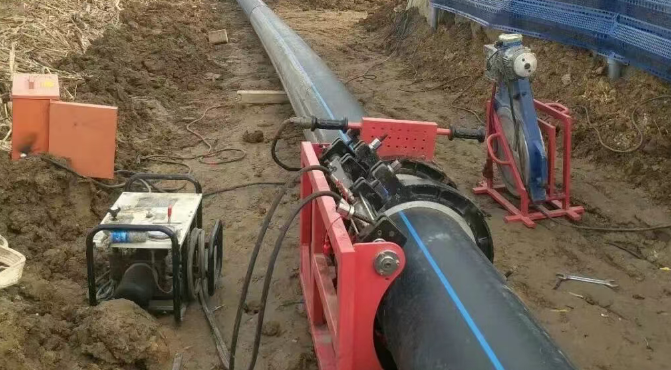
(1) Detailed explanation of working principle
Hot melt docking is achieved by heating the end faces of two pipes to be joined simultaneously using a dedicated heating plate. When the end faces of the pipes reach a molten state (the melting temperature of PE material is usually 210 ± 10 ℃), the heating plate is quickly removed and the two ends are joined and fused within a predetermined pressure and time. This process includes five key stages: clamping alignment → milling end face → heating and melting → switching docking → cooling and shaping. After cooling, a homogeneous structure is formed where molecular chains interpenetrate, and the interface and tube body are basically integrated.
(2) In depth analysis of process advantages
1. Excellent structural strength
The fusion zone forms a complete interwoven network of molecular chains, and the tensile strength, impact resistance, and pressure resistance of the interface can reach more than 90% of the pipe body
Specially suitable for high-pressure water and gas transmission main pipelines with working pressure ≥ 1.0MPa
Excellent creep resistance during long-term operation, with a lifespan that is basically synchronized with the pipe itself
2. Significant economic benefits
Equipment investment is relatively fixed: a complete set of docking welding machines (including hydraulic system, heating plate, milling cutter, etc.) costs between 20000 and 80000 yuan
No need for additional fittings: Especially in large-diameter (DN400 and above) pipelines, it can save more than 50% of connection costs compared to electric melting fittings
Low maintenance cost: The interface does not require special maintenance, and later inspection is relatively simple
3. Hydraulic performance optimization
After welding, the inner wall transitions smoothly without any protrusions or depressions, and the local resistance coefficient is close to zero
For long-distance transportation pipelines, it can significantly reduce head loss along the way and save pumping energy consumption
Long term operation is not prone to sedimentation and maintains stable water transport capacity
4. Characteristics of construction efficiency
For large-diameter pipelines DN200-DN1200, the welding time for a single port is about 15-45 minutes
Suitable for long-distance straight-line installation in the wild, capable of completing 30-50 interfaces per day (depending on the pipe diameter)
(3) Technical limitations and challenges
1. Environmental adaptability limitations
Temperature requirements for homework: Insulation measures should be taken when the ambient temperature is below 5 ℃, and construction is generally not recommended below -10 ℃
Wind and rain impact: Wind speeds exceeding 8m/s or rainy or snowy weather require the construction of windproof and rainproof shelters
Space requirements: The width of the operation site should be at least three times the diameter of the pipe, and the depth should meet the requirements for placing the welding machine
2. High requirements for process control
Key parameter control: Accurate control of heating temperature (± 5 ℃), heating time (± 2 seconds), and docking pressure (± 0.02MPa) is required
Personnel qualification requirements: Operators must undergo professional training and hold certificates before taking up their posts, and must possess the ability to identify defects
Equipment maintenance requirements: Regular inspection of heating plate coating and monthly calibration of hydraulic system
3. Strict requirements for pipe matching
Must be pipes of the same material, specifications, and SDR series
The ellipticity of the pipe mouth should be controlled within 1.5% of the pipe diameter
The requirement for end face cleanliness is high, and any contamination may cause welding defects
(4) Key points of quality control
Welding process qualification: Destructive tests (tensile, bending, slicing inspection) must be conducted before formal construction
Process monitoring: Record all welding parameters and keep them for at least 10 years
Non destructive testing: The sampling ratio for ultrasonic testing or X-ray testing shall not be less than 5%
Appearance inspection: The welding ring should be evenly symmetrical, and the height and width should meet the specifications
2、 Electric fusion connection: an intelligent and flexible connection solution
(1) Deepening the working principle
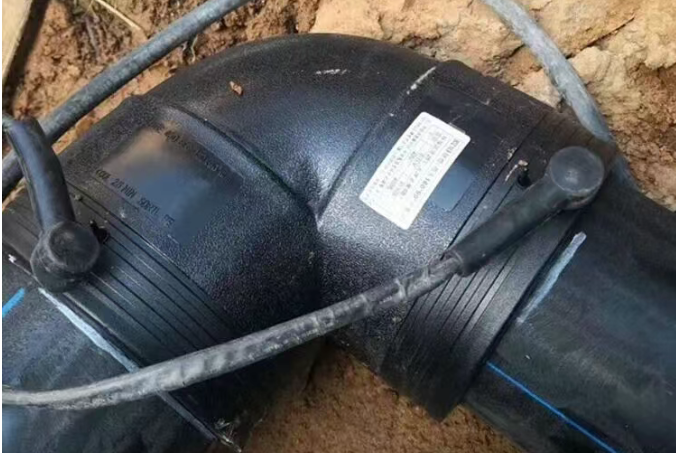
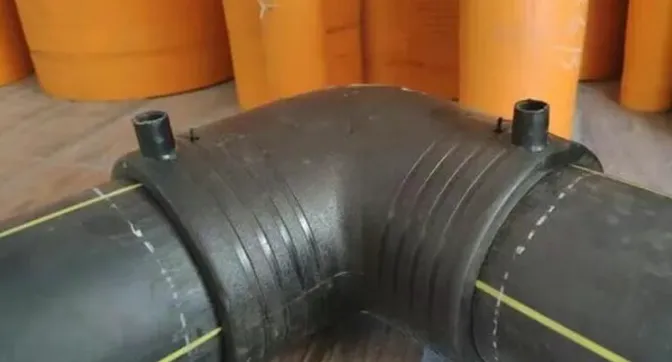
Electric fusion connection utilizes electric fusion fittings (sleeves, elbows, tees, etc.) with built-in precision resistance wires. Through a dedicated electric fusion welding machine, precise control of current and time is applied to the resistance wire, causing the inner surface of the fitting to melt simultaneously with the outer surface of the inserted pipe. After pressure holding and cooling, a firm connection is formed. The entire melting process is intelligently controlled by automatically reading parameters through barcodes on the pipe fittings.
(2) Comprehensive analysis of technological advantages
1. Extremely adaptable to construction
Lightweight equipment: The weight of the electric fusion welding machine usually does not exceed 15kg, making it suitable for working in small spaces
Small space requirement: The minimum operating space only requires 1.5 times the pipe diameter
Less environmental restrictions: Construction can be carried out within the range of -10 ℃ to 40 ℃, with only wind and rain protection measures in place
All weather capability: Night construction lighting requirements are relatively low
2. High degree of process automation
Automatic parameter reading: barcode scanning automatically sets current, voltage, and time parameters
Process automatic control: automatic compensation for voltage fluctuations during welding process
Automatic data recording: stores welding parameters and can be transmitted via Bluetooth
Automatic error diagnosis: The device has fault self checking and alarm functions
3. Excellent connection compatibility
Material compatibility: Can connect PE materials of different grades but with similar melt indices
Flexible specifications: Different diameter pipes can be connected through variable diameter fittings
Wall thickness adaptation: high tolerance for differences in pipe wall thickness
Alien connection: convenient for implementing complex connections such as branching, direction change, and diameter change
4. Applicability to special scenarios
Emergency repair project: pressurized opening branch, non-stop water maintenance
Repair task: Rapid repair of local pipeline damage
Renovation project: Connection of old and new pipes in the renovation of old pipeline networks
Underwater construction: specially designed underwater electric fusion connection technology
(3) Technical limitations and precautions
1. Economic considerations
High cost of fittings: The price of electric melting fittings is about 2-4 times that of ordinary fittings of the same specification
The cost of large-diameter pipes has increased dramatically: the cost of DN400 and above electric melting pipe fittings has increased exponentially
Total cost sensitivity: For long-distance straight pipelines, connection costs may account for over 30% of the total material cost
2. Performance characteristics of joints
Slightly low strength: The fusion zone is concentrated between the outer wall of the pipe and the inner wall of the pipe, and the overall integrity is weaker than that of butt welding
Long term creep: Under the long-term action of high pressure and high temperature, small creep deformation may occur
Stress concentration: There may be slight stress concentration at the edge of the pipe fitting
3. Key points of process control
The cleanliness requirement is extremely high: a dedicated scraper must be used to remove the oxide layer, and welding must be completed within 30 minutes after cleaning
Moderate requirement: The insertion depth of the pipe must be precise, with a deviation not exceeding ± 1mm from the marking line of the pipe fitting
Cooling control: After welding, it must be fully cooled naturally, and forced cooling is strictly prohibited
(4) Quality assurance measures
Material acceptance: Check the resistance value of the pipe fittings and the uniformity of the distribution of resistance wires
Process control: 100% record welding parameters, including ambient temperature, voltage fluctuations, etc
Cooling supervision: Establish a cooling protection period to prevent the joint from being affected by external forces during the cooling period
Effect verification: Observe the height of the protrusion of the observation hole and perform a cutting inspection if necessary
3、 Comparison and Selection Guide for Application Scenarios
(1) Select by project type | Engineering Type | Recommended connection method | Key considerations | remark | | Municipal main pipeline network (DN ≥ 400) | Hot melt docking (90%) | Economy, long-term reliability, hydraulic performance | Priority should be given to butt welding for straight sections | | Residential water distribution network (DN110-DN315) | mixed use | Flexibility, construction efficiency, cost balance | Supervisor docking, branch electric melting | | Indoor water supply system (DN ≤ 63) | Electric fusion connection (80%) | Space limitations, convenient construction, and aesthetic requirements | Preferred residential building | | Gas transmission and distribution pipeline | Mainly based on hot melt docking | Safety and long-term sealing | High voltage main pipes must be butt welded | | Underground pipelines in mines | Mainly electric fusion connection | Narrow space and explosion-proof requirements | Explosion proof electric fusion welding machine is required | | Emergency repair project | Electric fusion connection (95%) | Quick response, minimal excavation, no downtime | Equipped with fast curing materials |
(2) Select by pipe diameter range
1. Small diameter pipeline (DN20-DN63)
Strongly recommend electric fusion connection: small operating space, limited increase in pipe cost
Difficulty in hot melt docking: Small pipe diameter makes it difficult to align, and extremely high precision is required for heating control
Typical applications: indoor water supply branch pipes, gas inlet pipes, solar energy system pipelines
2. Medium caliber pipeline (DN75-DN315)
Economic equilibrium interval: Both methods are acceptable and require comprehensive evaluation
Advantages of hot melt docking: straight pipe section, prefabricated pipe section
Advantages of electric fusion connection: complex nodes, renovation projects, and space limited areas
Decision factors: Construction environment>Economy>Long term performance
3. Large diameter pipelines (DN350 or above)
Priority hot melt docking: significant economic differences, more reliable performance
Electric fusion connection restrictions: Manufacturing electric fusion fittings with a diameter of DN600 or above is difficult and costly
Special case: Partial use of electric fusion connection in crossing engineering and pipe jacking engineering
(3) Select based on environmental conditions
1. Working in narrow spaces
Pipe trench width < pipe diameter × 2: priority electric melting
The size of the work pit is limited: electric melting is required
Indoor, pipe gallery, tunnel: choose according to space
2. Special climatic conditions
Low temperature environment (below -5 ℃): Electric fusion connection has better adaptability, but requires preheating
Strong wind environment: Wind shelters are required for hot melt docking, and electric melting is less affected
Damp environment: Both methods require moisture-proof measures, and special attention should be paid to electric melting equipment
3. Complex geological conditions
Soft soil foundation: Hot melt docking requires strengthened support to prevent deformation during cooling
Rock formation: Electric fusion connection is more adaptable to uneven support
Earthquake prone areas: it is recommended to use a more flexible electric fusion connection system 4、 Engineering Quality Assurance System
(1) Personnel qualification management
Hot melt butt welder: must pass special training and assessment, hold a certificate to work, and undergo annual re examination
Electric melting operators: need to master equipment operation, parameter identification, and fault handling
Quality inspector: capable of identifying welding defects and familiar with acceptance standards
(2) Equipment management requirements
Regular calibration: Heating plate temperature is calibrated monthly, pressure gauge is calibrated quarterly
Daily maintenance: Check the equipment status before and after each use, and establish maintenance records
Spare parts management: Maintain reasonable inventory of key spare parts (heating plates, milling cutters, etc.)
(3) Key points of process control
Welding Procedure Specification: Develop a specialized WPS (Welding Procedure Specification) for each project
First article inspection: destructive testing shall be conducted for the first construction of each specification and connection method
Inspection system: The quality officer conducts daily inspections, focusing on checking the quality of the corresponding parts, heating time, and cooling protection
(4) Acceptance criteria and methods
Appearance acceptance: uniformity of welding rings, alignment, completeness of markings
Pressure test: Strength test and tightness test must be qualified
Non destructive testing: Ultrasonic or X-ray spot checks are used for important projects
Archive management: Complete archiving of welding records, inspection reports, and acceptance documents
5、 Development Trends and Technological Innovation
(1) Intelligent development
IoT welding equipment: Real time uploading of welding data to cloud platform for remote monitoring
Artificial Intelligence Quality Inspection: Automatic Welding Quality Evaluation System Based on Image Recognition
AR assisted construction: using augmented reality technology to guide the setting of neutralization parameters
(2) Application of new materials
New type of electric melting pipe fittings: developing composite material pipe fittings with lower cost and higher performance
Fast curing material: a special fast curing PE material suitable for emergency repairs
Application of memory alloy: intelligent connection technology with self-regulation and self compensation
(3) Process integration innovation
Composite connection technology: a composite process of hot melt and electric melt, balancing strength and convenience
Robot Welding: Automated Welding Robots for Narrow Spaces and Dangerous Environments
Modular prefabrication: Factory prefabricated pipe sections, quick on-site assembly and connection
6、 Conclusion and Suggestions
Hot melt docking and electric melt connection have irreplaceable values in PE pipeline construction, and the following factors need to be systematically considered when selecting:
Primary decision-making factor:
Safety and reliability requirements: High pressure and important pipelines should be prioritized for hot melt docking
Engineering economy: Priority is given to hot-melt docking for long-distance large-diameter pipelines
Construction condition limitations: Priority should be given to electric fusion connection when the space is narrow and the environment is complex
Post maintenance considerations: It is recommended to use more reliable hot melt docking for parts that are difficult to repair
Best practice recommendations:
Establish a project specific connection process selection matrix to quantitatively evaluate various factors
Large scale projects adopt a hybrid connectivity strategy to leverage their respective advantages
Invest in personnel training and equipment updates to enhance the level of process control
Establish a comprehensive engineering quality traceability system to ensure long-term operational safety
Driven by both technological progress and engineering demands, PE pipeline connection technology is developing towards a more intelligent, reliable, and economical direction. The correct selection and application of connection methods not only affect the quality of individual projects, but also impact the lifecycle cost and operational reliability of the entire pipeline system.
|


 English