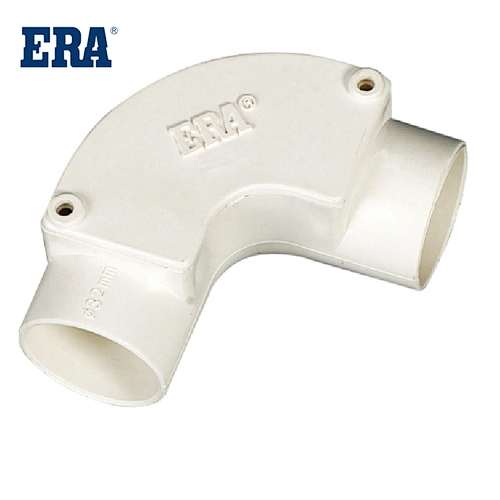
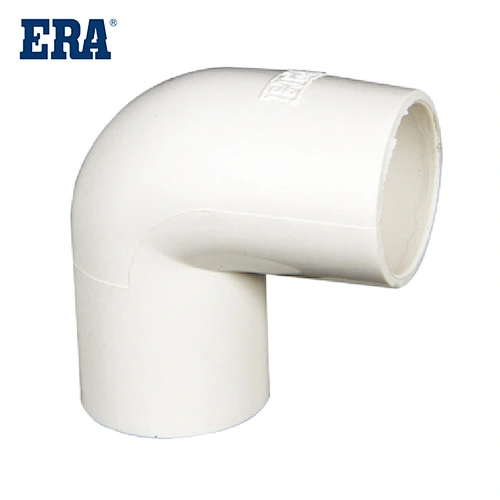
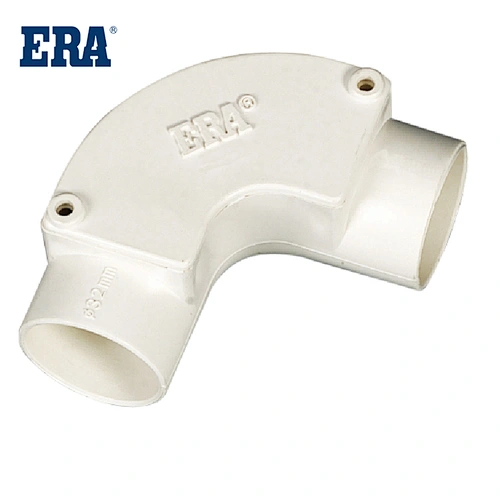
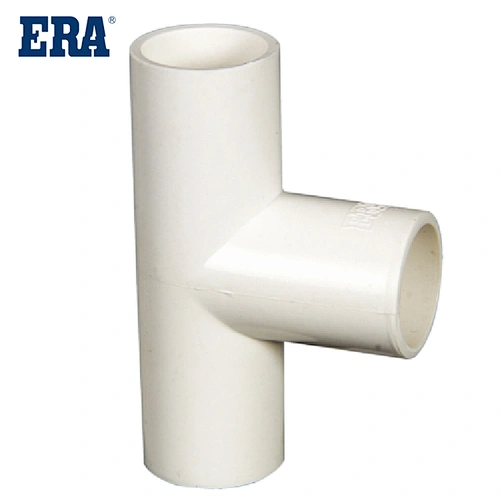
Specification:
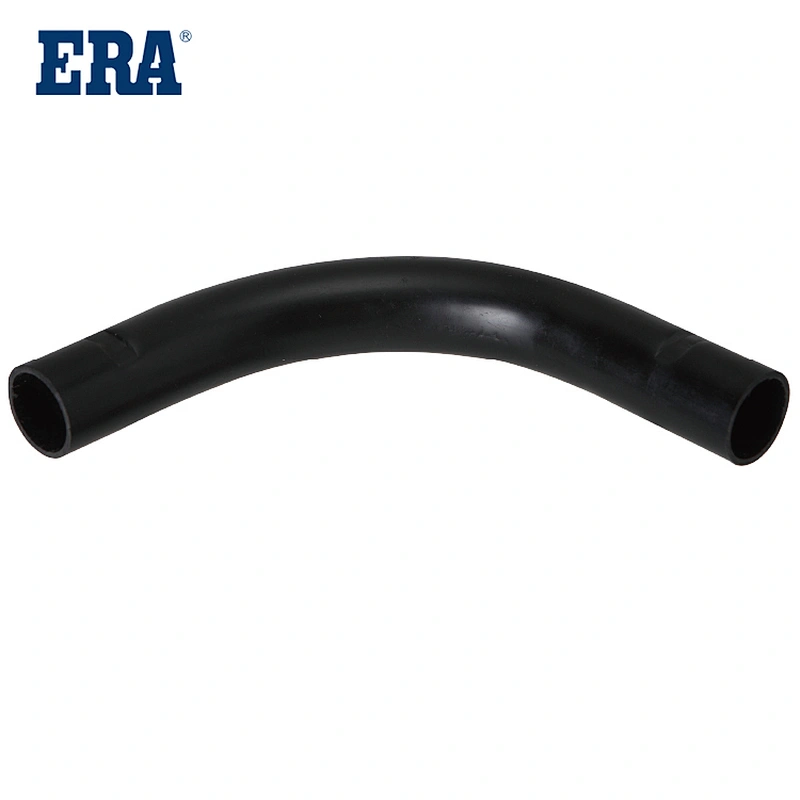
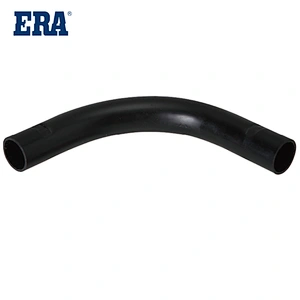
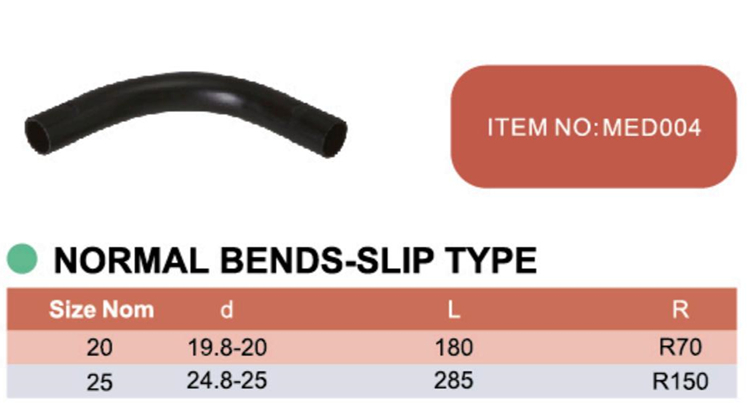
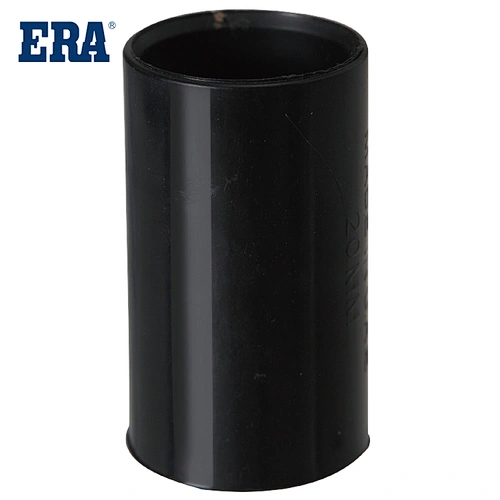
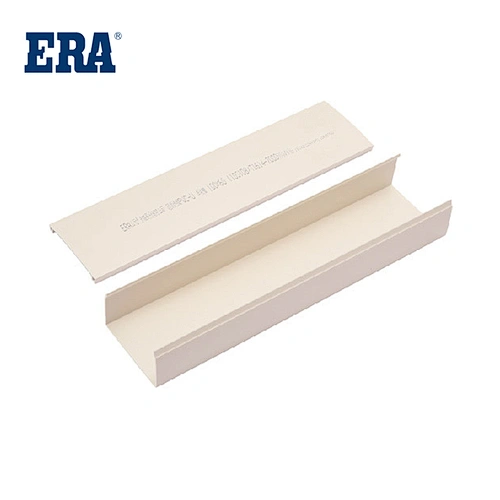
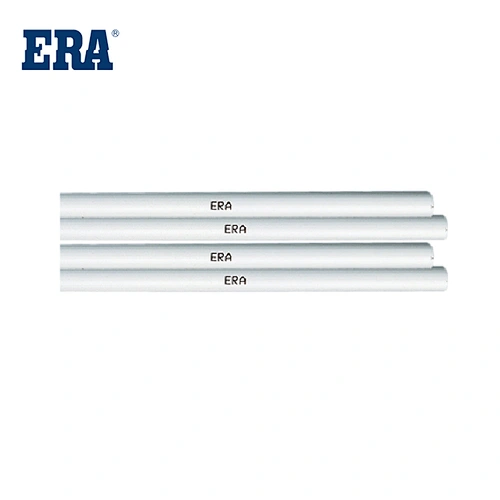
Model Number | MED004 | Material | PVC |
Description: | NORMAL BENDS-SLIP TYPE | Standard | BE EN61386-21 |
Temperature: | FIRE-RESISTANCE | Working Pressure: | / |
Size: | 20、25mm | Certificate: | / |
Connection | Socket | Color: | White、Black |
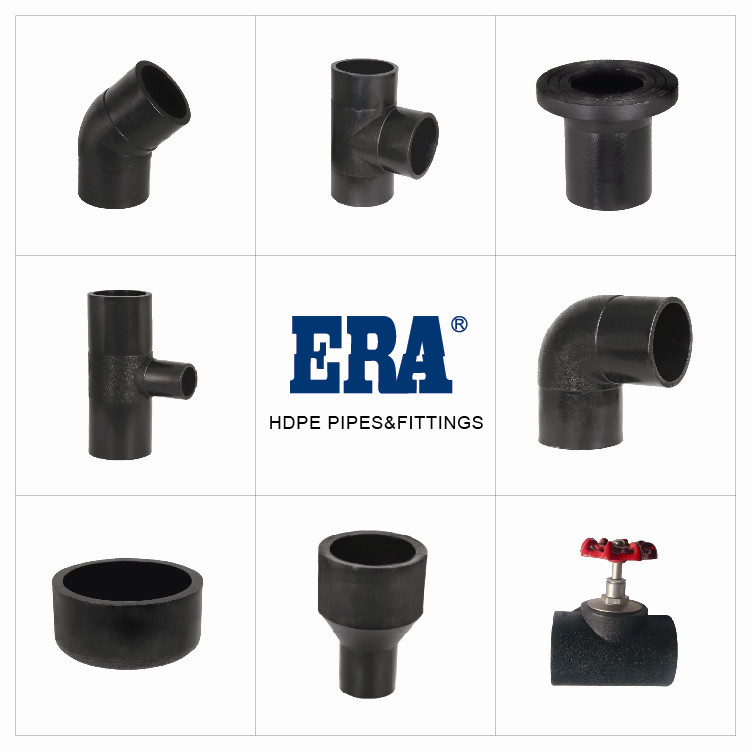
Main Products:
The performance characteristics of hdpe pipe and application scope
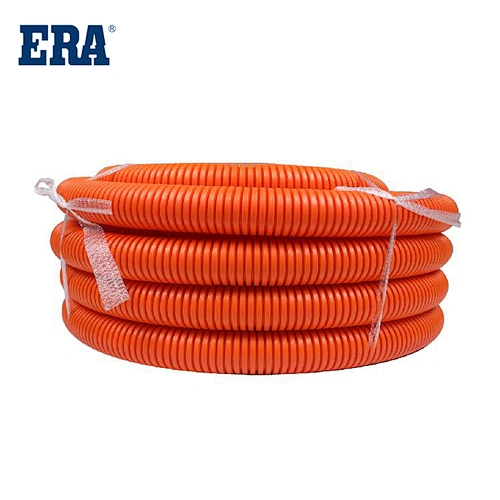
HDPE pipe has excellent chemical stability, excellent weatherability, and has good comprehensive mechanical properties, its main characteristics are:
(1) the compressive ability. HDPE pipe outer wall annular corrugated structure, greatly enhance the pipe hoop rigidity, thus enhances the pipeline on the soil load resistance.
(2) the friction coefficient is small. Passing ability. HDPE pipe lining friction coefficient is 0.009, and the reinforced concrete pipe wall friction coefficient is 0.013, therefore, HDP ~ tube than with other pipe diameter can be more traffic. In other words, with the traffic situation, can use smaller diameter of HDPE pipe.
(3) the construction is convenient. Light weight of the HDPE tube, handling and connection is very convenient, and construction speed is fast. In the case of the tight and poor construction conditions, its advantage is more obvious.
(4) better chemical stability, long service life. HDPE molecule no polarity, so the chemical stability is good, the general use of environmental factors such as soil, electric power, acid and alkali doesn't make the pipe damage. In the case of buried, HDPE pipe use fixed number of year can reach more than 50 years.
(5) the appropriate deflection. HDPE pipe is a flexible tube can withstand a certain degree of uneven settlement of foundation, pipeline interface, no leakage.Mainly used in municipal water supply and drainage: is ideal to replace cast iron pipe, cement pipe; A large water conservancy projects, water, sewage, water diversion detoxification pipe: coal industry coal engineering, all kinds of ventilation system; Chemical industry; Chemical containers, particularly corrosive liquid storage and transportation; Without the bearing capacity of strip dedicated line: deserts, swamps, lakes fluid conveying; Corrosive environment around the pipe laying; The application of liner, wear pipe engineering.
In the pipeline industry, whether it is upstream manufacturers, midstream construction units, or owners and supervisory units responsible for supervision, a core keyword cannot be avoided in daily work: inspection. Inspection is not only a"technical gateway"to ensure product quality meets national standards, but also an"invisible passport"to determine whether engineering projects can pass acceptance and be delivered for use smoothly. An overlooked inspection can result in material returns, project delays, or serious safety hazards.
Among various types of inspections, the most commonly encountered and easily confused ones by engineering personnel are type testing and commissioned inspection. Although both are important means of quality control, they have essential differences in nature, scope, and applicable scenarios. Today, we will delve into the differences between the two from six dimensions to help everyone accurately identify needs in their work and avoid management risks caused by conceptual confusion.
1、 Different purposes: comprehensive reviewvs. targeted verification
1. Type test: Apply for a"production permit"for the product
The purpose of type testing is to verify whether the various performance indicators of a certain model or category of pipeline products fully comply with the requirements of national standards, industry standards, or enterprise internal control technical specifications. It is a comprehensive recognition of product design, materials, processes, and production capabilities. It can be understood as a"quasi production certificate"- only after passing the type test, the model of product has the qualification for mass production and entering the market, which fundamentally proves the compliance of the product.
2. Commissioned inspection: issue a"test report"to solve specific problems
The purpose of entrusted inspection is more targeted and utilitarian, aiming to solve a specific practical problem. It is not a comprehensive endorsement of product models, but a"targeted diagnosis"of specific samples and indicators. Common application scenarios include: providing third-party testing reports as proof of qualification during engineering bidding; The buyer and seller have a dispute over product quality and require arbitration and testing by a third-party authoritative institution; When declaring the export of products, the customs require performance certification materials for specific projects; Or the enterprise randomly checks the quality of a batch of raw materials or finished products for self inspection.
2、 Different detection ranges: full project coveragevson-demand ordering
1. Type test: The project is fully covered and cannot be omitted
The type test follows the principle of"integrity". According to the corresponding product standards, the test must cover all technical indicators specified in the standards. For pipeline products, this usually includes: appearance quality, dimensional deviation (such as outer diameter, wall thickness, roundness), physical and mechanical properties (such as longitudinal shrinkage rate, elongation at break), mechanical properties (such as ring stiffness, ring flexibility, impact performance), chemical resistance (such as pressure resistance test, pull-out resistance), etc. These projects are interrelated, and if one item fails, it means the entire type test fails.
2. Commissioned Inspection: Menu based"Order", select as needed
Commissioned inspection has great flexibility, similar to"on-demand ordering". The testing party can choose to test only one or a few performance items according to their actual needs. For example, if a sewage pipeline project pays special attention to the external pressure resistance of the pipes, the enterprise can only entrust the testing of two indicators:"ring stiffness"and"ring flexibility"; If you are only concerned about the aging of raw materials, you can only entrust the testing of"oxidation induction time". This flexibility not only saves time but also reduces detection costs.
3、 Different triggering conditions: mandatory requirements of standardsvs.proactive demands in reality
1. Type test: Passive triggering, regulated system
The initiation of type tests usually carries mandatory or institutionalized characteristics, and is not arbitrarily determined by the subjective will of the enterprise. According to the requirements of the quality management system and national standards, type tests must be conducted in the following specific situations:
New product identification: identification of trial production and finalization of new products or product transfer production;
Process change: After formal production, if there are significant changes in the structure, main raw materials, or key production processes of the product that may affect product performance;
Regular review: In the normal production process, in order to assess the stability of product quality, it is necessary to conduct periodic inspections (such as once a year) or accumulate a certain amount of output;
Production stoppage and resumption: When a product is discontinued for a long time and production is resumed;
Result difference: When there is a significant difference between the factory inspection result and the last type inspection result;
Supervision and spot check: When the national quality supervision agency or industry regulatory department requests type inspection.
2. Commissioned Inspection: Proactively initiated, scene driven
The triggering of entrusted inspection depends entirely on the practical needs of market activities and daily management, and is an active behavior of the enterprise:
Business bidding: In order to meet the requirements for third-party testing reports in the bidding documents;
Quality dispute: When there is a disagreement between the user and the manufacturer regarding product quality and a third-party impartial organization is required to make a judgment;
Internal quality control: When a company purchases new batches of raw materials or has doubts about the quality of a certain batch of finished products, it proactively sends them for inspection and self inspection;
International trade: When declaring exports or entering specific markets (such as water groups being shortlisted), it is necessary to provide the testing results of specified items.
4、 Different sources of sampling: standardized samplingvs. flexible sample delivery
1. Type test: rigorous procedure, standardized sampling
The standardization requirements for sampling in type testing are extremely high. Samples are usually randomly selected by enterprises on the production line or finished product warehouse according to the standard sampling plan, and sometimes even need to be sealed on site under the supervision of qualified inspection agency personnel. The purpose of doing so is to ensure that the extracted samples can truly and objectively represent the overall quality level of the batch and even the model of the product. Before the test results are available, the corresponding batch of products usually needs to be sealed and wait.
2. Commissioned inspection: diverse sources, high flexibility
The source of samples entrusted for inspection is very flexible. It can be a new product just taken off the production line by the enterprise, a backup sample randomly selected from warehouse inventory, a pipe material directly cut by the supervisor at the construction site for installation, or even a"mysterious sample"sent directly by distributors or users. The testing party only needs to be responsible for the"individual"being tested.
5、 Different representativeness of results: endorsement of product modelvsresponsibility for sample submission
1. Type test: with universal representativeness
The conclusion of the type test has"universality"and"continuity". Once a certain model of product passes the type test, the inspection report issued represents the overall quality level of that model of product. All products of the same model produced subsequently are considered to have the same quality characteristics as the type test samples, provided that there are no significant changes in the process or materials. Therefore, the type test report is usually the core technical document for enterprises to promote and participate in major engineering bidding.
2. Commissioned inspection: only responsible for the samples received
The conclusion of the commissioned inspection is based on the facts and strictly follows the principle of being responsible only for the samples received. The inspection report usually clearly states: 'This report is only responsible for the samples submitted for inspection'. This means that even if all the indicators of the pipe being inspected are excellent, it cannot automatically prove that the quality of other pipes in the batch is also qualified. It can only serve as a reference and does not have endorsement effect on the product model.
6、 Cycle and cost are different: long cycle, high costvsshort cycle, low cost
1. Type test: large investment and long time
Due to the numerous testing items and complex physical and chemical analysis involved, type testing usually requires a longer testing cycle (as short as half a month, as long as one or two months). And due to the coverage of full performance testing, high equipment occupancy, and high labor costs, the expenses are relatively high, usually ranging from thousands to tens of thousands of yuan.
2. Commissioned inspection: Fast response, controllable cost
Commissioned inspection can only perform a single item or a few items, with a relatively simple process and greatly shortened testing cycle (often data can be issued within a few days). The cost is only charged based on the actual number of items tested, and the cost is controllable. For daily quality disputes or self inspection activities that require quick data acquisition, the cost-effectiveness is extremely high.
summary
In summary, type testing and commissioned inspection are two complementary quality inspection methods in the pipeline industry, and there is no superiority or inferiority. The key lies in the matching of scenarios:
Type testing is like a"comprehensive physical examination"that covers all core indicators, controls quality from the source, and the results endorse the entire product model, serving as the"admission certificate"for product launch.
Commissioned inspection is like a"special inspection", which flexibly responds to specific pain points and can quickly solve immediate problems, but the results are limited to the samples submitted for inspection and do not have promotional value.
Having understood the difference between the two, manufacturers can focus on type testing during product finalization and make good use of commissioned inspections in daily quality control; The construction and supervision parties can also clearly require each other to provide what kind of reports when accepting materials, so as to truly uphold the bottom line of project quality.
In the field of pipeline engineering, there is a very easily overlooked but crucial concept - the"shelf life"of PE pipelines. Here we need to clarify a common misconception: the"shelf life"discussed in this article does not refer to the 50 year service life of pipelines buried underground, but rather to the storage period of pipelines from production offline to construction and installation.
1、 Why does PE pipe have a"shelf life"? ——The underlying logic of material aging
Polyethylene (PE), as a thermoplastic, its molecular chain structure determines that it will inevitably undergo changes in physical and chemical properties under environmental factors such as heat, light, and oxygen, and this process is called"aging". Many people mistakenly believe that storing unused pipes in a warehouse is in a"fresh"state, but this is not the case.
Although carbon black (mainly for UV shielding) and antioxidants (mainly for inhibiting oxidative degradation) are added to the production process of pipes to enhance their stability, this cannot completely prevent aging from occurring. Even when stationary in the warehouse, the molecular structure of PE pipes undergoes slow and irreversible changes, manifested in the following three dimensions of degradation mechanisms:
Direct sunlight - UV degradation: UV radiation has high enough energy to break chemical bonds in PE molecules, triggering free radical chain reactions and causing molecular chain breakage or cross-linking. This will cause visible powdering on the surface of the pipe (with white powder when touched by hand), loss of luster, and eventually become brittle or even produce fine cracks. Once this kind of damage is formed, even if it is no longer exposed to sunlight in the later stage, it has already caused permanent damage to the material.
High temperature environment - thermal oxidative aging: According to the van der Waals rule, for every 10 ℃ increase in temperature, the chemical reaction rate increases by about 2-4 times. If the warehouse ventilation is poor, the internal temperature in summer may reach 40-50 ℃, and the antioxidant inside the pipes will be consumed at an accelerated rate. After the antioxidant is depleted, the matrix material begins to directly react with oxygen, resulting in a sharp decrease in the toughness of the material (mainly measured by the elongation at break), and the material changes from"flexible"to"brittle".
Long term stacking - slow oxidation and creep: Even in an ideal cool and ventilated warehouse, oxygen will still slowly penetrate into the material and undergo weak oxidation reactions with polyethylene molecules. At the same time, if not stacked properly, the bottom layer of pipes may bear enormous pressure for a long time, which may result in slight creep deformation, affecting their roundness and dimensional stability, and thus affecting the quality of hot melt docking in subsequent construction.
Therefore, in order to ensure operational safety during the construction process (prevent brittle cracking) and the long-term performance of the pipeline system for up to 50 years, industry standards have put forward clear management requirements for the storage period of PE pipes and fittings.
2、 How does the standard specify the"shelf life"?
Due to different safety level requirements for different application fields (water supply and gas), there are significant differences in the standards for storage period.
1. PE water supply pipe: management suggestions are the main focus, emphasizing re inspection
For PE pipelines used in urban water supply, relevant engineering technical regulations (such as CJJ 101-1016"Technical Regulations for Buried Polyethylene Water Supply Pipeline Engineering") have clear guidance on this.
Deadline requirement: Pipes and fittings should not be stored for a long time. In general, it is recommended that the pipe material should not exceed 18 months from the date of production to installation and use; Due to the complex structure and numerous stress concentration points of the pipe fittings, it is recommended not to exceed 24 months.
Nature definition: This regulation is more of a management and engineering suggestion nature, rather than a mandatory scrapping standard. Its core logic is to remind the construction and management parties that beyond this time point, there is uncertainty in the performance of materials, which requires vigilance.
2. PE gas pipe: mandatory requirement, stricter and more comprehensive
Gas pipelines involve public safety, and their storage requirements are much stricter than those of water supply pipes. Relevant national standards (such as GB 15558.1"Underground Polyethylene (PE) Pipeline Systems for Gas - Part 1: Pipe Materials") have made mandatory provisions for this.
Deadline requirements:
Pipe material: It is generally recommended not to exceed 4 years.
Pipe fittings and valves: For sealed packaged pipe fittings, it is recommended not to exceed 6 years.
Mandatory inspection: If the pipe is exposed outdoors for a long time or stored for more than the specified period, sampling inspection must be carried out. Otherwise, it will be considered as not meeting the standards and is strictly prohibited from being used in gas engineering.
Inspection items: The inspection content must be comprehensive, including at least static hydraulic strength (assessing long-term pressure bearing capacity), fusion strength (assessing reliability of hot melt welding), and elongation at break (assessing material ductility and brittle fracture resistance). Only when all these core indicators are qualified, can the materials be allowed to be put into use.
By comparison, it can be found that regulations in the water supply field focus on management guidance, while regulations in the gas field have mandatory enforcement characteristics, which are also determined by the different safety risk levels of the two.
3、 Can it really only be scrapped if it exceeds the storage period?
The most concerning issue for many engineering managers is: if there is a backlog of pipes in the warehouse that exceed the specified deadline, does it mean that thousands or tens of thousands of yuan will be wasted and must be scrapped?
Actually, it's not entirely true. Expired PE pipes are not equivalent to waste, but their fate must be determined by"data"rather than"experience". The core processing flow is to conduct performance retesting, which includes the following key steps:
Step 1: Appearance and Macroscopic Inspection
This is the most intuitive initial screening. Carefully inspect the inner and outer surfaces of the pipe for cracks, obvious fading (lighter and whiter color), irreversible deformation caused by compression, or surface powdering. If there are serious defects in the appearance, there is no need for re inspection and it is directly judged as unqualified.
Step 2: Core mechanical performance testing
This is the decisive link. The samples must be sent to qualified testing institutions, with a focus on testing:
Tensile strength and elongation at break: These are key indicators for measuring material toughness. If the elongation at break decreases significantly, it indicates that the material has become brittle and cannot withstand the deformation caused by uneven settlement of the foundation.
Oxidation Induction Time (OIT): By thermal analysis, the residual antioxidant content in the material is detected to determine how much"antioxidant"potential the material still has.
Melt Mass Flow Rate (MFR): detects whether the material has undergone severe degradation, and a significant change in MFR indicates a change in molecular weight distribution.
Step 3: Pressure resistance test (static hydraulic strength)
This is the"touchstone"for verifying the final performance of the pipe material. Confirm whether the pipe will rupture or leak by conducting a static hydraulic test at a certain temperature (such as 80 ℃) and constant pressure for a long time (such as 165 hours). Only by successfully passing this level can it be proven that the pipe can still function normally under the design pressure.
Conclusion of Handling:
Tested as qualified: can continue to be used, but it is recommended to prioritize non critical parts or branch lines with lower pressure levels.
If the test fails, it must be downgraded for use or resolutely scrapped. Degraded use can be used for drainage systems with low pressure requirements, or for non pressure purposes such as conduit. In the field of gas and high-pressure water supply, a zero tolerance attitude must be adopted for materials that fail re inspection to ensure project safety.
4、 How to store PE pipes correctly? ——The Five Golden Rules of Warehouse Management
Instead of waiting until the expiration date to worry about retesting, it is better to manage storage from the source and delay the aging process to the greatest extent possible.
Store in a dark place and avoid direct sunlight: Ultraviolet radiation is the first driver of aging. Pipes must be stored in indoor warehouses or ventilated areas with sunshades. If temporary outdoor storage is necessary due to site limitations, the time limit must not exceed the prescribed time limit (such as gas pipelines being strictly prohibited from being stored outdoors for a long time), and must be tightly covered with opaque sunshade cloth (such as canvas), avoiding the use of transparent plastic cloth.
Environmental control, keep away from pollution: The warehouse should be kept dry, well ventilated, and away from sources of fire, heat, as well as substances such as oil and chemicals (such as solvents, acids, alkalis) that may corrode the PE material. During the high temperature season, attention should be paid to ventilation and cooling of the warehouse.
Scientific stacking to prevent deformation: The stacking site must be flat and the ground must not have sharp stones or protrusions. The pipe should be placed on a flat support with a width of not less than 150mm. The stacking height should not exceed 1.5 meters to prevent permanent elliptical deformation of the bottom pipes due to long-term heavy pressure. For pipe fittings, the original packaging should be kept intact to avoid dust and damage.
Clear identification, first in first out: When entering the warehouse, the production date, batch number, specification and model of each batch of pipes must be clearly marked. Inventory management should strictly adhere to the"first in, first out"principle, prioritize the distribution of products with earlier production dates, and avoid excessively long inventory ages.
Regular inspection and dynamic management: Warehouse personnel should conduct regular inspections of inventory pipes. Once signs of fading, cracking, severe deformation, etc. are found on the surface of the pipes, they should immediately isolate and mark them, report for evaluation, and promptly eliminate non-conforming products. For products that are about to reach their storage period, they should be planned in advance, prioritized for use, or prepared for inspection.
Conclusion
In summary, whether it is PE water supply pipe fittings or PE gas pipe fittings related to public safety, the storage time before use is an essential quality control dimension that cannot be ignored. Every day the materials are in the warehouse, they are engaged in an invisible 'oxidation game' with time.
Especially in the gas field, the safety red line cannot be crossed. For expired products, we must not make decisions based on experience or intuition. We must adhere to the principle of"retesting if necessary and scrapping if necessary". Only by strictly controlling every step from procurement and warehousing to outbound construction, can we truly safeguard the long-term safety and stability of the underground pipeline network.


 English