1. Home
  2. Products
  3. IRRIGATION
  4. Sprinkler Series
  5. Sprinkler Series
Categories
Sprinkler Series
Sprinkler Series
Sprinkler Series
Sprinkler Series
Sprinkler Series
Sprinkler Series
Sprinkler Series
Sprinkler Series
Sprinkler Series
Sprinkler Series
Sprinkler Series
Sprinkler Series
Sprinkler Series
Sprinkler Series
Sprinkler Series

Sprinkler Series

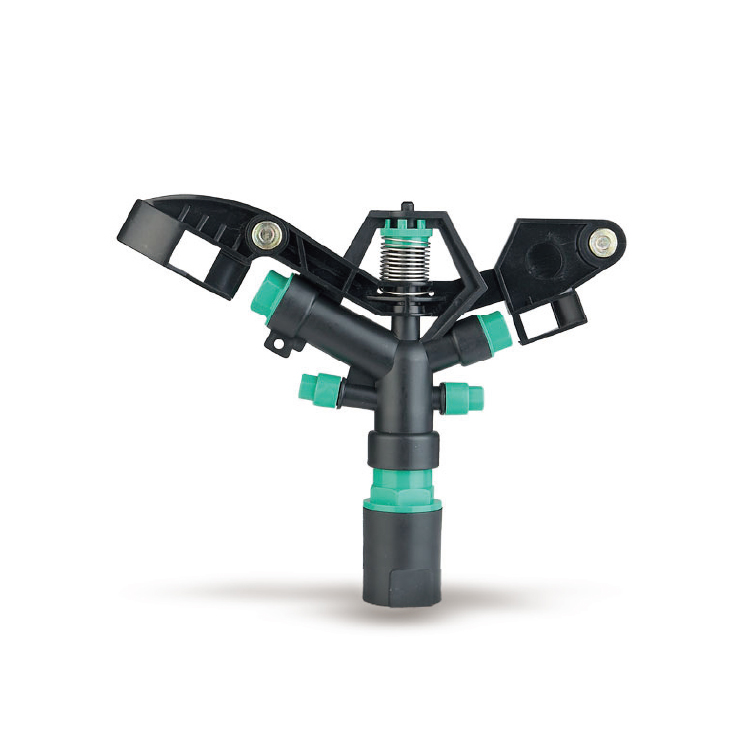
9814A
MODELINTERFACE SIZEPRESSURERANGEFLOWMATERIAL
9814AG1'' Sprinkler2.0--4.0bar14--16m3200--4200L/HPP+POM

 
Founded in 1993, Era CO.,LTD has started its operation as a small production unit of plastic irrigation fittings in 90's in Taizhou, China. With relentless focus on Research &Development, skilled and experienced personnel coupled with continuous implementations in technology and infratructure.
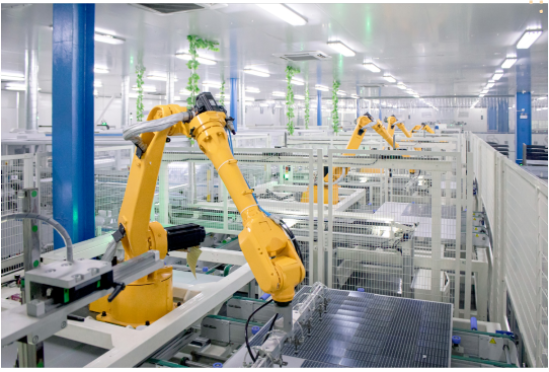
ERA today has enlarged the scale of company who has a modern, vertically integrated production facilities covering a surface of over 2300 mu which including molding, plastic injection, metal stamping. electronic appliances and assembling lines with the production capacity of 1200,000 annual ouputs for filters, valves sprayers , drip irrigation pipes,mist sprayers as well as filtration systems,which making it one of the leading industries in the sector, providing high quality, cutting-edge water treatments and water filtration systems.
During the past few decades, we have grown up one of the top Irrigation System provider in China and have didicated ourselves to developing and manufacturing the qualified agricultural and commercial irrigation products.
Now, as a reliable manufacturer in this irrigation market, we supply worldwide with our brand name “ERA”. For customer satisfaction on service and product quality which we are providing, we have obtained certificate of ISO 9001 on quality assurance and qualified management system, as well as other safty certificates such as CE, GS, ROHS, REACH, UL and so on, our products have been designed, developed and manufactured in accordance with strict specifications. Until now, we have obtained more than 30 patents like industrial design, utility model, technology invention and so on.
We always abide by the value of"innovation & creation, customer orientation, dynamic & entusiasm, integrity and honesty". We apply the core competence"scientific and technological innovation"to make contribution to water conservation and industrial water recycling etc. We are devote to bring a better environment for the earth by our continuous efforts.


AGRICULTURE IRRIGATION
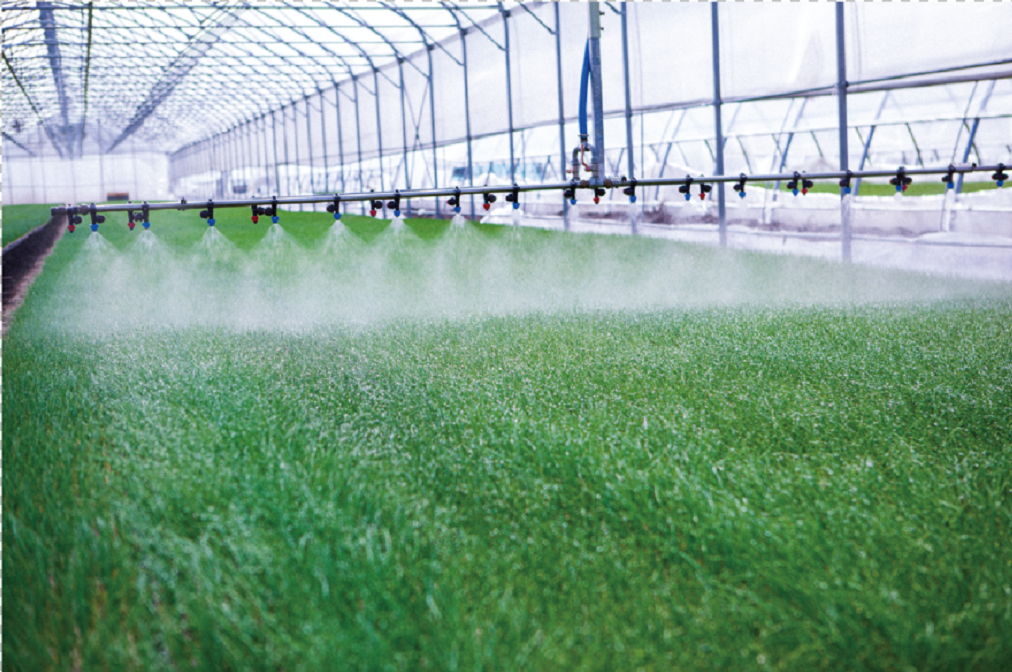
Agriculture irrigation systems play a critical role in ensuring the sustainability and productivity of crops. By providing clean water and protecting the essential irrigation equipment, farmers can maximize efficiency and crop yield. Modern agricultural irrigation systems incorporate advanced technologies such as precision sprayers, automated drip irrigation systems, and mist sprayers to ensure that every drop of water is utilized effectively. These systems are designed to optimize water usage, reduce wastage, and minimize manual labor, allowing farmers to focus on other vital aspects of agricultural management.
Furthermore, the importance of clean water in agriculture cannot be overstated. Impurities in water can damage irrigation equipment, clog pipes, and reduce the efficacy of water distribution. By implementing advanced filtration systems, agricultural irrigation setups can protect their equipment from sediment, contaminants, and debris. These filtration solutions not only prolong the lifespan of the irrigation infrastructure but also enhance the quality of water reaching the crops, resulting in healthier plants and higher yields.
In arid and semi-arid regions, where water scarcity is a pressing issue, efficient irrigation systems are indispensable. Solutions like drip irrigation ensure that water is delivered directly to the plant roots, reducing evaporation and runoff. Paired with proper filtration and protection systems, these technologies empower farmers to grow crops sustainably, even in challenging environments. As the global population continues to grow, the demand for sustainable and efficient agricultural irrigation will become even more critical.
 
URBAN LANDSCAPE IRRIGATION
Urban landscapes, such as public parks, residential gardens, and green spaces, are vital for improving the quality of life in cities. They contribute to environmental sustainability by reducing urban heat, improving air quality, and providing recreational areas for residents. Effective irrigation systems are essential for maintaining these green spaces, ensuring that plants and lawns remain vibrant and healthy throughout the year.
Cost-efficient and energy-saving irrigation solutions are at the heart of modern urban landscaping. Clean water recycling systems, coupled with automated irrigation technologies, help municipalities and property owners save water and reduce costs. For example, rainwater harvesting systems can collect and filter rainwater for use in irrigation, significantly reducing dependency on municipal water supplies. Similarly, smart irrigation systems equipped with sensors and timers ensure that water is applied only when and where it is needed, preventing overwatering and conserving resources.
The integration of clean water recycling into urban irrigation systems is particularly impactful in cities facing water shortages. By reusing treated wastewater for irrigation, urban planners can maintain green spaces while alleviating the pressure on freshwater resources. These sustainable practices not only reduce the environmental footprint of urban landscapes but also set an example for responsible water management.
 
GOLF COURSE IRRIGATION
Golf courses, known for their sprawling fairways and meticulously maintained greens, require specialized irrigation systems to maintain their aesthetic appeal and functionality. Unlike traditional landscaping, golf course irrigation presents unique challenges due to the vast areas that need to be watered and the precise care required to keep the turf healthy.
Providing clean water supply and ensuring complete protection for irrigation equipment is critical in golf course management. High-quality filtration systems are essential to prevent blockages and ensure the smooth operation of sprayers, drip irrigation pipes, and mist sprayers. Contaminants in the water can lead to uneven watering, which in turn can cause patches of dry or overwatered turf, compromising the overall quality of the course.
Energy-efficient irrigation technologies, such as variable-frequency drive pumps and weather-based irrigation controllers, are increasingly being adopted by golf course managers. These systems use real-time weather data and soil moisture sensors to determine the exact amount of water needed, ensuring optimal turf health while minimizing water consumption. Additionally, many golf courses are turning to sustainable practices, such as utilizing reclaimed or treated water, to reduce their reliance on freshwater supplies.
The protection and maintenance of irrigation equipment also play a vital role in golf course sustainability. Regular maintenance, combined with the use of advanced filtration systems, helps extend the lifespan of irrigation infrastructure and reduces operational costs. As the demand for environmentally responsible golf course management grows, innovative irrigation solutions will continue to shape the future of the industry.
 
WATER TREATMENT
Water treatment is the cornerstone of providing clean and safe water for various applications, including irrigation, industrial use, and domestic consumption. Effective water treatment begins with the first step: filtration. Filtration systems are designed to remove suspended particles, sediments, and other impurities from water, making it suitable for further treatment or direct use.
In the context of irrigation, first-step filtration is essential for protecting equipment and ensuring efficient water distribution. Sediments and debris in untreated water can cause blockages in pipes, reduce the performance of sprayers, and damage delicate irrigation components. By implementing robust filtration systems, users can minimize maintenance costs and prevent disruptions to their irrigation schedules.
Beyond irrigation, first-step filtration plays a crucial role in large-scale water treatment facilities. These systems serve as the foundation for advanced treatment processes such as chemical disinfection, reverse osmosis, and UV sterilization. By removing larger impurities at the outset, first-step filtration ensures that downstream processes operate efficiently and effectively.
Sustainable water treatment practices are also gaining traction as industries and municipalities strive to reduce their environmental impact. Filtration systems designed to handle recycled or reclaimed water are becoming more common, enabling the reuse of water in irrigation, industrial processes, and even potable applications. By prioritizing clean water and efficient filtration, water treatment systems contribute to the global effort to conserve and manage this precious resource responsibly.
 
CONCLUSION
Clean water and effective irrigation systems are indispensable for agriculture, urban landscaping, golf courses, and water treatment applications. By integrating advanced filtration technologies and sustainable practices, these systems not only enhance efficiency but also contribute to the preservation of our planet's water resources. As the challenges of water scarcity and climate change continue to grow, investing in innovative irrigation and water treatment solutions will be crucial for ensuring a sustainable future for generations to come.
 
Understanding Disc Filters
Disc filters are highly efficient and versatile filtration devices used across industries such as agriculture, irrigation, wastewater treatment, and industrial processing. They operate using a stack of grooved discs, which create a three-dimensional filtration surface. When water or any other fluid flows through the filter, contaminants are trapped between the grooves, allowing clean fluid to pass through. The specific types of disc filters listed include:
1. Y Type Disc Filters
These filters are compact and often used for small-scale applications, especially in agriculture and irrigation systems. Their"Y"shape allows for easy installation and cleaning, making them ideal for locations where space is a constraint.
2. TX Type Disc Filters
TX type disc filters are robust and designed for high-pressure systems. They are commonly used in industrial applications where durability and efficiency are critical.
3. T Type Disc Filters
Similar to the TX type, these filters offer strong filtration capabilities and are versatile in design. They can handle medium-to-large-scale filtration needs, often in irrigation systems where water quality directly impacts crop yield.
4. AGL Disc Filters
AGL disc filters are specifically engineered for environments with high levels of contaminants, such as in wastewater treatment plants. They provide superior filtration performance by utilizing advanced disc stacking techniques.
5. H Type Disc Filters
H type disc filters are specialized for heavy-duty applications. Their design emphasizes longevity and efficiency, making them suitable for industries requiring continuous operation.
6. Automatic Disc Filters
These filters are self-cleaning and require minimal human intervention. Automatic disc filters are highly favored in industries where operational downtime is costly, as they ensure uninterrupted filtration.
 
Exploring Screen Filters
Screen filters, as the name suggests, rely on a mesh screen to filter out unwanted particles from fluids. These filters are simpler in design compared to disc filters but are equally effective for specific applications. The screen filter categories mentioned are:
1. Y Type Screen Filters
Similar to their disc filter counterparts, Y type screen filters are compact and easy to maintain. They are primarily used in drip irrigation systems, protecting emitters from clogging caused by debris.
2. TX Type Screen Filters
Designed for high-flow systems, TX type screen filters are durable and efficient, often employed in industrial settings for fluid processing.
3. T Type Screen Filters
These filters provide reliable filtration for medium-scale operations, offering a balance between performance and cost.
4. H Type Screen Filters
Built for heavy-duty applications, H type screen filters are robust and can handle larger volumes of contaminants, making them ideal for industrial processes and wastewater treatment.
5. Spiral Clean Semi-Automatic Screen Filters
These innovative filters include a spiral cleaning mechanism, allowing for quick and efficient cleaning without dismantling the filter. They are commonly used in systems that require frequent maintenance but cannot afford prolonged downtimes.
6. Automatic Backwash Screen Filter System
This type represents the pinnacle of screen filtration technology, incorporating automated backwashing capabilities. When the filter becomes clogged, the system initiates a backwash cycle, flushing out trapped debris without interrupting the filtration process. These systems are widely used in industries that demand high filtration precision and continuous operation.
 
Filtration Systems: An Integrated Approach
Both disc and screen filters play a crucial role in modern filtration systems. Often, these systems integrate multiple types of filters to achieve optimal performance. For instance, a filtration system might use a disc filter as a primary filter to handle larger particles and a screen filter for finer filtration. This layered approach enhances efficiency, reduces maintenance needs, and ensures long-lasting equipment performance.
Applications of Filtration Systems
The applications of these filtration systems are vast and varied, extending across multiple industries:
1. Agriculture and Irrigation
In agriculture, maintaining clean water is essential to prevent clogging of irrigation systems and ensure uniform water distribution. Disc and screen filters are commonly used in drip and sprinkler irrigation setups.
2. Industrial Water Treatment
Industries often require large quantities of water for cooling, processing, and cleaning. Filtration systems ensure that this water is free from harmful contaminants, protecting equipment and maintaining operational efficiency.
3. Municipal Water Supply
Disc and screen filters are integral components of municipal water treatment plants, helping to provide clean and safe drinking water to communities.
4. Wastewater Treatment
Both types of filters are used in wastewater treatment to remove solids and particulates before further processing or discharge into the environment.
5. Aquaculture
In fish farming, maintaining clean water is vital for the health of aquatic organisms. Filtration systems help in removing waste and maintaining water quality.
6. Mining and Power Generation
These industries rely on filtration systems to clean water used in various operations, ensuring equipment longevity and compliance with environmental regulations.
 
Advantages of Modern Filtration Systems
Modern filtration systems, especially those incorporating advanced disc and screen filters, offer several advantages:
1. Efficiency
The layered structure of disc filters and the precision of screen filters enable efficient removal of particles, ensuring high-quality output.
2. Low Maintenance
Automatic systems, such as backwash screen filters and self-cleaning disc filters, reduce the need for frequent manual maintenance.
3. Cost-Effectiveness
By preventing equipment damage and reducing downtime, these filters lower operational costs in the long run.
4. Environmental Benefits
Filtration systems help industries comply with environmental regulations by ensuring that wastewater is treated effectively before being released.
Conclusion
Disc and screen filters are indispensable tools in water filtration, each offering unique benefits suited to specific applications. As industries continue to prioritize sustainability and efficiency, the demand for advanced filtration systems will only grow. By combining innovation with practicality, these systems not only enhance operational performance but also contribute to a cleaner, safer environment. Whether for agriculture, industry, or municipal use, the continued development and integration of these technologies promise a future where clean water is accessible to all.
 
Y TYPE DISC FILTERS
The ERA Y Type Disc Filters are engineered with versatility and efficiency in mind, designed for applications that require high-performance filtration in compact spaces. Thanks to their innovative structure, these filters combine the benefits of a small footprint with the exceptional filtration capacity typically found in larger systems. The Y-type configuration allows for easy installation even in confined spaces, making them ideal for industries where space is limited but filtration quality cannot be compromised.
EASY MAINTENANCE AND COST-EFFECTIVENESS
A key feature of the ERA Y Type Disc Filters is their ease of maintenance. The filter discs can be removed and cleaned quickly without the need for complex disassembly or specialized tools. This reduces downtime and maintenance costs, which is a significant advantage for facilities operating on tight schedules or with limited maintenance personnel. Additionally, the modular design ensures that only the damaged or worn-out parts need to be replaced, lowering overall replacement costs.
These filters are designed with an automatic cleaning function that can be triggered through a backwashing mechanism. This function helps to dislodge accumulated particles from the filtration surface, maintaining optimal flow rates and ensuring long-term operational efficiency. The backwashing process can be easily adjusted based on the specific needs of the system, whether it's a high-frequency cleaning schedule for systems with heavy particle loads or a more infrequent cleaning cycle for lighter duty applications.
APPLICATIONS OF ERA DISC FILTERS
ERA disc filters are highly versatile and can be applied across a wide range of industries, from water treatment plants to agricultural irrigation systems, and even in manufacturing processes that require high-quality water for cooling or processing. Here are some of the key sectors that benefit from ERA's advanced filtration technology:
1. Agricultural Irrigation Systems
In irrigation, the quality of water used can greatly impact crop yields. ERA disc filters are used to remove impurities like sand, dirt, and organic matter that could clog irrigation lines and damage crops. The high filtration capacity of the ERA disc filter ensures a consistent supply of clean water, improving irrigation efficiency and supporting sustainable farming practices.
2. Municipal Water Treatment
Municipal water treatment facilities rely on efficient filtration to provide clean water to communities. ERA disc filters play a crucial role in pre-filtration stages, removing suspended solids, algae, and other contaminants before the water undergoes further treatment. Their high efficiency and large filtration volumes make them an ideal choice for municipal applications that require consistent, high-quality filtration over large-scale operations.
3. Industrial Process Water Filtration
Many industries, such as power plants, textile manufacturing, and chemical processing, use water in their production processes. Clean water is critical to maintain product quality and avoid equipment damage. ERA disc filters help remove particulates that could cause fouling, corrosion, or clogging in industrial equipment, reducing downtime and extending the lifespan of machinery.
4. Swimming Pools and Aquaculture
Clean water is vital for maintaining the health of both aquatic life in aquaculture and the hygiene of swimming pools. ERA disc filters ensure that the water remains free from harmful particulates, improving water clarity and preventing the spread of disease in aquaculture tanks. In swimming pools, these filters help maintain optimal water quality with minimal maintenance.
TECHNOLOGICAL ADVANCEMENTS IN ERA DISC FILTERS
ERA is committed to continuous innovation, and their disc filters are a prime example of how advanced technology can enhance filtration performance. The Grooved Disc Design, mentioned earlier, is a patented feature that sets ERA disc filters apart from traditional filtration systems. This design creates a network of intersecting grooves that form an infinite number of small pores, maximizing the filtration surface area while maintaining low resistance to flow. The result is a high-efficiency filter that can handle large volumes of water without sacrificing performance.
Furthermore, ERA disc filters are equipped with advanced monitoring and control systems. These systems provide real-time data on flow rates, filtration levels, and maintenance requirements, enabling operators to proactively address potential issues before they lead to system failures. The integration of smart technology also allows for remote monitoring and control, reducing the need for on-site interventions and improving overall system reliability.
SUSTAINABILITY AND ENVIRONMENTAL IMPACT
As part of its commitment to sustainability, ERA has designed its disc filters with eco-friendly materials and energy-efficient operations in mind. The polypropylene used in the construction of the filter discs is a durable and recyclable material, contributing to a longer lifespan for the product and reducing waste in landfills. Additionally, the low energy consumption of the ERA disc filter systems minimizes their environmental footprint, making them an ideal choice for companies seeking to meet green energy goals and reduce operational costs.
FUTURE DEVELOPMENTS AND INNOVATIONS
Looking ahead, ERA is exploring even more advanced filtration solutions to meet the evolving needs of industries worldwide. One area of focus is the development of hybrid filtration technologies that combine the benefits of disc filters with other filtration methods, such as UV disinfection or membrane filtration. These hybrid systems will allow for even higher levels of water purification, making them suitable for applications requiring ultra-pure water, such as in pharmaceuticals or high-tech manufacturing.
ERA is also working on integrating artificial intelligence and machine learning algorithms into their filtration systems. These technologies will enable the system to automatically adjust to changing water quality conditions, optimizing filtration performance in real-time. By predicting and responding to fluctuations in water quality, these smart systems will further enhance operational efficiency and reduce the need for human intervention.
CONCLUSION
The ERA Disc Filter is a testament to the power of innovation in the field of water filtration. With its unique Grooved Disc Design, high filtration efficiency, ease of maintenance, and wide range of applications, it offers a robust solution for industries seeking reliable, cost-effective water filtration systems. Whether for agricultural, municipal, industrial, or recreational applications, ERA’s advanced filtration technology is helping businesses and communities around the world meet their water quality goals while supporting sustainability initiatives.
As demand for clean water continues to grow, ERA’s ongoing commitment to research and development ensures that their filtration systems will remain at the forefront of technological advancements, providing high-quality, sustainable water filtration solutions for years to come.