Classification method for elbows
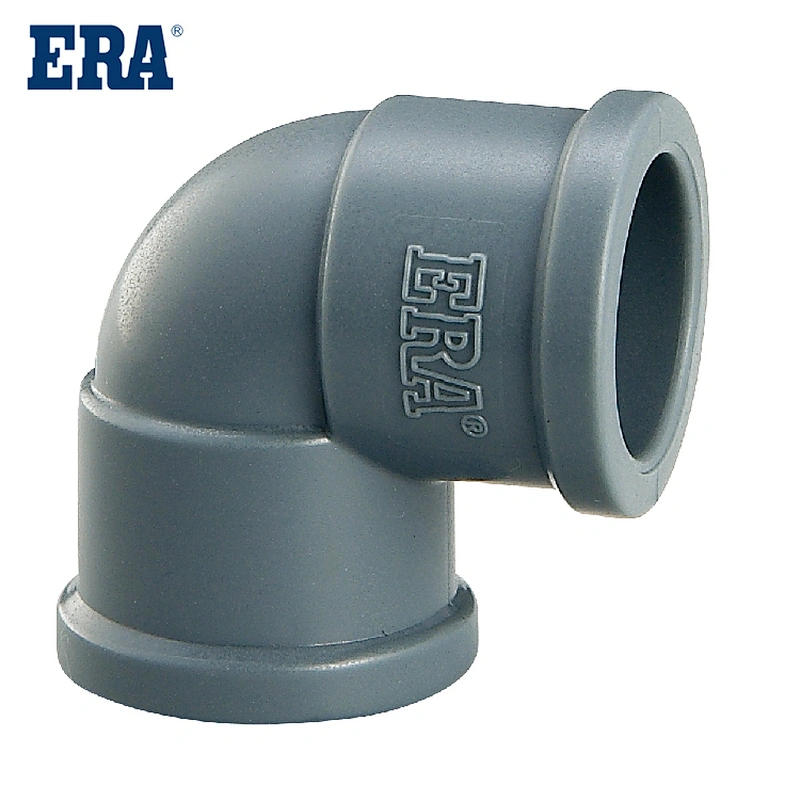
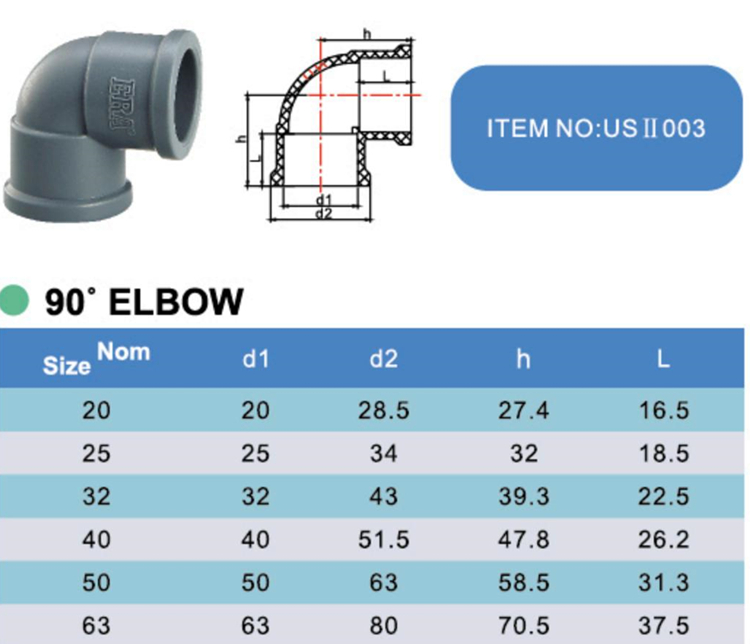
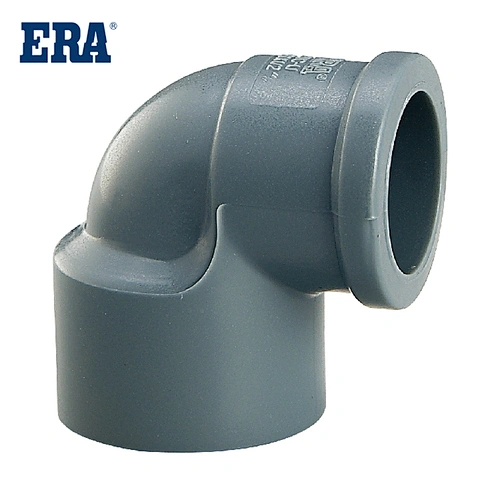
The classification method of elbows can be divided into long radius elbows and short radius elbows based on their curvature radius. A long radius elbow refers to a pipe with a curvature radius equal to 1.5 times its outer diameter, i.e. R=1.5D. A short radius elbow refers to a curvature radius equal to the outer diameter of the pipe, i.e. R=D. In the formula, D represents the diameter of the elbow and R represents the radius of curvature. If divided by pressure level, there are about seventeen types, which are the same as the American pipe standards, including: Sch5s, Sch10s, Sch10, Sch20, Sch30, Sch40s, STD, Sch40, Sch60, Sch80s, XS; Sch80, Sch100, Sch120, Sch140, Sch160, XXS, with the most commonly used being STD and XS. According to the angle of the elbow, there are 45o elbows, 90o elbows, and 180o elbows. In this way, there are many types of elbows, and when placing an order, the following notation is often used: for example, LR STD 90o8 represents a long radius, with a pressure rating of STD and 90o for an 8"elbow; for example, SR XS45o4 represents a short radius, with a pressure rating of XS and 45o for a 4"elbow. The above is a rough classification of the bend head.
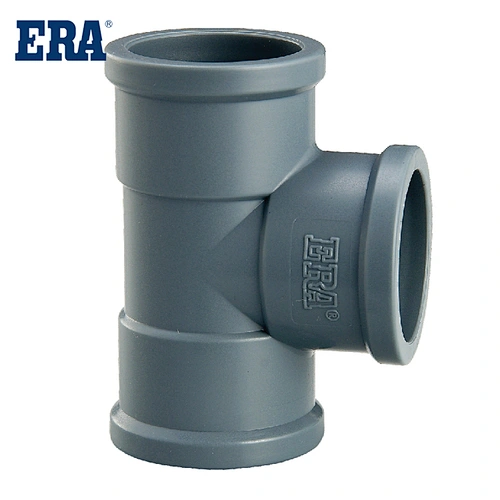
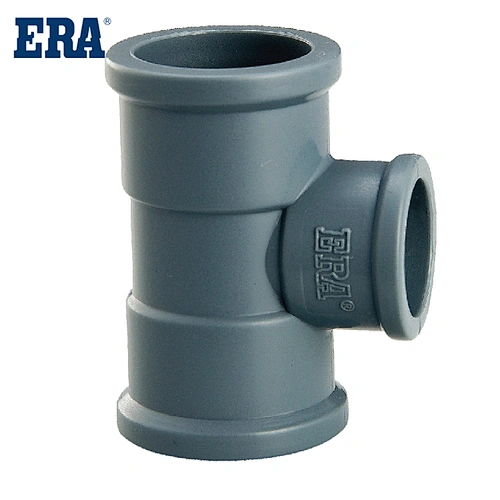
There are generally two types of tees. Three equal diameter tees are called equal diameter tees, with the same diameter at both ends but different diameter at the confluence end compared to the other two. The representation method is as follows: for equal diameter tees, such as T3 tees, it means equal diameter tees with an outer diameter of 3 inches. For reducing diameter tees, such as T4x4 × 3.5 represents a reducing tee with a diameter of four inches and a diameter of 3.5 inches. The pressure level and elbow pressure level are the same, and their specification range is also the same.
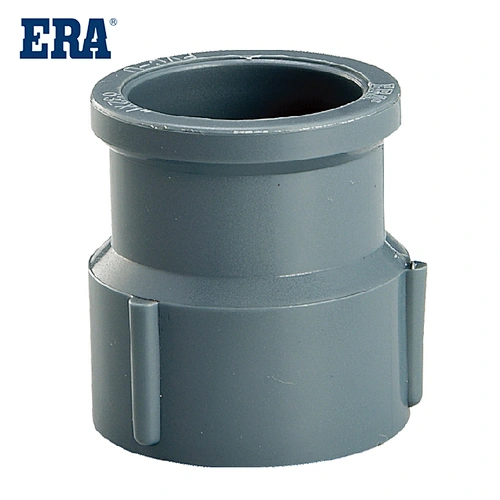
Big and small heads are also divided in this way. The representation method for the size head is to multiply the diameter of the larger head by the diameter of the smaller head, for example,"8"× 6 represents a large and small head with a diameter of 8 inches and a diameter of 6 inches.
Basic definition of pipe fittings
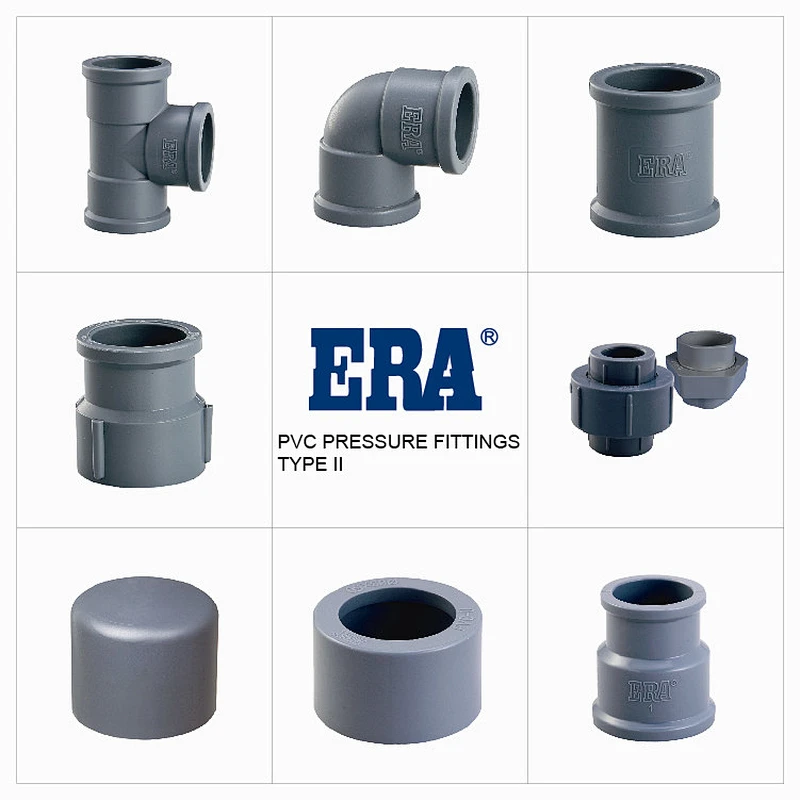
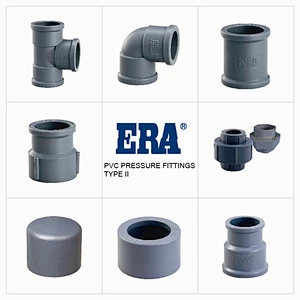
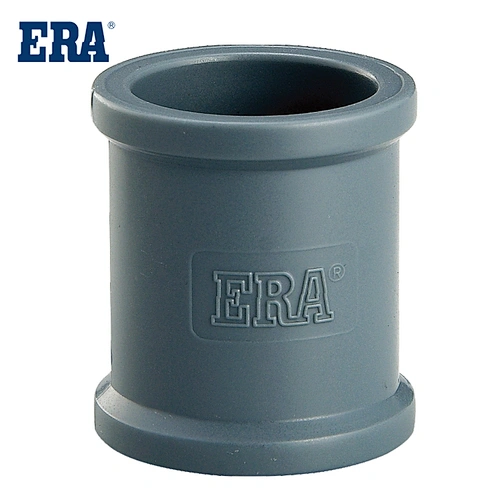
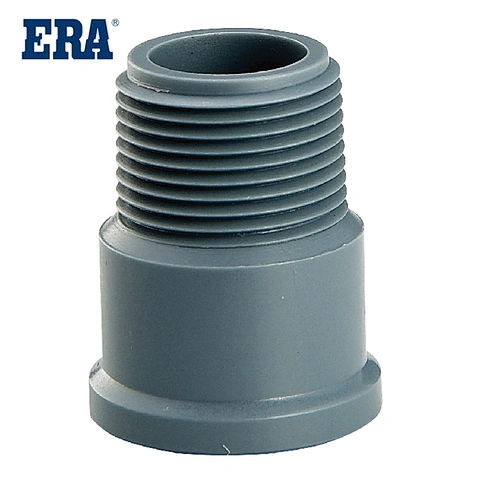
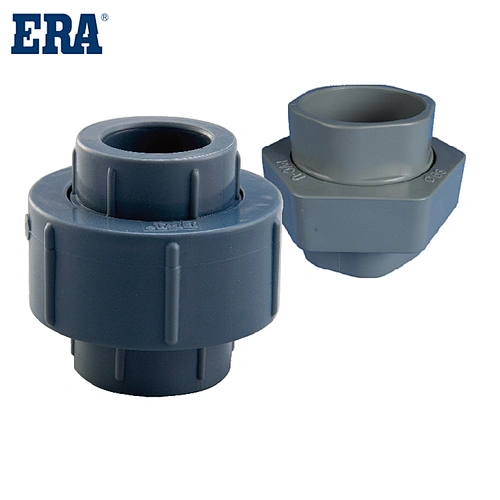
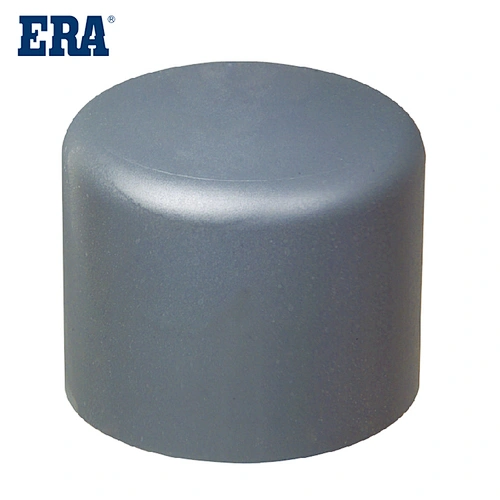
The most common thing we encounter in our daily lives is fittings, but not everyone knows the true definition of fittings. The so-called pipe fittings refer to the parts that connect pipes into pipelines. According to the connection method, it can be divided into four categories: socket fittings, threaded fittings, flange fittings, and welded fittings. Make it with the same material as the pipe. There are elbows (elbow pipes), flanges, tees, tees (cross heads), and reducers (large and small heads), etc. Elbows are used for turning pipes; A flange is a component used to connect pipes to each other, connected at the pipe end: a three-way pipe is used where three pipes converge; a four-way pipe is used where four pipes converge; and a reducing pipe is used where two pipes of the same diameter are connected.
There are many types of pipe fittings, which can be summarized into the following main types:
1. Variable diameter pipe fittings refer to pipe ends or a portion of the pipe with a reduced diameter
2. Pipe fittings with variable wall thickness refer to those that change the wall thickness along the length direction of the pipe;
3. Change the cross-section of the pipe fittings, and according to the requirements, transform the circular cross-section into squares, ellipses, polygons, etc;
4. For curved pipe fittings, we have a lot of contact, which is to transform straight pipes into bends with different curvature radii, such as bends, bends, etc;
5. Pipe fittings with flanges and circular edges. The former refers to the end of the pipe protruding inward or outward, while the latter refers to the pipe fittings that form protrusions or grooves in the circumferential direction of the pipe;
6. Pipe fittings with curled edges and bottom covers, which increase the total strength of the pipe end towards the outer or inner edge of the pipe or seal the end of the pipe fittings;
7. Enlarged pipe fittings, expanding the end or certain part of the pipe fittings to form various shapes according to requirements;
There are also many processing methods for pipe fittings. Many of them still belong to the category of mechanical processing, and the most commonly used methods are stamping, forging, rolling, bulging, stretching, bending, and combination processing. Pipe fitting processing is an organic combination of machining and metal pressure processing.
Elbow Introduction
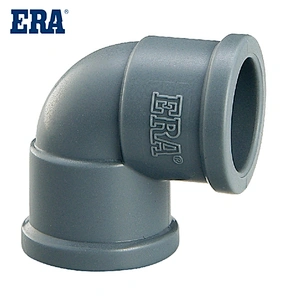
Elbow is a pipe fitting in a piping system that changes the direction of the pipeline. According to angles, there are three most commonly used types: 45 ° and 90 ° and 180 °. In addition, according to engineering needs, there are also other abnormal angle elbows such as 60 °. The materials of elbows include cast iron, stainless steel, alloy steel, malleable cast iron, carbon steel, non-ferrous metals, and plastics. There are several ways to connect pipes, including direct welding (the most commonly used method), flange connection, hot melt connection, electric fusion connection, threaded connection, and socket connection. According to production processes, it can be divided into welded elbows, stamped elbows, push made elbows, cast elbows, butt welded elbows, etc. Other names: 90 degree elbow, right angle bend, love bend, etc.
Brief introduction
A commonly used connecting pipe fitting in plumbing installation, used for connecting at pipe bends to change the direction of the pipeline.
Other names: 90 ° elbow, right angle elbow, Love bend, stamped elbow, pressed elbow, machine made elbow, welded elbow, etc.
Usage: Connect two pipes with the same or different nominal diameters to make turns of 90 °, 45 °, 180 °, and various degrees in the pipeline.
Bending radius less than or equal to 1.5 times the pipe diameter is considered an elbow, while bending radius greater than 1.5 times the pipe diameter is considered an elbow.
FAQ:
1.What is your MOQ?
Our MOQ is usually 5 CTNS.
2.What is your delievery time?
The time of delievery is around 30-45days.
3.What is the shipping port?
We ship the goods via Ningbo or Shanghai port.
4.What is your payment terms?
We accept 30% T/T in advance,70% in the period of shipment or 100% L/C.
5.How should I contact you?
You can contact us with Trade Manager or send us an email by click Contact Supplier bottom.
6.What is the location of your company?
Our company is located in the Taizhou Zhejiang Province,China.
If you would like to have a visit, you are much welcome.
7.How about the samples?
We could send you the samples ,most samples are free to send to most places in China.If sent to other countries,transport fee shoule be paid by you.
8.Why choose us?
1 Genuine produces with excellent quality and competitive price.
2 Cooperating with the customers all over the world and knowing the markets very well.
3 ERA is a listed company. Everything can be rest assured working with us.
4 After- Services will be highly-satisfied. Any problems and feedbacks will be answered in a short of time.
Our Services:
1. Any inquiries will be replied within 24 hours
2. Professional manufacturer.
3. OEM is available.
4. High quality, standard designs, reasonable&competitive price, fast lead time.
5. Faster delivery: Sample will be prepared in 2-3days.
6. Shipping: We have strong cooperation with DHL, TNT, UPS, MSK, China Shipping, etc.
7. You can also choose your own shipping forwarder.


 English