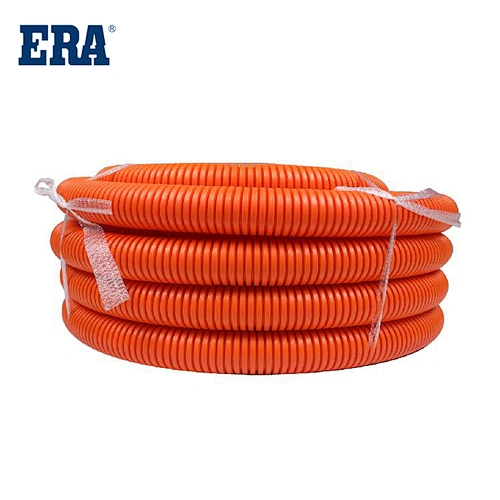
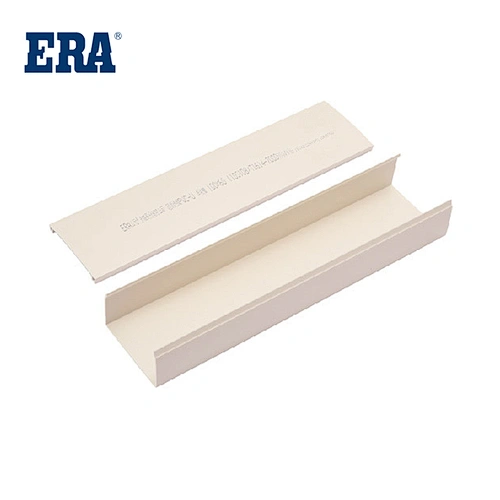
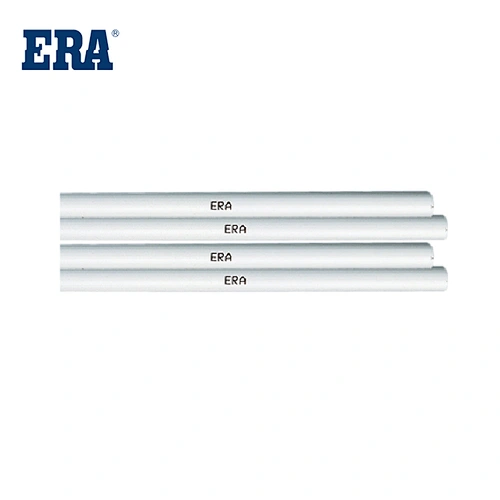
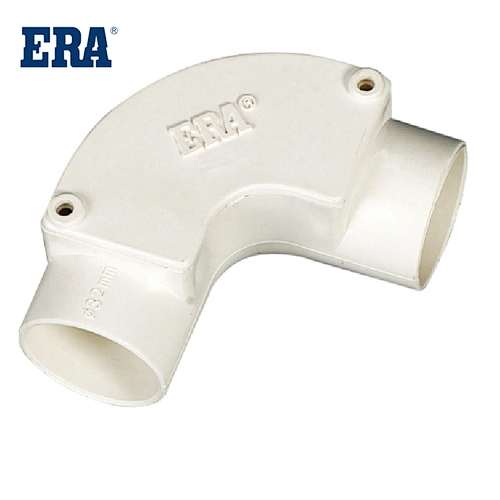
 In the process of home decoration, the electrical conduit in concealed engineering can be regarded as the"invisible guardian"of household electricity, and its quality directly affects the living safety and electricity experience for decades to come. These pipeline systems buried in walls and under the ground are like the"nerve channels"of buildings, carrying stable transmission of electrical energy and signals. Once selected improperly or constructed improperly, they may cause hidden dangers such as line aging, short circuits, and even fires. Therefore, choosing reliable electrical conduit is not only a part of basic decoration, but also a deep investment in the long-term safety of the home.
ERA, as a professional brand deeply rooted in the pipeline industry for more than 40 years, has always placed safety and durability at the core of product development. Based on a deep understanding of the household electricity environment, ERA has developed PVC electrical conduit specifically for modern home wiring, adhering to high standards in material selection and structural design. The pipe is made of high-purity and environmentally friendly polyvinyl chloride raw material, which has excellent insulation and flame retardant properties. It is not easy to spread in the event of fire and can effectively resist acid and alkali corrosion, avoiding problems such as pipe brittleness and deformation caused by humid environment or chemical erosion.
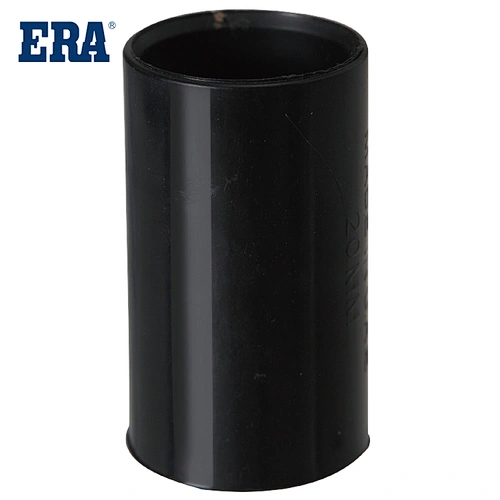
At the technical level, ERA electrical conduit focuses on systematically solving the pain points of home decoration circuits: the pipe wall is uniform and tough, with high compressive strength, able to withstand long-term wall pressure in buried environments, not easily deformed or collapsed, ensuring smooth threading; Smooth inner wall with low friction, significantly reducing wear and tear during wire pulling, providing convenience for later line maintenance and upgrades; The casing connection adopts optimized design, combined with specialized accessories, to form a continuous and closed pipeline system, preventing cement mortar from infiltrating and truly realizing the"live line"process.
In addition, ERA has launched corresponding product series for different spatial scenarios in households, such as high-strength models for complex installation environments such as load-bearing walls and ceilings, as well as shielding and anti-interference sleeves suitable for weak current systems such as networks and televisions, achieving scientific separation of strong and weak electricity, avoiding signal crosstalk, and improving the operational stability of smart home devices.
With solid technical accumulation and strict quality control system, ERA electrical conduit has gradually become a reassuring choice for many households and engineering projects. It is not only a functional component hidden within the wall, but also a silent cornerstone that continuously protects the safety of household electricity and maintains the smooth operation of daily life. Choosing ERA is laying a reliable and enduring 'path of electricity' for the future of our home. 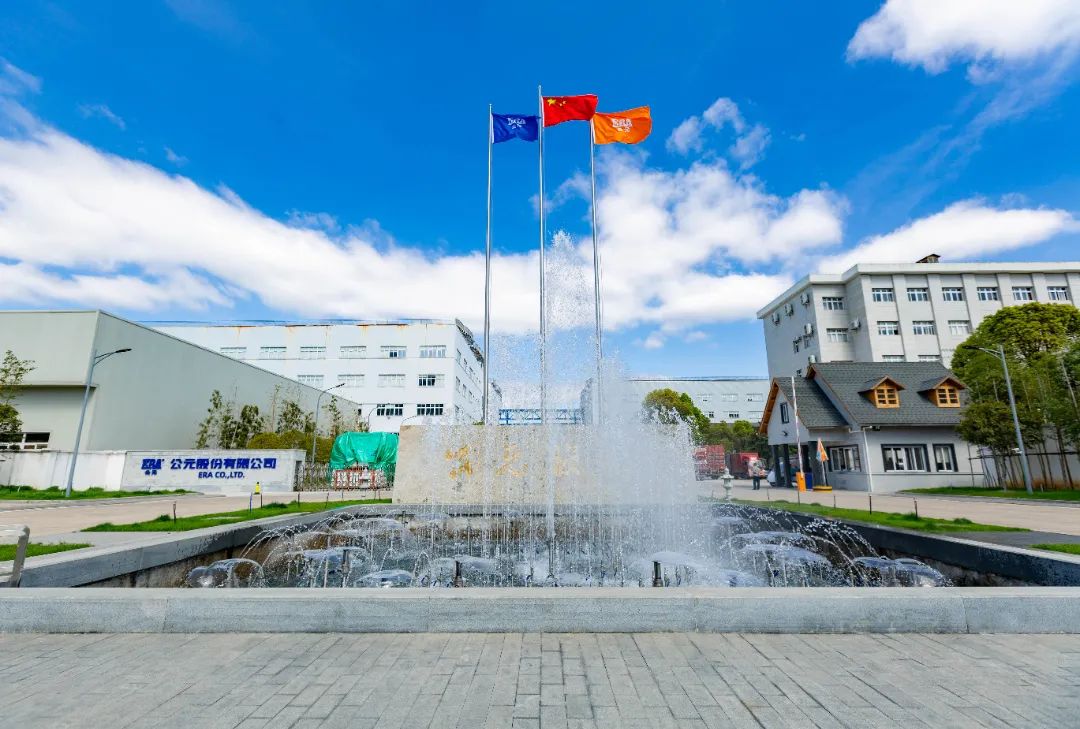 ERA PVC electrical conduit, with its excellent flame retardant performance, builds a solid safety line for home electrical systems. The product adopts a self-developed high-performance flame retardant formula, with an oxygen index exceeding 40%, far exceeding the national standard requirements. In the simulated fire experiment, the sleeve exhibits the characteristic of"extinguishing immediately after leaving the fire", and the burning droplets are not easy to ignite the material below, forming an effective fire isolation layer. This proactive fire prevention design can effectively block the path of flames spreading along pipelines in case of electrical faults causing fires, saving valuable time for home evacuation and firefighting rescue.
In terms of electrical safety, this product exhibits excellent insulation performance. The breakdown voltage strength of the pipe reaches more than 1.5 times the national standard, and it can withstand instantaneous high voltage impact without being broken down, fundamentally eliminating leakage accidents caused by insulation failure of the casing. Especially in humid environments or extreme weather conditions, its stable dielectric performance ensures safe and reliable power transmission, providing dual protection for high-power appliances and precision electronic devices in homes.
ERA electrical conduit exhibits excellent durability performance in complex home decoration construction environments. The pipe body using polymer modification technology has excellent chemical corrosion resistance, which can resist the long-term erosion of alkaline substances in concrete and avoid pipe brittleness and cracking. At the same time, its ring stiffness is increased by 30% compared to ordinary products. After being slotted and laid on the wall, it can effectively resist the pressure of backfill materials, prevent deformation and collapse caused by wall settlement or vibration, and ensure that cable channels remain unobstructed for a long time.
It is worth noting that ERA has specifically optimized the pipe connection system. The sleeve joint with patented design does not require adhesive bonding during installation, and can achieve airtight connection through physical buckles, ensuring construction efficiency and avoiding environmental pollution and weak bonding problems that may be caused by traditional adhesives. This modular design enables the pipeline system to quickly locate and replace damaged sections in case of emergencies, greatly improving the convenience of later maintenance.
From material research and development to system design, ERA electrical conduit always adheres to the concept of"preventive safety". Every seemingly ordinary gray pipeline contains a deep understanding of household electricity usage scenarios and a persistent pursuit of safety standards. Choosing ERA is not only about choosing a pipeline product, but also about choosing a continuous security commitment for families - making invisible hidden projects a reliable guarantee for living in peace of mind.   Pre embedded PVC conduit: There are many drawbacks to template opening, but it can still be done on site!
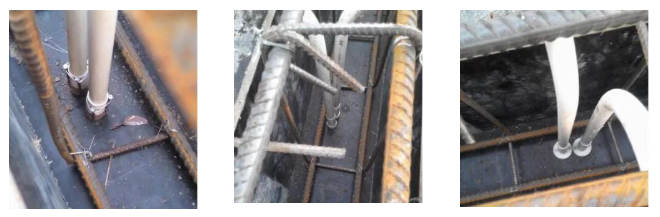
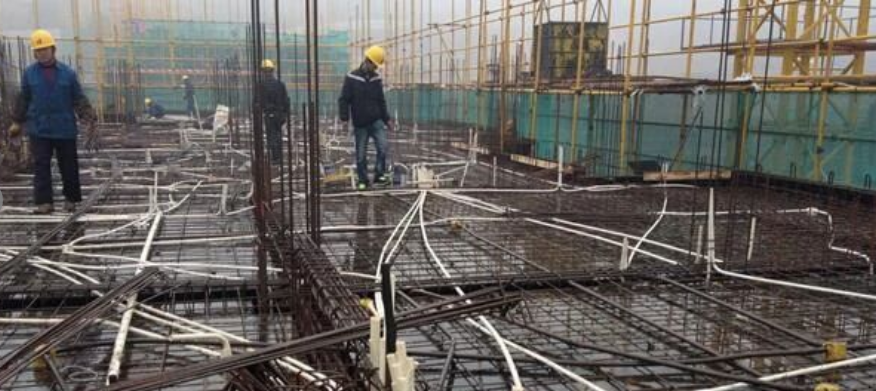
During the construction of shear wall structure engineering, PVC conduit is often pre embedded and laid on the formwork of passing structural beams and slabs, which often requires drilling holes on the formwork with an electric drill. Due to the influence of the site on the length and verticality of the reserved conduit for extending the template, the conduit may be uneven in length, skewed, and prone to breakage during demoulding. At the same time, the structural template is drilled through the conduit, which is prone to leakage during concrete pouring, causing surface defects in the concrete, seriously affecting the visual quality of the structural engineering, and also causing damage to the template and waste of conduit materials. 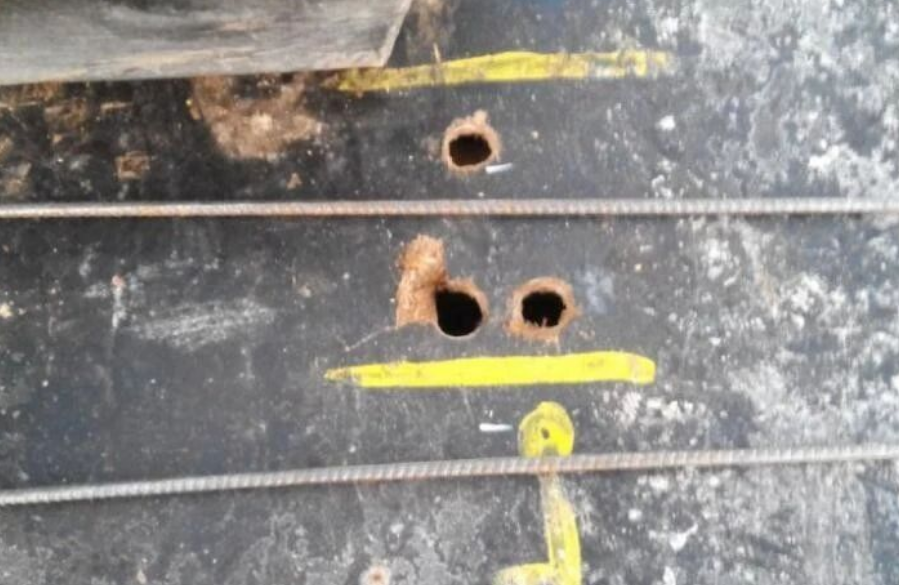 The feasible solutions for template construction without opening holes are generally as follows:
Option 1: PVC conduit is directly fixed to the template with nails instead of opening holes through the template.
Option 2: PVC conduit is directly capped and fixed to the template with self tapping screws instead of opening holes through the template.
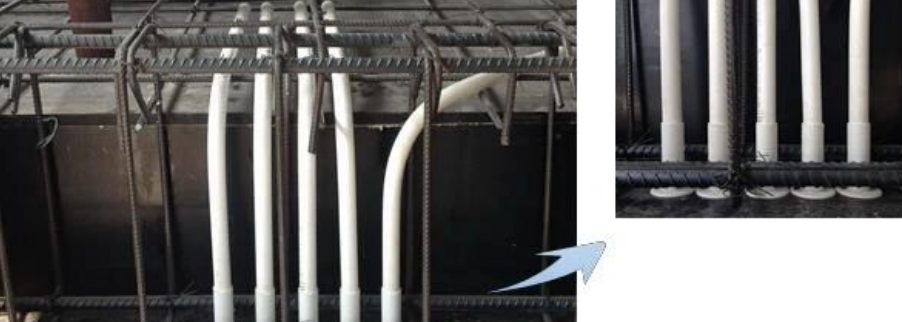
Option 3: Use standardized PVC conduit connection joints and fix them on the template with self tapping nails instead of opening holes through the template. Based on a comprehensive comparison of construction operability, economy, and engineering quality assurance, option three is the optimal solution: reasonable cost; Easy to operate, product strength and stability can be guaranteed, and visual quality can be guaranteed. Therefore, scheme three is adopted for this project. Main problems and countermeasures that may occur during construction 1. Design finalization and processing production issues of standardized connectors
It should be ensured that the product is molded in one go and has sufficient strength. Countermeasure implementation: Referring to the PVC wire conduit material standard, CAD drawings are used to design and shape the product. Samples are produced by mold manufacturers and connection strength tests are conducted to ensure that the fixed connectors are formed in one go and have sufficient strength to meet the on-site embedded connection requirements. 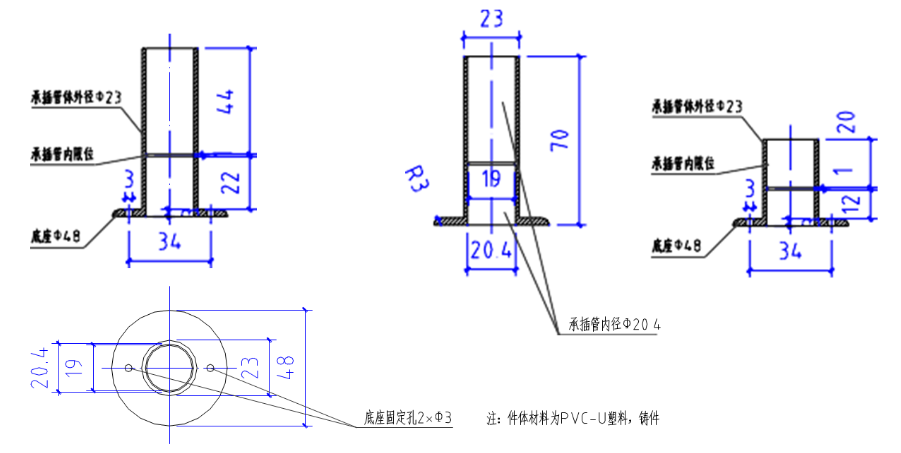 2. Electrical pre embedded point location issues
Positioning deviation may cause the position of the conduit to exceed the wall position in the future.
Countermeasure implementation: Deepen the design of the electrical pre embedded point drawings, strictly follow the structural control lines for electrical pre embedded measurement and positioning, ensure the accuracy of the pipe connection position first, and avoid the conduit coming out of the wall after the completion of the secondary structural wall. 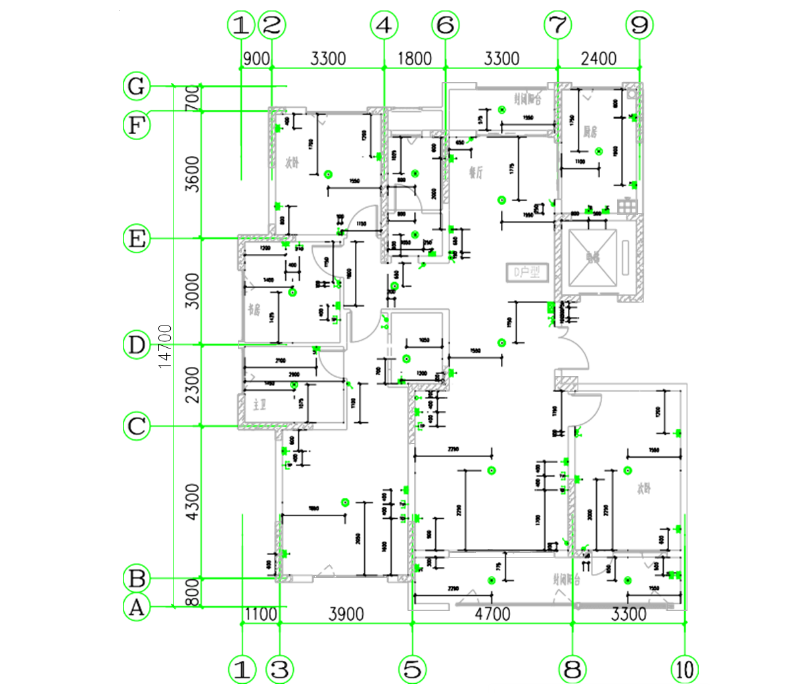 3. Finished product protection issues
The PVC conduit and connectors are not firmly connected, resulting in detachment or damage during concrete vibration.
Countermeasure implementation: Coordinate with the civil steel reinforcement and concrete construction teams, as well as the electrical professional team, to conduct technical disclosure on relevant finished product protection measures to prevent PVC conduit and connectors from being loosely connected and causing detachment or damage during concrete vibration. By adopting the process of embedding qualitative connectors and avoiding opening holes in structural templates, defects such as loss of structural templates and concrete leakage are eliminated, resulting in a more aesthetically pleasing appearance of the structure (beams, slabs). Subsequently, the vertical and accurate position of the connecting conduit can effectively save costs and improve product quality. In home decoration and engineering projects, choosing suitable electrical conduit is crucial. It not only relates to the protection of wires, but also directly affects electrical safety and the long-term reliability of the system. PVC conduit and PC conduit are two common types of pipes in the market. Although they may appear similar in appearance, they have essential differences in material properties, applicable scenarios, and long-term effects. Many users are prone to confusion when selecting materials and do not know how to choose. This article will help you comprehensively understand these two types of pipes and make wise choices from the perspectives of material characteristics, performance comparison, applicable scenarios, and selection suggestions. 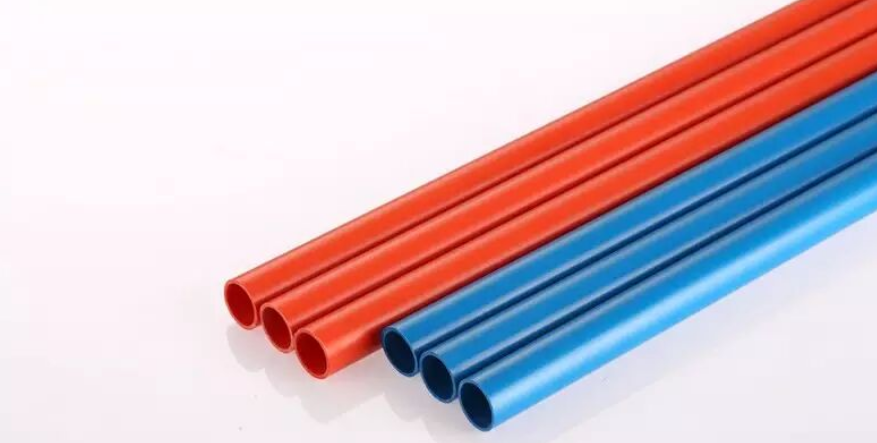 1、 Material essence: technological differentiation between two types of plastics
PC (polycarbonate) conduit is made of high molecular engineering plastic, which has a special toughness and strength in its molecular structure. Polycarbonate materials were initially used in the aerospace and automotive industries, but were later introduced into the field of building electrical due to their excellent performance. This type of pipe not only possesses the lightweight characteristics of traditional plastics, but also combines mechanical strength and thermal stability similar to metals.
PVC (polyvinyl chloride) conduit is made based on polyvinyl chloride resin, with stabilizers, lubricants, and other additives added. As one of the most widely used plastic pipes, PVC pipes have mature production processes and excellent cost control. However, their performance is greatly affected by formulas and processes, and there may be significant differences in product quality among different manufacturers.
2、 Performance Explanation: Fundamental Differences Beyond Appearance
1. Comparison of mechanical performance
The impact strength of PC pipes can reach 5-8 times that of PVC pipes, and they can maintain good toughness even in low temperature environments of -10 ℃. Experiments have shown that when a 2kg heavy hammer falls freely from a height of 1 meter, only slight dents appear on the surface of PC pipes, while PVC pipes often crack or even break under the same conditions. This characteristic makes PC pipes particularly suitable for places where accidental collisions may occur, such as underground parking lots, warehouse passages, etc.
2. Temperature adaptability
The working temperature range of PC tubes is extremely wide, maintaining stable performance from -40 ℃ to 135 ℃. In the high temperature environment of summer, the PC pipes laid on the roof will not soften or deform due to high temperature; In cold regions during winter, its excellent low-temperature impact resistance ensures that the pipe body will not crack. In contrast, PVC pipes show a significant increase in brittleness when the temperature is below 0 ℃, and begin to soften when the temperature is above 60 ℃, which limits their application in extreme environments.
3. In depth analysis of security performance
The PC material itself has excellent flame retardant properties, with an oxygen index of over 35% (the national standard requires 28%). It produces less smoke during combustion and does not produce droplets that ignite other materials. In places with strict fire safety requirements, such as hospital operating rooms, data center computer rooms, etc., PC pipes can provide higher levels of fire protection.
The flame retardant performance of PVC pipes is highly dependent on formula design. High quality PVC pipes can achieve good flame retardant effects by adding flame retardants, but some low-priced products may have unstable flame retardant properties. Users should pay special attention to the fire safety certification of the product when making purchases.
4. Long term durability
The molecular structure of PC material is stable, with excellent UV resistance, and can maintain good mechanical properties even after more than 10 years of outdoor use. It has high surface hardness, strong scratch resistance, and is not easily damaged during construction and later maintenance. PVC pipes may turn yellow and become brittle when exposed to sunlight for a long time, requiring additional protective measures or regular replacement.
3、 Smart selection of application scenarios
Ideal application environment for PC pipes:
Places with high safety requirements: hospital intensive care units, laboratories, financial data centers, and other areas with special electrical safety requirements
Complex environmental conditions: places with corrosive media or drastic changes in temperature and humidity, such as chemical plants and food processing workshops
Key infrastructure: large public buildings with high population density such as subway tunnels, airport terminals, sports venues, etc
Special requirement scenarios: internal wiring that requires transparent observation, exposed pipelines that are susceptible to mechanical damage, etc
Economic applicability scenarios of PVC pipes:
Standard electrical wiring for conventional civil buildings: ordinary residential buildings, school teaching buildings, and office buildings
Cost sensitive projects: large-scale standardized installation in large residential communities and industrial parks
Short term usage environment: Non permanent electrical systems in temporary buildings, exhibition venues, etc
Indoor stable environment: Indoor concealed wiring with minimal temperature and humidity changes
4、 Multi dimensional consideration of selection decision-making
1. Whole life cycle cost analysis
Although the initial procurement cost of PC pipes is high, their service life can reach over 50 years and maintenance costs are extremely low. In places where frequent line replacement or upgrades are required, the excellent mechanical properties of PC pipes can also reduce the risk of damage during construction. In contrast, PVC pipes may need to be replaced earlier and may not be economical in the long run.
2. Convenience of construction and maintenance
Although PC pipes have high hardness, modern processing tools can effectively solve their cutting and bending problems. Professional hot bending technology can achieve precise angle forming of PC pipes without affecting their internal smoothness. In places that require frequent maintenance, the durability of PC pipes can actually reduce human damage during maintenance.
3. Environmental adaptability prediction
Before selecting pipes, a comprehensive assessment of the installation environment should be conducted: whether it is exposed to sunlight? What is the range of temperature and humidity changes in the environment? Is there a risk of chemical corrosion? What is the degree of mechanical impact that may be experienced? The answers to these questions will directly point to the most suitable type of pipe material.
4. Smart solutions for mixed use
For large-scale projects, a graded use strategy can be adopted: PC pipes can be used in main lines and critical areas, while PVC pipes can be used in branch lines and low-risk areas. This can ensure the overall system security and reasonably control project costs. For example, in a data center project, PC pipes are used for the backbone cable channels, and PVC pipes are used for the end connections to the cabinets, achieving a balance between safety and economy.
5、 ERA's professional solutions
ERA provides a complete conduit system solution for different user needs:
ERA safety enhanced PC conduit: using nano modification technology, while maintaining the excellent performance of PC material, it further enhances the chemical corrosion resistance and anti-static performance, especially suitable for special industrial environments.
ERA high-performance PVC conduit: By optimizing the formula and process, the applicable temperature range of ordinary PVC conduit has been extended to -15 ℃ to 70 ℃, and the flame retardant level has reached B1 level, providing a high-quality choice for projects with limited budget but high requirements.
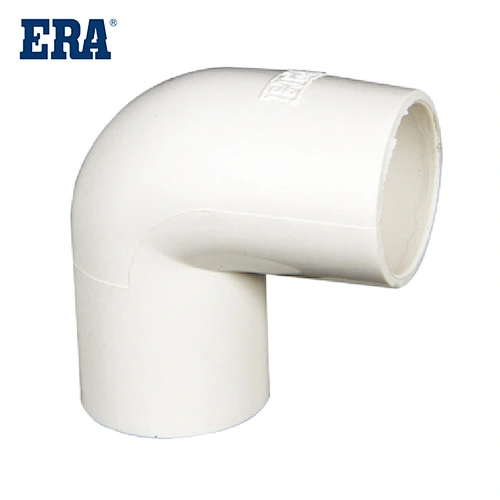
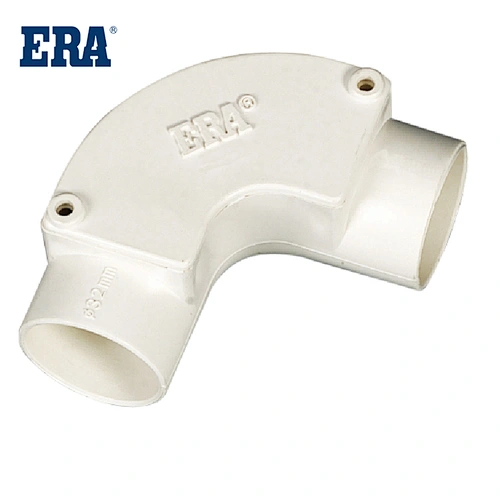
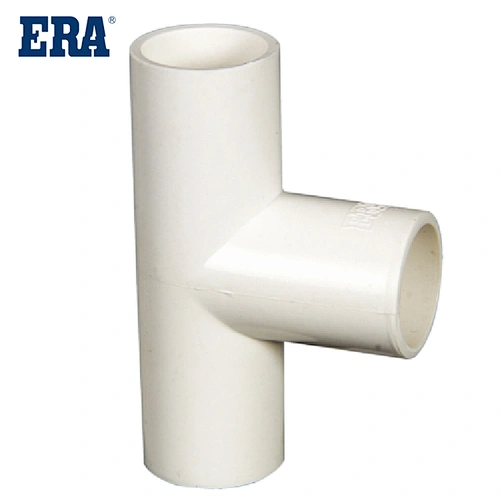
Professional installation supporting system: Provide complete pipe clamps, connectors, elbows and other accessories to ensure the integrity and reliability of the entire pipeline system.
6、 Future Development Trends
With the popularization of intelligent and green building concepts, conduit materials are developing towards multifunctionality. In the future, intelligent pipes with multiple functions such as electrical protection, electromagnetic shielding, and heat management will gradually become a new choice for high-end projects. Meanwhile, the research and application of environmentally friendly and recyclable materials will also drive the entire industry towards a more sustainable direction. Choosing the appropriate conduit is not only a technical decision, but also an important part of risk management. In the uncompromising field of electrical safety, investing in high-quality pipeline systems is actually purchasing a reliable insurance for the entire lifecycle of the building. Whether choosing PC or PVC pipes, understanding their performance characteristics and matching them with actual needs is necessary to ensure that the electrical system is both safe, reliable, and economically reasonable. The 'invisible guardian' inside the wall: a new understanding of home electrical conduit
1、 The existence of electrical conduit is by no means unnecessary. It solves the core pain point of home decoration circuits:
Safety guarantee: High quality casing materials have good insulation and flame retardancy. They can isolate wires from the external environment, avoiding the risks of leakage, short circuit, and even fire caused by wire aging or damage. Especially when electrical faults generate high temperatures, flame-retardant pipes can effectively suppress the spread of fire along pipelines.
Long term protection:Wires are like the"nerves"of buildings, directly exposed to alkaline environments such as cement and mortar, and are highly susceptible to corrosion. The casing provides them with a sturdy, sealed"protective suit"that resists moisture, corrosion, and compression, ensuring the safety of the circuit for decades.
Maintenance and Upgrade: Modern household appliances and smart devices are constantly updated. The use of"live wire technology"(i.e. the wires can be pulled in the conduit) means that in the future, there will be no need to"go all out"to smash walls, and old or new wires can be easily replaced or added, leaving room for the future of the home.
Shielding and noise reduction: The conduit can effectively isolate strong electricity (such as air conditioning and ovens) from weak electricity (such as networks and TV signals), prevent current interference, and ensure stable Wi Fi and clear TV. Meanwhile, non-metallic materials such as PVC can also absorb some of the vibration noise generated by electrical appliances.
2、 The 'literacy' of excellent electrical conduit
Not all pipelines are competent. A trustworthy electrical conduit should possess the following characteristics:
Strong and flexible: It has sufficient strength to withstand the pressure caused by wall pouring and daily vibration, and is not easily deformed; It also has good flexibility, making it easy to bend and turn during construction, ensuring smooth routing of the line.
Smooth inner wall: Like a carefully polished tunnel inner wall, it can greatly reduce the frictional resistance during threading, protect the outer skin of the wire, and make"live wires"possible.
Tight connection: The connections between pipes and between pipes and junction boxes require specialized fittings and processes to achieve sealing, preventing cement mortar from infiltrating and blocking this vital pathway.
Environmental protection and safety: The material itself should be non-toxic and harmless, and even in high temperatures of fire, the release of toxic smoke should be minimized as much as possible.
3、 A key reminder: construction is more important than materials
The principle of 'three parts materials, seven parts construction' is fully reflected in concealed engineering. Even if the highest quality casing is purchased, all advantages will be lost if not constructed properly. An experienced electrician knows how to plan the most reasonable pipeline route, how to accurately bend the pipeline without damaging the inner diameter, and how to ensure that every interface is firmly sealed. They are the ultimate guarantee for these 'invisible guardians' to perform their duties perfectly.
Conclusion
When you press the switch at night, the lights instantly illuminate the room; When you smoothly watch high-definition videos and have video calls with distant relatives - behind all this convenience and warmth, there are those"invisible guardians"who are permanently sealed inside the wall and silently guard.
Choosing reliable electrical conduit, combined with standardized construction, is a long-term safety foundation for your home. It is not just a concealed project, but also a solemn commitment to a peaceful life for decades to come. After all, all visible beauty cannot be separated from those invisible, carefully constructed 'blanks'. |


 English