True warmth is often quiet.
It hides in the floor that has been barefoot on a winter morning,
Also hidden between the relaxed eyebrows and eyes of family members sitting together.
But once the underfloor heating is backfilled, it will be hidden underground.
The unseen places test the standards the most.
To determine the reliability of a underfloor heating system, one should not only look at the price, but also at the six key aspects of design, product, construction, acceptance, temperature control, and after-sales service.
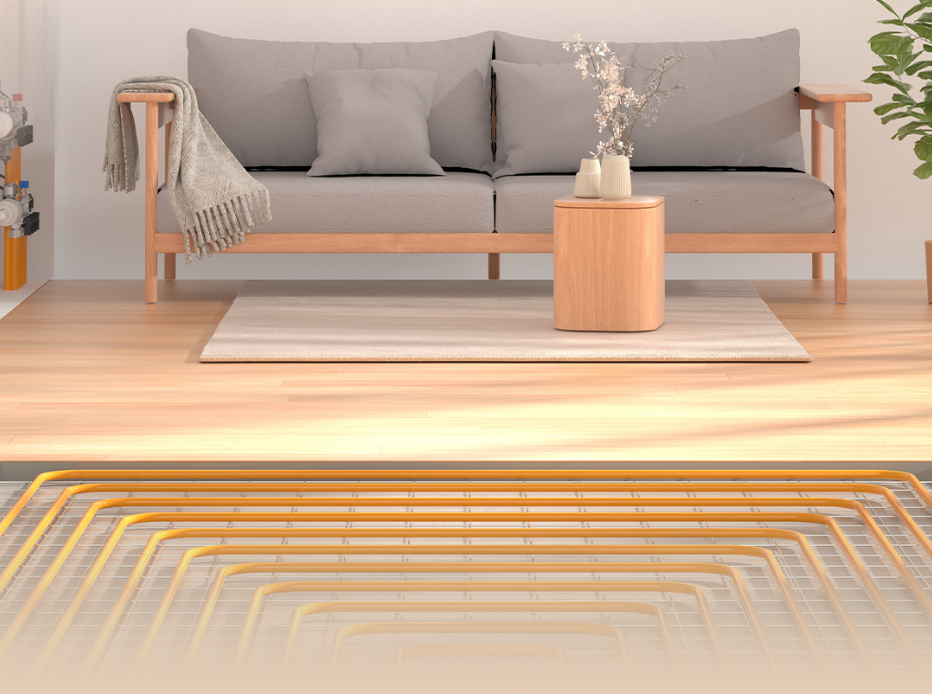
01 Exclusive drawing, balanced room temperature
The hot water in the underfloor heating pipe is distributed in parallel from the water collector to each circuit. The shorter and smoother the circuit, the faster the water flow and the more heat it takes away. If there is a significant difference in the length of each circuit, uneven heating and cooling is almost an inevitable result. Therefore, the circuit division of underfloor heating pipes, the position of water collectors, the spacing between coils, and the length of each pipe will all affect whether the temperature is uniform in the later stage. Standardized underfloor heating construction should first produce pipeline design drawings, clarify the location of the water collector, and then proceed with construction according to the drawings.
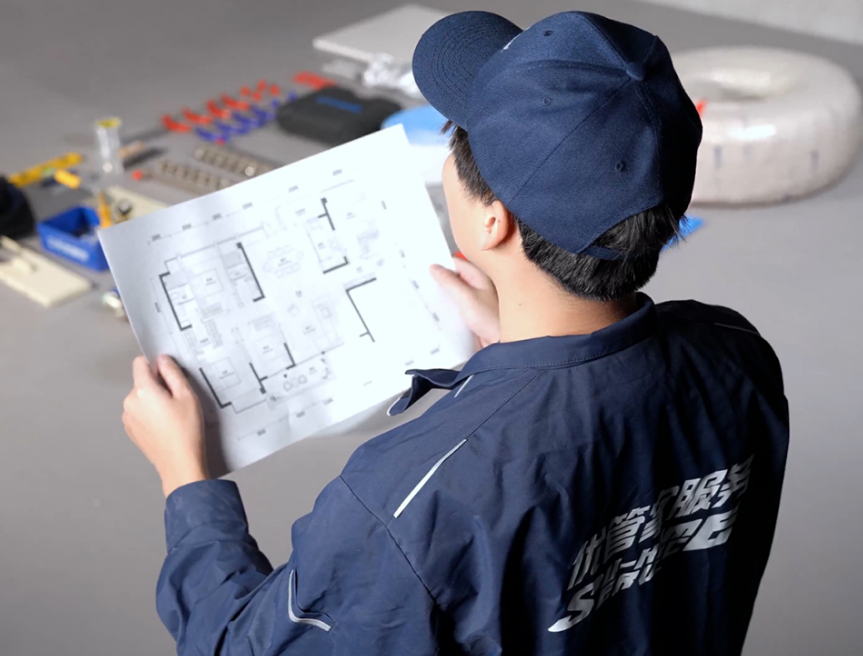
The vast majority of users only realize the perceived temperature difference after checking in. Based on the layout, ERA provides a dedicated piping diagram, which rigorously determines the length, spacing, and direction of each circuit on the drawing. Users cannot see the deduction behind the drawings, but every degree of temperature difference after moving in is a footnote left by the design process.
02 Precise selection, stable system
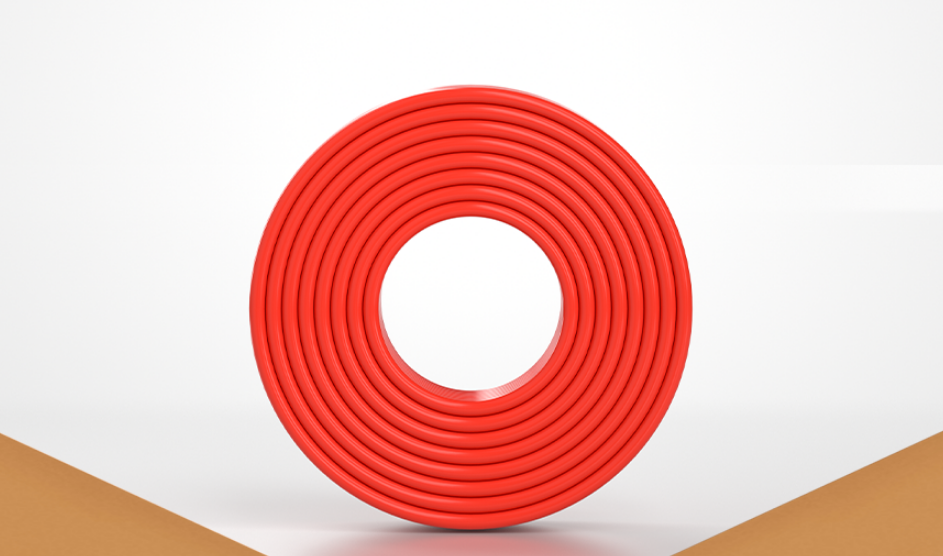
The difference in whether underfloor heating can effectively function depends on whether the temperature resistance level and oxygen blocking performance match the heat source and system environment. The whole floor heating pipe is delivered and laid without joints, and the probability of leakage after being buried underground is extremely low. What really needs to be confirmed is whether the working conditions of the pipes match the heat source and layout of the house.
If the water quality and operating temperature at home are relatively mild, the premium floor heating series (PE-RTI type) is sufficient to provide stable and abundant heat;
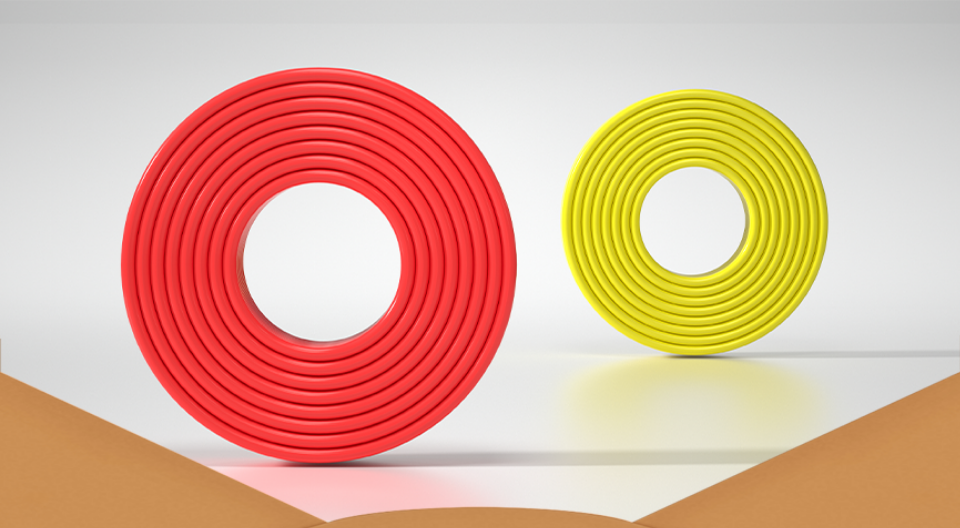
If the system has higher requirements for heat resistance and pressure resistance, the Zunshang underfloor heating series (PE-RTII type) can withstand instantaneous high temperatures of 95 ° C and still operate effectively at -40 ° C;
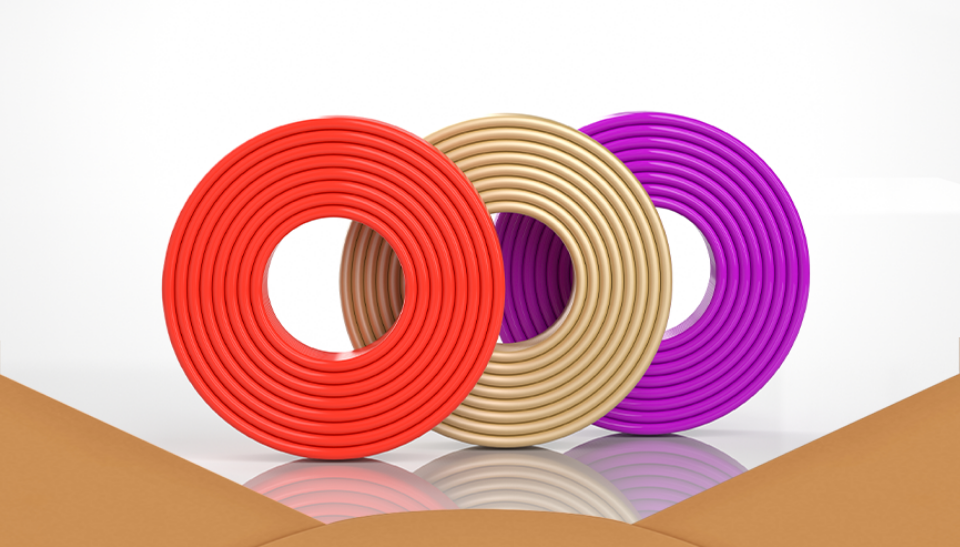
The Zunyao underfloor heating series (EVOH five layer oxygen blocking type) is designed for complex heating scenarios that are highly sensitive to oxygen content in the system. Through multi-layer co extrusion technology, it blocks external oxygen infiltration, inhibits the growth of oxygen bacteria, prevents metal component corrosion, and extends the life of the entire heating system.
03 Standardize processes and control energy consumption
The same materials, but with different constructions, may result in significantly inferior effects. Heat is naturally transferred to low temperatures. If insulation boards, reflective films, and boundary insulation strips are missing or not laid tightly, heat will be transmitted downwards to the floor slab and dissipated upwards along the wall, increasing ineffective heat loss. Uneven spacing between coils leads to inconsistent heat dissipation on the ground and uneven room temperature; If the turning is not handled properly and forms a dead bend, it will increase local resistance and affect water circulation.

Based on JGJ142 "Technical Regulations for Radiant Heating and Cooling", the construction process is broken down into 13 standardized steps to standardize the installation of water collectors
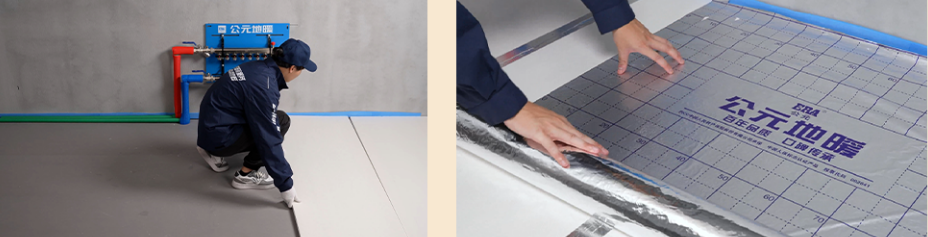
Fully lay insulation boards and seal the seams with aluminum foil tape
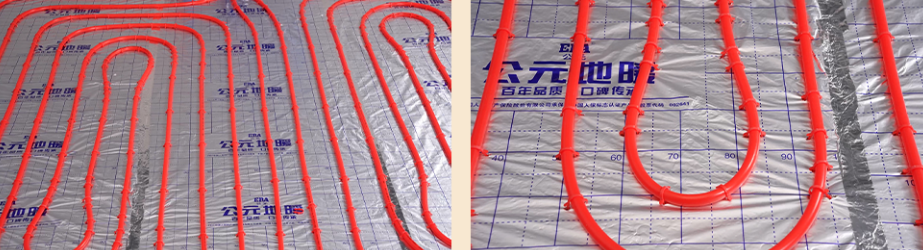
Lay the pipes in a loop according to the design drawing, and use the "water droplet" process at the bend to avoid dead bends
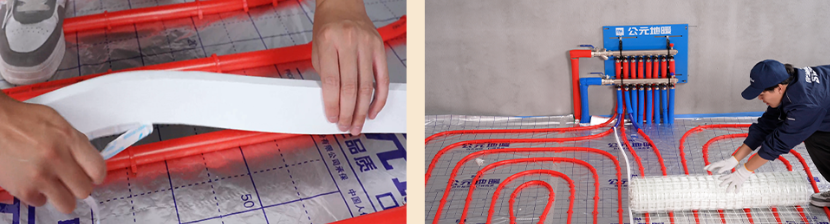
Add expansion joint strips in areas exceeding 30m and lay silicon crystal mesh to enhance the strength of the backfill layer
04 Panoramic recording, clear pipeline
Once the underfloor heating pipe is backfilled and covered, the cost of repairing water leakage in the later stage is extremely high. Pressure test is to apply a test pressure higher than the working pressure to the system before concealment, so that any weak sealing points at pipeline interfaces and connections are exposed in advance under overpressure.
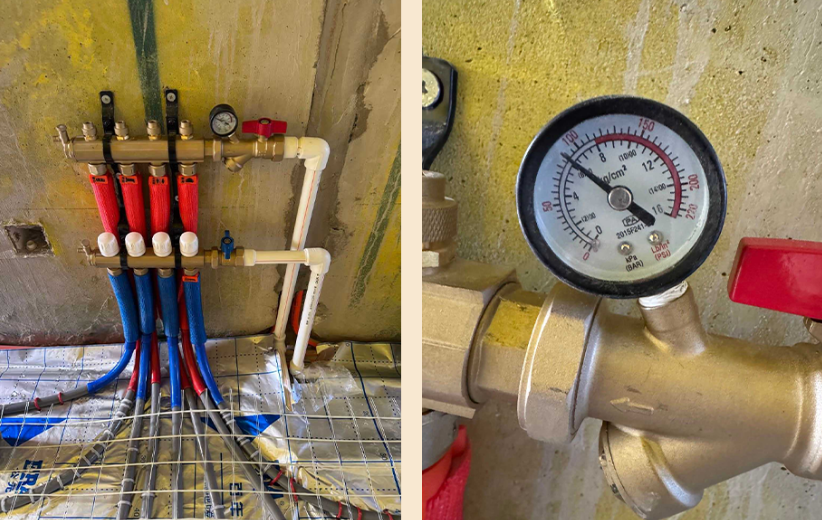
Pressurizing at 1.5 times the working pressure is to leave a safety margin: the system does not leak under normal operating pressure, but it does not mean that it will not leak during pressure fluctuations. Both wall mounted boilers and water pump start and stop will generate water pressure shocks. Pressurize to 1.5 times and stabilize for 30 minutes without any pressure drop, indicating that the system remains sealed under overpressure conditions and operates normally without any hidden dangers.
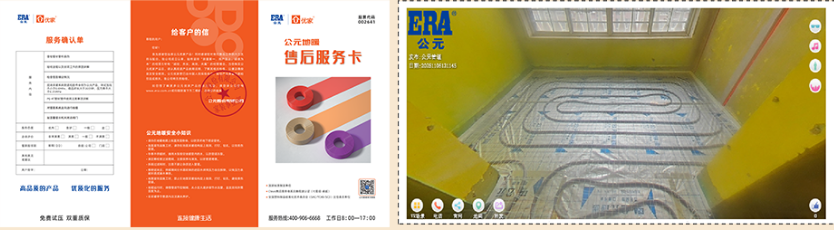
During the acceptance process, ERA strictly adheres to this standard to ensure no leaks, and records and archives the panoramic pipeline diagram through VR recording. Finally, the "ERA underfloor heating service card" is delivered, and a "one household, one file" construction log is established to make the process traceable.
05 Scientific Temperature Control, Balancing Cold and Warm
Do you want to keep it on 24 hours a day? What is the appropriate temperature setting? Should I turn it off when going out? The high energy consumption of underfloor heating is not only related to the insulation layer, but also to how it is used. The usage time of different rooms varies, and temperature control in each room can allow each space to operate as needed, improving comfort and reducing unnecessary energy consumption. It is also not recommended to set the temperature too high all at once when using it for the first time. The ground and walls need to gradually heat up, which can protect the ground materials and make the body feel more stable. Frequent switching or sudden high temperatures may actually affect the experience.
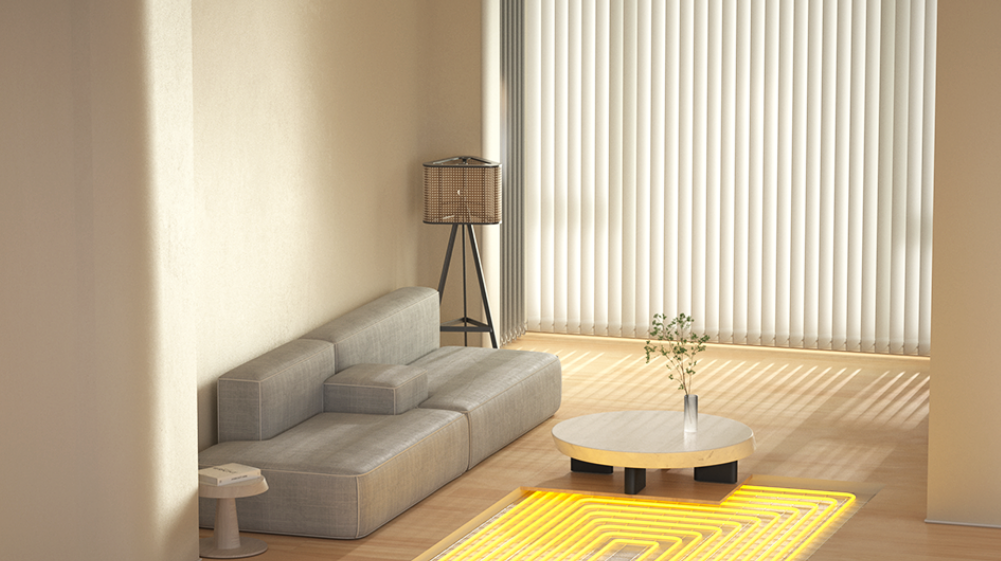
After the underfloor heating is turned off, the heat stored in the backfill layer can still maintain room temperature for several hours. Re heating requires a long period of full load operation. Overall, the energy consumption of frequent switching is usually higher than continuous operation at low temperatures. For short-term outings, simply lower the temperature without shutting it down.
06 Dual warranty, long-term protection
Underfloor heating is buried underground, and users' biggest concern is often not whether it will be hot in the first year, but what to do if problems arise in a few years.
A standardized underfloor heating system does not require frequent major repairs in the later stages, but it is recommended to regularly check the water collector, filter, and system pressure. As the flow rate decreases, the heat dissipation also decreases. If there is a slow heating, local overheating, or a significant increase in energy consumption, it should be promptly investigated and not wait for the problem to escalate.
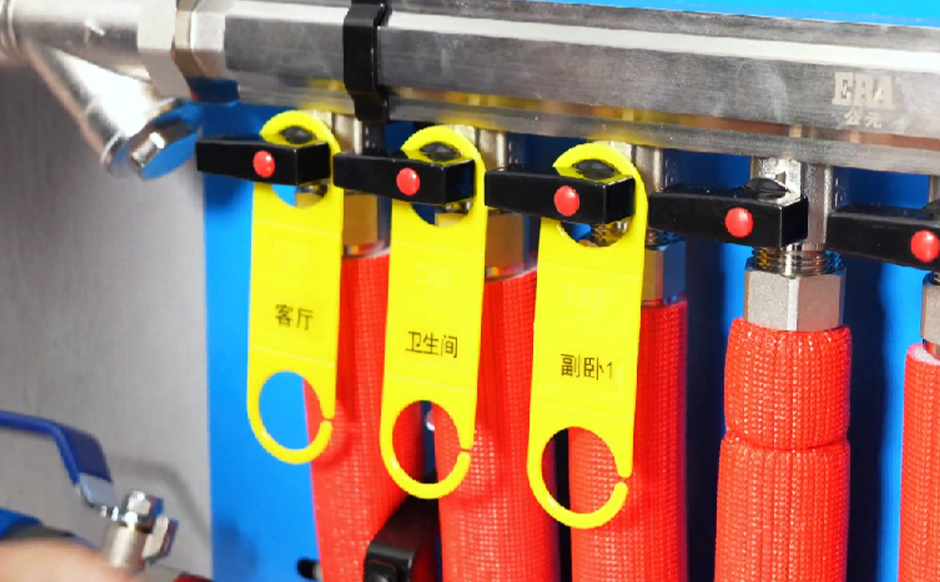
Yuanyoujia underfloor heating provides a 50 year double warranty, and the product is insured by China People's Insurance. Original factory construction, unified archiving, and traceable services can provide more basis for later maintenance.
Restarting during the new heating season also requires attention.
After several months of system shutdown, it is recommended to complete three things before restarting:
One is to check the system pressure.
If the water pressure is below the normal range, it indicates that there may be leakage. It should be checked and pressurized before operation. Do not forcefully start with a fault.
The second is to clean the filter and exhaust the circuit air.
After long-term shutdown, impurities are prone to deposit in the filter, and the gas released from the water will form gas blockages, which is the most common reason for "local non heating" after restarting. Clean the filter, exhaust each circuit step by step, and confirm that each circuit is filled with water before heating up.
Thirdly, the warming has slowed down.
In the first few days after starting up, pay attention to observing whether the temperature rise in each room is balanced, whether there is leakage in the water collector, and whether the water pressure is stable. Abnormalities are discovered at this stage, with the lowest processing cost.
|


 English